Dry Brushing Benefits: 6 Potential Skin And Health Perks
Discover the potential benefits of dry brushing, from exfoliation and improved circulation to lymphatic support, plus expert tips on how to do it safely.
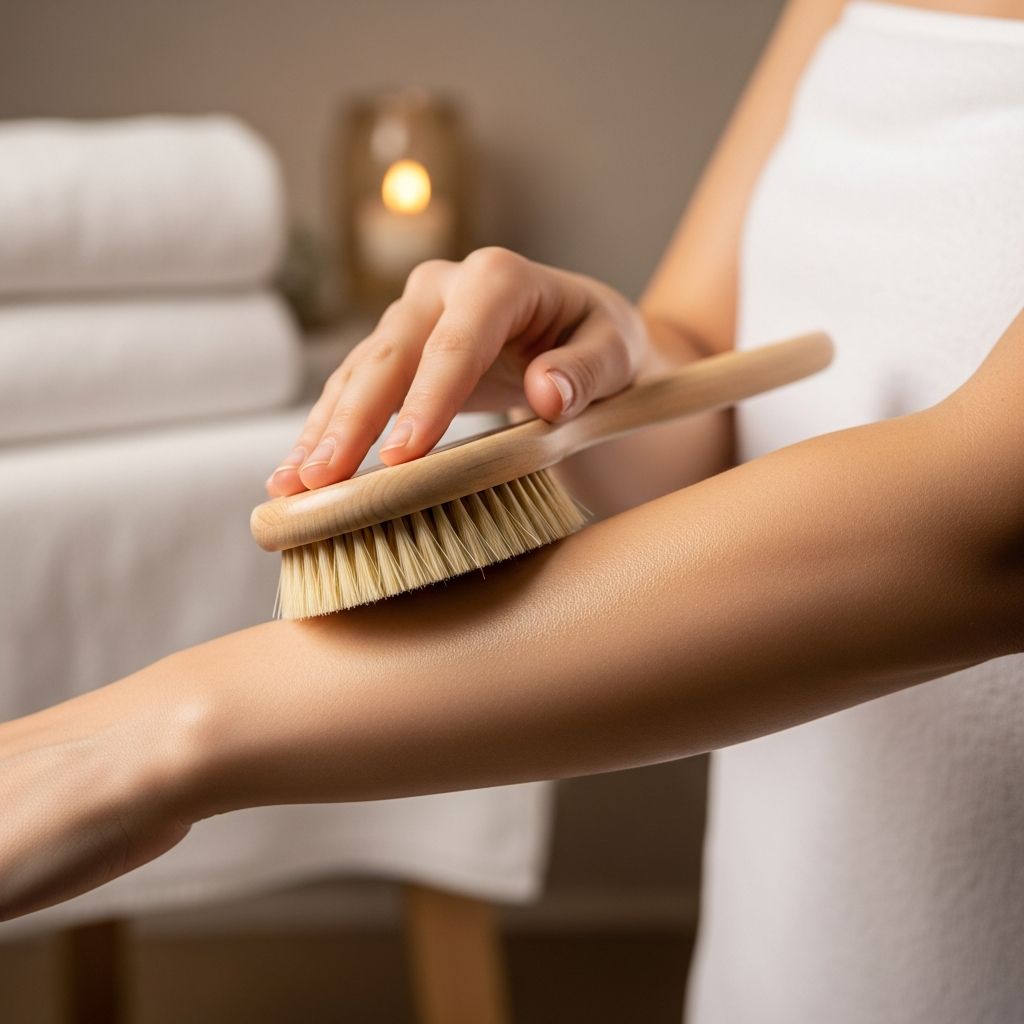
Dry brushing is an ancient Ayurvedic technique gaining popularity for its potential to exfoliate skin, stimulate circulation, and support lymphatic drainage. Using a stiff-bristled brush on dry skin, this practice promises smoother texture and overall wellness, though scientific evidence varies.
What Is Dry Brushing?
Dry brushing, also known as gharshana in Ayurveda, involves gently stroking the skin with a natural-bristled brush without water or lotion. This method mechanically removes dead skin cells, promoting a smoother appearance. Experts like dermatologist Nicole Hayre, M.D., describe it as a form of physical exfoliation typically done before showering.
Originating centuries ago, dry brushing is rooted in holistic traditions aimed at invigorating the body and mind. Modern proponents highlight its sensory appeal, making it a meditative self-care ritual.
6 Benefits of Dry Brushing
While anecdotal reports praise dry brushing, research is limited. Here’s what experts and available evidence suggest about its key benefits:
- Exfoliation: The stiff bristles effectively slough off dead skin cells, revealing softer, brighter skin underneath. This process may enhance moisturizer absorption and support natural collagen production.
- Improved Circulation: Brushing stimulates blood flow, delivering oxygen and nutrients to tissues. Dr. Hayre notes a plumping effect on skin, potentially reducing the appearance of cellulite temporarily.
- Lymphatic Drainage: Strokes toward the heart may encourage lymph flow, aiding toxin removal and reducing swelling. Though promising, little research confirms this, unlike manual lymphatic drainage massage.
- Relaxation and Stress Relief: The rhythmic motion promotes mindfulness, easing stress and boosting mood. Users often feel energized and invigorated post-session.
- Detoxification Support: By opening pores and stimulating sweat, it may help eliminate toxins via the skin, supporting the lymphatic system’s waste removal role.
- Enhanced Energy and Digestion: Morning routines can awaken the senses, improve digestion by stimulating abdominal nerves, and reduce bloating.
Does Dry Brushing Get Rid of Cellulite?
Dry brushing is often touted for cellulite reduction by breaking up fat deposits and improving circulation. While it may temporarily smooth dimpled skin through exfoliation and plumping, no robust studies confirm long-term efficacy. Experts recommend combining it with exercise, hydration, and a healthy diet for best results.
Is Dry Brushing Good for Lymphatic Drainage?
The lymphatic system filters waste and supports immunity via nodes and vessels. Dry brushing toward the heart mimics manual drainage techniques, potentially moving stagnant fluid and reducing puffiness. Chiropractor Dr. Brenda Fairchild emphasizes its role in lymph health, but evidence remains anecdotal compared to proven therapies.
| Claim | Mechanism | Evidence Level |
|---|---|---|
| Reduces swelling | Stimulates flow to nodes | Anecdotal/Limited |
| Boosts immunity | Aids toxin removal | Indirect via relaxation |
| Detox support | Enhances skin elimination | Plausible but unstudied |
How to Dry Brush: A Step-by-Step Guide
Incorporate dry brushing 1-3 times weekly for 2-5 minutes. Follow these expert-recommended steps:
- Choose the right brush: Opt for natural bristles (boar, sisal) with a long handle. Use softer ones for sensitive areas or face.
- Prepare: Strip naked in a dry bathroom. Start post-wakeup for energy or pre-shower.
- Begin at extremities: Feet first—brush upward in long, firm strokes toward the heart (10-20 per area).
- Move systematically: Legs (calf to thigh toward groin), arms (hands to shoulders), torso (gentle circles on abdomen clockwise for digestion), back, chest, neck (lightly).
- Avoid sensitive spots: No brushing over face aggressively, breasts, or broken skin.
- Shower and moisturize: Rinse thoroughly, pat dry, apply lotion to lock in hydration.
Related Stories



Tammy Fender advises brisk 2-minute sessions; Dr. Fairchild suggests 15-30 seconds per limb section.
Dry Brush Tools and Which to Buy
- Natural Bristle Body Brush: Firm for legs/torso ($10-25).
- Long-Handle Brush: For hard-to-reach back ($15-30).
- Facial Brush: Soft synthetic or boar for gentle exfoliation ($8-20).
- Electric Dry Brush: Battery-powered for consistency (newer, $30+).
Clean brushes weekly with soap; replace every 6-12 months.
Risks and Precautions
Dry brushing is generally safe but not for everyone. Potential issues include:
- Skin irritation: Over-brushing causes redness, microtears, or folliculitis.
- Infections: Dirty brushes harbor bacteria.
- Contraindications: Avoid with open wounds, sunburn, eczema, psoriasis, rosacea, or lymphedema without doctor approval.
Pregnant individuals or those with blood clots should consult professionals. Start gently to build tolerance.
Who Should Avoid Dry Brushing?
- Sunburned or inflamed skin.
- Active skin infections (acne, warts).
- Varicose veins or thrombosis history.
- Post-surgery or radiation sites.
Dermatologists like Dr. Hayre stress patch-testing and moderation.
Frequently Asked Questions (FAQs)
How often should you dry brush?
1-3 times per week prevents over-exfoliation. Daily for short sessions if skin tolerates.
Does dry brushing help with bloating?
Abdominal strokes may stimulate digestion and reduce temporary bloating via nerve activation.
Can you dry brush your face?
Yes, with a soft brush lightly; avoid if sensitive.
Is dry brushing better than a loofah?
Dry brushing offers deeper exfoliation without moisture; loofahs suit wet routines.
How long until you see results?
Smoother skin in days; circulation perks ongoing with consistency.
Dry brushing blends ancient wisdom with modern self-care. While exfoliation is proven, other benefits warrant more research. Consult a doctor for personalized advice, especially with health conditions. Integrate mindfully for glowing skin and vitality.
References
- Dry Brushing: Benefits, How to, and Risks—According to Experts — Prevention.com. 2023-05-10. https://www.prevention.com/beauty/skin-care/a41714326/dry-brushing-benefits-how-to/
- Benefits of Dry Brushing — Pea & the Pod Chiropractic (Dr. Brenda Fairchild). 2024-01-15. https://www.peaandthepodchiropractic.com/articles-tips/benefits-of-dry-brushing
- Dry Brushing: Potential Benefits, Risks, and How to Try It — Healthline (Medically reviewed by Amanda Caldwell, MSN, APRN-C). 2024-12-23. https://www.healthline.com/health/dry-brushing
- Dry brushing: Benefits, myths, and how to dry brush — Medical News Today. 2024-08-05. https://www.medicalnewstoday.com/articles/dry-brushing
- Dry Skin Brushing: What It Is & How To Do it — Joyous Health. 2023-11-01. https://www.joyoushealth.com/2311-blog-dry-skin-brushing-what-it-is-how-to-do-it/
Similar Articles








Read full bio of Sneha Tete