Dry Eye Causes: 12 Common Risk Factors To Watch
Discover the comprehensive list of factors contributing to dry eye syndrome, from age and gender to medications and environmental triggers.
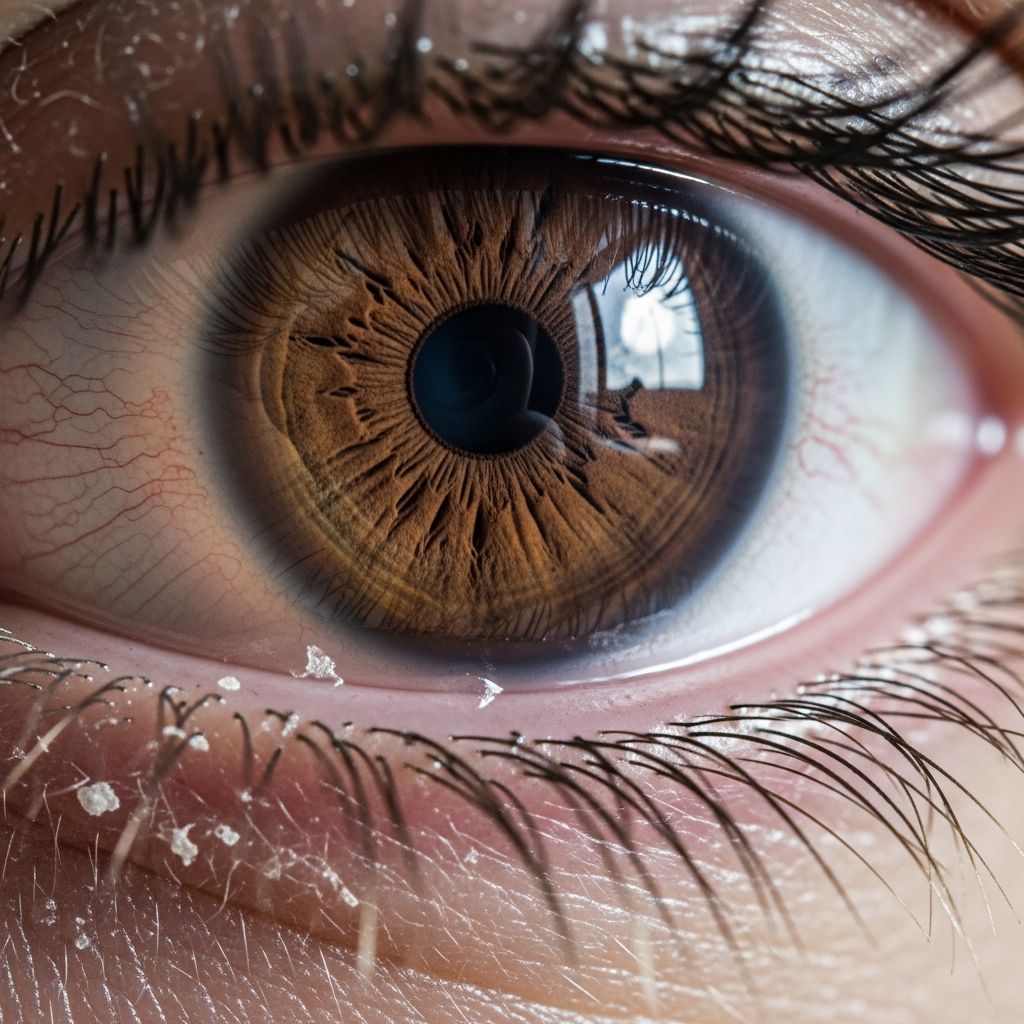
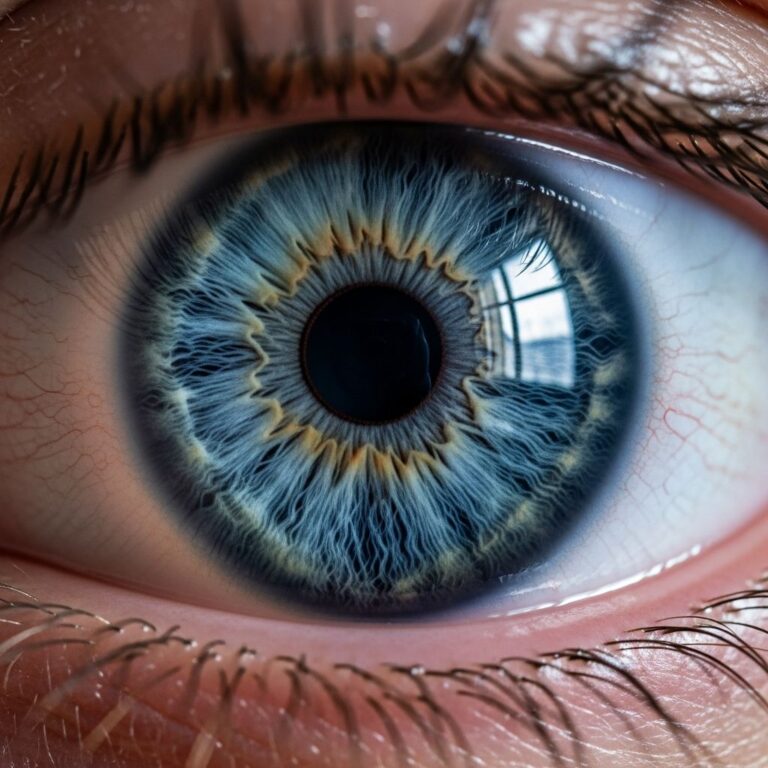
Dry eye disease (DED) is a multifactorial condition characterized by insufficient tear production or excessive tear evaporation, leading to ocular surface damage, discomfort, and visual disturbances. According to the Dry Eye Workshop II (DEWS II), it affects over 16 million adults in the U.S. alone, with prevalence increasing with age and certain risk factors.
What Is Dry Eye?
Dry eye occurs when the tear film—a thin layer covering the eye’s surface composed of water, oils, and mucus—fails to lubricate adequately. This results in symptoms like burning, itching, redness, blurred vision, and light sensitivity. The condition disrupts the ocular surface balance, often accompanied by inflammation and elevated tear osmolarity. There are two main types: aqueous-deficient (low tear production) and evaporative (rapid tear loss, often due to meibomian gland dysfunction or MGD).
Early recognition is crucial as chronic dry eye can lead to corneal damage, infections, and vision impairment if untreated. Risk factors span demographics, health conditions, medications, and behaviors.
Age
Aging is one of the strongest risk factors for dry eye. Tear production declines naturally after age 40, with significant drops in women post-menopause. Studies show prevalence rises from 10-15% in younger adults to over 30% in those over 65. This stems from reduced lacrimal gland function, meibomian gland atrophy, and slower corneal nerve regeneration.
- Older adults experience increased tear evaporation and osmolarity due to lipid layer instability.
- Menopausal hormonal shifts exacerbate symptoms in women.
- Pediatric cases, though rarer, link to nutritional deficiencies or congenital issues.
Sex
Women are 1.5-2 times more likely to develop dry eye than men, particularly post-menopause. Estrogen fluctuations during menstrual cycles, pregnancy, and menopause reduce tear stability and secretion. Androgens, which regulate meibomian glands, also decline.
- Follicular phase estrogen peaks correlate with dryness and irritation.
- Autoimmune diseases like Sjögren’s syndrome disproportionately affect women.
- Contact lens use and cosmetics, more common in women, contribute iatrogenically.
Autoimmune Diseases
Autoimmune conditions are major drivers of aqueous-deficient dry eye. Sjögren’s syndrome, affecting 1-4 million Americans, primarily women, destroys lacrimal glands. Other links include rheumatoid arthritis (RA), systemic lupus erythematosus (SLE), and thyroid disorders.
| Condition | Prevalence in DED Patients | Mechanism |
|---|---|---|
| Sjögren’s Syndrome | Up to 20% | Lacrimal gland infiltration |
| Rheumatoid Arthritis | 15-25% | Inflammation of ocular surface |
| SLE | 10-15% | Autoantibody-mediated damage |
| Thyroid Disease | 5-10% | Hormonal imbalance |
These diseases cause moderate-to-severe DED, often requiring systemic treatment alongside eye therapies.
Medications
Over 300 medications induce or worsen dry eye by reducing tear production or altering tear composition. Antihistamines, antidepressants, and antihypertensives top the list.
- Anticholinergics (e.g., for allergies, overactive bladder) inhibit lacrimal secretion.
- Antidepressants like SSRIs affect nerve signaling to glands.
- Isotretinoin for acne causes MGD.
- Aspirin and diuretics show associations in population studies.
Polypharmacy in older adults amplifies risk; consulting providers for alternatives is advised.
Related Stories



Screen Time
Prolonged digital device use, dubbed “computer vision syndrome,” blinks rates from 15-20/min to 4-6/min, accelerating evaporation. Blue light and reduced humidity compound issues. The 20-20-20 rule (every 20 min, look 20 ft away for 20 sec) helps mitigate.
Post-pandemic remote work has spiked cases, with surveys showing 60-80% of users reporting symptoms.
Contact Lenses
Lenses reduce oxygen to the cornea, induce hypoxia, and mechanically disrupt tear film. Extended wear heightens evaporative loss and inflammation. Soft lenses evaporate tears faster; solutions with preservatives irritate further.
- Daily disposables lower risk vs. reusables.
- Orthokeratology (overnight lenses) can worsen MGD.
Eye Surgeries
Refractive surgeries like LASIK sever corneal nerves, temporarily slashing tear production (up to 6-12 months). Cataract and glaucoma procedures also disrupt innervation.
- Post-LASIK dry eye affects 20-50% of patients.
- Presurgical screening and punctal plugs aid prevention.
Allergies
Ocular allergies trigger inflammation, goblet cell loss, and reflex tearing masking deficiency. Rubbing worsens damage. Antihistamine drops paradoxically dry eyes.
Environmental Factors
Low humidity, wind, air conditioning, and pollution evaporate tears rapidly. Indoor heating in winter mimics desert conditions.
- Office workers in dry climates report 2x higher rates.
- Protective eyewear and humidifiers recommended.
Smoking
Tobacco smoke irritates directly and systemically impairs glands. Smokers have 2x odds of DED; pack-years correlate with severity.
Alcohol
Heavy past consumption links to higher prevalence, likely via dehydration and inflammation. Current moderate use shows no strong tie.
Other Health Conditions
Diabetes alters nerves and osmolarity; rosacea causes MGD; vitamin A deficiency (rare in developed nations) leads to squamous metaplasia. Stevens-Johnson syndrome devastates mucosa in kids.
- Meibomian gland dysfunction underlies 80% evaporative cases.
- Post-menopausal hormone therapy mixed effects.
Frequently Asked Questions (FAQs)
What is the most common cause of dry eye?
Meibomian gland dysfunction (MGD) drives most evaporative dry eye cases, accounting for over 80% when combined with aqueous deficiency.
Does screen time really cause dry eye?
Yes, reduced blinking during screen use destabilizes the tear film; follow the 20-20-20 rule to prevent.
Can medications cause permanent dry eye?
Usually reversible upon discontinuation, but chronic use in polypharmacy heightens risk.
Is dry eye more common in women?
Yes, due to hormonal changes and higher autoimmune prevalence; post-menopausal women are at peak risk.
How does aging contribute to dry eye?
Tear volume drops, evaporation rises from gland atrophy; prevalence doubles after 60.
References
- Dry Eye Disease: An Overview of Its Risk Factors, Diagnosis, and … — PMC/NCBI. 2024. https://pmc.ncbi.nlm.nih.gov/articles/PMC10934010/
- Prevalence of and Risk Factors for Dry Eye Syndrome — JAMA Ophthalmology. 1993-04-12. https://jamanetwork.com/journals/jamaophthalmology/fullarticle/413594
- Top 5 Dry Eye Disease Complications — Health Central. 2023. https://www.healthcentral.com/chronic-health/5-complications-from-dry-eye-disease
Similar Articles








Read full bio of Sneha Tete