Dry Eye Diagnosis: 5 Key Tests, Symptoms, And Treatments
Learn how dry eye is diagnosed, from symptoms and risk factors to advanced tests and treatments for effective relief.
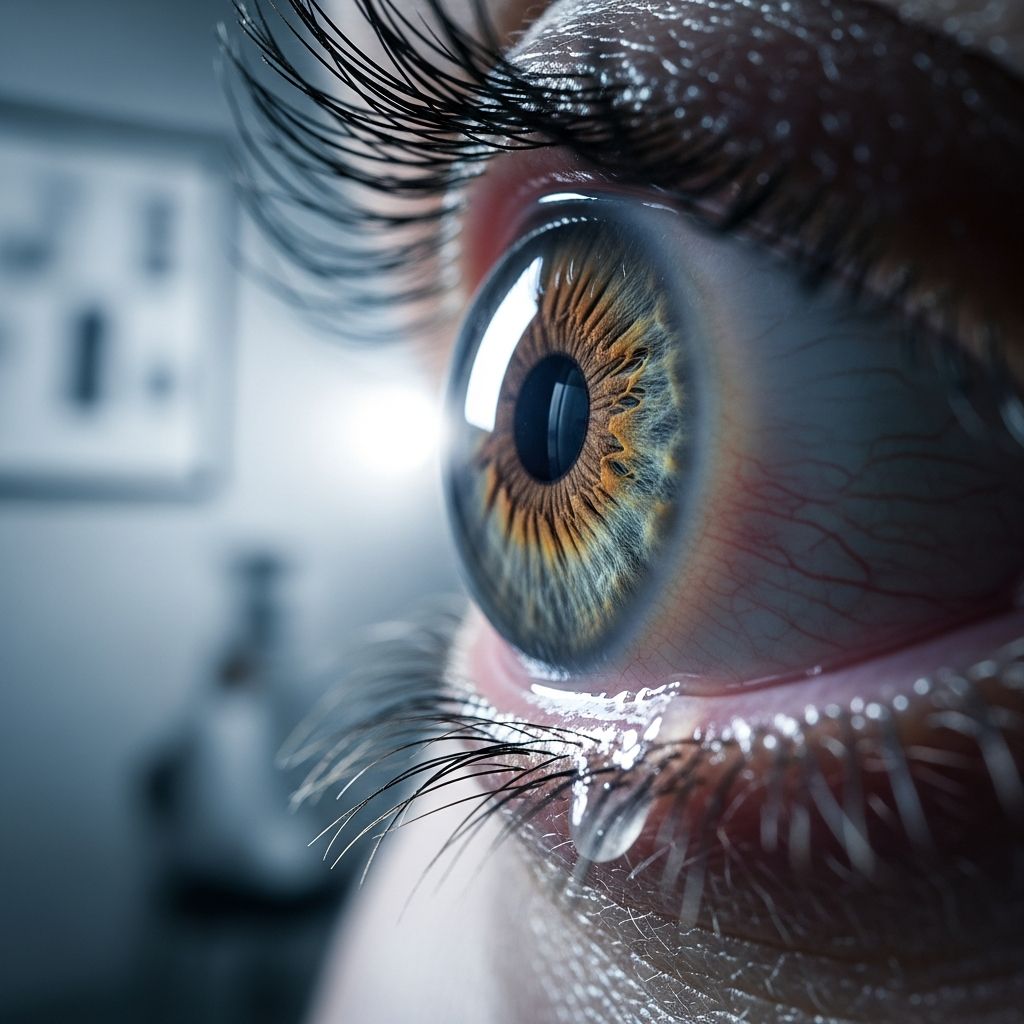
Dry eye disease (DED) is a common condition affecting millions, characterized by insufficient tear production or excessive evaporation, leading to ocular surface discomfort and potential vision issues. Accurate diagnosis is crucial for effective management, involving symptom assessment, risk factor evaluation, and specific clinical tests.
What Is Dry Eye?
Dry eye disease is a multifactorial disorder of the ocular surface and tear homeostasis, resulting in discomfort, pain, and visual disturbances. It involves loss of tear film stability, often leading to hyperosmolarity that damages the ocular surface. Symptoms extend beyond simple dryness to include irritation, burning, foreign body sensation, blurred vision, and light sensitivity. The condition disproportionately affects women and increases with age, potentially becoming chronic if untreated, significantly impacting quality of life.
DED arises from two primary mechanisms: aqueous deficient dry eye (ADDE), where tear volume is reduced due to lacrimal gland issues, and evaporative dry eye (EDE), caused by increased evaporation from meibomian gland dysfunction (MGD). Most patients exhibit a mix of both.
Symptoms of Dry Eye
Recognizing symptoms is the first step in diagnosis. Common signs include:
- Persistent dryness or grittiness in the eyes
- Burning or stinging sensation
- Redness and irritation
- Blurred or fluctuating vision
- Excessive tearing as a reflex response
- Sensitivity to light, wind, or air conditioning
- Eye fatigue after reading or screen use
Symptoms often worsen in low-humidity environments or with prolonged visual tasks. Questionnaires like the Ocular Surface Disease Index (OSDI) quantify severity, with scores ≥13 indicating clinical dry eye, 23-32 moderate, and ≥33 severe.
Risk Factors for Dry Eye
Several factors heighten DED risk:
- Age and Gender: Prevalence rises with age; women are affected more due to hormonal changes.
- Autoimmune Diseases: Sjögren’s syndrome, rheumatoid arthritis (RA), systemic lupus erythematosus (SLE) cause ADDE via lacrimal gland inflammation.
- Systemic Conditions: Diabetes, thyroid eye disease, and chronic pain syndromes correlate with higher OSDI scores.
- Environmental: Low humidity, screen time, contact lenses.
- Lifestyle: Medications like antihistamines, smoking, refractive surgeries.
In SLE, immune complex deposition leads to secondary Sjögren’s, affecting 20% of patients. Thyroid eye disease causes incomplete blinking and evaporation issues, independent of thyroid treatment.
Types of Dry Eye
Dry eye is classified into:
| Type | Description | Common Causes |
|---|---|---|
| Aqueous Deficient (ADDE) | Reduced tear production | Sjögren’s, RA, aging, diabetes |
| Evaporative (EDE) | Excessive tear evaporation | Meibomian gland dysfunction (MGD), blepharitis |
| Mixed | Combination of both | Most common presentation |
ADDE features low tear volume with normal evaporation, while EDE shows normal volume but rapid breakup.
How Is Dry Eye Diagnosed?
Diagnosis combines patient history, symptom questionnaires, and objective tests. No single test confirms DED; a multifaceted approach identifies tear instability and surface damage.
Patient History and Questionnaires
Clinicians assess symptom frequency, severity, and triggers using tools like OSDI or SPEED questionnaire.
Clinical Tests
- Tear Break-Up Time (TBUT): Fluorescein dye reveals tear film stability; <10 seconds indicates instability.
- Schirmer Test: Measures tear production; <5mm in 5 minutes suggests ADDE.
- Tear Osmolarity: >308 mOsm/L or inter-eye difference >8 signals hyperosmolarity.
- Ocular Surface Staining: Fluorescein or lissamine green highlights corneal/conjunctival damage.
- Meibomian Gland Evaluation: Slit-lamp exam checks gland function and lipid layer.
Related Stories



These tests differentiate ADDE, EDE, or mixed types for targeted therapy.
Treatment Options for Dry Eye
Treatment addresses underlying causes, restores tear balance, and controls inflammation.
Non-Pharmacologic Approaches
- Artificial tears (preservative-free for frequent use)
- Warm compresses and lid hygiene for MGD
- Punctal plugs to retain tears
- Humidifiers and blink reminders
Pharmacologic Treatments
First-Line: Lubricants for symptom relief.
Anti-Inflammatories:
- Cyclosporine (0.05-0.09%) or lifitegrast drops to reduce T-cell inflammation.
- Short-term corticosteroids (loteprednol) for acute flares.
Treatments may take weeks for effect; adherence challenges include stinging and cost.
When to See a Doctor
Seek care if symptoms persist despite OTC drops, interfere with daily life, or accompany vision loss/redness. Early intervention prevents progression.
Prevention Tips
- Follow the 20-20-20 rule for screen users.
- Stay hydrated and use humidifiers.
- Avoid smoke and irritants.
- Manage comorbidities like allergies.
Frequently Asked Questions (FAQs)
What causes dry eye disease?
Causes include reduced tear production (ADDE), excessive evaporation (EDE from MGD), inflammation, and risk factors like age, hormones, and autoimmune conditions.
How do doctors test for dry eye?
Tests include TBUT, Schirmer, osmolarity, staining, and gland assessment to evaluate tear quality and ocular surface health.
Can dry eye be cured?
It’s often managed long-term rather than cured, but symptoms improve with consistent treatment targeting inflammation and tear preservation.
Are there home remedies for dry eye?
Yes: artificial tears, warm compresses, lid scrubs, omega-3 supplements, and environmental modifications provide relief.
Does screen time worsen dry eye?
Yes, reduced blinking during screen use destabilizes the tear film, exacerbating symptoms.
Living with Dry Eye
Chronic DED requires ongoing management. Track symptoms, adhere to therapy, and follow up regularly. Advances in nanomicellar formulations improve tolerability. Lifestyle integration ensures better outcomes and quality of life.
References
- Dry Eye Disease: Consideration for Women’s Health — PMC/NCBI. 2019-04-01. https://pmc.ncbi.nlm.nih.gov/articles/PMC6482917/
- Dry Eye Disease: Pathophysiology, Impact, and Standard of Care — The American Journal of Managed Care (AJMC). 2024-01-01. https://www.ajmc.com/view/dry-eye-disease-pathophysiology-impact-and-standard-of-care
Similar Articles








Read full bio of Sneha Tete