Dry Eye: Causes, Symptoms, and Treatment Options
Complete guide to understanding dry eye syndrome, its causes, symptoms, and effective treatment strategies.
What Is Dry Eye?
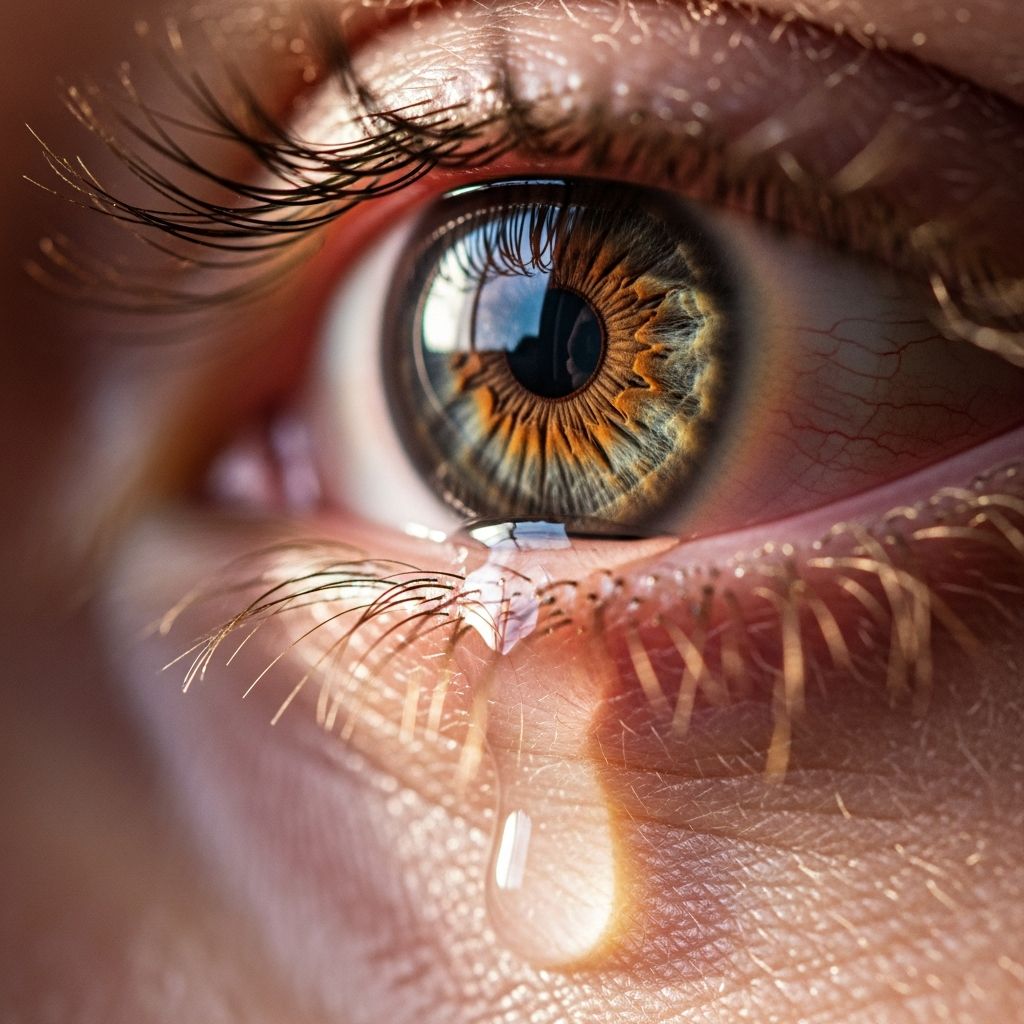
Dry eye syndrome, also known as keratoconjunctivitis sicca (KCS), is a common eye condition affecting millions of people worldwide. It occurs when your eyes don’t produce enough quality tears to maintain proper lubrication and moisture. Tears are essential for maintaining eye health, protecting the cornea, and ensuring clear vision. When tear production is insufficient or tears evaporate too quickly, the surface of your eye becomes dry, irritated, and uncomfortable.
Dry eye can range from mild and occasionally bothersome to severe and significantly impacting your daily activities. The condition may develop gradually or appear suddenly, depending on underlying causes. Understanding what dry eye is and how it develops can help you identify symptoms early and seek appropriate treatment.
Types of Dry Eye
Medical professionals recognize two primary types of dry eye, each resulting from different mechanisms:
Aqueous-Deficient Dry Eye
This type occurs when your lacrimal glands fail to produce sufficient tears. The lacrimal glands, located above your eyes, are responsible for tear production. When these glands become damaged or don’t function properly, tear production decreases significantly. Common causes include autoimmune diseases like Sjögren’s syndrome, graft-versus-host disease (GVHD), and certain medications. Individuals with aqueous-deficient dry eye typically experience moderate to severe symptoms because the tear film is insufficient.
Evaporative Dry Eye
Evaporative dry eye develops when tears evaporate too quickly from the eye’s surface, even though tear production may be adequate. This usually occurs due to problems with the lipid (oil) layer of your tears. Meibomian glands along your eyelid margin produce oils that coat tears and prevent evaporation. When these glands become clogged or dysfunctional (meibomian gland dysfunction), tears evaporate rapidly. This type is more common than aqueous-deficient dry eye and often develops due to environmental factors, eyelid problems, or lifestyle habits.
Common Causes of Dry Eye
Dry eye can result from numerous factors, ranging from environmental conditions to underlying medical conditions. Identifying the cause is crucial for determining the most effective treatment approach.
Medical Conditions
- Sjögren’s Syndrome: An autoimmune disorder primarily affecting salivary and lacrimal glands, significantly reducing tear production
- Rheumatoid Arthritis: Can affect tear gland function and increase dry eye risk
- Lupus: May cause inflammation affecting tear production and quality
- Graft-versus-Host Disease: A complication following bone marrow transplantation causing severe dry eye
- Diabetes: Associated with reduced tear production and altered tear composition
- Thyroid Disorders: Can affect tear gland function and eyelid position
Medications
Numerous medications can contribute to dry eye development as a side effect. Antihistamines, decongestants, antidepressants, blood pressure medications, and acne treatments (particularly isotretinoin) are known culprits. If you suspect your medications are causing dry eye, consult with your healthcare provider about alternatives rather than stopping medications independently.
Related Stories



Environmental and Lifestyle Factors
- Prolonged screen time reducing blink frequency
- Dry indoor air from heating systems or air conditioning
- Exposure to wind and smoke
- Low humidity environments
- Excessive contact lens wear
- Poor sleep quality affecting tear production
- Smoking and secondhand smoke exposure
Age and Hormonal Changes
Tear production naturally decreases with age, making dry eye more common in individuals over 50. Hormonal changes during menopause can also reduce tear production and alter tear composition, particularly when estrogen levels decline. Pregnancy and oral contraceptive use may similarly affect tear quality.
Recognizing Dry Eye Symptoms
Dry eye symptoms vary widely among individuals and can range from subtle to severely disruptive. Recognizing these symptoms early enables prompt intervention and management.
Common Symptoms Include:
- Stinging or burning sensation in the eyes
- Grittiness or foreign body sensation
- Red, irritated eyes
- Excessive tearing (paradoxically, as a reflex response)
- Blurred or fluctuating vision
- Light sensitivity (photophobia)
- Discomfort with contact lens wear
- Eye fatigue, especially after screen use
- Mucus discharge from the eyes
- Difficulty with nighttime driving
Symptoms often worsen in dry environments, during extended screen use, or when performing activities requiring sustained visual concentration. Some people experience more severe symptoms in the morning or evening, while others notice consistent discomfort throughout the day.
Diagnosis and Evaluation
Accurately diagnosing dry eye requires a comprehensive eye examination by an optometrist or ophthalmologist. Several diagnostic tests can assess tear production and quality:
Diagnostic Tests
Schirmer Test: This test measures tear production by placing absorbent strips under the lower eyelid for five minutes. Less than 5mm of moisture on the strip may indicate aqueous-deficient dry eye.
Tear Osmolarity Test: Evaluates tear salt concentration to assess tear quality and stability.
Ocular Staining: Uses special dyes to visualize damage to the cornea and conjunctiva, helping determine severity.
Meibography: Imaging technique that visualizes meibomian glands to assess their function and structure.
Tear Breakup Time (TBUT): Measures how long tears remain stable on the eye surface before breaking apart.
Treatment Options for Dry Eye
Treatment approaches vary based on dry eye severity, underlying causes, and individual patient needs. Most cases can be managed with conservative treatments, though severe cases may require advanced interventions.
Artificial Tears and Lubricants
Over-the-counter artificial tears provide temporary relief by supplementing natural tears. These come in various formulations, from basic solutions to advanced formulas containing electrolytes or hyaluronic acid. Preservative-free versions are recommended for frequent use to avoid irritation from preservatives.
Prescription Medications
Cyclosporine (Restasis): Reduces inflammation and increases tear production, particularly beneficial for aqueous-deficient dry eye.
Lifitegrast (Xiidra): An immunosuppressant reducing inflammation on the eye’s surface.
Corticosteroid Eye Drops: Used short-term to reduce inflammation during acute flare-ups.
Meibomian Gland Management
For evaporative dry eye caused by meibomian gland dysfunction, warm compresses applied to eyelids can help liquify blocked oils. Professional treatments like meibomian gland expression or thermal pulsation devices may provide more substantial relief.
Punctal Plugs
These tiny devices inserted into tear drainage ducts help preserve natural tears by blocking drainage, keeping eyes more moist. Plugs can be temporary (dissolvable) or permanent (removable).
Lifestyle Modifications
- Take regular breaks from screen time using the 20-20-20 rule (every 20 minutes, look at something 20 feet away for 20 seconds)
- Increase indoor humidity using humidifiers
- Blink consciously, especially during focused activities
- Stay hydrated by drinking adequate water
- Protect eyes from wind and dry air with wraparound sunglasses
- Remove makeup before sleeping
- Avoid smoking and secondhand smoke
- Maintain proper contact lens hygiene if applicable
Advanced Treatments
For severe, refractory dry eye not responding to conventional treatments, additional options include amniotic membrane transplantation, scleral contact lenses, or specialized procedures like intense pulsed light (IPL) therapy to improve meibomian gland function.
When to See an Eye Care Professional
Consult an eye care specialist if you experience persistent eye discomfort, vision changes, or symptoms not improving with over-the-counter drops. Seek immediate care if you develop severe pain, significant vision loss, or eye injury, as these may indicate serious conditions requiring urgent evaluation.
Frequently Asked Questions
Q: Can dry eye be cured?
A: While dry eye cannot always be permanently cured, symptoms can be effectively managed with appropriate treatment. Many cases improve significantly with lifestyle modifications and consistent care. Treatment focuses on addressing underlying causes and maintaining eye moisture and comfort.
Q: Is dry eye serious?
A: Mild to moderate dry eye is typically not serious but can significantly impact quality of life. However, severe untreated dry eye can lead to corneal scarring, infection, or vision problems. Proper management prevents complications and maintains eye health.
Q: Does drinking water help dry eye?
A: Staying well-hydrated supports overall tear production and quality. While drinking water alone won’t cure dry eye, adequate hydration is part of a comprehensive management approach.
Q: Are contact lenses safe with dry eye?
A: Contact lens wear can be challenging with dry eye but isn’t impossible. Consider discussing with your eye care provider about switching to different lens types, such as scleral lenses designed for dry eyes, or using additional lubricants.
Q: How long does dry eye treatment take to work?
A: Treatment timelines vary. Artificial tears provide immediate relief, while prescription medications may take 2-4 weeks to show effectiveness. Lifestyle modifications provide cumulative benefits over weeks to months.
Q: Is dry eye worse in winter?
A: Yes, dry indoor heating and cold outdoor air reduce humidity, often worsening dry eye symptoms during winter months. Use humidifiers and take extra preventive measures during this season.
References
- Dry Eye Disease — National Eye Institute (NEI), National Institutes of Health. 2024. https://www.nei.nih.gov/learn-about-eye-health/eye-conditions-and-diseases/dry-eye
- Sjögren’s Syndrome: Epidemiology, Pathophysiology, and Management — American Academy of Ophthalmology. 2023. https://www.aao.org
- Meibomian Gland Dysfunction: Clinical Presentation and Management — PubMed Central, U.S. National Library of Medicine. 2023. https://www.ncbi.nlm.nih.gov/pmc/articles/PMC9752074/
- Cyclosporine Ophthalmic Emulsion for the Treatment of Dry Eye Disease — FDA Prescribing Information. 2024. https://www.fda.gov
- Lifitegrast in the Treatment of Dry Eye Disease — Clinical Ophthalmology Journal. 2023. https://www.dovepress.com/clinical-ophthalmology-journal
- Digital Eye Strain and Dry Eye: Understanding Screen-Related Vision Problems — American Optometric Association. 2024. https://www.aoa.org
Similar Articles








Read full bio of Sneha Tete