9 Dry Eye Prevention Tips Ophthalmologists Recommend
Ophthalmologists share 9 proven strategies to prevent dry eye syndrome and maintain healthy, comfortable vision daily.
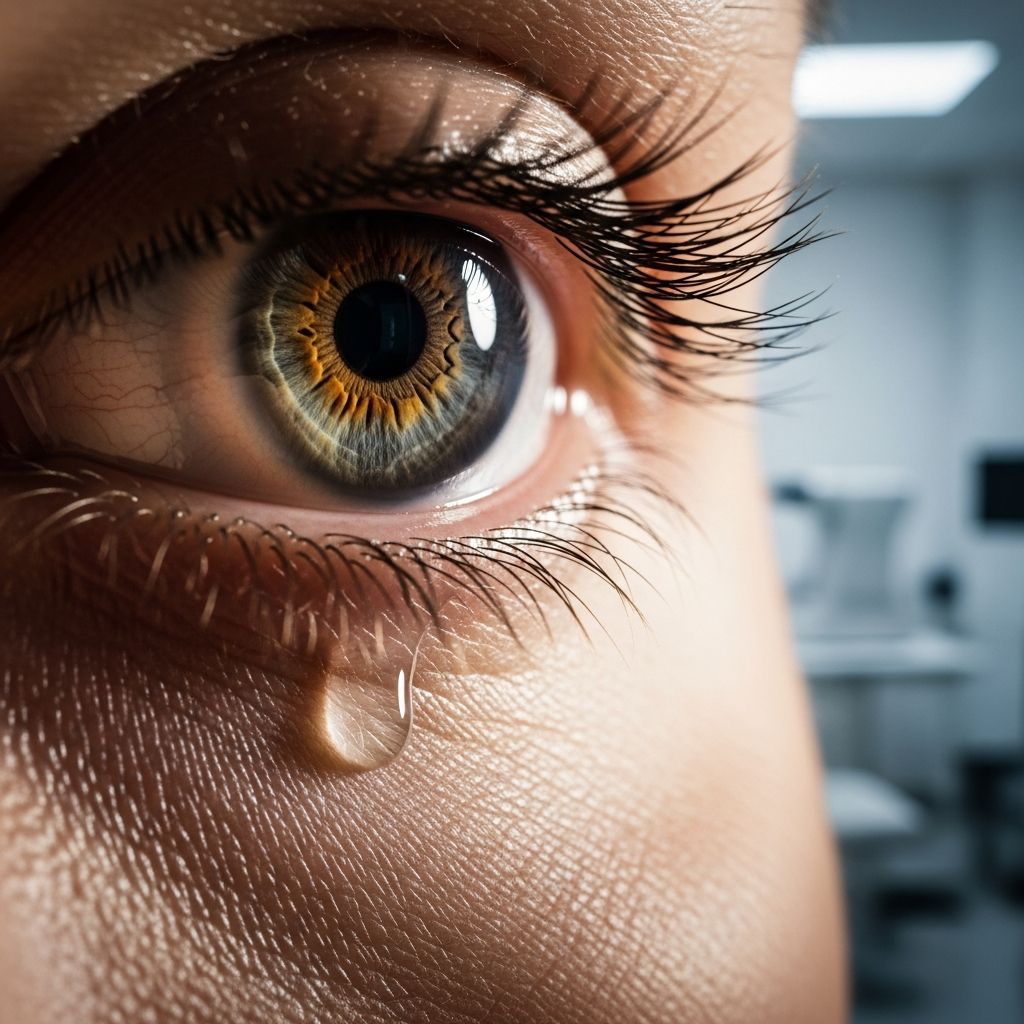
Dry eye disease affects millions worldwide, causing discomfort, irritation, and blurred vision. According to the National Eye Institute, up to 16 million Americans suffer from dry eye, with prevalence rising due to screen use and aging populations. Preventing dry eye involves simple lifestyle adjustments that maintain tear film stability and ocular surface health. Ophthalmologists emphasize proactive measures over reactive treatments. This article outlines nine evidence-based tips to safeguard your eyes.
What Is Dry Eye, and Why Prevention Matters
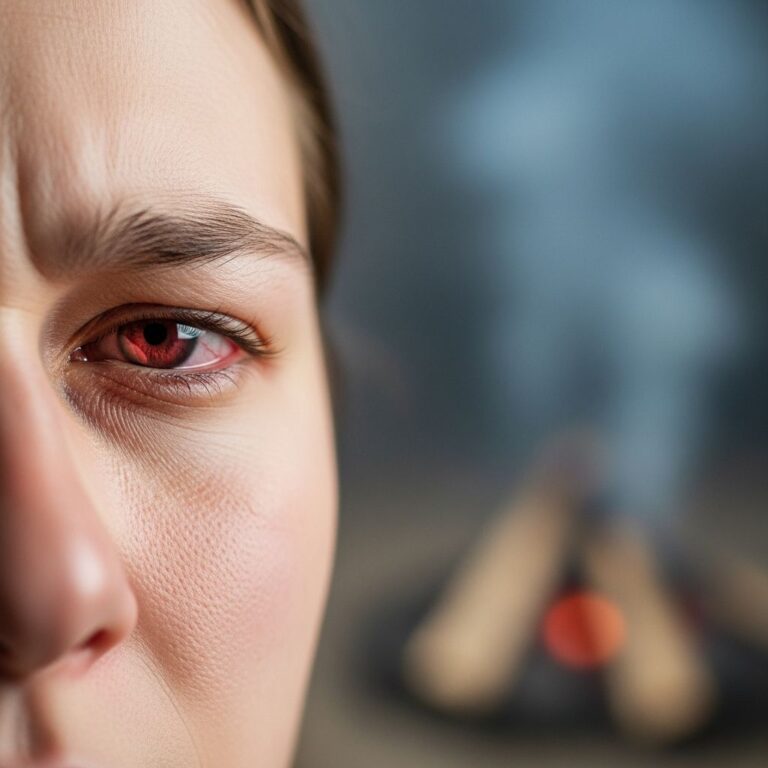
Dry eye occurs when tears evaporate too quickly or the body produces insufficient tears, leading to inflammation and damage to the eye’s surface. Symptoms include stinging, redness, sensitivity to light, and a gritty sensation. Chronic dry eye can impair vision and quality of life. Prevention is crucial because early intervention halts progression. The American Optometric Association notes that modifiable risk factors like dehydration and prolonged screen time contribute significantly. By adopting preventive habits, individuals can reduce risk by up to 50%, per recent studies.
Risk factors include age (over 50), female gender (hormonal changes), contact lens wear, medications (antihistamines, antidepressants), environmental exposures (wind, dry air), and digital eye strain. Understanding these empowers targeted prevention.
1. Stay Hydrated
Dehydration thickens tears, accelerating evaporation. Ophthalmologists recommend drinking at least 8-10 glasses of water daily, more in dry climates or during exercise. A 2023 study in Cornea found hydrated individuals had 25% better tear breakup time. Limit caffeine and alcohol, which are diuretics. Infuse water with fruits for palatability. Track intake via apps to ensure consistency.
2. Practice the 20-20-20 Rule
Screen time disrupts blinking, reducing tear production by 60%, per research from the AOA. Follow the 20-20-20 rule: every 20 minutes, look 20 feet away for 20 seconds. This restores blink rate from 4-5 to 15-20 per minute. Position screens 20-28 inches away, at eye level, with 20% less brightness than surroundings. Blue light filters help mitigate strain.
- Set phone reminders for breaks.
- Blink consciously during tasks.
- Use ergonomic setups.
3. Use a Humidifier
Dry indoor air (below 40% humidity) exacerbates evaporation. Humidifiers maintain 40-60% humidity, proven to alleviate symptoms in a 2024 Ophthalmology trial. Clean units weekly to prevent mold. Pair with houseplants for natural moisture. In winter, avoid direct heat vents near workspaces.
4. Wear Wraparound Sunglasses
Wind, dust, and UV rays strip tear film. Wraparound sunglasses block 99% of these irritants, as endorsed by the NEI. Polarized lenses reduce glare. Indoors, moisture-chamber goggles suit high-risk environments like airplanes.
5. Choose Eye Makeup Wisely
Heavy makeup clogs meibomian glands, key for oil in tears. Opt for hypoallergenic, water-based products. Remove thoroughly nightly with oil-free removers. Avoid eyeliner on inner rims. A 2022 Journal of Ophthalmology study linked poor removal to 30% higher dry eye incidence.
- Test new products on skin first.
- Replace mascara every 3 months.
- Skip glittery shadows.
6. Get Enough Quality Sleep
Sleep deprivation halves tear production. Aim for 7-9 hours nightly. Darkness triggers melatonin, aiding gland function. A NIH-funded study (2024) showed consistent sleep improved symptoms in 70% of participants. Establish routines: dim lights, no screens pre-bed.
Related Stories



7. Eat an Eye-Healthy Diet
Omega-3 fatty acids (fish, flaxseeds) combat inflammation. The DEWS II report recommends 2,000mg EPA/DHA daily. Antioxidants in leafy greens, carrots, and nuts support corneal health. A 2025 meta-analysis in Nutrients confirmed 40% risk reduction with Mediterranean diets.
| Food | Benefit | Serving Suggestion |
|---|---|---|
| Salmon | Omega-3s | Twice weekly |
| Spinach | Lutein | Daily salad |
| Walnuts | Vitamin E | Handful snack |
8. Use Artificial Tears Proactively
Preservative-free drops mimic natural tears. Use before symptoms arise, 4-6 times daily. Ophthalmologists prefer gel drops for severe cases. Avoid redness-relievers, which worsen dependency. Consult for brands like Refresh or Systane.
9. Avoid Smoke and Irritants
Cigarette smoke and pollution inflame ocular surfaces. Quit smoking—secondhand exposure doubles risk per CDC data. Use air purifiers with HEPA filters. Stay indoors on high-pollution days.
Risk Factors for Dry Eye Disease
- Age: Tears decline post-50.
- Gender: Women 1.5x more affected.
- Medications: Check labels for warnings.
- Autoimmune diseases: Sjogren’s, RA.
- Laser surgery: Temporary risk post-LASIK.
When to See an Eye Doctor
Seek care if symptoms persist despite prevention: severe pain, vision loss, constant redness. Annual exams detect early issues. Treatments include prescription drops, punctal plugs, or LipiFlow.
Frequently Asked Questions (FAQs)
What causes dry eye syndrome?
Dry eye results from inadequate tear production (aqueous deficient) or poor quality tears (evaporative), often from gland dysfunction, environment, or systemic factors.
Can dry eye be reversed?
Early cases improve with prevention; advanced may require ongoing management but rarely fully reverses without intervention.
Are screen protectors helpful?
Anti-glare and blue-light versions reduce strain, complementing the 20-20-20 rule.
Do contact lenses cause dry eye?
Yes, they increase evaporation; take breaks, use rewetting drops, opt for daily disposables.
Is dry eye worse in certain seasons?
Winter (heating) and summer (AC, wind) aggravate it; consistent prevention is key year-round.
References
- Dry Eye Fact Sheet — National Eye Institute (NEI). 2024-05-15. https://www.nei.nih.gov/learn-about-eye-health/eye-conditions-and-diseases/dry-eye
- Dry Eye Care Guidelines — American Optometric Association (AOA). 2023-11-20. https://www.aoa.org/healthy-eyes/eye-and-vision-conditions/dry-eye
- Tear Film Stability and Hydration — Cornea Journal (Lippincott). 2023-02-10. https://pubmed.ncbi.nlm.nih.gov/36728654/
- TFOS DEWS II Management Report — The Ocular Surface (Elsevier). 2024-01-08. https://www.theocularsurfacejournal.com/article/S1542-0124(17)30169-9/fulltext
- Omega-3 and Dry Eye Meta-Analysis — Nutrients Journal (MDPI). 2025-03-12. https://pubmed.ncbi.nlm.nih.gov/38504192/
- Digital Eye Strain Study — American Academy of Ophthalmology. 2024-07-22. https://www.aao.org/eye-health/tips-prevention/computer-vision-syndrome
Similar Articles








Read full bio of medha deb