Dry Eye Prevention: Comprehensive Guide For Lasting Eye Comfort
Expert tips to prevent and manage dry eye symptoms triggered by environment, screens, and lifestyle factors for lasting comfort.
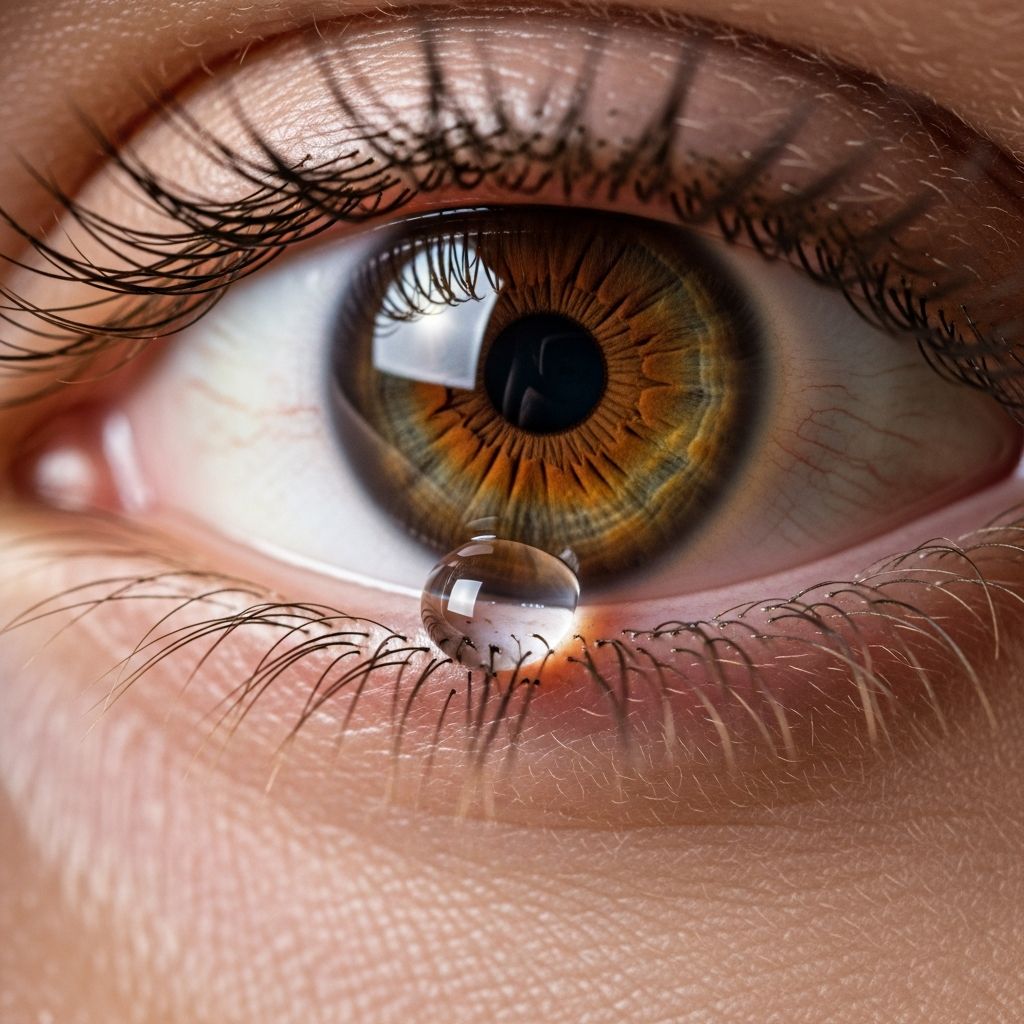
Dry eye occurs when your tears fail to provide adequate lubrication, leading to irritation, burning, and blurred vision. Preventing dry eye involves addressing environmental triggers, adopting protective habits, and using targeted treatments to maintain a stable tear film.
What Causes Dry Eye?
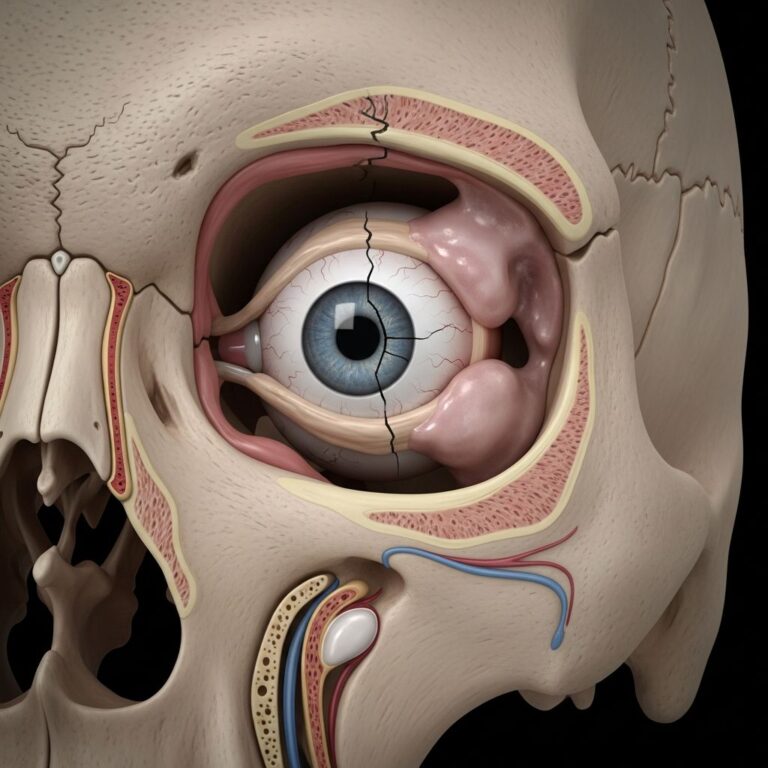
The tear film consists of three layers: mucus, water, and oil. Imbalances in any layer cause evaporation or inadequate moisture, triggering symptoms. Common culprits include low humidity, which reduces water content in tears; airborne particles that irritate the surface and spark inflammation; and pollutants disrupting the oily layer that seals moisture.
Air conditioning and heating systems exacerbate dryness by stripping humidity from indoor air. Cold outdoor air holds less moisture, and sudden temperature shifts destabilize the tear film. Screen use reduces blinking by up to 60%, accelerating evaporation.
Environmental Factors That Trigger Dry Eye
Indoor and outdoor environments play a major role in dry eye. Low humidity from AC units, heaters, and arid climates speeds tear evaporation. Wind, dust, and smoke introduce irritants that inflame the ocular surface. Even office airflow from vents can dry eyes directly.
- **Low humidity:** Reduces tear water content, especially in winter or air-conditioned spaces.
- **Airborne irritants:** Dust, pollen, and smoke inflame eyes and disrupt tear stability.
- **Pollutants:** Chemicals break down the oil layer, leading to faster evaporation.
- **Temperature swings:** Cold air outdoors contrasts with dry indoor heat, shocking sensitive eyes.
- **Airflow:** Fans, vents, and wind increase evaporation rates.
At eye clinics like ReFocus Eye Health, patients frequently report worsening symptoms in low-humidity offices or during windy seasons.
Treatment and Management Options
Effective management starts with artificial tears, the cornerstone of relief. These lubricating drops replenish moisture and protect the eye surface. Opt for preservative-free versions if using more than four times daily to avoid irritation.
- Use drops proactively before entering dry environments, not just when symptoms appear.
- Avoid redness-relief drops; they cause rebound redness and don’t lubricate.
- Contact lens wearers should use rewetting drops compatible with lenses.
Prescription options target underlying issues:
- Immunomodulators like cyclosporine or lifitegrast reduce chronic inflammation over weeks.
- Varenicline nasal spray boosts natural tear production.
- Perfluorohexyloctane drops minimize evaporation in oil-deficient dry eye.
- Short-term steroid drops for severe flares, under supervision.
Using Humidifiers and Air Purifiers
Adding moisture combats environmental dryness effectively. Aim for 40-50% indoor humidity, monitored with a hygrometer. Humidifiers raise local moisture levels where you spend time.
| Type | Best For | Tips |
|---|---|---|
| Portable Humidifier | Bedrooms, desks | Clean weekly with distilled water to prevent mold. |
| Whole-House | Entire home | Integrates with HVAC; professional installation. |
| HEPA Air Purifier | Removing particles | Change filters regularly; reduces allergens and dust. |
These devices stabilize tears by maintaining optimal humidity and filtering irritants.
Everyday Habits to Protect Your Eyes
Small adjustments yield big results. Reposition desks away from vents, use fan guards, and take screen breaks. At home, lower thermostats slightly and avoid direct fan exposure at night.
Related Stories



- Close windows during high wind, smoke, or pollution events.
- Choose indoor activities on poor air quality days.
- Request seats away from vents when traveling.
- Wear wraparound sunglasses outdoors for wind protection.
Daily Self-Care Routine for Dry Eye Prevention
Consistent habits build resilient eyes. Start mornings with gentle eyelid washing to clear debris and stimulate oil glands. Follow with a warm compress (5-10 minutes, comfortably warm) to melt blockages.
- Hydrate: Drink ample water daily to support tear production.
- Artificial tears: Apply before dry exposures.
- Eye makeup: Remove fully before bed.
- Lid hygiene: Use cleansers or wipes daily.
- Nutrition: Consider omega-3s from fish or supplements (evidence mixed; consult a doctor).
Follow the 20-20-20 rule: Every 20 minutes, look 20 feet away for 20 seconds to restore blinking and refresh tears.
Ideal Conditions for Eye Health
Moderate humidity (40-60%), clean pollutant-free air, and stable mild temperatures foster healthy tears. Well-humidified spaces allow recovery from daily exposures.
Warnings: What to Avoid
Steer clear of redness-relief drops—they worsen dryness long-term. Limit time in extreme conditions like smoke or chemicals. Always prioritize lubrication over vasoconstriction.
Frequently Asked Questions (FAQs)
Can humidifiers really help dry eyes?
Yes, maintaining 40-50% humidity prevents excessive tear evaporation, providing significant relief.
How often should I use artificial tears?
As needed, especially preservative-free types more than 4x daily. Use preemptively in triggering environments.
Does screen time cause permanent dry eye?
No, but reduced blinking speeds evaporation. The 20-20-20 rule mitigates this effectively.
Are omega-3 supplements proven for dry eye?
Evidence is mixed; they may support the oil layer. Discuss with your eye doctor.
What if prevention tips don’t work?
Consult an eye specialist for prescriptions like anti-inflammatories or advanced drops.
This comprehensive guide empowers you to prevent dry eye through proactive steps. Consistent application leads to sustained comfort and eye health.
References
- Environmental Factors That Cause Dry Eye — ReFocus Eye Health Trappe. 2023. https://trappe.refocuseyedoctors.com/article/environmental-dry-eye-triggers/
- Dry Eye — National Eye Institute (NEI.gov). 2024-05-01. https://www.nei.nih.gov/learn-about-eye-health/eye-conditions-and-diseases/dry-eye
- Tear Film-Oriented Therapy for Dry Eye Disease — American Academy of Ophthalmology. 2025-02-15. https://www.aao.org/eyenet/article/tear-film-oriented-therapy-for-dry-eye-disease
- Management of Dry Eye Disease — PubMed (DOI: 10.1016/j.ophtha.2024.01.012). 2024-03-20. https://pubmed.ncbi.nlm.nih.gov/38490345/
- Environmental Triggers in Dry Eye — American Optometric Association. 2025-01-10. https://www.aoa.org/healthy-eyes/eye-and-vision-conditions/dry-eye
Similar Articles








Read full bio of Sneha Tete