Dry Eye Treatment Guide: Artificial Tears To Advanced Therapies
Explore effective treatments for dry eye disease, from artificial tears to advanced therapies like IPL and punctal plugs.
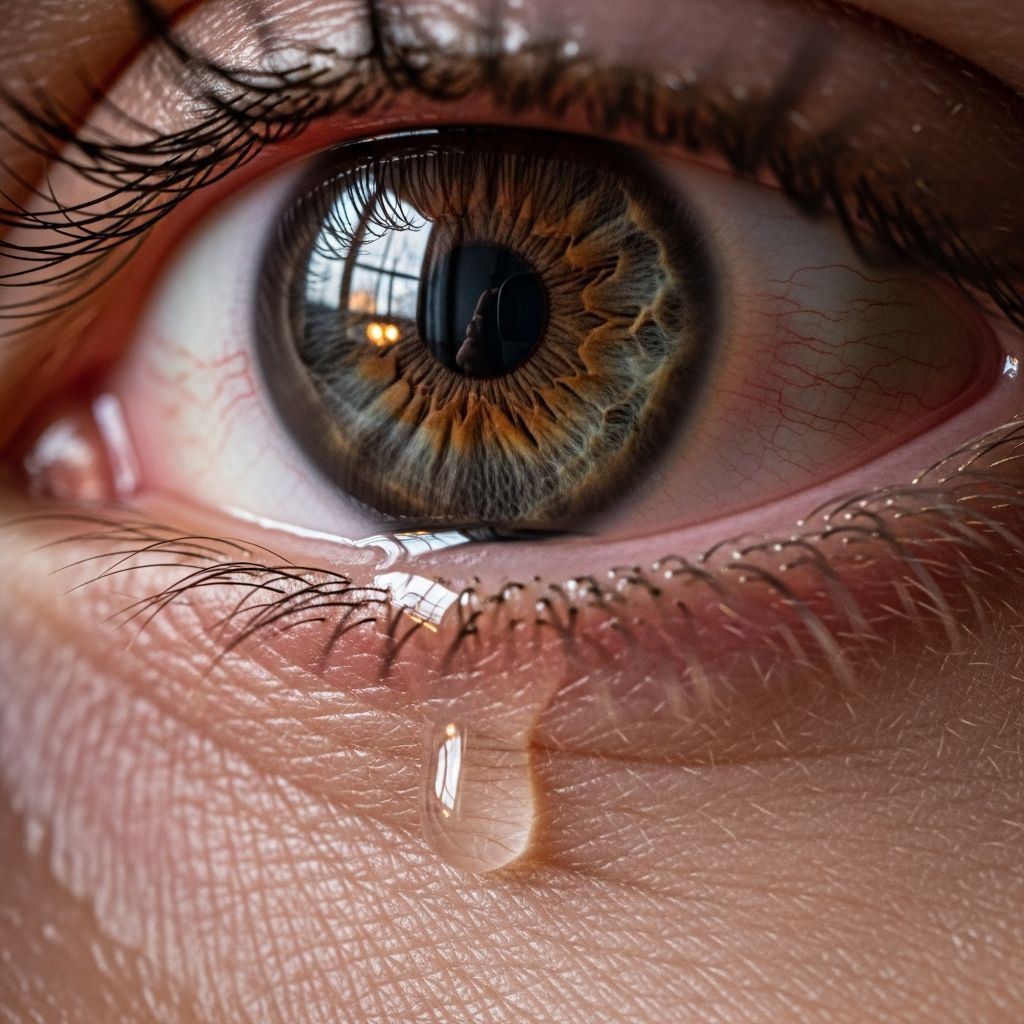
Dry eye disease (DED) is a multifactorial condition causing tear film instability, ocular surface damage, and symptoms like discomfort and visual disturbance. Treatments range from over-the-counter artificial tears to prescription anti-inflammatories and in-office procedures targeting underlying causes like inflammation or meibomian gland dysfunction (MGD).
What Is Dry Eye?
Dry eye disease involves increased tear osmolarity and ocular surface inflammation, leading to discomfort, blurred vision, and potential corneal damage. It affects quality of life, with evaporative DED from MGD being more common than aqueous-deficient types. Common risk factors include prolonged screen time, age, contact lens use, and environmental exposures.
Symptoms of Dry Eye
- Burning, stinging, or gritty sensation in the eyes
- Blurred or fluctuating vision
- Redness and light sensitivity
- Excessive tearing as a reflex response
- Eye fatigue, especially after screen use
Symptoms worsen in low-humidity environments or with wind exposure, often disrupting daily activities.
Causes of Dry Eye
DED results from insufficient tear production (aqueous deficiency) or rapid evaporation due to lipid layer instability from MGD. Inflammation perpetuates a vicious cycle, damaging the ocular surface and lacrimal glands. Other contributors include autoimmune diseases like Sjögren’s syndrome, hormonal changes, and medications such as antihistamines.
Types of Dry Eye
- Aqueous-deficient: Reduced tear volume from lacrimal gland dysfunction.
- Evaporative: Most common, caused by MGD leading to poor lipid layer and rapid tear evaporation.
- Mixed: Combination of both, often seen in moderate-to-severe cases.
Diagnosis of Dry Eye
Diagnosis involves patient history, symptom questionnaires like OSDI, and tests such as tear break-up time (TBUT), Schirmer test, corneal staining, and meibomian gland evaluation. TBUT under 10 seconds indicates instability. Ophthalmologists use these to classify severity and guide treatment.
Home Remedies and Lifestyle Changes for Dry Eye
- Warm compresses: Apply for 10 minutes daily to melt meibomian secretions; superior to manual methods in trials.
- Eyelid hygiene: Gentle cleaning with baby shampoo or hypochlorous acid sprays reduces blepharitis.
- Blink exercises: Conscious blinking during screen time prevents evaporation.
- Humidifiers and omega-3 supplements: Increase environmental moisture and support tear film.
- Screen breaks (20-20-20 rule): Every 20 minutes, look 20 feet away for 20 seconds.
Over-the-Counter Treatments
Artificial Tears
First-line therapy, artificial tears with carboxymethylcellulose (CMC), hyaluronic acid (HA), or osmoprotectants like trehalose restore hydration and stabilize tears. Preservative-free options suit frequent use; liposomal drops aid evaporative DED. They improve symptoms, TBUT, and quality of life but may insufficient for severe cases.
Lubricating Ointments
Thicker than drops, used at night to prevent overnight dryness. Contain petrolatum or lanolin; may cause temporary blur.
Prescription Eye Drops
Anti-Inflammatory Drops
- Cyclosporine A (Restasis): 0.05% twice daily reduces inflammation, increases tear production, and cuts artificial tear use. Effective in trials for moderate-severe DED.
- Lifitegrast (Xiidra): Blocks inflammation pathways; improves symptoms within 2 weeks.
- Corticosteroids: Short-term (2-4 weeks) unpreserved drops like loteprednol reduce signs/symptoms by 43-57% in RCTs.
Tear Secretagogues
Diquafosol and rebamipide stimulate mucin/goblet cell production, benefiting short TBUT or aqueous-deficient DED.
In-Office Procedures
Punctal Plugs
Silicone or collagen plugs occlude tear ducts, conserving natural tears. Effective for aqueous-deficient DED; 73.9% symptom improvement and reduced staining in studies. Temporary or permanent options available.
Related Stories



Thermal Pulsation (LipiFlow/TearCare)
Applies heat and pulsation to eyelids, clearing MGD blockages. RCTs show superior TBUT/OSDI gains vs. warm compresses; single session effects last months. Safe with mild side effects.
Intense Pulsed Light (IPL)
Targets vascular abnormalities and MGD; 93% patient satisfaction when combined with gland expression. Multiple sessions needed.
Other Procedures
- Botulinum toxin injections: Temporary punctal occlusion via muscle denervation; effects last ~3 months.
- Vapor Torch Therapy (VTP): For MGD-related DED; convenient for busy patients.
Advanced and Emerging Treatments
Oral tetracyclines/omega fatty acids reduce MGD inflammation. Tacrolimus 0.03% drops aid cyclosporine-intolerant patients. Ongoing research explores androgens and novel anti-inflammatories.
Treatment Table: Options by Severity
| Severity | First-Line | Advanced |
|---|---|---|
| Mild | Artificial tears, warm compresses | – |
| Moderate | Anti-inflammatories, eyelid hygiene | Punctal plugs |
| Severe | Cyclosporine/steroids, secretagogues | LipiFlow, IPL |
When to See a Doctor
Seek care if OTC remedies fail after 2 weeks, vision blurs persistently, or pain increases. Early intervention prevents complications.
Frequently Asked Questions (FAQs)
What is the best treatment for dry eye?
No single best; artificial tears for mild cases, anti-inflammatories/procedures for moderate-severe based on type.
Do punctal plugs hurt?
Insertion is quick/painless; some feel awareness initially, but 74% report relief.
How effective is IPL for dry eye?
93% satisfaction in MGD patients; improves TBUT/symptoms.
Can dry eye be cured?
Often managed long-term; addressing causes like MGD yields lasting improvement.
Are omega-3s helpful?
Yes, support tear film; used alongside other therapies.
Living with Dry Eye
Consistent therapy improves quality of life; track symptoms and adjust with provider input. Avoid irritants like smoke. Emerging therapies promise better outcomes for refractory cases.
References
- Impact of dry eye disease treatment on patient quality of life — Frontiers in Medicine. 2024. https://www.frontiersin.org/journals/medicine/articles/10.3389/fmed.2024.1305579/full
- The Pathophysiology, Diagnosis, and Treatment of Dry Eye Disease — PMC (Deutsches Ärzteblatt International). 2015-02-13. https://pmc.ncbi.nlm.nih.gov/articles/PMC4335585/
- Management of Dry Eye Syndrome — Wellmark Blue Cross Blue Shield. 2023. https://digital-assets.wellmark.com/adobe/assets/urn:aaid:aem:1cd92bbc-9020-4e69-98d0-d453aa14b548/original/as/dry-eye-syndrome.pdf
Similar Articles








Read full bio of medha deb