Dry Mouth Causes: 5 Main Factors & 6 Management Tips
Explore the common causes of dry mouth (xerostomia), from medications and diseases to lifestyle factors, and learn how to manage this uncomfortable condition effectively.
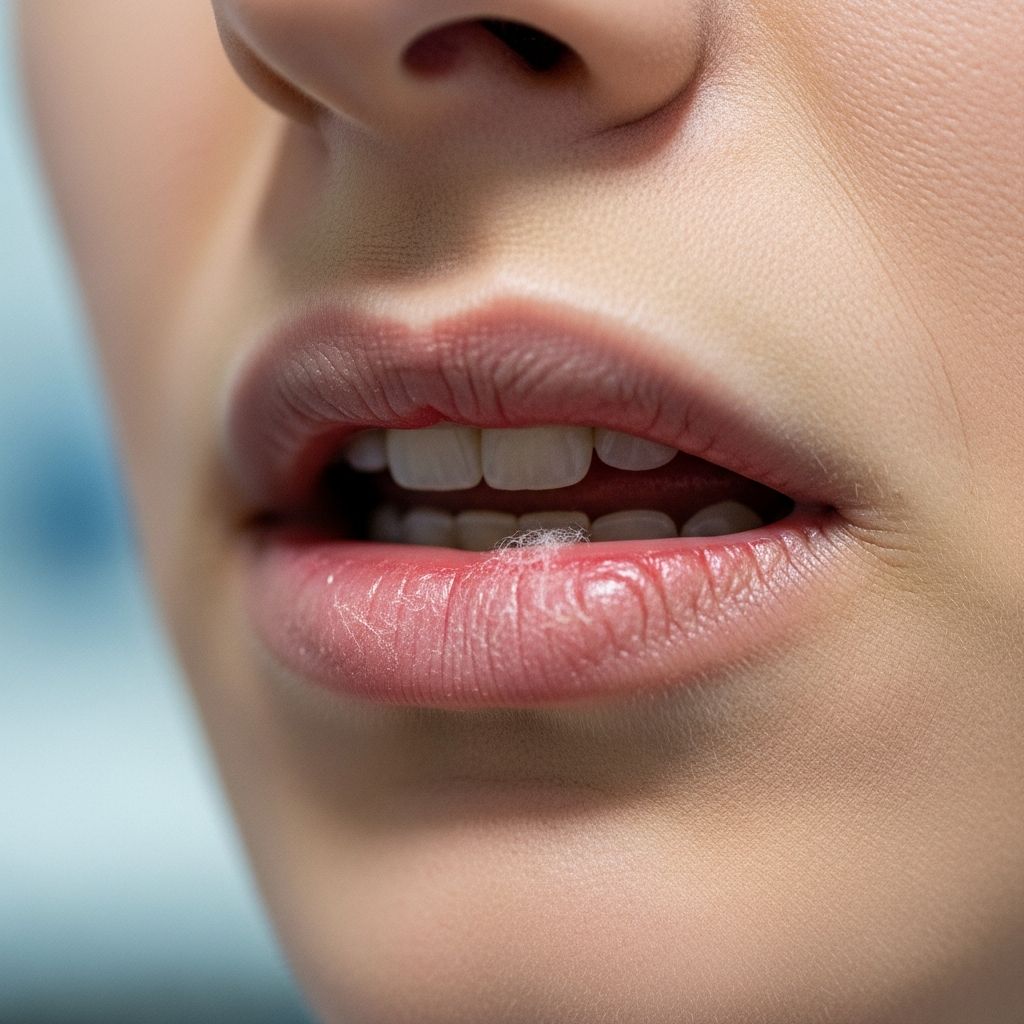
Dry mouth, medically known as
xerostomia
, occurs when salivary glands fail to produce sufficient saliva to maintain oral moisture, leading to discomfort and heightened oral health risks.What Is Dry Mouth?
Dry mouth refers to a persistent lack of saliva, which normally lubricates the mouth, aids digestion, and protects teeth from decay. Saliva production can drop due to various factors, causing a sticky, parched sensation that impacts daily activities like eating and speaking.
This condition affects an estimated 10% of the general population chronically, rising to 30% in adults over 65, though not primarily due to aging itself but associated factors.
Symptoms of Dry Mouth
Recognizing dry mouth early helps prevent complications. Common symptoms include:
- A sticky or dry feeling in the mouth.
- Thick, stringy, or foamy saliva.
- Bad breath (halitosis).
- Dry, rough, or grooved tongue.
- Difficulty chewing, swallowing, or speaking.
- Sore throat, hoarseness, or dry lips.
- Altered sense of taste.
- Problems with dentures fitting properly.
- Increased tooth sensitivity or lipstick sticking to teeth.
These signs often worsen at night or with certain foods, signaling reduced salivary flow.
Causes of Dry Mouth
Dry mouth stems from impaired salivary gland function. Key causes include medications, diseases, treatments, nerve damage, and habits.
Medications
Hundreds of prescription and over-the-counter drugs reduce saliva production. Common culprits:
- Antidepressants and anxiety medications.
- Blood pressure drugs (e.g., antihypertensives).
- Antihistamines, decongestants, and allergy treatments.
- Diuretics, pain relievers, muscle relaxants.
- Bladder control drugs, anti-inflammatories, opioids.
- GLP-1 drugs for diabetes/weight loss, nausea meds, antipsychotics.
Older adults are particularly vulnerable as they often take multiple medications (polypharmacy).
Diseases and Health Conditions
Various conditions directly or indirectly affect salivary glands:
- **Autoimmune diseases**: Sjögren’s syndrome attacks moisture-producing glands.
- **Diabetes**: Uncontrolled blood sugar impairs saliva flow.
- Neurological issues like Alzheimer’s, stroke, or Parkinson’s.
- HIV/AIDS, yeast infections (thrush), salivary stones.
- Other: Hormonal changes, infections.
Cancer Treatments
Radiation to the head/neck damages salivary glands permanently; chemotherapy and immunotherapy thicken saliva or reduce output.
Nerve Damage
Injuries, surgeries, or trauma to head/neck nerves disrupt signals to salivary glands.
Lifestyle and Behavioral Factors
- Mouth breathing or snoring, especially at night.
- Tobacco use (smoking/chewing) and alcohol consumption.
- Recreational drugs like methamphetamine or marijuana.
- Dehydration from insufficient fluid intake.
Risk Factors for Dry Mouth
Certain groups face higher risks:
| Risk Factor | Description |
|---|---|
| Medication Use | Drugs listing dry mouth as a side effect. |
| Age >65 | 30% prevalence due to health issues, not age. |
| Cancer Therapy | Radiation/chemo patients. |
| Chronic Diseases | Diabetes, Sjögren’s, HIV/AIDS, stroke. |
| Lifestyle | Tobacco, alcohol, drugs, mouth breathing. |
Sugary/acidic diets exacerbate risks by promoting decay in low-saliva environments.
Complications of Dry Mouth
Chronic xerostomia leads to serious issues due to saliva’s protective role:
- Increased plaque, cavities, gum disease (periodontitis).
- Mouth sores, thrush (yeast infections).
- Cracked lips/corners of mouth (angular cheilitis).
- Difficulty swallowing, poor nutrition.
- Tooth sensitivity, demineralization, infections.
Without intervention, it compromises oral health, diet, and quality of life.
Related Stories



When to See a Doctor
Consult a healthcare provider or dentist if symptoms persist beyond occasional occurrences, especially with:
- Ongoing dryness affecting eating/speaking.
- New medications or worsening conditions.
- Signs of decay, sores, or infections.
- Accompanying symptoms like fatigue (possible Sjögren’s).
Early diagnosis identifies reversible causes like medication adjustments.
Prevention and Management Tips
While not always preventable, strategies alleviate symptoms:
- Hydration: Sip water frequently; avoid caffeine, alcohol, sugary/carbonated drinks.
- Stimulation: Chew sugar-free gum with xylitol to boost saliva.
- Oral Hygiene: Brush with fluoride toothpaste, floss, use alcohol-free mouthwash.
- Diet: Avoid acidic/spicy foods; eat moist foods.
- Lifestyle: Quit tobacco, manage allergies to reduce mouth breathing.
- Products: Saliva substitutes, prescription rinses (e.g., pilocarpine).
Treatment targets underlying causes, such as switching medications or treating diseases.
Frequently Asked Questions (FAQs)
What is the most common cause of dry mouth?
Medications are the leading cause, affecting salivary glands in hundreds of drugs.
Is dry mouth a normal part of aging?
No, it’s not age-related but common in older adults due to medications and conditions.
Can dry mouth lead to tooth loss?
Yes, by increasing decay and gum disease risks without saliva’s protection.
How can I increase saliva production naturally?
Sip water, chew xylitol gum, avoid dehydrants like caffeine.
Does diabetes cause dry mouth?
Yes, high blood sugar reduces saliva flow.
References
- Dry mouth more common in older adults — UCLA Health. 2023. https://www.uclahealth.org/news/article/dry-mouth-more-common-older-adults
- Dry mouth – Symptoms and causes — Mayo Clinic. 2023-12-19. https://www.mayoclinic.org/diseases-conditions/dry-mouth/symptoms-causes/syc-20356048
- 5 common questions about dry mouth — NIH MedlinePlus Magazine. 2023. https://magazine.medlineplus.gov/article/5-common-questions-about-dry-mouth
- Dry Mouth — National Institute of Dental and Craniofacial Research (NIDCR). 2024. https://www.nidcr.nih.gov/health-info/dry-mouth
- Xerostomia (Dry Mouth) — American Dental Association (ADA). 2024. https://www.ada.org/resources/ada-library/oral-health-topics/xerostomia
Similar Articles








Read full bio of medha deb