Dry Mouth Remedies: 14 Evidence-Based Treatments For Relief
Discover 14 effective remedies to relieve dry mouth and improve oral health naturally.
Understanding Dry Mouth and Its Impact
Dry mouth, medically known as xerostomia, is a common condition characterized by insufficient saliva production in the mouth. This condition can significantly impact your quality of life, making it difficult to eat, speak, and swallow comfortably. Saliva plays a crucial role in maintaining oral health by protecting teeth from decay, aiding digestion, and preventing infections. When saliva production decreases, you become more susceptible to dental problems and oral discomfort.
The causes of dry mouth are varied and can range from medication side effects to underlying health conditions such as Sjögren’s syndrome, diabetes, or the effects of radiation therapy. Understanding the root cause of your dry mouth is essential for finding the most effective remedy. Fortunately, there are numerous evidence-based approaches to managing this condition, from simple lifestyle modifications to prescribed medications and specialized treatments.
Natural Remedies and Dietary Approaches
1. Stay Hydrated with Water
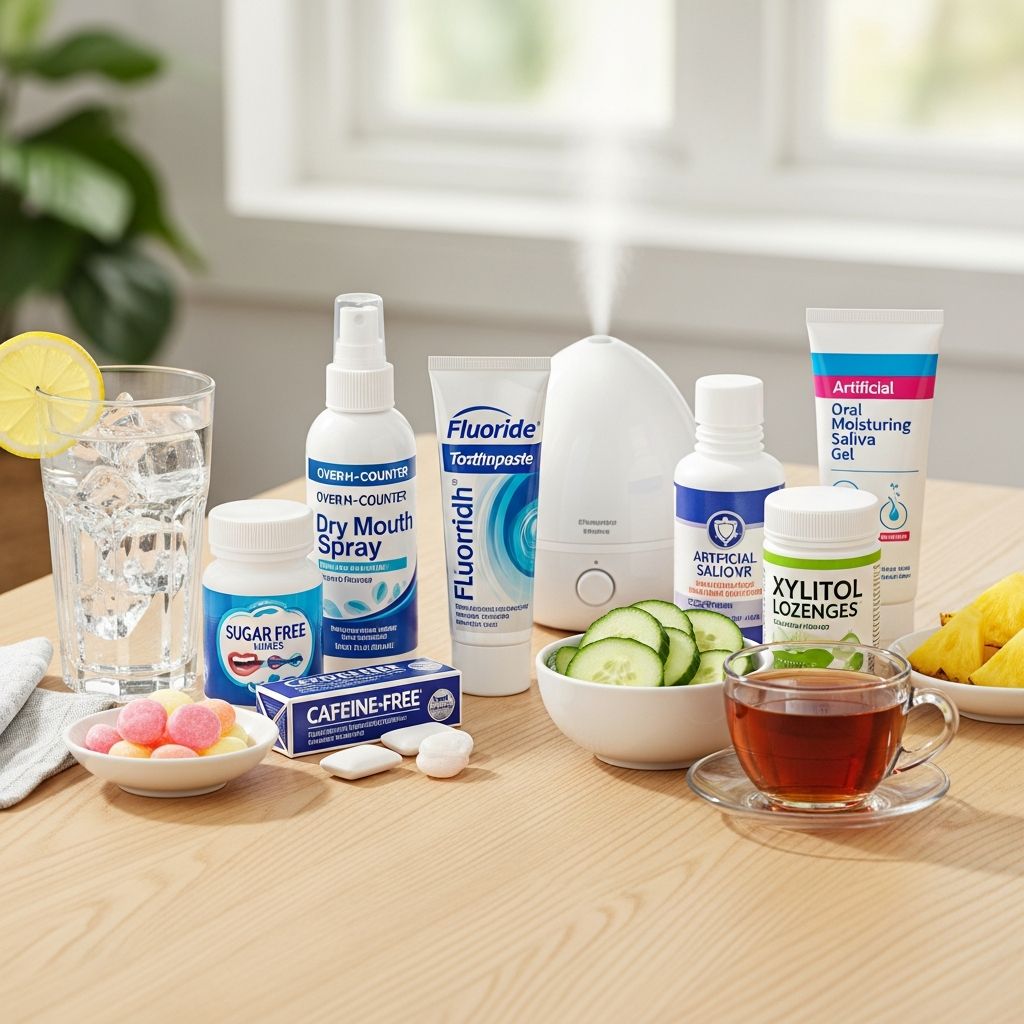
One of the simplest yet most effective remedies for dry mouth is frequent sipping of water throughout the day. Rather than drinking large quantities at once, take small amounts frequently to keep your mouth moist. This gentle approach helps maintain oral moisture without overwhelming your system. Drinking water with meals also aids in swallowing and helps break down food more easily.
2. Sugarless Gum and Candies
Chewing sugarless gum or sucking on sugar-free candies stimulates natural saliva production. This mechanical stimulation encourages your salivary glands to produce more saliva, providing relief from dry mouth symptoms. Look for products containing xylitol, which not only stimulates saliva flow but also helps prevent tooth decay and promotes oral health.
3. Avoid Aggravating Foods and Beverages
Certain foods and drinks can worsen dry mouth symptoms. Spicy and salty foods can irritate your mouth and increase discomfort. Additionally, caffeinated beverages, alcohol, and tobacco products can further dry out your mouth by reducing saliva production or causing dehydration. Eliminating or reducing these items from your diet can significantly improve your symptoms.
4. Use a Humidifier
Adding moisture to the air in your bedroom with a humidifier, especially while sleeping, can help combat dry mouth. This environmental approach keeps the air around you more humid, reducing moisture loss from your mouth and throat during the night when dry mouth symptoms often intensify.
5. Natural Oil Treatments
Vitamin E oil, mineral oil, and olive oil can provide relief for patients experiencing dry mouth. These natural oils help lubricate the oral tissues and can be particularly beneficial for those who have difficulty speaking or swallowing. Applying these oils topically in the mouth can provide temporary relief and comfort.
Medicinal and Pharmaceutical Solutions
6. Pilocarpine (Salagen)
Pilocarpine is a prescription medication that stimulates saliva production by acting on the salivary glands. It’s typically prescribed at a dosage of 5 milligrams three times daily. This medication has been shown in clinical trials to improve dry mouth sensation and increase salivary flow rates when compared to placebo treatments. Patients usually need to take this medication for approximately three months to assess its effectiveness.
Related Stories



7. Cevimeline (Evoxac)
Cevimeline is another prescription sialagogue that stimulates saliva production. With a typical dosage of 30 mg three times daily, this medication works similarly to pilocarpine but may be better tolerated by some patients. If one medication doesn’t provide adequate relief, your healthcare provider may recommend switching to the other to find the most effective option for your specific situation.
8. Artificial Saliva Sprays and Gels
Artificial saliva products come in various forms including sprays, gels, and lozenges. These formulations are designed to mimic natural saliva and provide temporary lubrication and relief. While these products can be particularly helpful at bedtime or during the day when discomfort is greatest, it’s important to note that they typically provide temporary relief rather than addressing the underlying cause of dry mouth.
Natural and Herbal Treatment Options
9. Malic Acid Sprays and Pastilles
Malic acid, an organic acid found naturally in fruits such as pears and apples, acts as a salivary stimulant. Clinical research has demonstrated that both malic acid sprays and pastilles significantly improve dry mouth sensation, increase salivary flow rates, and enhance quality of life in patients with xerostomia. These products are often combined with fluoride and xylitol to reduce demineralizing properties while promoting oral health.
10. Ginger Herbal Spray
Ginger, commonly used in traditional Indian and Chinese medicine, has demonstrated effectiveness for treating dry mouth. While ginger is available in capsule form, research shows that ginger herbal spray is the most effective presentation for decreasing dry mouth symptoms and increasing salivary output. This suggests that ginger’s beneficial effects work through local stimulation rather than systemic absorption.
11. Thyme Honey Mouthwash
A mouthwash based on thyme honey has been shown in clinical trials to significantly improve dry mouth sensation and oral health-related quality of life in patients with drug-induced xerostomia. This natural remedy combines the antimicrobial and soothing properties of honey with the beneficial compounds in thyme.
12. Licorice Mouthwash
Licorice mouthwash has demonstrated effectiveness in improving dry mouth sensation and salivary flow rates compared to placebo treatments. This natural remedy offers an alternative for patients seeking plant-based solutions to manage their dry mouth symptoms.
Advanced Dental and Professional Treatments
13. Professional Fluoride Treatments
Regular professional fluoride treatments are essential for protecting teeth in individuals with diminished saliva production. Dentists recommend fluoride varnish applications every three months to strengthen tooth enamel and prevent decay. Additionally, using a 1.1% sodium fluoride toothpaste daily at home provides ongoing protection between professional visits.
14. Re-mineralizing Solutions
Specialized re-mineralizing rinses such as supersaturated calcium phosphate rinse and other similar products help prevent tooth decay by replenishing essential minerals in your teeth. These professional-grade treatments work alongside natural saliva (or artificial substitutes) to maintain strong, healthy teeth despite reduced salivary flow.
Comprehensive Oral Care Strategies
Dental Hygiene Essentials
Careful attention to dental hygiene becomes even more critical when dealing with dry mouth. Your daily routine should include:
- Brushing teeth after each meal with fluoride toothpaste
- Flossing twice daily to remove food particles and plaque
- Using a mouthwash designed to prevent cavities and gum disease
- Scheduling regular dental checkups to monitor oral health
- Using fluoridated drinking water when possible
Nutritional Support
Omega-3 fatty acid supplements have been shown to help dry mouth symptoms and improve overall periodontal health, particularly in patients with Sjögren’s syndrome. Maintaining a healthful diet rich in nutrients supports both general health and oral well-being. Working with your healthcare provider or a nutritionist can help optimize your diet for managing dry mouth.
Managing Underlying Conditions
Since dry mouth can be caused by various underlying conditions, addressing these root causes is crucial for long-term management. If your dry mouth is related to medication side effects, consult with your healthcare provider about potentially switching to alternative medications that may not have this effect. For those with diabetes, maintaining blood sugar levels within a safe range can help reduce dry mouth symptoms.
For patients with conditions like Sjögren’s syndrome, a comprehensive treatment approach that includes medication management, professional dental care, and lifestyle modifications provides the best outcomes. Collaboration between your healthcare providers and dental professionals ensures coordinated, effective treatment.
Treatment Considerations and Recommendations
Starting with Conservative Approaches
Most healthcare providers recommend beginning with conservative, non-invasive remedies before progressing to prescription medications. This approach minimizes side effects while often providing adequate symptom relief. Natural compounds and lifestyle modifications offer advantages in tolerability and safety.
Medication Dosing and Timing
When prescribed sialogogues like pilocarpine or cevimeline, healthcare providers often recommend starting with a low dose and gradually increasing it over several weeks. This gradual approach helps your body adjust to the medication and allows your provider to assess effectiveness. If one medication doesn’t work adequately after three months of consistent use, your doctor may recommend trying the alternative.
Combining Treatment Modalities
Often, the most effective dry mouth management involves combining multiple approaches. For example, you might use a prescription medication to stimulate saliva production, practice meticulous dental hygiene, receive professional fluoride treatments, and modify your diet and lifestyle. This multi-faceted approach addresses different aspects of the problem and typically yields better results than any single remedy alone.
Frequently Asked Questions
Q: How long does it take for dry mouth remedies to work?
A: Timeline varies by remedy. Natural remedies like water sipping provide immediate temporary relief, while prescription sialogogues typically require three months of consistent use to assess full effectiveness. Home remedies and lifestyle changes often show improvement within days to weeks.
Q: Can I use multiple dry mouth remedies simultaneously?
A: Yes, combining multiple remedies often yields better results. You might use a prescription medication along with artificial saliva, maintain excellent oral hygiene, practice dietary modifications, and use natural remedies. Discuss your combination approach with your healthcare provider to ensure compatibility.
Q: Are natural remedies as effective as prescription medications?
A: Natural remedies can be very effective for many people, with the added benefit of minimal side effects. However, prescription medications like pilocarpine and cevimeline are specifically formulated to stimulate saliva production and may be necessary for severe dry mouth. The best choice depends on your individual situation and severity.
Q: Will treating dry mouth prevent tooth decay?
A: While managing dry mouth is essential, preventing tooth decay requires a comprehensive approach including the remedies mentioned plus professional dental care, fluoride treatments, and excellent oral hygiene. Regular dental checkups help catch problems early.
Q: Can diet changes alone resolve dry mouth?
A: Diet changes can help manage symptoms but typically won’t resolve the underlying condition causing dry mouth. However, avoiding irritating foods and beverages, staying hydrated, and maintaining proper nutrition are important components of a comprehensive treatment plan.
References
- Treatment alternatives for dry mouth: A scoping review — National Center for Biotechnology Information (NCBI/NIH). 2022-10-14. https://pmc.ncbi.nlm.nih.gov/articles/PMC9617261/
- Dryness of the Mouth — Johns Hopkins Sjögren’s Center. 2024. https://www.hopkinssjogrens.org/disease-information/sjogrens-disease/dry-mouth/
- Dry Mouth and Diabetes — National Institute of Dental and Craniofacial Research (NIDCR). 2023. https://www.themedforddentist.com/blog/dry-mouth-and-diabetes/
- How to Improve Oral & Eye Health in Sjögren’s Patients — American College of Rheumatology. 2023. https://www.the-rheumatologist.org/article/how-to-improve-oral-eye-health-in-sjogrens-patients/
- Evaluation and management of dry mouth and its complications in rheumatologic diseases — Johns Hopkins University School of Medicine. 2023. https://pure.johnshopkins.edu/en/publications/evaluation-and-management-of-dry-mouth-and-its-complications-in-r
Similar Articles








Read full bio of Sneha Tete