Dry Scalp: Causes, Treatment & Prevention
Complete guide to understanding, treating, and preventing dry scalp conditions.
Understanding Dry Scalp: What It Is and Why It Happens
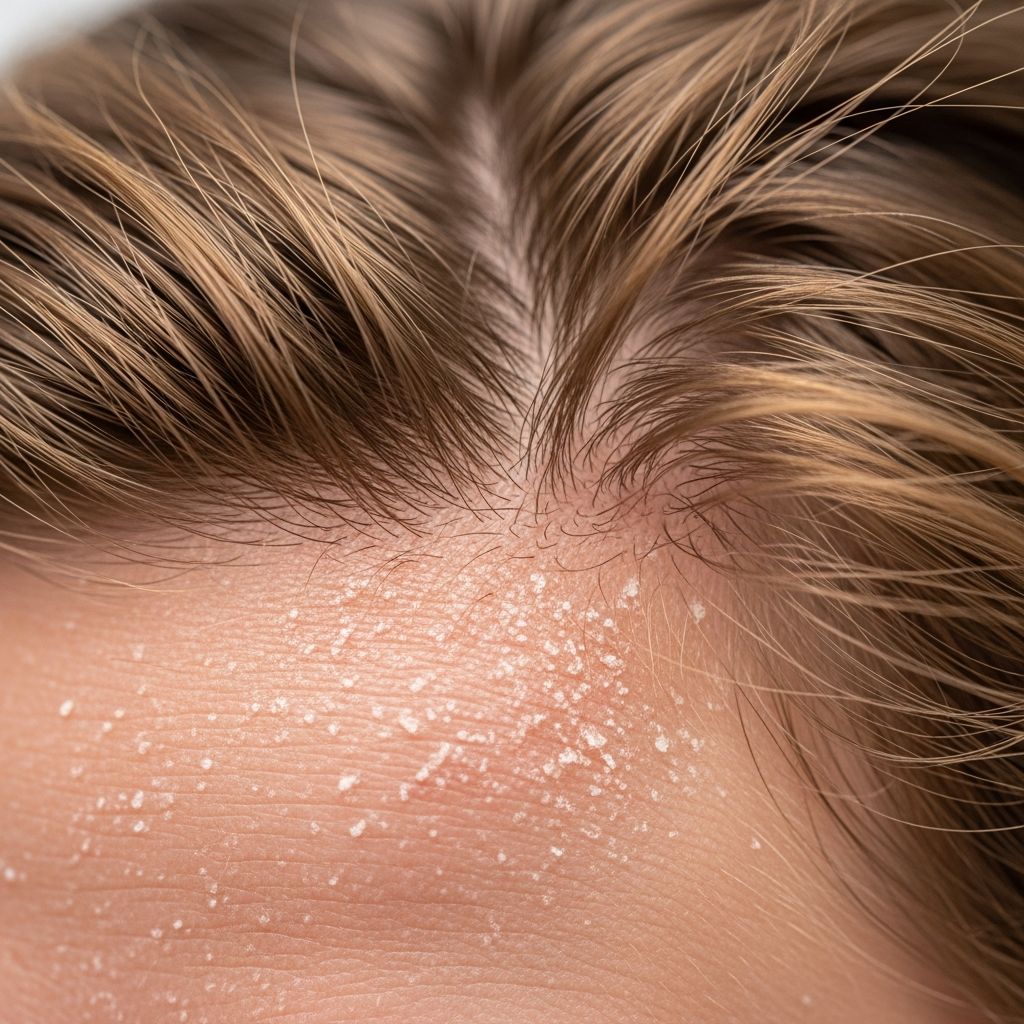
Dry scalp occurs when the skin on your head loses too much moisture and water, causing discomfort, irritation, and visible flaking. This common condition can range from mild to severe, affecting how your hair looks and feels. When your scalp becomes dehydrated, the skin gets irritated and begins to flake off, often accompanied by itching and tightness. The condition is manageable and easily treatable in most cases, but understanding its underlying causes is essential for effective management.
Your scalp is the foundation of healthy hair growth. When it lacks sufficient moisture to stay balanced and hydrated, it can lead to various problems beyond simple flaking. An imbalanced scalp could contribute to hair breakage, roughness, and split ends, making it important to address dry scalp issues promptly.
Common Causes of Dry Scalp
Dry scalp can develop for multiple reasons, ranging from environmental factors to personal hair care practices. Understanding what triggers your specific case is crucial for selecting the most appropriate treatment.
Hair Care Products and Styling
Many commercial hair care products can dry out and irritate your scalp by stripping it of its natural oils. Harsh shampoos, in particular, may contain ingredients that leave your scalp depleted of moisture. Additionally, residual shampoo left behind after you shower could be irritating your scalp. Some hair care products can cause contact dermatitis, a reaction that creates itchiness and irritation. If you use heat styling tools frequently without proper protection, this can also contribute to scalp dryness and damage.
Environmental and Weather Factors
Weather conditions significantly impact scalp health. Cold, dry winters can strip moisture from your scalp, while excessive sun exposure in summer can damage the protective barrier. Low humidity levels indoors during winter heating season often exacerbate dryness. Seasonal changes may require adjusting your hair care routine to maintain optimal scalp hydration.
Age-Related Changes
As you age, your scalp’s natural oil production may decrease, making it more prone to dryness. Hormonal changes can also affect your scalp’s moisture levels, which is why some people experience increased dryness during certain life stages.
Underlying Skin Conditions
More serious health issues can cause dry scalp as a symptom. Conditions such as psoriasis, seborrheic dermatitis, eczema, and fungal infections like scalp ringworm or yeast infections may present with dry, flaky, or itchy scalp. These conditions require professional diagnosis and targeted treatment from a dermatologist.
Recognizing the Symptoms
If you experience the following symptoms, you may have dry scalp:
– Itching and tightness on the scalp- Visible white or gray flakes- Rough or sensitive scalp texture- Redness or inflammation- Hair breakage and split ends- General discomfort when touching the scalp
It’s important to distinguish between dry scalp and dandruff, as they have different causes and treatments. Dry scalp results from insufficient moisture, while dandruff typically stems from fungal overgrowth or other underlying conditions.
Home Remedies for Dry Scalp Relief
If you’re dealing with mild to moderate dry scalp, several natural remedies can help hydrate and soothe your scalp without expensive treatments.
Related Stories



Natural Oils for Deep Hydration
Coconut Oil: Rich in moisturizing fatty acids, coconut oil deeply hydrates the scalp. Warm a small amount and massage it gently into your scalp. Leave it on for at least 30 minutes before washing it with a gentle shampoo. This remedy nourishes the scalp and promotes healthy, shiny hair.
Olive Oil: Another excellent option for deep hydration, warm a small amount of olive oil and massage it into your scalp. Leave it on for at least 30 minutes before washing. The oil nourishes and softens the scalp, helping to eliminate dryness and flakes.
Tea Tree Oil: This oil has antifungal and antibacterial properties that can help balance scalp health. Mix a few drops with a carrier oil, like olive or jojoba, and massage it into your scalp. Leave it for 15 minutes before rinsing. This remedy helps reduce flakiness and itchiness.
Botanical Treatments
Aloe Vera: Known for its soothing and hydrating properties, apply fresh aloe vera gel to your scalp and leave it on for about 20 minutes. It helps calm irritation and replenish moisture, leaving the scalp feeling refreshed.
Apple Cider Vinegar: This ingredient restores pH balance to the scalp, helping to soothe dryness and remove product buildup. Dilute apple cider vinegar with water in a 1:3 ratio and use it as a final rinse after shampooing. This helps refresh the scalp and adds shine.
Over-the-Counter Treatment Options
Before resorting to prescription medications, several over-the-counter solutions can effectively manage dry scalp.
Gentle Shampoo Selection
One of the most effective ways to treat dry scalp is switching to a non-medicated, gentle shampoo designed specifically for dry scalp. These specialized formulas help stop the dryness and reduce flaking without stripping your scalp of essential oils. Look for shampoos that are sulfate-free and contain hydrating ingredients like hyaluronic acid or plant oils.
Medicated Shampoos
For specific conditions causing dry scalp, medicated shampoos can provide targeted relief. Ingredients to look for include:
– Selenium or zinc pyrithione for yeast-related dryness- Coal tar or salicylic acid for psoriasis-related dryness- Ketoconazole for fungal conditions
Apply these shampoos as directed, typically leaving them on your scalp for at least five minutes before rinsing to allow the active ingredients to work effectively.
Scalp Treatments and Serums
Leave-in scalp serums and oils function similarly to moisturizers and can be helpful if the cause of your dryness is environmental or due to your haircare routine. These products provide additional hydration between shampoos. Be sure to read the instructions on your chosen product thoroughly and use it as intended to yield the best results.
Professional Medical Treatments
If home remedies and over-the-counter solutions don’t resolve your dry scalp within a reasonable timeframe, consulting a dermatologist is recommended. A dermatologist can diagnose your condition and help determine if an underlying skin condition is responsible.
Prescription Medications
Your dermatologist may prescribe several types of medications depending on the underlying cause:
Topical Corticosteroids: Medicated ointments or creams such as corticosteroids can be applied directly to your scalp. These medications reduce itching, redness, and scaling quickly, providing rapid relief from uncomfortable symptoms.
Antifungal Medications: For fungal infections, your dermatologist may prescribe oral antifungal medication such as terbinafine (Lamisil®) or topical antifungal shampoos and creams like ketoconazole (Nizoral®).
Specialized Topical Treatments: For certain conditions, your dermatologist may prescribe topical medications such as fluorouracil (Fluorac®) or imiquimod (Aldara®) to address specific scalp issues.
Combination Approaches
Your dermatologist may recommend a combination of treatments for optimal results. This might include using prescription-strength medicated shampoos alongside topical cortisone, foam solutions, or creams. The specific combination depends on your diagnosis and the severity of your condition.
Prevention Strategies for a Healthy Scalp
Preventing dry scalp is often easier than treating it. Incorporate these tips into your daily and weekly routine:
Hair Care Practices
– Use lukewarm water rather than hot water when washing your hair- Limit heat styling and always use a heat protectant spray when blow-drying- Avoid excessive chemical treatments like coloring, perming, or relaxing- Rinse your shampoo thoroughly to prevent product buildup- Be gentle when brushing or combing to avoid scalp irritation
Product Selection
– Choose sulfate-free, gentle shampoos and conditioners- Look for hydrating ingredients like hyaluronic acid and plant oils- Use a dedicated scalp treatment or serum regularly- Avoid products with harsh chemicals or strong fragrances
Environmental Considerations
– Use a humidifier during dry seasons to add moisture to the air- Protect your scalp from excessive sun exposure- Wear hats in harsh weather conditions- Stay hydrated by drinking adequate water throughout the day
Regular Scalp Maintenance
– Exfoliate your scalp gently with a chemical exfoliant or scalp scrub- Massage your scalp regularly to improve circulation- Take breaks from heat styling when possible- Maintain consistent moisture levels with appropriate products
When to Seek Professional Help
While many cases of dry scalp can be managed at home, certain situations warrant professional evaluation. Call your dermatologist if:
– Your dry scalp persists despite changing shampoos and trying home remedies- Your scalp develops signs of infection, such as warmth, pus, or severe redness- You experience significant hair loss along with scalp dryness- The itching becomes unbearable or interferes with sleep- You notice spreading rashes or unusual symptoms- Your scalp shows signs of fungal infection with round patches or distinctive patterns
A dermatologist can determine if you have a more serious skin condition and will put together a personalized treatment plan tailored to your specific needs.
Comparing Treatment Options
| Treatment Type | Cost | Effectiveness Timeline | Best For |
|---|---|---|---|
| Home Remedies (oils, aloe vera) | Low | 1-2 weeks | Mild dryness, prevention |
| Gentle Shampoo | Low to moderate | 2-3 weeks | Mild to moderate dryness |
| Medicated Shampoo (OTC) | Moderate | 1-2 weeks | Condition-specific dryness |
| Scalp Serums/Oils | Moderate | 3-7 days | Environmental dryness |
| Prescription Corticosteroids | Moderate to high | 3-5 days | Severe inflammation |
| Antifungal Medications | Moderate to high | 1-2 weeks | Fungal infections |
Frequently Asked Questions About Dry Scalp
Q: Is dry scalp the same as dandruff?
A: No, they’re different conditions. Dry scalp results from insufficient moisture, while dandruff typically stems from fungal overgrowth, yeast, or seborrheic dermatitis. They may require different treatments, so proper diagnosis is important.
Q: How long does it take to treat dry scalp?
A: The timeline depends on the cause and treatment method. Home remedies may take 1-2 weeks, while prescription treatments can show results within 3-5 days. Persistent cases may take longer to resolve completely.
Q: Can dry scalp cause hair loss?
A: While dry scalp itself doesn’t directly cause hair loss, the associated irritation and inflammation can weaken hair strands, leading to breakage. If you’re experiencing significant hair loss with dry scalp, consult a dermatologist.
Q: What’s the best way to prevent dry scalp?
A: Prevention involves using gentle shampoos, avoiding excessive heat styling, maintaining proper hydration, using a humidifier in dry seasons, and protecting your scalp from harsh environmental conditions.
Q: Can I use regular conditioner to treat dry scalp?
A: Regular conditioner may help, but specialized scalp treatments and hydrating serums are more effective. Regular conditioner is designed for hair strands rather than scalp health.
Q: When should I see a dermatologist about my dry scalp?
A: See a dermatologist if your dry scalp persists despite home care and OTC treatments, if it’s accompanied by signs of infection, or if you suspect an underlying skin condition.
Moving Forward with Your Scalp Health
Dry scalp is a manageable condition that responds well to appropriate treatment when you identify its underlying cause. Whether your dryness stems from harsh hair products, environmental factors, or an underlying skin condition, various effective solutions are available. Starting with gentle shampoos and home remedies can often resolve mild cases, while more persistent conditions benefit from professional dermatological care.
The key to success is consistency and patience. Give any new treatment at least two to three weeks before evaluating its effectiveness. If symptoms persist or worsen, don’t hesitate to seek professional guidance. A dermatologist can provide a definitive diagnosis and create a personalized treatment plan that addresses your specific scalp concerns, ensuring your scalp remains healthy, hydrated, and comfortable.
References
- Dry Scalp: Causes, Treatment & Prevention — Cleveland Clinic. 2024. https://my.clevelandclinic.org/health/symptoms/23326-dry-scalp
- Itchy Scalp? 8 Common Causes and How To Find Relief — Cleveland Clinic Health. 2024. https://health.clevelandclinic.org/itchy-scalp-common-problems-and-fixes
- Dry Skin (Xeroderma): Symptoms, Causes, Treatment & Prevention — Cleveland Clinic. 2024. https://my.clevelandclinic.org/health/diseases/16940-dry-skin
- Seborrheic Dermatitis: Symptoms, Causes & Treatment — Cleveland Clinic. 2024. https://my.clevelandclinic.org/health/diseases/14403-seborrheic-dermatitis
- Scalp Psoriasis: Symptoms, Plaque, Causes & Treatment — Cleveland Clinic. 2024. https://my.clevelandclinic.org/health/diseases/22828-scalp-psoriasis
- Scalp Yeast Infection: Causes, Symptoms, Treatment & Prevention — Cleveland Clinic. 2024. https://my.clevelandclinic.org/health/diseases/22967-scalp-yeast-infection
Similar Articles








Read full bio of Sneha Tete