Dry Skin (Xeroderma): Causes, Symptoms, Treatment
Understand dry skin causes and effective treatments to restore moisture and comfort.
Understanding Dry Skin: Xeroderma Explained
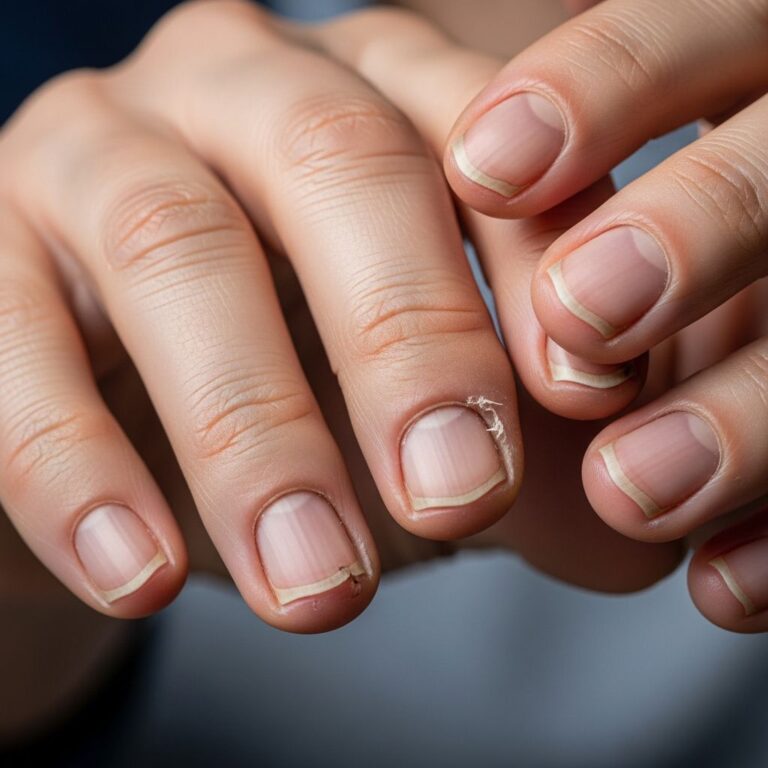
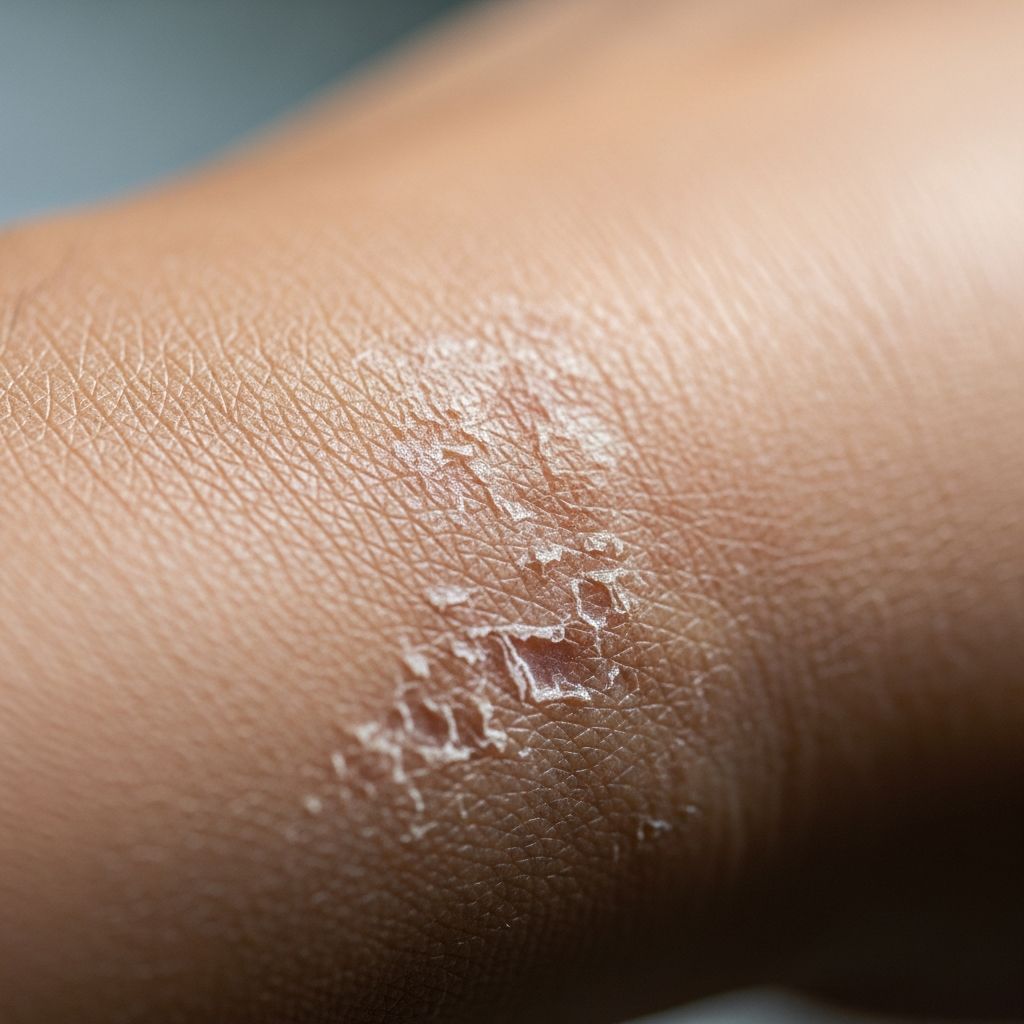
Dry skin is a common condition affecting individuals of all ages and backgrounds. The medical term for dry skin is xeroderma, pronounced “ze-ROW-derm-ah.” When skin lacks sufficient moisture, it develops a rough texture and may appear flaky or scaly. Dry skin can range from mildly uncomfortable to severely problematic, and in extreme cases, it may crack and bleed. Fortunately, dry skin causes few long-term problems and is highly manageable with proper care and attention.
The condition occurs when your skin doesn’t retain enough moisture to maintain its natural softness and flexibility. While dry skin may or may not be itchy, known medically as pruritis, many individuals experience both dryness and itching sensations simultaneously. Xerosis, pronounced “ze-ROW-sis,” refers to severely dry skin that requires more intensive treatment approaches.
Recognizing the Symptoms of Dry Skin
Identifying dry skin early allows for prompt intervention and prevents complications. The symptoms of dry skin vary depending on severity and individual factors:
- Rough texture on the skin surface
- Visible flaking or peeling
- Scaly patches that may appear raised or uneven
- Itching or pruritus
- Redness or irritation
- Tightness, especially after showering
- Cracks in the skin (in severe cases)
- Bleeding from deep fissures (in extreme xerosis)
In mild cases, dry skin may present as small patches in specific areas. In severe cases, the entire face or body may feel uncomfortable and appear significantly compromised. Pay attention to any changes in your skin’s appearance or feel, as these changes can indicate the need for treatment adjustments or professional evaluation.
Common Causes of Dry Skin
Understanding what triggers dry skin is essential for effective prevention and treatment. Multiple factors can contribute to dry skin development:
Environmental Factors
External conditions significantly impact skin moisture levels. Cold, dry winter air strips moisture from the skin rapidly. Indoor heating systems reduce humidity indoors, creating an environment where skin dehydration accelerates. Excessive sun exposure damages the skin’s protective barrier, preventing moisture retention. Wind and low humidity further exacerbate moisture loss from the skin surface.
Daily Habits and Practices
Frequent hot showers and baths strip natural oils from the skin. Using water that is too hot compromises the skin barrier. Extended time in hot water removes essential moisture and protective sebum. Harsh soaps and cleansers can irritate and dry the skin significantly. Fragranced products and certain laundry detergents contain chemicals that irritate and dry the skin.
Age-Related Changes
As you age, your skin naturally produces less oil, called sebum. Around age 40, the amount of oil your skin produces drops dramatically. This reduced oil production means your skin has less natural protection and moisture retention ability. The cumulative effects of sun damage and environmental exposure over decades can also contribute to chronic dry skin in mature skin.
Underlying Health Conditions
Several medical conditions can cause or worsen dry skin:
- Eczema (atopic dermatitis)
- Psoriasis
- Seborrheic dermatitis
- Diabetes
- Thyroid disorders
- Kidney disease
- Liver disease
- HIV/AIDS
- Respiratory conditions
Medications and Treatments
Certain medications can cause dry skin as a side effect. Retinol and retinoids, while beneficial for reducing signs of aging, may dry out your skin. Some acne medications can increase skin dryness. Antihistamines and blood pressure medications may contribute to moisture loss.
Related Stories



Diagnosing Dry Skin
Dry skin is typically easy to diagnose based on appearance and symptoms. Your healthcare provider will conduct a thorough evaluation including:
- Complete medical history review
- Physical examination of affected skin
- Discussion of your symptoms and their duration
- Assessment of environmental and lifestyle factors
- Review of current medications and products used
Depending on the severity of your symptoms and suspected causes, your healthcare provider may order tests to check for underlying health conditions that cause dry skin, such as thyroid dysfunction, diabetes, or kidney disease. These tests help identify and address any contributing medical factors.
Treatment Options for Dry Skin
Treatment for dry skin focuses on rehydrating your skin and bringing moisture back to affected areas. The approach depends on dryness severity and underlying causes.
Home Care and Moisturizing Strategies
Moisturizing is the cornerstone of dry skin management. Apply moisturizer immediately after washing your face or bathing, ideally within five minutes. This timing allows the moisturizer to lock in the water that your skin has absorbed during washing. For optimal results, moisturize multiple times daily, particularly morning and evening.
Choose moisturizers containing beneficial ingredients such as:
- Hyaluronic acid (holds moisture in skin)
- Glycerin (attracts water to skin)
- Ceramides (strengthen skin barrier)
- Dimethicone (seals moisture in)
- Petroleum jelly (occlusive barrier)
- Glycolic acid (gentle exfoliation)
For severe dry spots, apply petroleum jelly-based products directly to affected areas before bed. If your entire face feels dry, consider “slugging,” which involves applying a thin layer of petroleum jelly over your entire face. However, discontinue this practice if you notice increased breakouts.
Gentle Skin Care Approach
Treat your dry, sensitive skin with care:
- Pat your skin dry gently rather than rubbing
- Use lukewarm water instead of hot water for cleansing
- Limit shower time to 5-10 minutes
- Use fragrance-free products specifically formulated for facial skin
- Avoid products containing alcohol or harsh chemicals
- Use a soft washcloth or cleansing brush
Be cautious about product selection. Products should be fragrance-free, which differs from unscented products that may still contain irritating chemicals. Examine all products you use, including makeup, shampoo, and cleansers, as each can contribute to dryness.
Professional Treatments
When home treatments don’t sufficiently address dry skin, dermatologists offer professional options:
- Topical prescription moisturizers
- Prescription-strength ingredients
- Chemical peels (remove damaged outer layers)
- Microdermabrasion (exfoliate and rejuvenate)
- Laser therapy (stimulate collagen production)
- Light therapy treatments
For aged or damaged skin causing chronic dryness, dermatologists may recommend treatments addressing the underlying skin damage from years of UV exposure and environmental stress.
Prevention Strategies
Prevention is more effective than treatment when managing dry skin. Implement these strategies to maintain healthy, moisturized skin:
- Maintain consistent daily moisturizing routine
- Use sunscreen daily (SPF 30 or higher)
- Avoid prolonged hot showers and baths
- Use a humidifier during dry seasons or in heated indoor spaces
- Stay hydrated by drinking adequate water
- Avoid smoking, which accelerates skin aging
- Choose gentle cleansers appropriate for your skin type
- Limit exposure to harsh environmental conditions
- Balance anti-aging products with moisturizing products
Prioritize moisture retention at every age. The key to healthy, supple skin is prevention combined with consistent care addressing your skin’s changing needs throughout life.
When to Seek Professional Help
While most dry skin responds well to home treatment, contact a healthcare provider if your dryness:
- Persists despite consistent home care efforts
- Keeps recurring frequently
- Becomes severely painful or uncomfortable
- Covers large areas of your body
- Shows signs of infection (warmth, pus, increased redness)
- Develops cracks that bleed
- Accompanies other unexplained symptoms
Your healthcare provider can identify underlying causes, prescribe appropriate medications if needed, and recommend professional treatments. They can also help establish prevention strategies to keep dry skin from recurring.
Complications and When Dryness Is Serious
Although typically manageable, untreated or severely dry skin can develop complications. When skin becomes extremely dry and cracks open, bleeding results. These open sores and wounds expose your body to germs that can cause bacterial infections. In rare cases, dry, itchy skin may indicate more serious health problems such as diabetes or kidney disease, making professional evaluation important when symptoms are unusual or persistent.
The discomfort of dry skin affects quality of life, causing embarrassment, sleep disruption from itching, and difficulty concentrating on daily activities. However, addressing dry skin promptly prevents these complications and restores comfort.
Living With Dry Skin Long-Term
Although typically chronic, dry skin is highly manageable with proper attention and care. Most people successfully treat dry skin using daily moisturizers and proactive steps like minimizing exposure to hot temperatures and irritants. Establish a consistent skincare routine tailored to your specific needs and adjust it as seasons change or your skin’s needs evolve.
Discuss dry skin management with your healthcare provider to develop a personalized prevention and treatment plan. By prioritizing skin hydration and taking preventive measures, you can maintain comfortable, healthy skin throughout your life while reducing the risk of complications.
Frequently Asked Questions About Dry Skin
Q: What is the difference between dry skin and eczema?
A: Dry skin is a skin condition characterized by insufficient moisture, while eczema (dermatitis) is an inflammatory condition that causes itchy, red, and inflamed skin. Eczema often includes dryness but involves immune system dysfunction. If dry skin treatments don’t improve symptoms, consult a healthcare provider to determine if eczema or another dermatological condition is present.
Q: Can dry skin turn into eczema?
A: Excessively dry skin can lead to dermatitis or eczema development, particularly if the skin barrier becomes severely compromised. Proper moisturizing and skin care can prevent this progression. If dry skin worsens despite treatment, seek professional evaluation.
Q: How long does it take to treat dry skin?
A: Most people see improvement within 1-2 weeks of consistent moisturizing and skincare routine adjustments. However, results vary based on severity and underlying causes. Severe dry skin or that caused by medical conditions may require longer treatment periods.
Q: Is dry skin permanent?
A: Dry skin is typically a chronic condition but is manageable. With consistent care, most people can control symptoms effectively. Prevention and maintenance are key to preventing recurrence.
Q: Can drinking more water cure dry skin?
A: While staying hydrated supports overall skin health, drinking water alone cannot cure dry skin. Topical moisturizing products are necessary to lock moisture into the skin. Combine hydration with proper skincare for best results.
Q: What ingredients should I look for in a moisturizer?
A: Look for moisturizers containing hyaluronic acid, glycerin, ceramides, dimethicone, and peptides. These ingredients help attract and retain moisture in your skin. Avoid products with fragrance or alcohol, which can irritate and dry skin further.
References
- Dry Skin (Xeroderma): Symptoms, Causes, Treatment & Prevention — Cleveland Clinic. 2022-06-23. https://my.clevelandclinic.org/health/diseases/16940-dry-skin
- 7 Tips for Treating Dry Skin on Your Face — Cleveland Clinic Health. 2024. https://health.clevelandclinic.org/treating-dry-skin-on-face
- Skin Care Tips by Type, Sun Protection Tips — Cleveland Clinic. 2024. https://my.clevelandclinic.org/health/treatments/21533-skin-care-basics-and-tips
- Winterizing Your Skincare Routine — Cleveland Clinic Newsroom. 2024-12-17. https://newsroom.clevelandclinic.org/2024/12/17/winterizing-your-skincare-routine
- Emollients: Creams, Soaps, Moisturizers, Ointments, Benefits — Cleveland Clinic. 2024. https://my.clevelandclinic.org/health/treatments/23305-emollients
- Dermatitis: Types, Treatments, Causes & Symptoms — Cleveland Clinic. 2024. https://my.clevelandclinic.org/health/diseases/4089-dermatitis
Similar Articles








Read full bio of medha deb