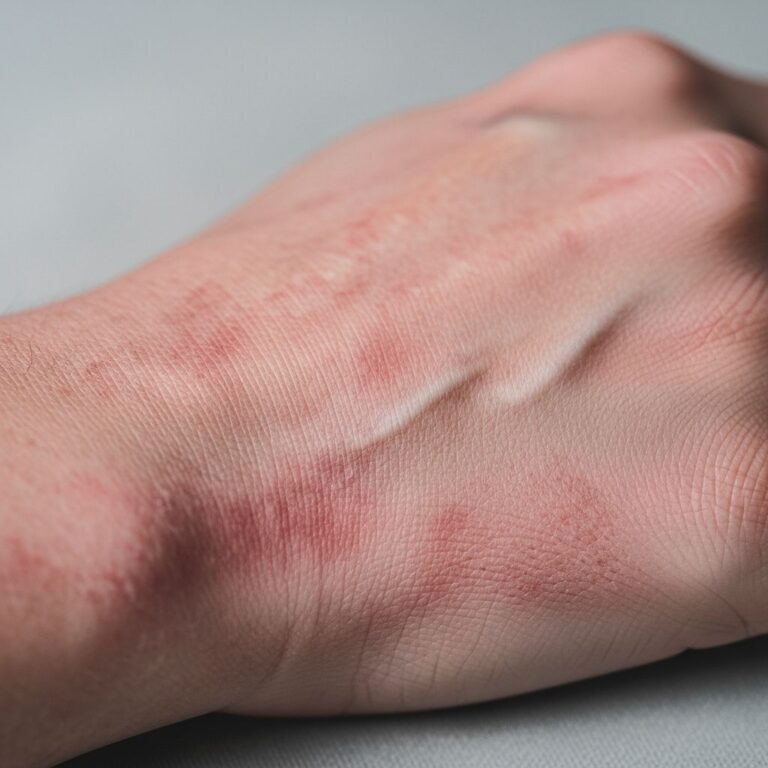
Dry Skin: 4 Effective Treatments And Prevention Tips
Comprehensive guide to understanding, treating, and preventing dry skin for healthier, hydrated skin.
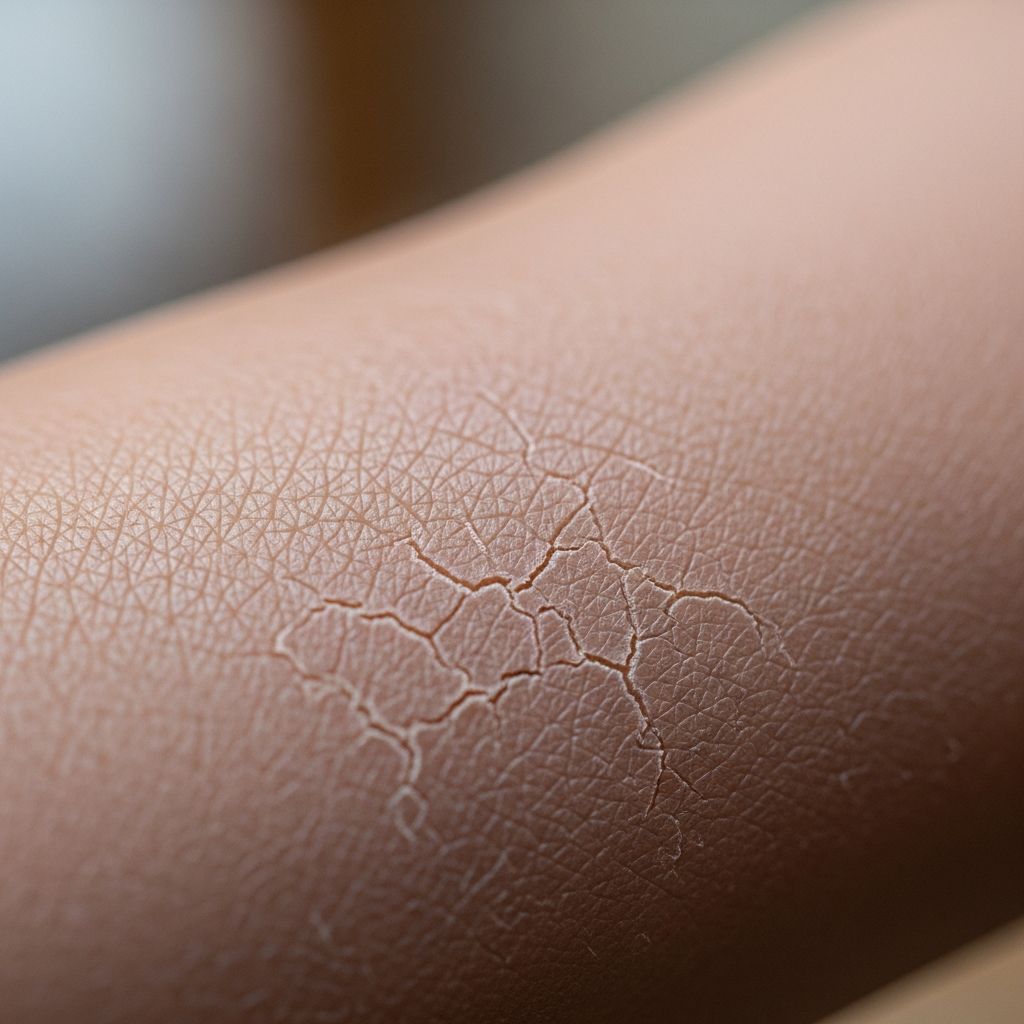
Dry skin, medically known as xerosis, is a widespread condition characterized by rough, flaky, itchy, or tight skin due to insufficient moisture in the outermost layer, the stratum corneum.
What is dry skin?
Dry skin occurs when the skin loses water faster than it can be replaced, impairing the protective barrier function of the stratum corneum. This layer consists of dead skin cells surrounded by a lipid matrix rich in ceramides, cholesterol, and natural moisturizing factors (NMFs) that normally lock in hydration. When disrupted, transepidermal water loss (TEWL) increases, leading to dryness.
In healthy skin, the barrier prevents moisture escape and protects against irritants. Dry skin affects people of all ages but is more common in older adults, children, and those with certain medical conditions. It can range from mild tightness to severe cracking and fissuring.
Who gets dry skin?
Dry skin is prevalent worldwide, affecting up to 20-30% of the population, with higher rates in winter due to low humidity. Vulnerable groups include:
- Older adults: Skin thins with age, producing fewer natural oils (sebum), increasing susceptibility.
- Children and teenagers: Frequent bathing and exposure to irritants like soaps contribute.
- People with atopic dermatitis (eczema): Genetic barrier defects exacerbate dryness.
- Individuals in dry climates or during winter, where low humidity accelerates moisture loss.
- Those with medical conditions like hypothyroidism, diabetes, or kidney disease, which impair skin hydration.
Occupations involving frequent hand washing, such as healthcare workers, also experience higher rates.
What causes dry skin?
Dry skin results from intrinsic and extrinsic factors disrupting the skin barrier:
- Environmental factors: Low humidity, cold weather, hot showers, and wind strip natural oils.
- Harsh cleansers: Soaps and detergents remove lipids from the skin surface.
- Over-washing: Prolonged baths or showers dissolve protective lipids.
- Aging: Reduced sebaceous gland activity and thinner epidermis.
- Medical conditions: Atopic dermatitis, psoriasis, ichthyosis, or systemic diseases affect barrier function.
- Lifestyle: Dehydration, poor diet low in essential fatty acids, or certain medications like diuretics.
What are the clinical features of dry skin?
Symptoms vary by severity but typically include:
- Itching (pruritus), worse at night.
- Rough, scaly, or flaky patches.
- Tightness or pulling sensation after washing.
- Redness, cracking, or fissuring in severe cases.
- Peeling or fine lines on affected areas like legs, arms, and hands.
Affected sites are often the shins, arms, hands, and flanks. In children, it may extend to the whole body. Complications include secondary infections from scratching or asteatotic eczema (eczema craquelé), with a cracked, dried riverbed appearance.
Diagnosis
Dry skin is usually diagnosed clinically based on history and examination. No specific tests are needed unless an underlying condition is suspected. Dermatologists may perform:
- Patch testing for contact dermatitis.
- Biopsy in rare cases to rule out ichthyosis or lymphoma.
- TEWL measurements or corneometry for research purposes.
Differential diagnoses include eczema, psoriasis, drug eruptions, or scabies.
How is dry skin treated?
Treatment focuses on restoring the skin barrier, relieving symptoms, and preventing flares. Key strategies include:
Related Stories



Emollients and moisturizers
Emollients are the cornerstone, softening skin by filling gaps in the stratum corneum, while moisturizers add water via humectants.
| Type | Examples | Best For |
|---|---|---|
| Occlusives | Petrolatum, dimethicone, lanolin | Severe dryness; forms protective layer |
| Emollients | Glyceryl stearate, shea butter, soy sterols | Smoothing rough skin |
| Humectants | Glycerin, urea, hyaluronic acid | Drawing moisture in; urea peels scales |
Apply liberally 2-3 times daily, especially after bathing on damp skin. Ointments are greasier and more effective for very dry skin than lotions. For children, use fragrance-free options like sorbolene or emulsifying ointment.
Bathing practices
- Short (5-10 min), lukewarm baths or showers.
- Soap-free cleansers or bath oils.
- Pat dry gently; apply emollient immediately.
Topical treatments
Mild topical corticosteroids (e.g., 1% hydrocortisone) for inflamed areas; avoid long-term use. Antihistamines for itch relief at night. For eczema-associated dryness, prescription non-steroid creams may be used.
Advanced options
Wet wraps: Apply moisturizer or steroid, cover with damp bandages, then dry layer for enhanced absorption.
Prevention of dry skin
Preventive measures maintain skin hydration:
- Use humidifiers in dry environments.
- Moisturize daily, post-bathing.
- Wear gloves for wet work; use gentle, fragrance-free products.
- Stay hydrated; eat omega-3 rich foods.
- Avoid hot showers and harsh fabrics.
Further reading and references
For more on related conditions, see emollients, atopic dermatitis, and xerosis management.
Frequently Asked Questions
Q: How often should I apply moisturizer for dry skin?
A: Apply emollients or moisturizers at least twice daily, more if needed, especially after bathing while skin is damp to lock in moisture.
Q: Are ointments better than creams for dry skin?
A: Yes, ointments are more occlusive and effective for severe dryness as they prevent water loss better than water-based creams or lotions.
Q: Can dry skin in children be treated at home?
A: Yes, use fragrance-free moisturizers, short lukewarm baths, and soap-free washes. Consult a pharmacist for samples.
Q: When should I see a doctor for dry skin?
A: If dryness persists despite treatment, cracks/bleeds, or is accompanied by infection signs like oozing or fever.
Q: Do humectants like urea sting on dry skin?
A: They may sting on fissured skin but are keratolytic, helping remove scales. Start with low concentrations.
References
- Dry skin: children and teenagers — Raising Children Network. 2023. https://raisingchildren.net.au/guides/a-z-health-reference/dry-skin
- Dry Skin | Take Care by Hers — ForHers. 2024. https://www.forhers.com/conditions/dry-skin
- Emollients and Moisturisers — DermNet NZ. 2023-10-01. https://dermnetnz.org/topics/emollients-and-moisturisers
- Dermatitis — Healthify NZ. 2024. https://healthify.nz/health-a-z/d/dermatitis
- Eczema and Dry Skin — Health Information Australia. 2023. https://healthinformationaustralia.com.au/api/xml/?token=BA49093FD6F225AAA6D85877&filename=cc-a4-eczema-and-dry-skin-final.pdf
- Clinical Practice Guidelines: Eczema — Royal Children’s Hospital Melbourne. 2024-01-15. https://www.rch.org.au/clinicalguide/guideline_index/eczema/
- Seventh age itch: Preventing and managing dry skin in older people — BPAC NZ. 2014-09-01. https://bpac.org.nz/BPJ/2014/september/docs/BPJ63.pdf
Similar Articles








Read full bio of medha deb