Dry Socket: Symptoms, Causes & Treatment
Understanding dry socket: causes, symptoms, treatment options, and prevention strategies.
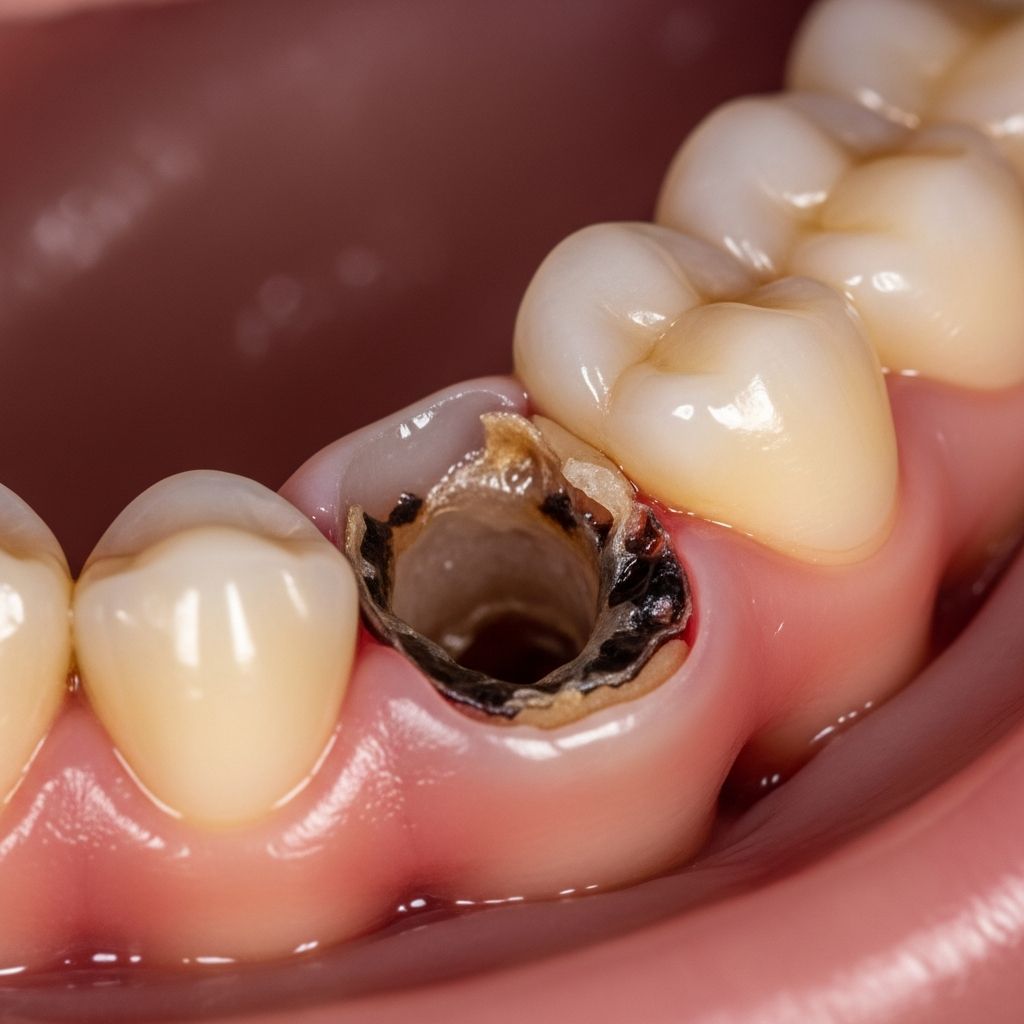
Dry socket, medically known as alveolar osteitis, is a painful complication that can develop after a tooth extraction. This condition occurs when the blood clot that normally protects the extraction site becomes dislodged or fails to form properly, exposing the underlying bone and nerves. Understanding what dry socket is, recognizing its symptoms, and knowing how to treat and prevent it can help ensure a smoother recovery after tooth removal.
What Is Dry Socket?
After your dentist removes a tooth, a blood clot naturally forms in the empty socket left behind. This blood clot is crucial for the healing process—it acts like a protective barrier that shields the bone and nerves underneath from exposure to air, food, fluids, and bacteria. The clot typically appears as a dark scab and remains in place while the socket heals over the following weeks.
However, in some cases, this protective blood clot either fails to form in the first place or becomes dislodged shortly after the extraction. When this happens, the bone and nerve endings become exposed directly to the oral environment. This exposure leads to the intense pain characteristic of dry socket, along with other uncomfortable symptoms that can persist for days or even weeks if left untreated.
Dry socket is the most common complication associated with tooth extraction procedures, though it still only occurs in a minority of extraction cases. Understanding the risk factors and warning signs can help you seek prompt treatment if this complication develops.
Symptoms and Signs of Dry Socket
The primary symptom of dry socket is severe pain in the extraction site, typically beginning a few days after the tooth removal. However, dry socket presents several distinctive symptoms that can help you identify the condition:
- Severe pain in the tooth socket that may radiate along the nerves of the face
- Visible bone at the extraction site instead of a dark blood clot
- Throbbing or constant discomfort that worsens over time
- Bad breath or foul odor emanating from the extraction site
- Visible inflammation or swelling of the gum tissue surrounding the socket
- Discolored or pale appearance of the extraction site
- Pain that is not adequately relieved by over-the-counter or prescribed pain medications
- Increased sensitivity to cold air or temperature changes
- Difficulty eating or drinking due to pain
If you notice the dark blood clot in your extraction socket, leave it alone. This is a sign of normal healing. However, if you see exposed bone instead of a dark clot, or if you experience severe pain days after extraction, these are indicators that you may have developed dry socket and should contact your dentist immediately.
Causes and Risk Factors
Dry socket develops when the blood clot at the extraction site breaks down too soon or fails to form properly. Several factors can increase your risk of developing this painful condition:
Primary Risk Factors
- Smoking and tobacco use: Smoking is one of the most significant risk factors for dry socket. The heat and chemicals from tobacco smoke can interfere with clot formation and stability.
- Oral contraceptives: Birth control pills can affect blood clotting and increase dry socket risk, particularly in women of reproductive age.
- Poor oral hygiene: Inadequate cleaning of the extraction site can increase bacterial growth and clot instability.
- Difficult extractions: Complex tooth removals requiring more aggressive surgical techniques create greater tissue trauma and increase complication risk.
- Previous dry socket history: If you’ve experienced dry socket after a previous extraction, you have a higher likelihood of developing it again.
- Excessive rinsing or spitting: Vigorous rinsing or forceful spitting can physically dislodge the forming blood clot.
- Using straws: The suction created when drinking through a straw can pull the blood clot from the socket.
- Wisdom tooth extraction: Third molars are more prone to dry socket complications than other teeth.
- Alcohol use: Consuming alcohol immediately after extraction can thin the blood and interfere with clot formation.
- Vigorous exercise: Strenuous physical activity too soon after extraction can increase blood flow and dislodge the clot.
Related Stories



Diagnosis
Your dentist or oral surgeon will diagnose dry socket through a combination of clinical examination and discussion of your symptoms. The diagnostic process typically includes:
Diagnostic Procedures
- Review of your medical history and current medications
- Visual examination of the extraction socket to check for the presence or absence of a blood clot
- Observation of exposed bone, which strongly indicates dry socket
- Gentle probing of the socket with sterile instruments to assess tenderness and sensitivity
- Evaluation of pain severity, location, and duration
- Discussion of your post-extraction activities, including smoking, poor oral hygiene, or straw use
- X-ray imaging in some cases to rule out remaining tooth fragments or other complications
In most cases, a visual examination combined with your description of symptoms is sufficient for diagnosis. Early diagnosis is important because prompt treatment can minimize pain and prevent serious complications like infection.
Treatment Options
The primary goal of dry socket treatment is pain relief and promotion of healing. Your dentist or oral surgeon may recommend a combination of professional treatments and at-home care:
Professional Dental Treatments
- Socket irrigation: Your dentist will gently flush the socket with saline solution or medicated rinse to remove debris and bacteria.
- Medicated dressing: A special packing or dressing containing numbing agents like lidocaine or eugenol is placed directly in the socket to relieve pain and promote healing.
- Pain management: Prescription or over-the-counter pain medications are recommended to manage discomfort during recovery.
- Antibiotic therapy: Antibiotics may be prescribed if infection is present or if there is significant risk of bacterial contamination.
At-Home Care and Management
In addition to professional treatment, several home care strategies can help manage dry socket symptoms and support healing:
- Rinse gently with warm salt water several times daily to keep the socket clean and reduce inflammation
- Take prescribed pain medications exactly as directed by your dentist
- Apply ice packs to the outside of your cheek for 15-20 minutes at a time to numb pain and reduce swelling
- Avoid smoking and all tobacco products, which can interfere with healing
- Avoid using straws when drinking, as suction can dislodge healing tissue
- Avoid carbonated and alcoholic beverages
- Eat soft, cool foods that don’t require vigorous chewing
- Sleep with your head elevated on extra pillows to reduce blood flow to the area
- Avoid vigorous rinsing or spitting
- Use a gentle, soft-bristled toothbrush when cleaning other teeth, avoiding the extraction site
Alternative Remedies
Some people find relief using natural remedies alongside professional treatment:
- Clove oil applied topically for its natural numbing properties
- Honey applied to gauze placed in the socket for its antimicrobial and soothing effects
- Cooled chamomile or green tea bags placed on the extraction site
- Turmeric mixed with salt water for its anti-inflammatory properties
- Aloe vera gel for its soothing and healing effects
Recovery Timeline
With proper treatment, dry socket typically shows significant improvement within three to seven days. Most patients experience substantial pain relief after the first professional treatment. However, complete healing of the extraction socket usually takes two to three weeks. The timeline can vary depending on the severity of the condition and how quickly you seek treatment after symptoms develop.
Prevention Strategies
While dry socket cannot always be prevented, following these guidelines after tooth extraction can significantly reduce your risk:
Immediate Post-Extraction Care
- Leave the blood clot undisturbed; do not touch, poke, or attempt to remove it
- Bite down gently on gauze for the recommended time period after extraction
- Avoid strenuous rinsing, spitting, or suction for at least one week
- Do not use straws for drinking for at least one week after extraction
- Avoid smoking and all tobacco products for at least 72 hours, ideally longer
- Avoid alcohol and hot beverages for the first few days
- Rest and limit physical activity for the first few days after extraction
Ongoing Prevention
- Maintain excellent oral hygiene, being gentle around the extraction site
- Eat soft foods and avoid foods that require vigorous chewing near the extraction site
- Continue any prescribed medications, especially birth control, as directed
- If you have a history of dry socket, inform your dentist before any future extractions
- Follow all post-operative instructions provided by your dental surgeon
Complications of Untreated Dry Socket
While dry socket is treatable, neglecting this condition can lead to serious complications:
- Infection: Exposed bone can become infected with bacteria, potentially spreading to surrounding tissues and bone.
- Osteomyelitis: In severe cases, bone infection can develop and become chronic, requiring more extensive treatment.
- Persistent pain: Untreated dry socket can result in prolonged, severe pain lasting weeks or longer.
- Delayed healing: The extraction site may take significantly longer to heal without proper treatment.
- Nerve damage: Rarely, severe dry socket can cause temporary or permanent nerve damage, resulting in numbness or tingling.
- Bone necrosis: In extreme cases, the exposed bone may die, requiring additional surgical intervention.
When to Contact Your Dentist
You should contact your dentist immediately if you experience any of the following:
- Severe pain developing three to four days after tooth extraction
- Visible bone at the extraction site
- Pain that is not relieved by prescribed or over-the-counter pain medications
- Fever or signs of infection
- Swelling that increases rather than decreases over time
- Foul taste or odor from the extraction site
- Pus or discharge from the socket
- Difficulty opening your mouth or swallowing
Frequently Asked Questions
How long does dry socket last?
With proper professional treatment, dry socket pain typically improves significantly within three to seven days. Complete healing of the extraction site usually takes two to three weeks. Without treatment, symptoms can persist for several weeks or longer.
Can dry socket heal on its own?
While dry socket may eventually resolve without treatment, professional care is strongly recommended. Treatment significantly reduces pain and healing time. Attempting to manage dry socket at home alone can increase the risk of infection and complications.
Does salt water help dry socket?
Yes, gentle salt water rinses can provide relief and help keep the extraction site clean. Rinse with warm salt water several times daily, being careful not to rinse too vigorously, as this can disturb healing tissue.
Is dry socket preventable?
While dry socket cannot be completely prevented, following post-extraction instructions carefully—particularly avoiding smoking, straws, and strenuous activity—can significantly reduce your risk of developing this painful complication.
What is the difference between normal healing and dry socket?
Normal healing includes a dark blood clot visible in the socket, mild to moderate discomfort that improves over several days, and gradual reduction in swelling. Dry socket involves severe pain developing several days after extraction, visible bone instead of a blood clot, and pain that worsens rather than improves.
References
- Dry Socket: Symptoms, Causes & Treatment — Cleveland Clinic. 2024. https://my.clevelandclinic.org/health/diseases/17731-dry-socket
- Dry Socket Explained: Managing Pain and Promoting Healing — Omaha Dentists. 2024. https://omahadentists.net/blog/dry-socket-explained-managing-pain-and-promoting-healing/
- Dry Socket: Symptoms, Causes, Treatment, Prevention — WebMD. 2024. https://www.webmd.com/oral-health/dry-socket-symptoms-and-treatment
- Tooth Extraction: Surgery & Healing — Cleveland Clinic. 2024. https://my.clevelandclinic.org/health/treatments/22120-tooth-extraction
- What To Do After Oral Surgery: Recovery and Self-Care — Cleveland Clinic Health. 2024. https://health.clevelandclinic.org/post-op-recovery-oral-surgery
- Wisdom Teeth Removal: Procedure & Recovery — Cleveland Clinic. 2024. https://my.clevelandclinic.org/health/treatments/22119-wisdom-teeth-removal
Similar Articles








Read full bio of medha deb