The Dubious Practice of Detox: Separating Fact from Fiction
Exploring the science behind detox diets and why your body may not need them.
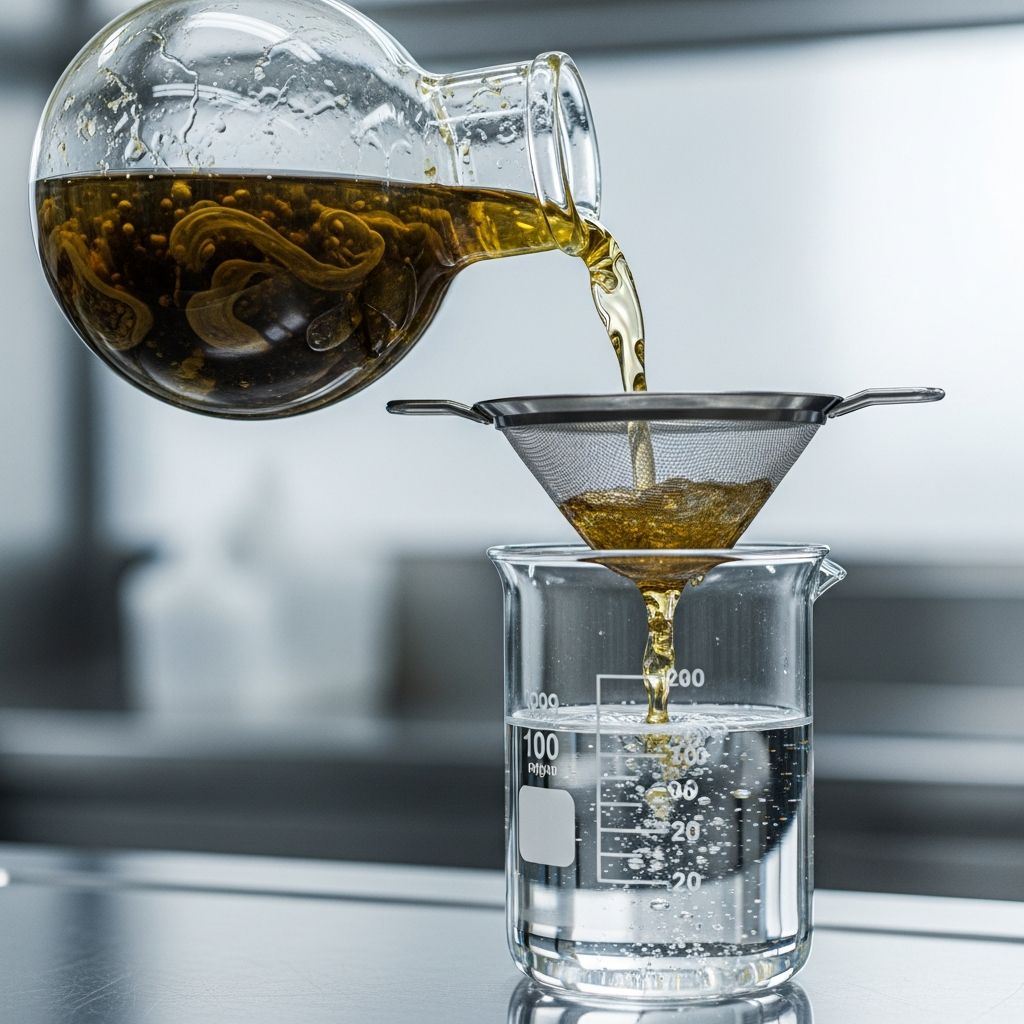
Detox diets have become a cultural phenomenon, with celebrities, wellness influencers, and health companies promoting various cleansing regimens as essential for removing harmful toxins from the body. From juice cleanses to colon cleanses, from restrictive eating protocols to herbal supplements, the detox industry has grown into a multi-billion-dollar enterprise. Yet despite their widespread popularity, a critical question remains: Do detox diets actually work, and are they necessary for maintaining good health? The answer, based on scientific evidence, may surprise you.
Understanding Detox Diets: What Are They?
Detox diets are short-term dietary interventions designed with the primary claim of removing accumulated toxins from the body while simultaneously promoting weight loss and improving overall health. The fundamental premise underlying these programs is that harmful substances—including pollutants, heavy metals, pesticides, and chemicals from air, water, and food—accumulate in body tissues, fat cells, and bone, potentially compromising health.
These dietary regimens typically involve restrictive eating patterns and may incorporate various approaches to achieve their detoxification goals:
- Fasting or severely limiting food intake
- Consuming only fresh juices or similar beverages for extended periods
- Eliminating specific food groups thought to introduce toxins or slow digestion
- Using dietary supplements, herbs, and commercial detox products
- Undergoing colon cleansing procedures including enemas or colonic irrigation
- Reducing environmental exposures through sauna use or other methods
The most common detox approaches include juice cleanses, where participants consume only fruit and vegetable juices for days while avoiding solid foods, and restricted diet programs that eliminate processed foods, red meat, dairy, gluten, and caffeine in favor of organic produce and healthy fats.
The Scientific Evidence: What Research Actually Shows
When examining the scientific literature on detox diets, a clear pattern emerges: the evidence supporting their effectiveness is remarkably sparse and unconvincing. A 2015 review of available research concluded that there was no compelling evidence to support the use of detox diets for weight management or eliminating toxins from the body. Similarly, a 2014 review study found no evidence that detox diets eliminate toxins from the body or help with long-term weight loss.
The few studies that have examined detoxification programs in humans have significant limitations. While some have reported positive results regarding weight and fat loss, insulin resistance, and blood pressure, these studies have been characterized by poor study design, small participant numbers, and limited peer review. Notably, there have been no studies examining the long-term effects of detoxification programs, making it impossible to assess whether any benefits persist over time.
A 2017 research review specifically addressed weight loss claims, finding that juice and detox diets do produce initial weight loss, but this occurs primarily due to dramatically reduced calorie intake rather than any special detoxifying properties of the diets. Importantly, participants typically regain the weight once they resume a normal eating pattern, meaning any long-term weight loss benefit is essentially non-existent.
How Your Body Actually Removes Toxins
One of the most crucial insights from medical science is that the human body possesses sophisticated natural detoxification systems that work continuously without requiring special diets or commercial products. Your liver and kidneys are highly efficient organs that naturally filter out harmful toxins from your bloodstream and tissues. These organs are specifically evolved and designed to eliminate waste products and harmful substances through regular metabolic processes.
Related Stories



The fundamental truth that detox advocates often overlook is that toxins do not accumulate in your liver, kidneys, or other body organs to the extent that commercial detox products claim. Your body is an expert at managing and eliminating toxins regardless of what diet you follow. This natural detoxification process occurs continuously, making special detox diets unnecessary for maintaining the body’s ability to remove harmful substances.
When detox diets do produce feelings of improved well-being and increased energy, these benefits are not attributable to toxin removal. Instead, they result from the temporary elimination of processed foods, refined sugars, and unhealthy eating habits that characterize many people’s regular diets. In other words, you can achieve similar benefits through simply eating cleaner without undertaking a restrictive detox program.
Potential Risks and Safety Concerns
While some detox proponents dismiss concerns about safety, regulatory agencies and medical professionals have documented numerous risks associated with these practices. Understanding these dangers is essential for making informed decisions about your health.
FDA and FTC Concerns
The U.S. Food and Drug Administration (FDA) and Federal Trade Commission (FTC) have taken legal action against multiple companies selling detox and cleansing products. These enforcement actions have been necessary because detox companies have engaged in deceptive practices including: containing hidden and potentially harmful ingredients, marketing false claims that products can treat serious diseases, and marketing medical devices for unapproved uses.
Colon Cleansing Complications
Colon cleansing procedures, which are sometimes recommended as part of detox regimens, present particular safety concerns. There is limited clinical evidence validating colonic irrigation, and insufficient evidence supports its prescribed uses. These procedures can produce serious side effects, with heightened risks for individuals with gastrointestinal disease history, previous colon surgery, severe hemorrhoids, kidney disease, or heart disease.
Bacterial Contamination from Unpasteurized Juices
Fresh juices used in detox cleanses that haven’t been pasteurized or otherwise treated to eliminate harmful bacteria can cause serious illness. This risk is particularly acute for vulnerable populations including children, elderly individuals, and people with compromised immune systems. Pregnant and nursing women also face elevated risks from consuming untreated juices containing potentially harmful pathogens.
Nutritional Deficiencies and Electrolyte Imbalances
Diets that severely restrict calories or limit the types of foods consumed usually fail to provide all necessary nutrients required for optimal health. Additionally, consuming large quantities of water and herbal tea while eating no food for days can lead to dangerous electrolyte imbalances that may compromise heart function and overall physiological stability.
Digestive and Gastrointestinal Issues
The dramatic dietary changes involved in detox programs, combined with herbs and supplements often recommended alongside these diets, can cause stomach and digestive problems. Many people experience uncomfortable side effects including constipation, diarrhea, nausea, and abdominal discomfort when beginning these restrictive regimens.
Special Populations at Risk
Certain individuals face heightened risks from detox diets and should avoid them entirely without professional medical guidance. People with diabetes represent a particularly vulnerable group, as severe dietary restriction can lead to dangerously low blood sugar levels in individuals taking diabetes medications. Additionally, those with existing medical conditions including high cholesterol, high blood pressure, heart disease, or compromised kidney function should exercise extreme caution, as detox diets are not supported by research showing benefits for these conditions and may actually prove harmful.
The Weight Loss Myth: Why Detox Diets Fail Long-Term
One of the most persistent claims about detox diets is their ability to produce sustainable weight loss. However, this assertion does not withstand scrutiny. While detox diets may produce initial weight loss, this occurs because they dramatically reduce calorie intake rather than through any special metabolic or detoxifying properties.
The problem becomes apparent when people return to normal eating patterns. The weight invariably returns, meaning nothing has actually been accomplished in terms of lasting weight management. From a metabolic and nutritional perspective, yo-yo dieting caused by detox regimens can actually be counterproductive to long-term health goals. Instead of pursuing temporary detox fixes, establishing sustainable eating habits provides far superior outcomes for weight management and overall wellness.
Common Detox Diet Components and What to Avoid
Understanding the typical elements of detox programs helps you evaluate whether a particular regimen is worthwhile:
| Detox Component | Typical Claims | Scientific Support | Recommendation |
|---|---|---|---|
| Juice Cleanses | Rest digestive system, provide vitamins and antioxidants | Minimal; weight loss from calorie restriction only | Avoid; consume whole fruits and vegetables instead |
| Laxatives and Colon Cleansing | Remove toxins and waste buildup | Insufficient evidence; can be harmful | Avoid unless medically necessary |
| Herbal Supplements | Support liver function and toxin removal | Limited evidence; variable quality and safety | Discuss with healthcare provider before use |
| Restrictive Diets | Remove toxin-containing foods | No specific toxin-removal benefit demonstrated | Acceptable if focuses on whole foods, not extreme |
| Fasting | Give organs rest and promote detoxification | No specific detox benefit; can cause side effects | Avoid without medical supervision |
What Actually Works: A Science-Based Approach
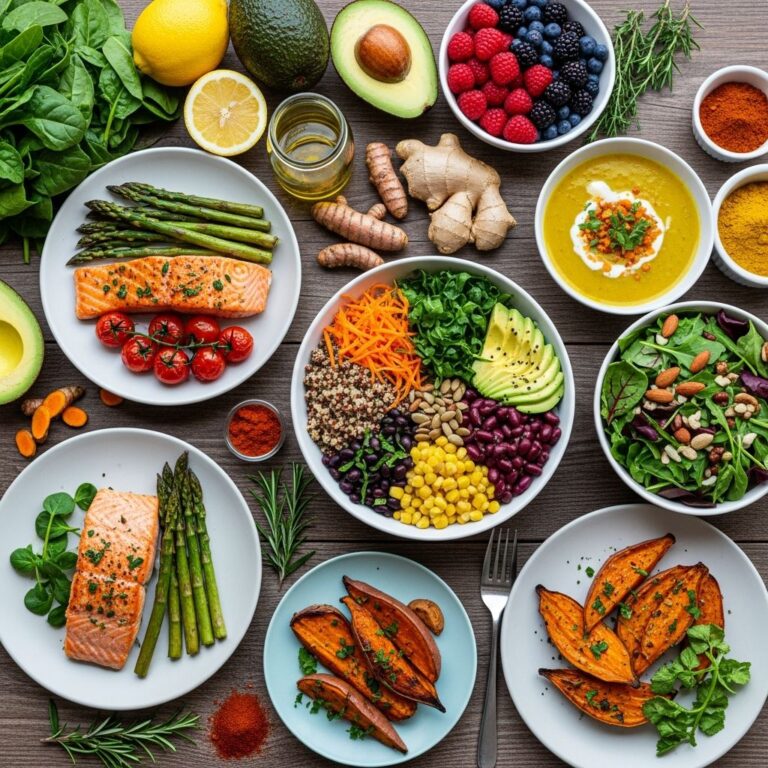
Rather than pursuing expensive and potentially dangerous detox programs, consider that the most worthwhile dietary approach involves common-sense principles supported by evidence. A clean-eating strategy that limits processed, high-fat, and sugary foods while replacing them with abundant whole foods including fruits, vegetables, lean proteins, and healthy fats provides genuine health benefits.
This approach doesn’t require special supplements, restrictive protocols, or commercial products. Instead, it focuses on fundamental nutrition principles: eating minimally processed foods, maintaining adequate hydration with water, getting sufficient sleep, exercising regularly, and managing stress effectively. These lifestyle factors support your body’s natural detoxification systems far more effectively than any commercial detox product.
For individuals interested in resetting eating habits, a clean-eating approach can help break unhealthy patterns involving dependence on processed or sugary foods. This gradual transition to better dietary habits produces sustainable results without the risks associated with extreme detox protocols.
Frequently Asked Questions
Q: Do I need a detox diet to remove toxins from my body?
No. Your liver and kidneys naturally filter toxins from your body continuously. There is no scientific evidence that toxins accumulate to dangerous levels or that special diets are necessary to remove them.
Q: Can detox diets help me lose weight permanently?
Detox diets may produce temporary weight loss due to reduced calorie intake, but weight typically returns once normal eating resumes. They do not provide sustainable weight loss solutions.
Q: Are juice cleanses safe?
Unpasteurized juices can harbor harmful bacteria dangerous to children, elderly individuals, and people with weakened immune systems. Even pasteurized juices provide incomplete nutrition when consumed exclusively.
Q: What if I have diabetes? Can I do a detox diet?
People with diabetes should avoid detox diets, as severe dietary restriction can cause dangerously low blood sugar levels in those taking diabetes medications. Consult your healthcare provider before making significant dietary changes.
Q: Is colon cleansing beneficial?
There is insufficient evidence supporting colon cleansing procedures, and they can cause serious side effects, particularly for those with gastrointestinal conditions.
Q: What should I do instead of trying a detox diet?
Focus on clean eating: eliminate processed foods, refined sugars, and unhealthy fats while incorporating abundant fruits, vegetables, and whole grains. Maintain proper hydration, get adequate sleep, exercise regularly, and manage stress.
The Bottom Line
The detox diet industry thrives on the false premise that your body is incapable of managing toxins on its own and that special products are necessary to maintain health. Scientific evidence does not support these claims. Your liver and kidneys work continuously to eliminate harmful substances, and detox diets offer no advantages over your body’s natural processes.
While you may feel better after a detox diet, this improvement results from temporarily eliminating unhealthy foods rather than from toxin removal. More importantly, any weight loss achieved is temporary and unsustainable. For genuine, long-lasting health improvements, focus on the fundamentals: eating whole foods, staying hydrated, exercising regularly, getting adequate sleep, and managing stress.
Before starting any detox program, particularly if you have existing medical conditions or take medications, consult with your healthcare provider. Together, you can develop a safe, evidence-based approach to improving your health that doesn’t rely on dubious detox claims or potentially harmful products. Your body’s natural detoxification systems are more capable than any commercial detox product—trust them, and focus instead on supporting your health through sustainable lifestyle choices.
References
- Detox Diets: Do They Work? Are They Healthy? — WebMD. 2024. https://www.webmd.com/diet/detox-diets
- “Detoxes” and “Cleanses”: What You Need To Know — National Center for Complementary and Integrative Health (NCCIH), U.S. National Institutes of Health. 2024. https://www.nccih.nih.gov/health/detoxes-and-cleanses-what-you-need-to-know
- Top 10 Nutrition Myths, Debunked — American Association of Retired Persons (AARP). 2024. https://www.aarp.org/health/healthy-living/nutrition-myths-debunked/
- Diet review: Detox diets — Harvard Medical School. 2024. https://www.health.harvard.edu/diet-and-weight-loss/diet-review-detox-diets
Similar Articles








Read full bio of Sneha Tete