Duck-Footed: Symptoms, Causes, and Treatment
Discover what duck-footed or out-toeing means, its symptoms, causes in kids and adults, treatments, and when to see a doctor for this common gait issue.
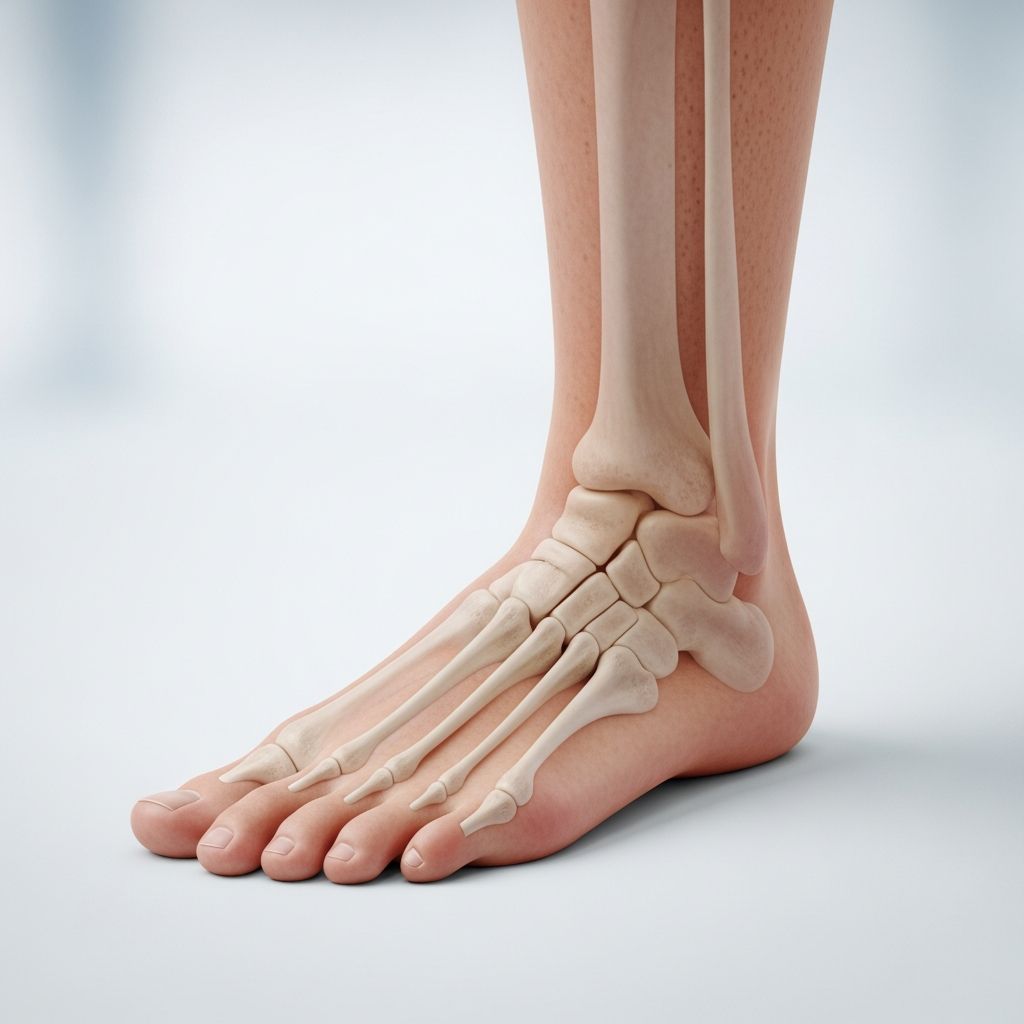
Out-toeing, commonly known as being duck-footed, is a gait pattern where the feet point outward rather than straight ahead. This condition is prevalent in toddlers learning to walk but can persist or develop in adults due to various factors.
What Is Duck-Footed or Out-Toeing?
Duck-footed refers to a walking style where toes turn outward, creating a waddling gait resembling a duck’s. Medically termed out-toeing, it contrasts with in-toeing (pigeon-toed). It’s often benign in young children, who typically outgrow it by age 8, but severe cases may require intervention.
In normal alignment, feet should point parallel and forward. Out-toeing beyond 10 degrees is suboptimal and can lead to biomechanical issues over time.
Symptoms of Duck-Footed Gait
Recognizing out-toeing is straightforward:
- Toes point outward more than straight ahead, especially noticeable during running.
- Waddling or clumsy walk in toddlers.
- Uneven shoe wear, with scuffs on outer edges.
- In adults, lower back, hip, knee, or foot pain from compensatory strain.
- Reduced athletic performance or frequent injuries in children.
To self-check: Stand with feet shoulder-width apart. If toes angle out significantly, you may have duck-footed posture.
Causes of Out-Toeing in Children and Adults
Out-toeing stems from rotational deformities in the legs, hips, or feet. Common causes include:
- Femoral retroversion: The femur (thigh bone) rotates backward, primary in children, leading to duck-like gait.
- Tibial torsion: Twisting of the shin bone outward.
- Metatarsus adductus: Curved forefoot, less common for out-toeing.
- In adults: Sedentary habits, poor posture, muscle imbalances (weak glutes, tight hips), injuries, or flat feet.
It’s more obvious in one foot (often left or right equally) or both, common in men standing but anyone can exhibit it.
| Age Group | Common Causes | Prevalence |
|---|---|---|
| Toddlers (1-3 years) | Femoral retroversion, physiological out-toeing | Very common, often resolves |
| Children (4-8 years) | Tibial torsion, persistent retroversion | Decreases with growth |
| Adults | Muscle weakness, posture, injury | Increases with lifestyle factors |
Is Duck-Footed a Concern?
Mild out-toeing is usually harmless and self-corrects. However, severe or persistent cases can destabilize the body like a ‘house of cards,’ leading to joint wear.
- In children: May affect balance, running, or sports performance.
- In adults: Inefficient movement, like driving with flat tires, causes premature joint stress.
Parents notice it in early walking; adults from pain or fatigue.
Home Remedies and Exercises to Fix Duck-Footed Posture
Many improve with conservative approaches:
- Stretching: Hip internal rotators, piriformis muscle to reduce tightness.
- Strengthening: Glutes, core for better alignment. Clamshells, bridges target weak areas.
- Posture awareness: Practice standing with feet parallel; use mirrors or tape lines on floor.
- Footwear: Supportive shoes, avoid orthotics that weaken arches long-term.
- Activity: Barefoot walking on varied surfaces to strengthen feet.
Video guides emphasize gradual correction to avoid injury.
When to See a Doctor for Out-Toeing
Consult a pediatrician or orthopedist if:
- Child over 8 still out-toes severely.
- Pain, limping, or frequent falls.
- Asymmetric gait or family history of skeletal issues.
- Adult onset with pain in knees, hips, or back.
Related Stories



Diagnosis of Duck-Footed Condition
Doctors perform:
- History intake: Duration, family history, injuries.
- Physical exam: Leg rotation, flexibility, gait observation.
- Imaging: X-rays or CT for bone deformities if needed.
Medical Treatments for Out-Toeing
Treatments vary by cause and age:
- Watchful waiting: For kids under 6; 90% resolve naturally.
- Physical therapy: Customized exercises for muscle balance, hip mobility.
- Braces/orthotics: Rarely, for severe cases.
- Surgery: Femoral derotation osteotomy for persistent retroversion post-growth.
Complications of Untreated Duck-Footed Gait
Severe out-toeing risks:
- Muscle atrophy in legs/glutes.
- Knee/ankle injuries from misalignment.
- Flat feet, foot pain.
- Piriformis syndrome causing sciatica.
Takeaway on Managing Duck-Footed Walking
Duck-footed out-toeing is common, especially in kids, and often resolves without issue. Early awareness, exercises, and professional guidance prevent long-term problems. Promote parallel foot alignment for optimal body mechanics.
Frequently Asked Questions (FAQs)
Is being duck-footed normal in toddlers?
Yes, many toddlers exhibit out-toeing as they learn to walk, typically outgrowing it by age 8.
Can adults fix duck-footed posture?
Absolutely, through targeted exercises, PT, and posture correction; consistency yields results.
Does out-toeing cause knee pain?
It can contribute to knee strain and injuries due to altered biomechanics.
When does out-toeing require surgery?
Only in severe, persistent cases like femoral retroversion not corrected by age 8-10.
Are orthotics helpful for duck feet?
Short-term yes, but long-term use may weaken foot arches; focus on strengthening.
References
- Duck-Footed, or Out-Toeing: Symptoms, Causes & More — Healthline. 1970-01-01 (updated). https://www.healthline.com/health/duck-footed
- Why your turned out duck feet are trashing your body — SortYourPostureOut. N/A. https://sortyourpostureout.com/why-your-turned-out-duck-feet-are-trashing-your-body/
- Pediatric Out-Toeing (Femoral Retroversion) — Pediatric Foot & Ankle. N/A. https://pediatricfootankle.com/foot-conditions/out-toeing-femoral-retroversion/
- Why You Shouldn’t Stand or Walk With Your Feet Turned Out — YouTube (Tone and Tighten). N/A. https://www.youtube.com/watch?v=3YaOkPOzKGk
- How to Fix Duck Feet! (Out-Toeing) — YouTube (Vaughan Thompson). 2021-05-24. https://www.youtube.com/watch?v=YnglJPO5XFI
- How In-Toeing and Out-Toeing Impact Your Child’s Athletic Performance — Knight Foot and Ankle. N/A. https://knightfootandankle.com/blog/how-in-toeing-and-out-toeing-impact-your-childs-athletic-performance
- Out-Toeing — Nemours KidsHealth. N/A. https://kidshealth.org/en/parents/out-toeing.html
Similar Articles








Read full bio of medha deb