Duloxetine for Mood and Nerve Disorders: Cymbalta
Complete guide to duloxetine use, side effects, and management strategies.
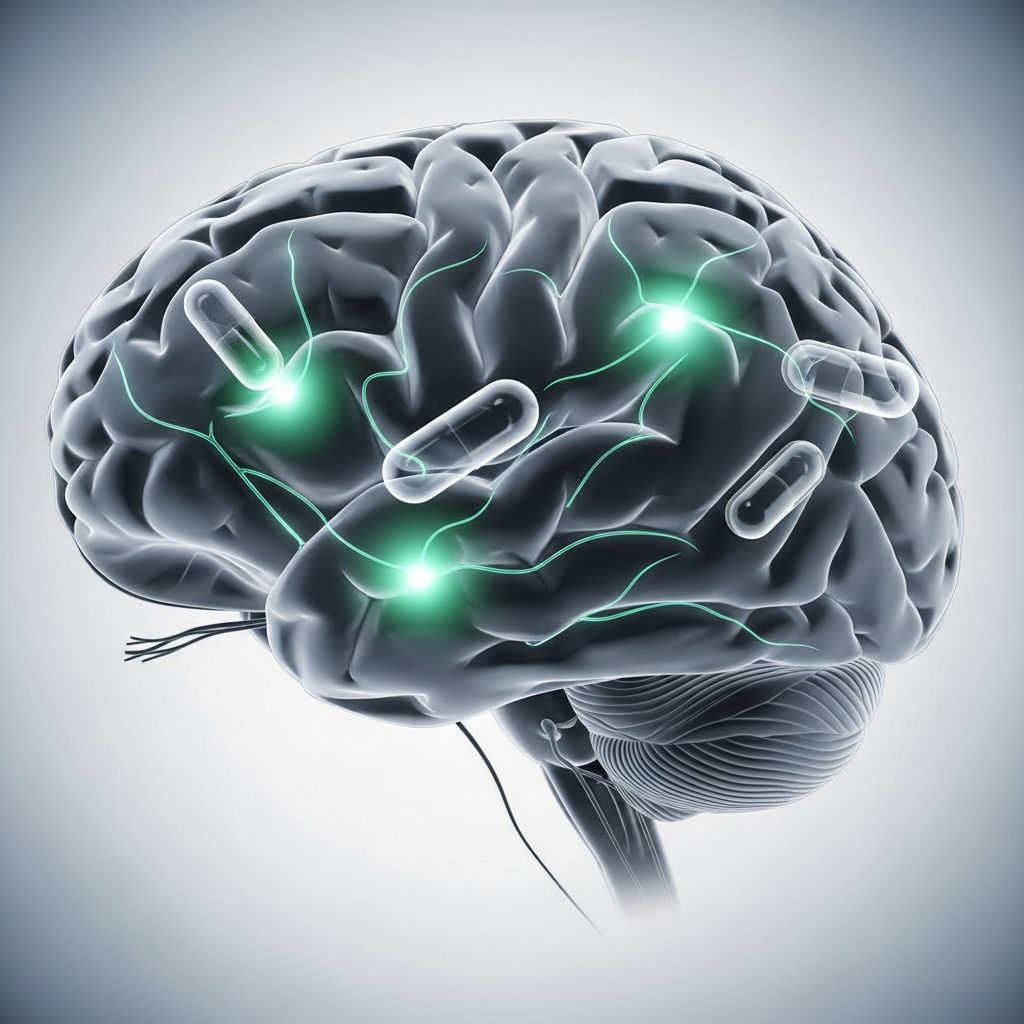
Duloxetine for Mood and Nerve Disorders
Duloxetine is a prescription antidepressant medication commonly known by its brand names Cymbalta, Depalta, and Duciltia. It belongs to a class of medications called serotonin-norepinephrine reuptake inhibitors (SNRIs). Duloxetine is prescribed to treat depression, anxiety disorders, and certain types of chronic pain conditions including fibromyalgia, diabetic peripheral neuropathic pain, and generalized musculoskeletal pain. This medication works by increasing levels of serotonin and norepinephrine in the brain, neurotransmitters that play crucial roles in mood regulation and pain perception.
What Is Duloxetine?
Duloxetine is available as a delayed-release oral capsule that is taken by mouth, typically once or twice daily depending on the condition being treated and individual patient factors. The delayed-release formulation allows the medication to be absorbed in the small intestine rather than the stomach, which can help reduce gastrointestinal side effects for some patients. Healthcare providers prescribe duloxetine for various conditions affecting mental health and chronic pain, making it a versatile medication in the treatment arsenal.
Uses of Duloxetine
Duloxetine serves multiple therapeutic purposes across different medical conditions:
- Major Depressive Disorder: Duloxetine is effective in treating depression and helping patients experience improved mood and emotional stability.
- Generalized Anxiety Disorder: The medication helps reduce excessive worry and anxiety symptoms that interfere with daily functioning.
- Fibromyalgia: Duloxetine is FDA-approved for managing the widespread musculoskeletal pain and fatigue associated with fibromyalgia.
- Chronic Pain Conditions: The medication effectively treats diabetic peripheral neuropathic pain, osteoarthritis pain, and chronic musculoskeletal pain.
- Stress Urinary Incontinence: In some cases, duloxetine may be prescribed to help manage stress incontinence symptoms.
How Duloxetine Works
Duloxetine functions as a serotonin-norepinephrine reuptake inhibitor by preventing the reabsorption of these two important neurotransmitters in the brain. By blocking the reuptake of serotonin and norepinephrine, the medication increases the availability of these chemicals at nerve synapses. Serotonin is essential for mood regulation, while norepinephrine plays a role in attention, alertness, and pain perception. This dual action makes duloxetine particularly useful for treating both mood disorders and pain conditions simultaneously.
Common Side Effects of Duloxetine
Many patients taking duloxetine experience mild side effects, particularly during the initial weeks of treatment. The most frequently reported side effects include:
- Nausea: Affects approximately 1 in 4 people during clinical trials and typically occurs within the first week of treatment. Taking the medication with food may help reduce this symptom.
- Dry Mouth: A common but usually manageable side effect.
- Drowsiness or Fatigue: Sleepiness and low energy are frequently reported, particularly when starting the medication.
- Dizziness: Lightheadedness may occur, especially when standing up quickly.
- Constipation: Digestive changes are common with duloxetine use.
- Loss of Appetite: Some patients experience decreased hunger and weight loss.
- Increased Sweating: Excessive perspiration may occur in some individuals.
- Headache: Tension headaches have been reported by some patients.
- Insomnia: Difficulty sleeping may develop, though this often improves if the medication is taken in the morning.
- Sexual Side Effects: Some patients report changes in sexual function or desire.
Related Stories



These mild side effects frequently improve within the first two to four weeks as the body adjusts to the medication. Most patients find that any initial discomfort is temporary and manageable.
Managing Common Side Effects
Nausea: If you experience nausea, try taking your dose with food. If nausea persists beyond the first week or worsens, contact your healthcare provider.
Dry Mouth: Stay well-hydrated by drinking plenty of water throughout the day. Sugar-free lozenges or gum may also provide relief.
Drowsiness: If sleepiness is bothersome, take your medication at bedtime rather than in the morning. Avoid driving or operating machinery until you know how the medication affects you.
Dizziness: Change positions slowly when standing up from sitting or lying down. This can help minimize lightheadedness.
Constipation: Increase fiber and fluid intake, and engage in regular physical activity. Over-the-counter remedies may be helpful, but consult your doctor before using them.
Difficulty Sleeping: Take duloxetine first thing in the morning to reduce insomnia. Maintain consistent sleep schedules and practice good sleep hygiene.
Headaches: Rest, relaxation, and adequate hydration often help. Monitor the frequency and severity of headaches and inform your healthcare provider if they persist.
Serious Side Effects
While uncommon, duloxetine can cause serious side effects that require immediate medical attention. Contact your healthcare provider or seek emergency care if you experience any of the following:
- Serotonin Syndrome: A potentially dangerous condition characterized by fever, confusion, agitation, rapid heartbeat, muscle rigidity, and tremors. This is more likely when combining duloxetine with other serotonergic medications.
- Severe Allergic Reactions: Symptoms include rash, hives, swelling of the face or throat, difficulty breathing, or anaphylaxis.
- Severe Skin Reactions: Stevens-Johnson Syndrome (SJS) and Toxic Epidermal Necrolysis (TEN) are rare but serious conditions characterized by painful blistering, peeling skin, and red lesions. Stop taking duloxetine immediately if these symptoms develop.
- Angle-Closure Glaucoma: Duloxetine may increase eye pressure, causing vision loss, severe eye pain, or redness. This risk is higher in people with narrow angles in their eyes.
- Increased Blood Pressure: Duloxetine may raise blood pressure due to norepinephrine effects on blood vessels. Monitor your blood pressure regularly, especially if you have a history of hypertension.
- Liver Damage: Although rare, liver injury has been reported. Warning signs include abdominal pain, yellowing of the skin or eyes, and dark urine. Avoid or minimize alcohol consumption while taking duloxetine.
- Seizures: Some individuals have experienced seizures while taking duloxetine, though this is uncommon.
- Suicidal Thoughts: Antidepressants may increase the risk of suicidal ideation, particularly in young adults. Close monitoring is essential, especially early in treatment.
- Withdrawal Symptoms: Stopping duloxetine abruptly can cause withdrawal effects including dizziness, electric shock sensations, headaches, and mood changes. Always taper gradually under medical supervision.
Precautions and Contraindications
Before taking duloxetine, inform your healthcare provider about any existing medical conditions, particularly liver disease, kidney disease, glaucoma, high blood pressure, bleeding disorders, or a history of seizures. Duloxetine may not be suitable for patients with certain conditions or may require dose adjustments. Additionally, avoid combining duloxetine with monoamine oxidase inhibitors (MAOIs) and certain other medications that affect serotonin levels, as these combinations can cause serious interactions.
Drug Interactions
Duloxetine can interact with various medications and supplements. Notable interactions include anticoagulants and antiplatelet drugs (which may increase bleeding risk), other serotonergic medications (SSRIs, SNRIs, tramadol), and MAOIs. Always provide your healthcare provider with a complete list of all medications and supplements you take.
Dosage and Administration
Duloxetine is typically started at a low dose, usually 30 60 mg once daily, depending on the condition being treated. Your healthcare provider may gradually increase the dose based on your response and tolerance. Standard maintenance doses range from 60 120 mg daily. The medication should be taken at the same time each day, with or without food, though taking it with food may help reduce nausea. Swallow the capsule whole; do not crush, chew, or open it.
Pregnancy and Breastfeeding
If you are pregnant, planning to become pregnant, or breastfeeding, discuss duloxetine use with your healthcare provider. Antidepressants during pregnancy involve complex risk-benefit considerations that should be carefully evaluated. Some research suggests potential risks to the developing fetus, while untreated depression also poses risks. Your healthcare provider can help determine the safest approach for your specific situation.
Overdose and Emergency Information
Symptoms of duloxetine overdose include agitation, diarrhea, fever, loss of bladder control, muscle spasms, poor coordination, and unusual sleepiness. If you suspect an overdose, contact poison control (1-800-222-1222 in the United States) or seek emergency medical care immediately. Keep duloxetine out of reach of children and pets.
Frequently Asked Questions
Q: How long does it take for duloxetine to work?
A: Most patients begin noticing improvements in mood and pain symptoms within 2 4 weeks of starting duloxetine, though some may require 6 8 weeks to experience full benefits. Patience is important as the medication works gradually.
Q: Can I stop taking duloxetine abruptly?
A: No. Stopping duloxetine suddenly can cause withdrawal symptoms including dizziness, headaches, and mood changes. Always work with your healthcare provider to gradually taper the dose over several weeks.
Q: Is duloxetine addictive?
A: Duloxetine is not considered addictive, though physical dependence can develop with prolonged use, making gradual discontinuation necessary.
Q: Can I drink alcohol while taking duloxetine?
A: It is best to avoid or minimize alcohol consumption while taking duloxetine, particularly because alcohol can increase the risk of liver damage and may worsen drowsiness and dizziness.
Q: What should I do if I miss a dose?
A: Take the missed dose as soon as you remember. However, if it is nearly time for your next dose, skip the missed dose and resume your regular schedule. Never double-dose to make up for a missed dose.
Q: Can duloxetine be used in children?
A: Duloxetine may be prescribed for adolescents with depression or anxiety under close medical supervision. In children, common side effects include nausea, decreased weight, dizziness, diarrhea, and stomach pain. Benefits and risks must be carefully evaluated.
Q: Will duloxetine affect my ability to drive?
A: Duloxetine can cause drowsiness, dizziness, and blurred vision, which may impair driving ability. Avoid driving or operating machinery until you know how the medication affects you, particularly when first starting treatment.
Conclusion
Duloxetine (Cymbalta) is an effective medication for treating depression, anxiety, and chronic pain conditions. While it can cause side effects, most are mild and temporary, improving as your body adjusts. Serious side effects are uncommon but require immediate medical attention. Always take duloxetine exactly as prescribed, maintain regular contact with your healthcare provider, and report any concerning symptoms. If you have questions about your medication, discuss them with your doctor or pharmacist, who can provide personalized guidance based on your health status and needs.
References
- Cymbalta (Duloxetine) Side Effects 5 GoodRx. 2025. https://www.goodrx.com/duloxetine/cymbalta-side-effects
- Duloxetine (Oral Route) 5 Side Effects & Dosage 5 Mayo Clinic. 2025. https://www.mayoclinic.org/drugs-supplements/duloxetine-oral-route/description/drg-20067247
- Duloxetine (Cymbalta, Drizalma Sprinkle): Uses, Side Effects 5 WebMD. 2025. https://www.webmd.com/drugs/2/drug-91491/cymbalta-oral/details
- Duloxetine: Side Effects, Dosage, Uses, and More 5 Medical News Today. 2024. https://www.medicalnewstoday.com/articles/duloxetine-oral-capsule
- Duloxetine Oral Capsule: Side Effects, Uses, Dosage, and More 5 Healthline. 2025. https://www.healthline.com/health/drugs/duloxetine-oral-capsule
- Side Effects of Duloxetine 5 NHS. 2024. https://www.nhs.uk/medicines/duloxetine/side-effects-of-duloxetine/
- Duloxetine: Uses, Interactions, Mechanism of Action 5 DrugBank. 2025. https://go.drugbank.com/drugs/DB00476
Similar Articles








Read full bio of medha deb