Duloxetine for Urinary Symptoms (Yentreve)
Effective treatment for stress urinary incontinence in women using duloxetine (Yentreve®) alongside pelvic floor exercises.
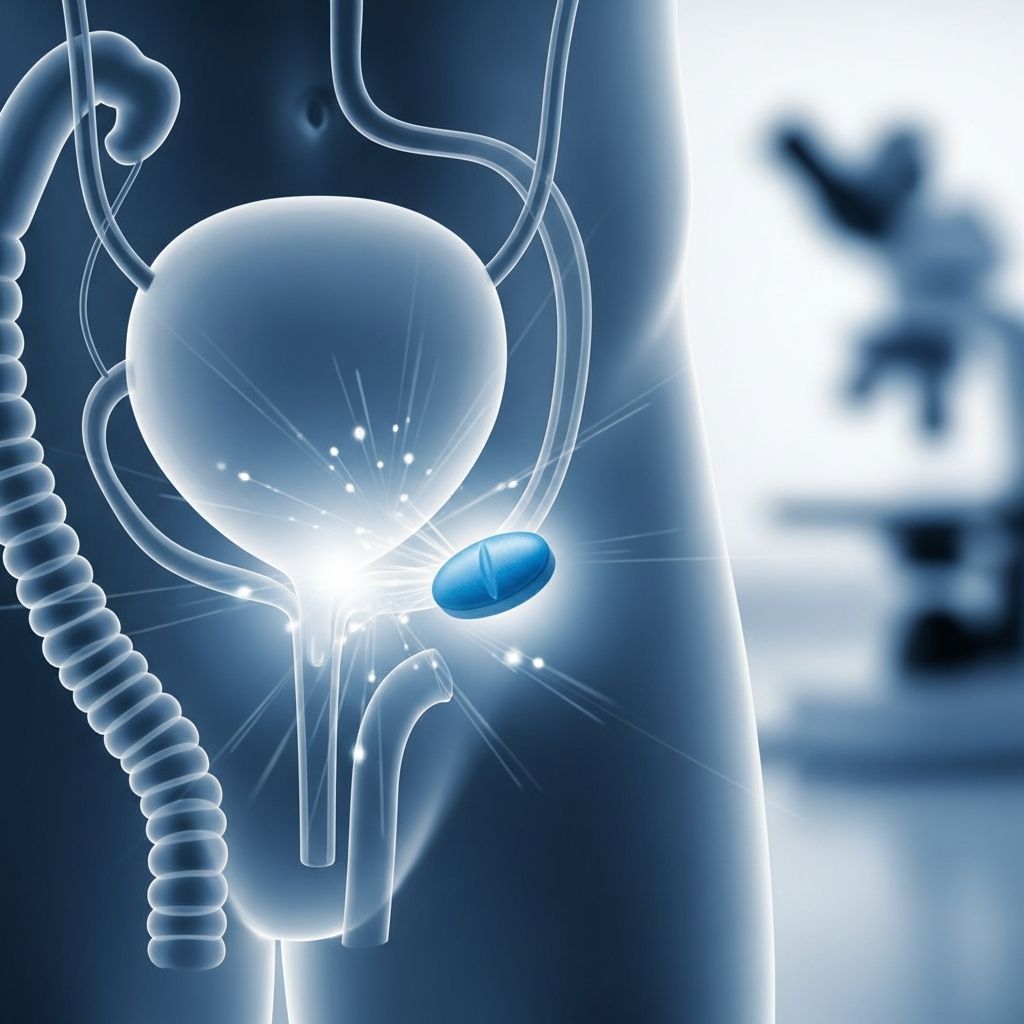
The brand of duloxetine known as Yentreve® is specifically prescribed for women experiencing stress urinary incontinence. This condition involves involuntary urine leakage during activities like coughing, sneezing, laughing, or exercising. The standard dosage is one 40 mg capsule taken twice daily—once in the morning and once in the late afternoon. Generic duloxetine capsules are also available in 20 mg and 40 mg strengths for the same purpose.
It is crucial to complement medication with pelvic floor exercises, also known as Kegel exercises, which strengthen the muscles supporting the bladder. These exercises are the cornerstone of treatment and enhance the effectiveness of duloxetine.
Always verify the capsule strength (20 mg or 40 mg) when collecting a new supply. If it differs from your previous prescription, consult your pharmacist immediately to avoid dosage errors.
About duloxetine for urinary symptoms
| Type of medicine | A serotonin and noradrenaline reuptake inhibitor (SNRI) |
|---|---|
| Used for | Symptoms of stress incontinence in women |
| Also called | Yentreve® |
| Available as | Capsules (20 mg and 40 mg) |
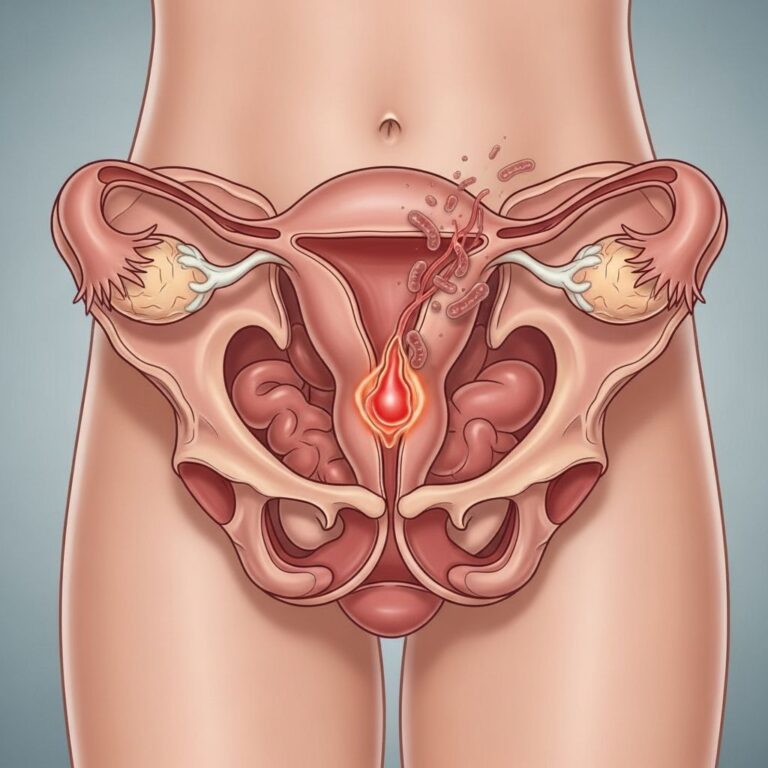
Stress urinary incontinence (SUI) is the most prevalent type of urinary incontinence, affecting millions of women worldwide. It occurs when physical pressure on the bladder—such as from coughing, sneezing, laughing, lifting heavy objects, or exercising—leads to unintended urine leakage. This happens due to weakened pelvic floor muscles and urethral sphincter, which fail to properly support and control the bladder outlet.
Childbirth is a primary cause of pelvic floor weakening, as vaginal delivery stretches and damages these muscles. Other factors include aging, obesity, chronic coughing (e.g., from smoking or asthma), menopause, and certain surgeries. The primary non-surgical treatment is pelvic floor muscle training (PFMT), which can significantly improve symptoms in many women. If exercises alone are insufficient, options like duloxetine or surgery may be considered.
Duloxetine is recommended for women whose symptoms persist despite pelvic floor exercises, those who wish to avoid surgery, or those for whom surgery poses risks due to comorbidities like heart disease or advanced age. Unlike antidepressants, Yentreve® is licensed specifically for SUI at lower doses.
How duloxetine works for urinary symptoms
Duloxetine belongs to the class of serotonin-noradrenaline reuptake inhibitors (SNRIs). It works by blocking the reuptake of two key neurotransmitters—serotonin (5-HT) and noradrenaline (NE)—in the nerves of Onuf’s nucleus in the sacral spinal cord. This increases their concentration in the synaptic cleft, enhancing nerve signals to the pelvic floor muscles and urethral sphincter.
The result is stronger contraction of the urethral sphincter during moments of increased abdominal pressure, reducing leakage episodes. Clinical trials confirm duloxetine reduces incontinence episode frequency (IEF) by up to 60% compared to 27% with placebo, improves quality-of-life scores (e.g., I-QOL by 10.6%), and decreases pad usage by 34.5%. Animal models, such as cat studies with acetic acid-induced bladder irritation, further validate this mechanism.
Related Stories



The pharmacokinetic profile supports twice-daily dosing: peak plasma concentration (Cmax) of about 50 ng/mL at 6 hours post-dose, with an elimination half-life of 12 hours. A dose-escalation approach (starting at 20 mg twice daily for 2 weeks, then 40 mg) minimizes side effects like nausea.
Before taking duloxetine capsules
Who can and cannot take duloxetine capsules
Duloxetine is suitable for most adult women with SUI but contraindicated in certain cases:
- Pregnancy or breastfeeding (discuss risks with doctor)
- Children under 18 years
- Women planning pregnancy soon
Inform your doctor before starting if you have:
- Heart conditions (e.g., unstable angina, recent heart attack)
- High blood pressure
- Glaucoma (increased eye pressure)
- Bipolar disorder or history of mania
- Seizures or epilepsy
- Bleeding disorders or taking anticoagulants
- Liver or kidney problems
- History of drug allergies, especially to SNRIs
Interactions occur with MAOIs (wait 14 days after stopping), other antidepressants, blood thinners, strong painkillers, and St John’s wort.
How and when to take duloxetine capsules
Swallow capsules whole with water, with or without food. Standard dose: 40 mg twice daily (morning and late afternoon). Do not crush or chew. If using 20 mg generics, follow prescribed schedule. Missed dose: take as soon as remembered unless near next dose; never double up.
Treatment duration varies; improvement often seen within weeks, but continue as prescribed alongside exercises. Do not stop abruptly to avoid withdrawal symptoms like dizziness or anxiety.
Dosage
Adults (women only): 40 mg twice daily. No dose adjustment typically needed for mild kidney/liver impairment, but severe cases require monitoring.
Common side effects (affecting more than 1 in 100 people)
Side effects are usually mild and improve over time. Nausea affects up to 40-50% initially but resolves in 52% by week 1 and 81% by month 1.
| Side Effect | What to Do |
|---|---|
| Feeling sick (nausea) | Eat simple meals; avoid rich/spicy foods. Take with food if helpful. |
| Dry mouth | Chew sugar-free gum or suck sugar-free sweets. |
| Constipation | Eat fiber-rich diet, drink plenty of water. |
| Diarrhea | Drink fluids to prevent dehydration. |
| Headache | Stay hydrated; use pharmacist-recommended painkiller. See doctor if persistent. |
| Blurred vision, tiredness, dizziness, sleepiness | Avoid driving/tools; no alcohol. |
| Others: lack of appetite, indigestion, flushing, insomnia, anxiety, sweating, reduced libido | Discuss with doctor if troublesome. |
Discontinuation due to side effects is higher with duloxetine (mainly nausea, 3-6%) vs placebo.
Serious side effects (seek immediate help)
Contact doctor or emergency services for:
- Stiff/jerky muscles, fast heartbeat, high fever (serotonin syndrome risk)
- Severe nausea/vomiting, diarrhea, hallucinations
- Yellow skin/eyes (jaundice), dark urine (liver issues)
- Chest pain, shortness of breath, fainting
- Uncontrolled bleeding, seizures, severe allergic reactions (rash, swelling)
- Eye pain, vision changes (glaucoma risk)
- Suicidal thoughts (rare, monitor mood)
Very rare: liver failure, postpartum hemorrhage, abnormal bleeding. Elderly may experience falls.
Other side effects
Less common: yawning, tremor, muscle pain, urinary hesitancy, menstrual changes, weight changes, thirst, night sweats. Report any persistent issues.
How to cope with side effects
- Nausea: Dose escalation helps; ginger tea or antiemetics if needed.
- Dry mouth/constipation: Hydration and fiber.
- Dizziness: Rise slowly; avoid alcohol.
- Most resolve within weeks; consult if not.
Pregnancy and breastfeeding
Not recommended during pregnancy (risk of newborn complications like poor feeding). Effective contraception advised. Limited data in breastfeeding; weigh benefits/risks.
Other medicines, food, drink, and duloxetine
Avoid MAOIs, SSRIs, triptans (serotonin syndrome). Caution with NSAIDs (bleeding risk), antihypertensives, alcohol (drowsiness). No major food interactions; take with meals for nausea.
Common questions about duloxetine for urinary symptoms
- How long until duloxetine works for stress incontinence?
- Benefits often noticeable in 1-2 weeks, with full effects in 4-12 weeks alongside exercises.
- Can I drink alcohol while taking duloxetine?
- Avoid or limit; increases dizziness and side effects.
- Is duloxetine addictive?
- No, but stopping suddenly may cause withdrawal. Taper if long-term.
- Does duloxetine cure incontinence?
- It manages symptoms; combines best with PFMT. Symptoms may return on stopping.
- What if I forget a dose?
- Take ASAP unless near next; skip if so. Never double.
- Can men take it?
- Licensed for women only with SUI; off-label research limited.
Further information and support
Track symptoms with a bladder diary. Join support groups like Bladder & Bowel Community. Regular GP follow-ups essential. Lifestyle: maintain healthy weight, quit smoking, manage constipation.
References
- Duloxetine for urinary symptoms – Patient.info — Patient.info. 2023. https://patient.info/medicine/duloxetine-for-urinary-symptoms-yentreve
- YENTREVE, INN-duloxetine (PIL) — medicines.org.uk. 2023-10-01. https://www.medicines.org.uk/emc/files/pil.13590.pdf
- Duloxetine in the treatment of stress urinary incontinence — PMC (NCBI). 2006-04-28. https://pmc.ncbi.nlm.nih.gov/articles/PMC1661641/
- Duloxetine in the Treatment of Stress Urinary Incontinence — SAGE Journals. 2007. https://journals.sagepub.com/doi/10.2217/17455057.1.3.345
- Duloxetine – HSE — Health Service Executive (Ireland). 2024. https://www2.hse.ie/medicines/duloxetine/
- Duloxetine | Bladder & Bowel Community — BladderandBowel.org. 2023. https://www.bladderandbowel.org/medicinal-treatment/duloxetine/
Similar Articles








Read full bio of medha deb