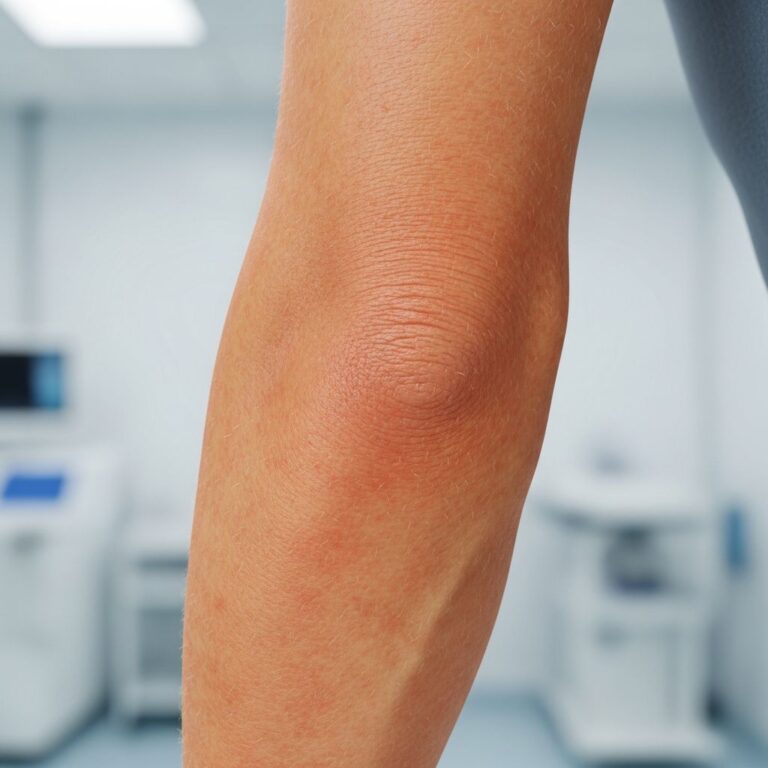
Dupixent’s Real-World Impact on Eczema Management
Examining clinical evidence and patient experiences with dupilumab therapy for atopic dermatitis
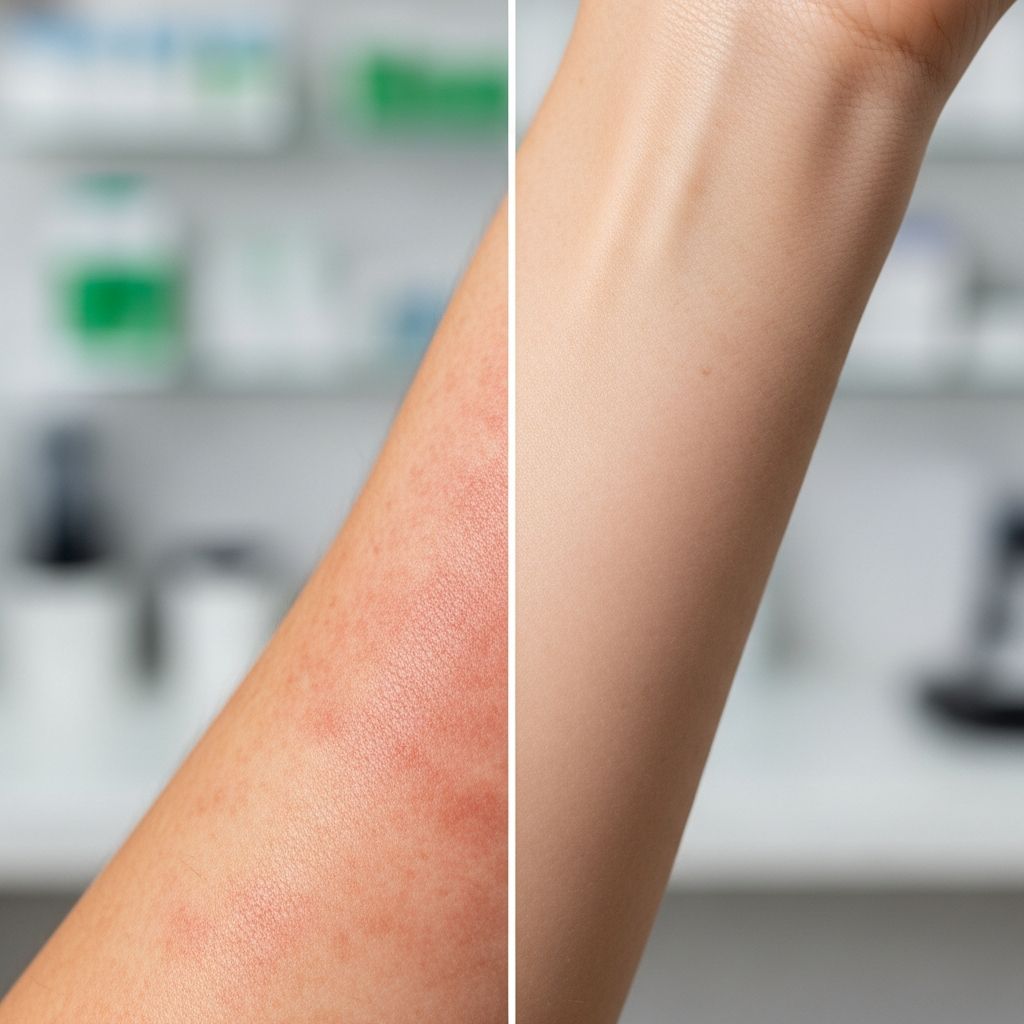
Understanding the Mechanism Behind Treatment Success
Atopic dermatitis, commonly known as eczema, represents a complex inflammatory skin condition characterized by chronic itching, rashes, and compromised skin barrier function. The emergence of biologic therapies has fundamentally transformed treatment approaches for patients with moderate-to-severe disease that fails to respond adequately to topical medications alone. Dupixent (dupilumab) operates through a distinctly different pathway than traditional dermatological treatments, targeting underlying immune dysfunction rather than merely suppressing surface-level symptoms.
The medication works by modulating specific immune signaling molecules responsible for initiating the inflammatory cascade that defines atopic dermatitis. By interrupting these pathways, dupilumab provides continuous therapeutic action beneath the skin surface, maintaining disease suppression even during periods when patients would historically experience breakthrough flare-ups. This mechanism represents a paradigm shift from symptom management to disease modification.
Rapid Symptomatic Improvement in Clinical Settings
Clinical investigations have documented remarkably swift therapeutic responses following dupilumab initiation. Early clinical trials involving adults with moderate-to-severe eczema demonstrated substantial improvements within just 16 weeks of treatment commencement. Approximately 37% of adults achieved nearly clear skin status when receiving dupilumab combined with topical corticosteroids, compared to only 9% of control participants receiving standard care alone.
The pruritus (itching) response proves particularly noteworthy, as itch represents the most distressing symptom for the vast majority of eczema patients. Within this same 16-week timeframe, 38% of dupilumab-treated adults experienced clinically meaningful itch reduction, substantially exceeding the 11% response rate observed in the control group. These early improvements often translate into meaningful quality-of-life enhancements for patients who have endured years of sleep disruption and constant discomfort.
Pediatric populations demonstrate comparable response patterns. A multi-site international investigation published in a premier medical journal revealed that over half of children treated with a 16-week course of dupilumab achieved at least a 75% reduction in visible eczema signs, accompanied by highly significant reductions in itch severity and corresponding improvements in sleep quality.
Extended Treatment Durability and Sustained Benefits
While short-term improvements prove impressive, the sustainability of therapeutic effects over prolonged periods determines the true clinical value of any chronic disease therapy. Long-term follow-up investigations provide compelling evidence regarding dupilumab’s enduring efficacy. A comprehensive multicenter study tracking patients across up to five years of continuous treatment revealed consistent maintenance of clinical control.
The progression of improvement over extended treatment periods shows a consistent downward trajectory in disease severity measures. Mean EASI (Eczema Area and Severity Index) scores—the gold standard for quantifying eczema extent and severity—decreased significantly from baseline to 5.1 at 16 weeks, further improving to 4.1 at two years, and reaching an average of 2.7 by the five-year mark. This pattern indicates that benefits do not plateau at early timepoints but continue accumulating throughout the treatment course.
Pruritus severity, measured through validated numerical rating scales, demonstrated comparable trajectory. Itch scores improved rapidly to 3.4 on a standard scale by week 16 and maintained these low levels throughout five years of follow-up. Notably, 75% of patients achieved clinically meaningful disease control (EASI 97 ) by week 16, with this proportion increasing to 83% by two years and reaching 92% by five years of treatment.
Related Stories



Quantifying Response Rates Across Patient Demographics
| Clinical Outcome | Timeframe | Dupixent + Standard Care | Standard Care Only |
|---|---|---|---|
| Nearly Clear Skin | 16 weeks | 37% | 9% |
| Significant Itch Reduction | 16 weeks | 38% | 11% |
| Rapid Itch Relief | 2 weeks | 18% | 8% |
| Substantial Skin Improvement | 16 weeks | 48% | 13% |
| Very Clear Skin | 16 weeks | 33% | 7% |
| Sustained Disease Control (EASI 97 ) | 5 years | 92.3% |
Regional Improvement Across Body Surface Areas
Atopic dermatitis characteristically affects different body regions with varying intensity and therapeutic responsiveness. Dupilumab demonstrates effectiveness across all major anatomical zones, though certain areas show particularly dramatic improvements. The facial and cervical regions, frequently problematic in eczema patients due to high visibility and sensitive skin characteristics, improved from median EASI subscores of 16.7% to 2.8% during extended treatment.
Trunk involvement—encompassing the chest, abdomen, and back—decreased from baseline values of 19.4% to just 2.1%, representing more than a 90% reduction in disease activity. The upper extremities, including arms and hands, improved from 25.0% baseline to 2.8%, while lower extremities declined from 18.1% to essentially complete clearance at 0%. This comprehensive improvement across body regions ensures that patients experience benefits affecting their entire integument rather than localized therapeutic effects.
Impact on Disease Flares and Treatment Burden
Beyond laboratory measures and clinical assessments, patients report substantial improvements in their lived experience with eczema. Long-term effectiveness investigations documenting real-world treatment outcomes identified multiple domains of benefit extending well beyond simple itch or rash reduction. Patients receiving dupilumab reported meaningful decreases in the frequency and severity of disease flares—those unpredictable exacerbations that historically disrupted daily life, work productivity, and social engagement.
The reduction in overall disease burden manifests particularly through simplified medication regimens. As dupilumab controls underlying inflammation, patients typically require substantially lower quantities of topical corticosteroids, tacrolimus, or other adjunctive therapies. This simplification reduces cumulative medication exposure, decreases potential adverse effects from chronic topical agent use, and dramatically improves treatment adherence and convenience.
Sleep Quality and Functional Restoration
One of the most underrecognized yet clinically profound impacts of eczema involves sleep disruption. Persistent nocturnal itching typically prevents restorative sleep, leading to daytime fatigue, impaired cognitive function, reduced productivity, and psychological distress. Dupilumab’s rapid antipruritic effects often translate into immediate sleep improvements, with patients frequently reporting restoration of normal sleep architecture within weeks of treatment initiation.
These sleep benefits extend beyond simple symptom relief. Improved sleep directly enhances immune function, mental health status, physical recovery, and overall quality of life. Many patients describe the restoration of normal sleep as transformative, representing one of the most valued aspects of successful dupilumab therapy.
Safety Considerations and Tolerability Profile
Comprehensive clinical trial data spanning thousands of patients and multiple years of follow-up have established dupilumab’s safety profile. The most commonly reported adverse effects include injection site reactions at administration sites, various ocular manifestations including conjunctivitis and blepharitis, oral herpes simplex reactivation, keratitis, eye pruritus, and mild eosinophilia. The majority of these adverse events demonstrate manageable severity, with serious complications remaining relatively uncommon.
Notably, the Week 52 safety profile in adults remains consistent with observations from earlier treatment phases, suggesting that prolonged exposure does not introduce accumulating toxicity concerns. This consistency throughout extended follow-up periods provides reassurance regarding long-term therapeutic use in chronic disease management.
Patient Satisfaction and Quality-of-Life Metrics
Structured investigations specifically examining patient-reported outcomes demonstrate high satisfaction levels with dupilumab therapy. Patients consistently report not only improvements in specific disease parameters but also broader enhancements in health-related quality of life measures. These improvements encompass increased social participation, enhanced work performance, restored confidence regarding physical appearance, and general psychological well-being.
The psychological impact of visible skin improvement cannot be overstated. Eczema’s visible nature frequently leads to social stigmatization, reduced self-esteem, and anxiety or depressive symptoms. Achieving clear or nearly clear skin through dupilumab often produces profound psychological relief alongside physical improvement, fundamentally altering patients’ self-perception and social engagement patterns.
Discontinuation Patterns and Clinical Challenges
While dupilumab demonstrates remarkable efficacy in the majority of patients, real-world treatment experiences reveal that approximately 24% of patients discontinue therapy following initial treatment courses. Various factors contribute to discontinuation decisions, including inadequate response in some patients, adverse event concerns, cost considerations, injection frequency preferences, or achievement of such substantial improvement that patients elect to pursue drug holidays or alternative approaches.
This discontinuation pattern, while representing a minority of treated patients, underscores that dupilumab does not provide universal clinical responses. Individual patient variability in therapeutic responsiveness remains a clinical reality, and some patients may require alternative biological agents or combination approaches to achieve adequate disease control.
Comparative Effectiveness and Current Treatment Position
Dupilumab currently stands as the only biologically engineered monoclonal antibody approved for treating moderate-to-severe atopic dermatitis across the widest age range, from infants as young as six months through geriatric populations. This breadth of approval reflects the robust safety and efficacy data accumulated across diverse patient populations throughout multiple clinical development programs and real-world observational studies.
The drug’s mechanism of action, targeting IL-4 receptor signaling, differs from alternative biological agents that may target different inflammatory pathways. This diversity of mechanism provides clinicians with multiple options when patients demonstrate inadequate response to initial biologic therapy, allowing sequential or combination treatment approaches when necessary.
Healthcare Provider Perspectives and Clinical Consensus
Dermatologists and other healthcare providers managing eczema patients describe consistent clinical experiences with dupilumab. Many report that most patients treated with this agent experience meaningful reductions in itching and visible rash improvement, alongside better quality of life and improved sleep patterns. These clinical observations align well with formal research findings, suggesting that the controlled trial results translate effectively into routine clinical practice.
The consistency between controlled trial efficacy and real-world effectiveness suggests that dupilumab’s benefits are broadly generalizable rather than dependent upon highly selected patient populations or specialized clinical settings.
Future Directions and Evolving Treatment Paradigms
Ongoing research continues exploring optimal dosing strategies, combination approaches with other biological agents, and identification of biomarkers predicting treatment response. As additional data accumulate regarding long-term safety and efficacy, and as patient experience grows, treatment paradigms will likely continue evolving. Current evidence supports considering dupilumab relatively early in treatment algorithms for patients with moderate-to-severe disease uncontrolled by topical therapies alone, particularly given the rapid response onset and sustained benefits demonstrated across extended follow-up periods.
Frequently Asked Questions
How quickly does Dupixent begin working?
Clinical evidence demonstrates that some patients experience itch relief within as little as two weeks of initiating treatment. However, maximal clinical response typically develops over 16 weeks, with continued improvement often observable over several months. Most patients notice meaningful symptom reduction within the first month of therapy.
Is Dupixent effective for all eczema patients?
While dupilumab demonstrates efficacy in the majority of treated patients, approximately 24% discontinue treatment for various reasons including inadequate response. Individual response variability exists, and some patients may require alternative biological agents or combination approaches. Response tends to be more robust in patients with confirmed allergic sensitization or elevated eosinophil levels.
Can Dupixent be used as monotherapy or must it be combined with topical treatments?
Clinical trials have documented dupilumab’s effectiveness both as monotherapy and in combination with topical corticosteroids. Many patients achieve disease control with dupilumab alone, though others benefit from adjunctive topical therapies for localized areas or residual symptoms.
What are the most common side effects?
The most frequently reported adverse effects include injection site reactions, conjunctivitis, blepharitis, oral herpes reactivation, and keratitis. Most of these remain manageable; serious complications are relatively uncommon. Ophthalmologic monitoring may be prudent given the eye-related adverse events.
How long must patients remain on Dupixent therapy?
Current evidence supports long-term continuous treatment, with benefits maintained through at least five years of therapy. However, individual decisions regarding treatment duration should involve discussions with healthcare providers, considering disease severity, response quality, and patient preferences.
References
- DUPIXENT® (dupilumab) Efficacy and Safety in Moderate-to-Severe Atopic Dermatitis — Regeneron Pharmaceuticals / Sanofi. 2024. https://www.dupixenthcp.com/atopicdermatitis/efficacy-safety
- DUPIXENT® (dupilumab) Clinical Results in Adults with Eczema — Regeneron Pharmaceuticals / Sanofi. 2024. https://www.dupixent.com/atopicdermatitis/dupixent-results/adults
- Long-Term Effectiveness and Discontinuation of Dupilumab in Atopic Dermatitis — JAMA Dermatology. 2024. https://jamanetwork.com/journals/jamadermatology/fullarticle/2822203
- How DUPIXENT® (dupilumab) Works for Eczema — Regeneron Pharmaceuticals / Sanofi. 2024. https://www.dupixent.com/atopicdermatitis/why-dupixent/how-dupixent-works
- Long-Term Effectiveness of Dupilumab in Patients with Atopic Dermatitis — National Center for Biotechnology Information / PubMed Central. 2023. https://pmc.ncbi.nlm.nih.gov/articles/PMC10442302/
- Study Finds Biologic Drug ‘Highly Effective’ in Reducing Pediatric Eczema Symptoms — Northwestern Medicine / Feinberg School of Medicine. September 16, 2022. https://news.feinberg.northwestern.edu/2022/09/16/study-finds-biologic-drug-highly-effective-in-reducing-pediatric-eczema-symptoms/
Similar Articles








Read full bio of Sneha Tete