Durian Fruit Benefits: 10 Powerful Health Advantages
Discover the nutritional power of durian, the king of fruits, and its potential health benefits from antioxidants to gut health.
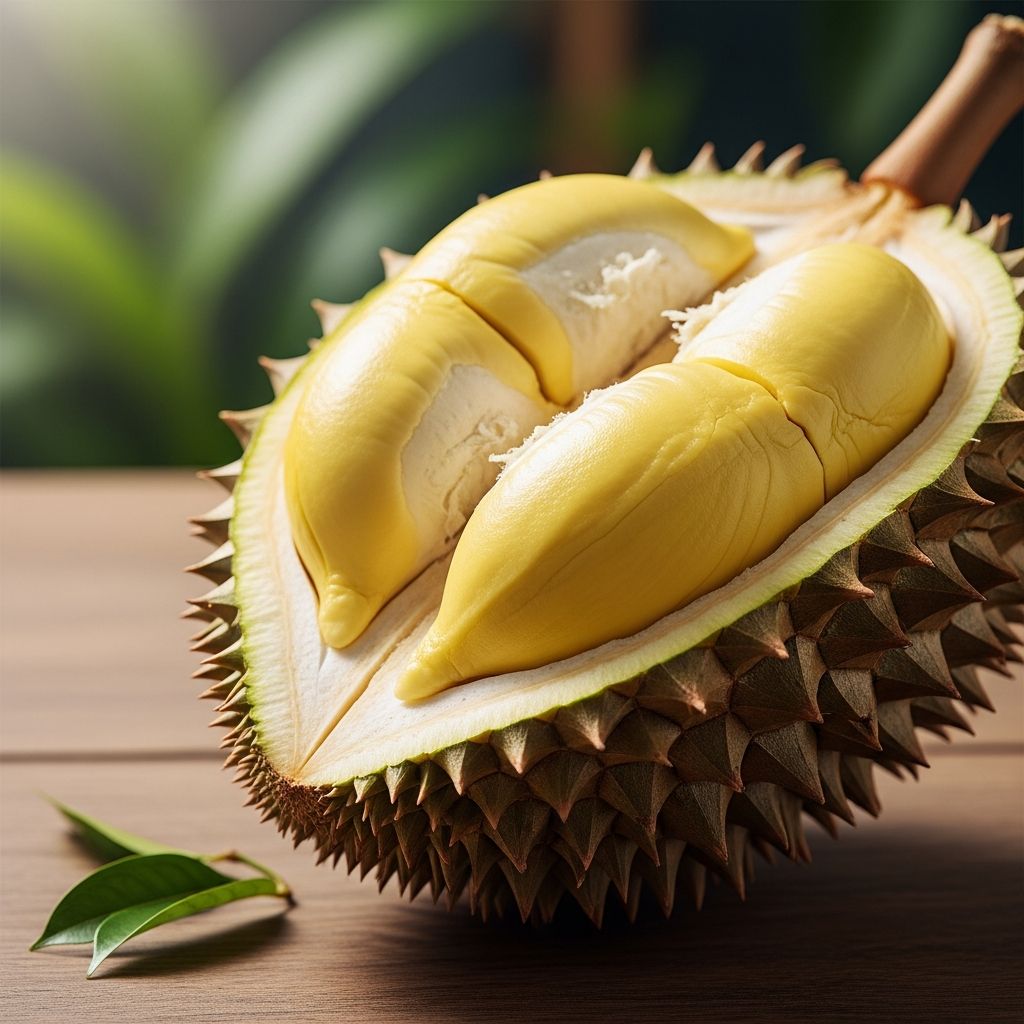
Durian, often called the “king of fruits,” is a tropical delicacy native to Southeast Asia renowned for its pungent aroma and creamy, custard-like flesh. Despite its divisive smell, durian packs an impressive nutritional punch, offering vitamins, minerals, fiber, and bioactive compounds that may support various aspects of health. This article explores durian’s nutrition profile, key health benefits, potential downsides, and practical tips for consumption.
What Is Durian?
Durian (Durio zibethinus) grows on large trees in Malaysia, Indonesia, Thailand, and other Southeast Asian countries. The fruit features a spiky, football-sized husk encasing 1–5 large seeds surrounded by pale yellow, aromatic flesh. Its flavor is described as a mix of sweet custard, almond, and onion, with a texture like creamy cheesecake. Durian has been used in traditional Eastern medicine for centuries due to its nutrient density and therapeutic properties.
Nutritionally, 100 grams of durian flesh provides about 147 calories, primarily from carbohydrates (27g), with 4g fiber, 1.5g protein, and 5g fat—including healthy medium-chain triglycerides (MCTs) and polyunsaturated fats. It’s exceptionally rich in vitamin C (19.7mg, 22% DV), B vitamins like B6 (0.3mg, 18% DV) and folate, potassium (436mg, 9% DV), magnesium, iron, and manganese.
Durian Nutrition Facts
Durian stands out among fruits for its balanced macronutrients and micronutrient density. Unlike most fruits low in fat and protein, durian offers a complete package: fiber for digestion, healthy fats for sustained energy, protein for muscle repair, and carbs for quick fuel. Key nutrients include:
- Vitamin C: Supports immune function and antioxidant defense.
- B Vitamins (B6, folate): Aid metabolism, nerve health, and red blood cell production.
- Potassium: Regulates blood pressure and reduces fatigue.
- Fiber: Promotes gut health and satiety; includes prebiotic types that feed beneficial bacteria.
- Antioxidants: Flavonoids, carotenoids, polyphenols, anthocyanins, and sulfur compounds combat oxidative stress.
Its lower glycemic index compared to other tropical fruits helps moderate blood sugar spikes, thanks to fiber, fat, and protein balancing the natural sugars (fructose, glucose, sucrose).
Potential Health Benefits of Durian
1. High in Antioxidants
Durian’s antioxidants, including vitamin C, polyphenols, carotenoids, and unique sulfur compounds (similar to garlic), neutralize free radicals, reducing oxidative stress and inflammation. Test-tube studies show durian extract inhibits breast cancer cell spread and exhibits anti-proliferative effects. Animal research indicates it lowers cholesterol and protects arteries. These compounds may support skin, eye, and brain health by minimizing cellular damage.
2. May Support Heart Health
Potassium in durian helps maintain healthy blood pressure by counteracting sodium. Antioxidants and fiber reduce cholesterol levels; rat studies showed ripe durian lowered total cholesterol by 14.9%, LDL by 21.6%, and triglycerides by 26.3%, while protecting the liver and aorta from cholesterol buildup. Polyphenols may prevent atherosclerosis (artery hardening).
3. Helps Manage Blood Sugar Levels
Despite natural sugars, durian’s fiber, protein, and fats slow sugar absorption, yielding a lower glycemic index. This supports stable blood sugar, beneficial for diabetes or prediabetes management. Fiber and antioxidants further aid glycemic control. People with diabetes should limit intake and monitor carbs.
4. Promotes Digestive Health
Related Stories



High soluble and insoluble fiber (up to 20% DV per serving) aids bowel regularity, prevents constipation, and promotes fullness. Prebiotic fibers nourish gut bacteria, enhancing microbiome health, digestion, immunity, and even mental clarity.
5. Supports Immune Function
Vitamin C, B vitamins, and antimicrobial compounds boost immunity. Durian rind shows antibacterial and anti-yeast properties, while leaves/roots have febrifuge (fever-reducing) and anti-malarial effects. Sulfur compounds and probiotics may fight infections.
6. May Boost Energy and Reduce Fatigue
Carbohydrates provide quick energy, while potassium relieves mental stress and fatigue. B vitamins support metabolism and nerve function for sustained vitality.
7. Potential Anti-Inflammatory Effects
Polyphenols and antioxidants reduce inflammation, potentially easing arthritis symptoms and supporting metabolic health like PCOS.
8. Aids Metabolic and Reproductive Health
Anti-obesity, anticholesterol, and antihypoglycemic properties combat metabolic syndrome. Traditionally used as a fertility enhancer.
9. Supports Bone and Joint Health
Magnesium, potassium, and anti-inflammatory compounds may strengthen bones and joints.
10. Skin and Cognitive Benefits
Antioxidants protect skin from aging; B vitamins and folate support brain health, potentially lowering Alzheimer’s risk via homocysteine regulation.
Durian Side Effects and Precautions
Durian is calorie-dense (147 kcal/100g), so moderation prevents weight gain. High sugar content requires caution for diabetics. Its heaty nature in traditional Chinese medicine may cause coughs or throat irritation; avoid with alcohol, as it can induce vomiting. Those with sulfa allergies should consult a doctor due to sulfur compounds. Pregnant individuals or those with digestive issues may experience bloating from fiber. Always start with small portions.
How to Eat Durian
Fresh durian is best eaten raw from the pod. Scoop out flesh, avoiding seeds. Try it plain, in smoothies, ice cream, or savory dishes like curries. Frozen durian works for desserts. Select ripe fruits with a cracked husk and uniform yellow flesh. Store in fridge up to 5 days or freeze. In season (June–August), buy from reputable sellers to avoid pesticides.
| Nutrient | Amount | % Daily Value |
|---|---|---|
| Calories | 147 | 7% |
| Carbs | 27g | 10% |
| Fiber | 4g | 14% |
| Vitamin C | 19.7mg | 22% |
| Potassium | 436mg | 9% |
| Vitamin B6 | 0.3mg | 18% |
Frequently Asked Questions (FAQs)
Is durian a superfood?
Yes, durian qualifies as a superfood due to its nutrient density, antioxidants, fiber, vitamins, and healthy fats supporting multiple health areas.
Can durian help with diabetes?
It may support blood sugar control via low GI and fiber, but diabetics should limit portions due to sugars and consult professionals.
Why does durian smell so strong?
The aroma comes from volatile sulfur compounds like ethanethiol and esters, unique to its ripeness.
Is durian good for weight loss?
Its fiber promotes satiety, but high calories require moderation for weight management.
Can I eat durian every day?
In moderation (1–2 segments), yes, for most healthy adults; avoid excess to prevent digestive issues or calorie overload.
References
- Durian: The King Of Fruits + Its Benefits — Dr. Will Cole. 2023. https://drwillcole.com/durian-fruit-benefits/
- Durian Fruit: Smelly but Nutrient-Dense Superfood — Dr. Axe. 2023. https://draxe.com/nutrition/durian-fruit/
- Durian 101: Benefits and tips for healthy eating — HMI Medical. 2024. https://www.hmimedical.com/news-resources/health-tips-listing/durian-101-benefits-and-tips-for-healthy-eating
- Durian Fruit: Potent smell but Incredibly Nutritious — Healthline. 2023-05-15. https://www.healthline.com/nutrition/durian-fruit
- Durian: Health Benefits and Myths About the King of Fruits — HealthXchange.sg. 2023. https://www.healthxchange.sg/food-nutrition/food-tips/durian-myths-facts
- Bioactive Compounds, Nutritional Value, and Potential Health Benefits of Durian — NIH/PMC. 2019-03-20. https://pmc.ncbi.nlm.nih.gov/articles/PMC6463093/
Similar Articles








Read full bio of medha deb