Dust Mite Allergies: Comprehensive Guide To Diagnosis And Care
Understand dust mite allergies, recognize symptoms, and discover effective strategies for prevention and relief in your home.
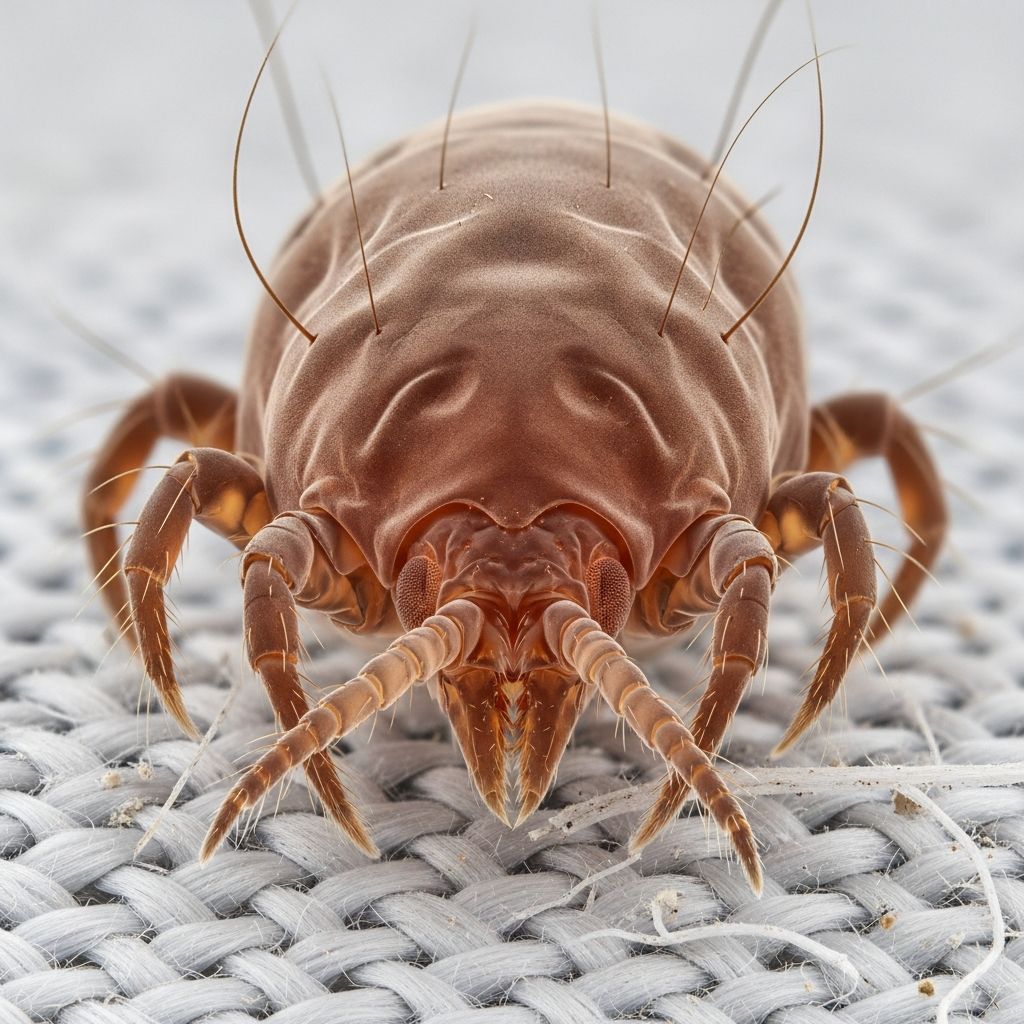
Dust mite allergies affect millions worldwide, triggering uncomfortable symptoms from everyday exposure in homes. These tiny arachnids thrive in household dust, and their waste products provoke immune responses in sensitive individuals. This guide covers everything from identification to long-term management.
The Nature of Dust Mites and Their Allergic Impact
Dust mites are microscopic creatures related to spiders, measuring about 0.2 to 0.3 millimeters in length. They feed on dead skin cells shed by humans and pets, making mattresses, pillows, carpets, and upholstery ideal habitats. While the mites themselves rarely cause direct harm, their feces and body fragments contain proteins that act as potent allergens when inhaled or contacted.
These allergens dissolve in moisture, becoming airborne in dust particles smaller than 10 microns, easily inhaled into the lungs. Homes with high humidity (above 50%) and temperatures between 68-77°F promote rapid mite reproduction, with populations doubling every few weeks under favorable conditions.
Recognizing Dust Mite Allergy Symptoms
Symptoms often mimic those of colds or hay fever but persist year-round, worsening in the morning or after sleep due to high mite concentrations in bedding. Common signs include:
- Nasal congestion and runny nose
- Frequent sneezing and itchy nose
- Watery, itchy eyes
- Postnasal drip leading to cough
- Itchy throat, mouth, or skin
In individuals with asthma or eczema, exposure can exacerbate conditions. Asthmatics may experience wheezing, chest tightness, shortness of breath, and nocturnal coughing. Eczema flares appear as red, itchy patches, particularly on arms and legs.
Severe reactions warrant immediate medical attention, especially if breathing difficulties intensify or occur with minimal exertion.
How Dust Mite Allergies Develop
The immune system mistakes mite allergens for threats, releasing histamines and other chemicals that cause inflammation. This hypersensitivity builds over repeated exposures, often starting in childhood. Not everyone exposed develops allergies; genetics play a role, with family history increasing risk.
Urban environments with poor ventilation amplify issues, as do soft furnishings that trap dust. Children and those with other allergies face higher susceptibility.
Diagnosing Dust Mite Allergies Accurately
Diagnosis begins with a detailed history: symptoms timing, home environment, and family allergies. Allergists use skin prick tests, applying diluted mite extract to the skin and observing reactions like red welts within 15 minutes. Blood tests measuring IgE antibodies provide alternatives for those unable to undergo skin tests.
| Method | Description | Advantages | Limitations |
|---|---|---|---|
| Skin Prick Test | Tiny allergen amounts scratched into skin | Quick results, high sensitivity | May cause temporary itching |
| Blood Test (RAST/ImmunoCAP) | Measures specific IgE levels | No risk of reaction, useful for skin conditions | Less sensitive, higher cost |
Consultation questions might include symptom triggers, co-existing conditions, and home modifications.
Everyday Strategies to Minimize Exposure
Reducing mite populations requires consistent environmental controls. Start with the bedroom, where people spend one-third of their time.
Bedding and Sleep Area Controls
- Encase mattresses, box springs, and pillows in allergen-proof zippered covers made of tightly woven fabric.
- Wash sheets, pillowcases, and blankets weekly in water at least 130°F (54°C) to kill mites and remove allergens. Lower temperatures remove allergens but spare live mites.
- Opt for synthetic bedding over feather or down-filled items.
- Limit stuffed toys; wash them hot or freeze overnight to kill mites.
Related Stories



Humidity and Air Quality Management
Maintain indoor humidity below 50% using dehumidifiers, air conditioners, or exhaust fans. Monitor with hygrometers. In winter, avoid humidifiers or keep them under 45%.
- Vacuum weekly with HEPA-filtered cleaners on carpets, rugs, and upholstery.
- Remove wall-to-wall carpeting, especially in bedrooms; prefer hard floors.
- Damp-dust surfaces weekly to capture rather than spread dust.
Additional Home Adjustments
Minimize clutter, upholstered furniture, and heavy curtains. Use washable cotton curtains and roller shades. Regular cleaning targets mite food sources like skin flakes and crumbs.
Medical Treatments for Symptom Relief
Over-the-counter options include antihistamines for itching and sneezing, nasal corticosteroids for congestion, and decongestants for short-term use. Eye drops soothe irritation. For asthma, inhalers control inflammation.
Nasal irrigation with saline rinses flushes allergens from sinuses.
Advanced Therapies: Immunotherapy
For persistent cases, immunotherapy desensitizes the immune system. Subcutaneous injections (SCIT) start weekly, building to maintenance doses over 3-5 years. Sublingual tablets or drops (SLIT), like FDA-approved Odactra, allow home use after initial dosing. Both reduce symptoms long-term, even post-treatment.
Special Considerations for Children and Families
Children often show symptoms like chronic cough or ear infections. Early intervention prevents asthma development. Families should coordinate efforts: designate mite-free bedrooms, involve all members in cleaning routines. Pets contribute skin flakes, so groom them regularly.[10]
FAQs on Dust Mite Allergies
Do dust mites bite humans?
No, dust mites do not bite. Red bumps are typically allergic reactions like hives or eczema, not bites. Patterns suggest bed bugs.
Can I eliminate dust mites completely?
Complete eradication is challenging, but populations drop dramatically below 50% humidity and with rigorous cleaning.
How long does immunotherapy take to work?
Noticeable relief in months, full benefits after 3-5 years.
Are air purifiers effective?
HEPA units in bedrooms help, but address sources first. Avoid ozone generators.
What’s the best vacuum for allergies?
One with HEPA filtration and sealed system to trap particles.
Long-Term Outlook and Lifestyle Integration
Managing dust mite allergies improves sleep, reduces medication needs, and enhances well-being. Track symptoms with journals to refine strategies. Annual allergist check-ups adjust plans. Combining prevention with treatments yields best results, potentially altering disease course.
(Word count: 1678)
References
- Dust Mite Allergy Symptoms, Causes, and Treatments — Benadryl. Accessed 2026. https://www.benadryl.com/allergies/dust-mite-allergy-symptoms-relief
- Reduce Dust Mites: Your Guide to an Allergen-Free Home — Sunstar. Accessed 2026. https://www.sunstar.com/healthy-thinking/allergy-season
- How to Get Rid of Dust Mites: A Medical & Practical Guide — DMV Allergy. Accessed 2026. https://dmvallergy.com/how-to-get-rid-of-dust-mites/
- Dust Mite Allergy — Mission Allergy. Accessed 2026. https://www.missionallergy.com/education-dust-mite-allergy
- Dust mite allergy – Diagnosis & treatment — Mayo Clinic. 2023-10-01. https://www.mayoclinic.org/diseases-conditions/dust-mites/diagnosis-treatment/drc-20352178
- Dust Mite Allergy — Asthma and Allergy Foundation of America (aafa.org). Accessed 2026. https://aafa.org/allergies/types-of-allergies/insect-allergy/dust-mite-allergy/
- Your quick guide to: House Dust Mite Allergy — Allergy UK. 2022-03-01. https://www.allergyuk.org/wp-content/uploads/2022/03/House-Dust-Mites.pdf
Similar Articles








Read full bio of medha deb