Dutasteride for Prostate Gland Enlargement
Complete guide to dutasteride (Avodart) treatment for benign prostatic hyperplasia and enlarged prostate symptoms.
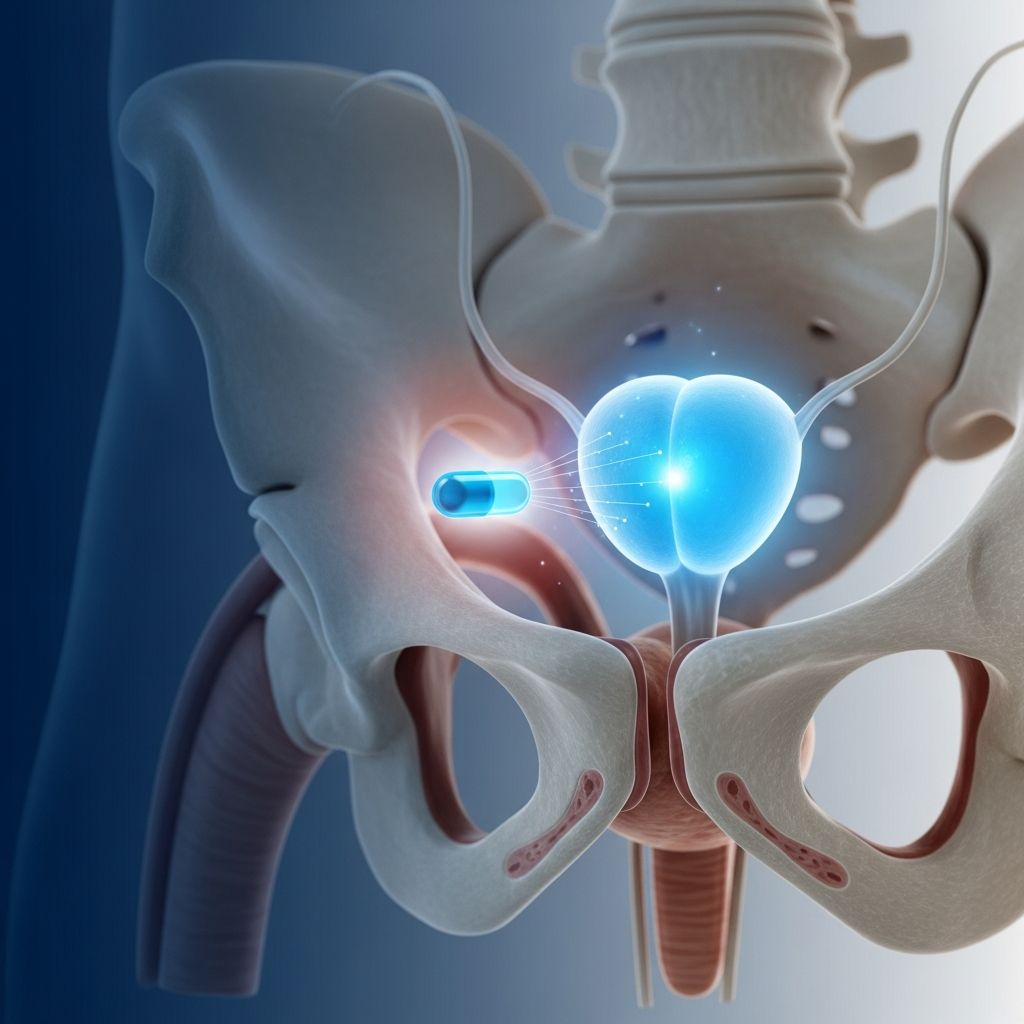
Understanding Dutasteride for Prostate Gland Enlargement
Dutasteride, marketed under the brand name Avodart, is a prescription medication used to treat benign prostatic hyperplasia (BPH), commonly known as an enlarged prostate. This condition affects many men as they age, causing bothersome urinary symptoms that can significantly impact quality of life. Dutasteride belongs to a class of medications called 5-alpha reductase inhibitors, which work by reducing the production of dihydrotestosterone (DHT), a hormone responsible for prostate growth.
What is Benign Prostatic Hyperplasia?
Benign prostatic hyperplasia is a non-cancerous enlargement of the prostate gland that occurs when the prostate produces excess dihydrotestosterone. As men age, the prostate naturally grows larger, and for some, this growth leads to symptoms that interfere with urination and daily activities. BPH is extremely common in aging men and can cause various bothersome urinary symptoms that warrant medical treatment.
How Dutasteride Works
Dutasteride functions by blocking an enzyme responsible for converting testosterone into dihydrotestosterone (DHT). By reducing DHT levels in the body, the medication helps shrink the prostate gland and slows its continued growth. This mechanism of action reduces epithelial cell proliferation and promotes cell death within the prostate tissue, leading to a decrease in prostatic volume. As the prostate shrinks, urinary symptoms improve, and men experience easier urination with better urine flow.
Uses and Benefits of Dutasteride
Dutasteride was approved by the FDA in 2001 for managing symptomatic benign prostatic hyperplasia. The medication can be used as a monotherapy or in combination with other medications. Key benefits include:
- Symptom Relief: Dutasteride helps improve urinary symptoms associated with enlarged prostate, including reducing the frequency of urination and nighttime urination (nocturia). Men often wake less frequently at night to urinate after starting treatment.
- Improved Urine Stream: The medication helps improve urinary flow and makes it easier to empty the bladder completely.
- Reduced Surgery Risk: Dutasteride decreases the risk of acute urinary retention and may reduce the need for prostate surgery.
- Prostate Shrinkage: Long-term use of dutasteride has been demonstrated to reduce prostatic volume significantly.
- Reduced UTI Risk: Sometimes dutasteride is used for men with frequent urinary tract infections and prostatitis related to prostate enlargement.
Effectiveness and Timeline
Dutasteride is effective in treating symptoms of an enlarged prostate, though results are not immediate. It typically takes 2-3 months to see noticeable benefits from dutasteride treatment, with maximum PSA-lowering effects occurring within 3-6 months. Men should understand that this medication requires patience and consistent use before experiencing symptomatic improvement. Clinical studies have shown that the prostate gland of men taking dutasteride shrinks more than those taking a placebo, with statistically significant reductions in prostate volume.
Dutasteride Combined with Alpha-Blockers
While dutasteride can be effective as a standalone treatment, its effectiveness can be even greater when combined with alpha-blocker medications such as tamsulosin or alfuzosin. Combination therapy is particularly beneficial for men experiencing slow urine stream or more severe urinary symptoms. Alpha-blockers work through a different mechanism—they relax smooth muscle in the prostate and bladder neck—making them complementary to dutasteride’s hormone-based approach. The FDA has approved dutasteride for dual therapy with tamsulosin, making this combination an established treatment option for moderate to severe BPH symptoms.
Related Stories



Dosage and Administration
Dutasteride is typically administered as a prescription medication, usually in the form of one soft capsule taken by mouth once daily. Patients should follow their healthcare provider’s specific dosing instructions. The medication can be taken with or without food. For maximum effectiveness, consistent daily use is essential, as interrupting or stopping treatment may result in the return of symptoms.
Possible Side Effects
While side effects of dutasteride are not common, and most men tolerate the medication well without noticeable adverse effects, some potential side effects can occur:
- Sexual Side Effects: Some men experience problems with sexual interest (libido) and erectile dysfunction. These side effects occur in a minority of users but are among the most concerning for many patients.
- Ejaculation Changes: A typical decrease in ejaculate volume occurs in men taking dutasteride. This side effect is usually reversible upon discontinuation of the medication.
- Gynecomastia: Prolonged use of dutasteride can lead to gynecomastia (increased breast size or tenderness in some cases), though this is relatively uncommon.
- Allergic Reactions: Rare allergic reactions may occur, including rash or swelling.
Patients planning to have children should not use dutasteride or finasteride, as these medications can affect semen production and male fetal development. Additionally, women of childbearing age should not handle dutasteride capsules, particularly if pregnant or potentially pregnant, as the medication can harm a male fetus.
Why Dutasteride May Stop Working
Some men find that dutasteride becomes less effective over time or never provides expected symptom relief. The most common reason dutasteride does not help is that the prostate is too large to be effectively treated with medications, and a surgical procedure may be necessary instead. Other causes of treatment failure include dysfunction of the urinary bladder muscles, urethral strictures, bladder cancer, or other underlying urological problems. If dutasteride no longer helps with urinary symptoms, alternative treatment options are available.
Alternative Treatment Options
When dutasteride fails to provide adequate symptom relief, several alternative treatments can effectively address enlarged prostate symptoms:
- Laser enucleation of the prostate
- Bipolar TURP (transurethral resection of the prostate)
- Greenlight laser procedures
- Urolift procedure (minimally invasive)
- Rezum therapy
- Other surgical interventions tailored to individual patient needs
PSA Testing and Dutasteride
An important consideration for men taking dutasteride is its effect on prostate-specific antigen (PSA) levels. Medications such as Avodart can lower PSA levels by as much as 50%. It typically takes 3-6 months to achieve the full PSA-lowering effect. This reduction is an artificial effect of the medication rather than a true reflection of prostate health changes.
To correctly assess prostate cancer risk, doctors typically double the PSA value to account for dutasteride or finasteride use. This adjustment helps ensure accurate risk stratification. It is essential to inform your doctor that you are taking or have been taking dutasteride or finasteride, as this information is crucial for proper PSA interpretation and prostate cancer screening decisions.
Dutasteride Versus Finasteride
Both dutasteride (Avodart) and finasteride (Proscar) are 5-alpha reductase inhibitors used to treat benign prostatic hyperplasia. Studies show that dutasteride and finasteride have very similar efficacy in treating men with an enlarged prostate. Key comparisons include:
| Characteristic | Dutasteride | Finasteride |
|---|---|---|
| Efficacy | Similar effectiveness | Similar effectiveness |
| Cost | Generally more expensive | Less expensive, often preferred |
| Side Effects | Very similar profile | Very similar profile |
| Mechanism | Dual inhibitor of 5-alpha reductase | Type II 5-alpha reductase inhibitor |
There is no clear benefit of one medication over the other for most patients, making finasteride a cost-effective alternative for many men. The choice between these medications often depends on individual factors, cost considerations, and physician preference.
Important Precautions and Considerations
Before starting dutasteride, patients should discuss the following with their healthcare provider:
- Existing medical conditions, especially liver disease or kidney problems
- Current medications and supplements that could interact with dutasteride
- Plans to father children, as dutasteride affects sperm production
- History of prostate cancer or elevated PSA levels
- Any history of allergic reactions to dutasteride or similar medications
Frequently Asked Questions
Q: How long does it take for dutasteride to work?
A: Most men begin noticing symptom improvement within 2-3 months of starting dutasteride, though maximum benefits may take 6 months or longer to fully manifest.
Q: Can dutasteride be used long-term?
A: Yes, dutasteride is designed for long-term use. Many men take it continuously for years to maintain prostate size reduction and symptom control. However, long-term use can potentially lead to side effects like gynecomastia.
Q: Is dutasteride a cure for enlarged prostate?
A: Dutasteride is not a cure but rather a management tool that helps control symptoms and slow prostate growth. Symptoms may return if the medication is discontinued.
Q: Can women take dutasteride?
A: Dutasteride is prescribed only for men. Women, particularly those who are pregnant or could become pregnant, should not handle the medication, as it can harm male fetal development.
Q: What should I do if dutasteride causes sexual side effects?
A: Discuss any side effects with your healthcare provider. They may adjust your dosage, try a different medication, combine dutasteride with other treatments, or recommend alternative therapies. Many side effects resolve after discontinuing the medication.
Q: How does dutasteride affect PSA testing?
A: Dutasteride can lower PSA levels by up to 50%, which may artificially reduce your measured PSA. It is crucial to inform your doctor about dutasteride use so they can properly interpret your PSA results and adjust values accordingly for cancer risk assessment.
Q: Can dutasteride be combined with other medications?
A: Yes, dutasteride works well in combination with alpha-blocker medications like tamsulosin. This combination therapy is often more effective than either medication alone for treating moderate to severe BPH symptoms.
References
- Avodart (Dutasteride) – Effective Treatment for Enlarged Prostate — New York Urology Specialists. Accessed January 2026. https://www.newyorkurologyspecialists.com/bph/medications/dutasteride/
- Avodart (Dutasteride): Uses, Side Effects, Alternatives & More — GoodRx. Accessed January 2026. https://www.goodrx.com/dutasteride/what-is
- Information for the Patient: Avodart 0.5 mg Soft Capsules Dutasteride — Medicines and Healthcare Products Regulatory Agency (MHRA). Accessed January 2026. https://www.medicines.org.uk/emc/
- Dutasteride – StatPearls — National Center for Biotechnology Information (NCBI) Bookshelf. 2024. https://www.ncbi.nlm.nih.gov/books/NBK603726/
- Dutasteride (Avodart): Uses & Side Effects — Cleveland Clinic. 2024. https://my.clevelandclinic.org/health/drugs/20971-dutasteride-capsules
- Dutasteride (Avodart): Uses, Side Effects, Interactions — WebMD. Accessed January 2026. https://www.webmd.com/drugs/2/drug-64364/dutasteride-oral/details
- Dutasteride: MedlinePlus Drug Information — U.S. National Library of Medicine (MedlinePlus). 2024. https://medlineplus.gov/druginfo/meds/a603001.html
Similar Articles








Read full bio of medha deb