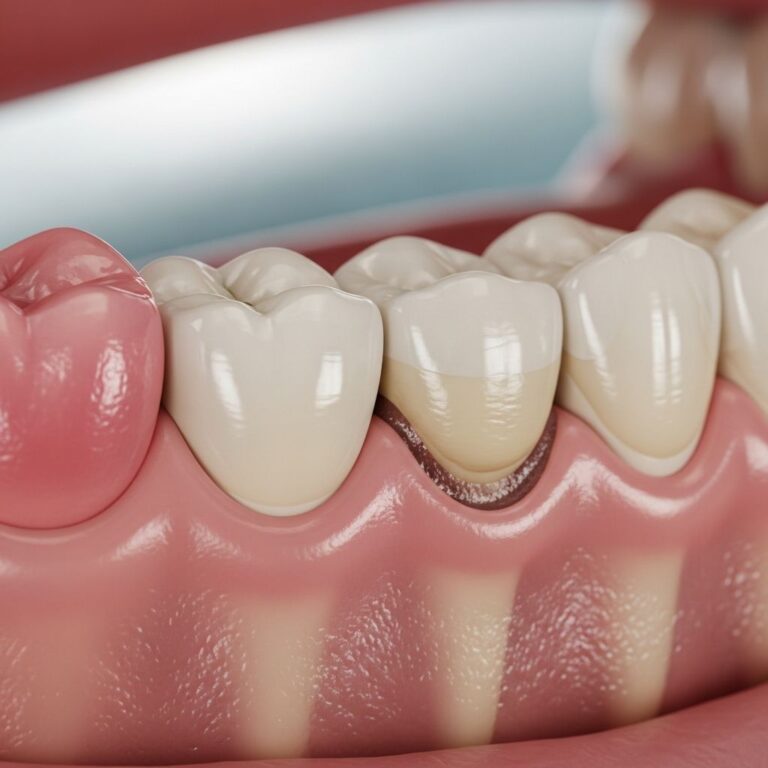
DXA Scan: Complete Guide to Bone Density Testing
Learn how DXA scans detect osteoporosis and measure bone strength with low-dose X-rays.
Understanding DXA Scans: Your Complete Guide to Bone Density Testing
A DXA scan, also known as a DEXA scan or bone density test, is a quick and painless imaging procedure that measures the strength and mineral content of your bones. Unlike traditional X-rays that simply capture images of your skeletal structure, DXA scans use specialized technology to assess bone density and predict your risk of fractures. This non-invasive test has become the gold standard for screening and diagnosing bone health conditions that can silently weaken your bones over time.
What Is a DXA Scan?
DXA stands for dual-energy X-ray absorptiometry, a sophisticated imaging technique that uses low-dose X-rays to measure how much calcium and other essential minerals are present in your bones. The test evaluates bone density by comparing the mineral content to the bone area scanned, providing healthcare providers with precise information about bone strength and thickness. Bones that contain more minerals are naturally denser, stronger, and less likely to fracture or break.
The technology works by using two different energy levels of X-rays that pass through your body, allowing the scanning equipment to distinguish between bone tissue and soft tissues like muscle and fat. This dual-energy approach provides more accurate measurements than standard X-ray imaging and helps identify even subtle changes in bone density that could indicate developing bone disease.
Why Your Provider Might Recommend a DXA Scan
Healthcare providers may recommend a bone density test for several important reasons:
- To screen for osteoporosis, a condition where bones become brittle and fragile
- To diagnose osteopenia, which is characterized by lower-than-normal bone mass
- To assess your risk of experiencing future fractures
- To monitor how your bones have changed over time
- To evaluate whether treatments for bone density issues are working effectively
- To check for other conditions that may weaken bone structure
Who Should Get Regular DXA Scans?
While anyone might benefit from bone density screening, certain groups have naturally higher risks and should get regular DXA scans. Postmenopausal women face accelerated bone loss due to declining estrogen levels, making them particularly vulnerable to osteoporosis. Men over 70 also experience increased bone loss and should be screened. Additionally, adults of any age with a family history of osteoporosis benefit from regular monitoring.
Certain health conditions and medications can significantly increase your risk for bone density problems. These include rheumatoid arthritis, chronic kidney disease, thyroid disorders, and the long-term use of corticosteroids. If you take medications that affect bone health or have conditions that impact mineral metabolism, your provider will recommend appropriate screening intervals.
What to Expect During Your DXA Scan
Preparation
DXA scans are outpatient procedures, meaning you won’t need to stay in a hospital. Preparation is minimal and straightforward. You may be able to wear your regular clothes during the test, or your healthcare provider might ask you to change into a hospital gown. It’s important to notify your scheduler if you’ve had other imaging tests recently, as you may need to wait at least 24 hours before your DXA scan to avoid interference with results.
Related Stories



The Scanning Process
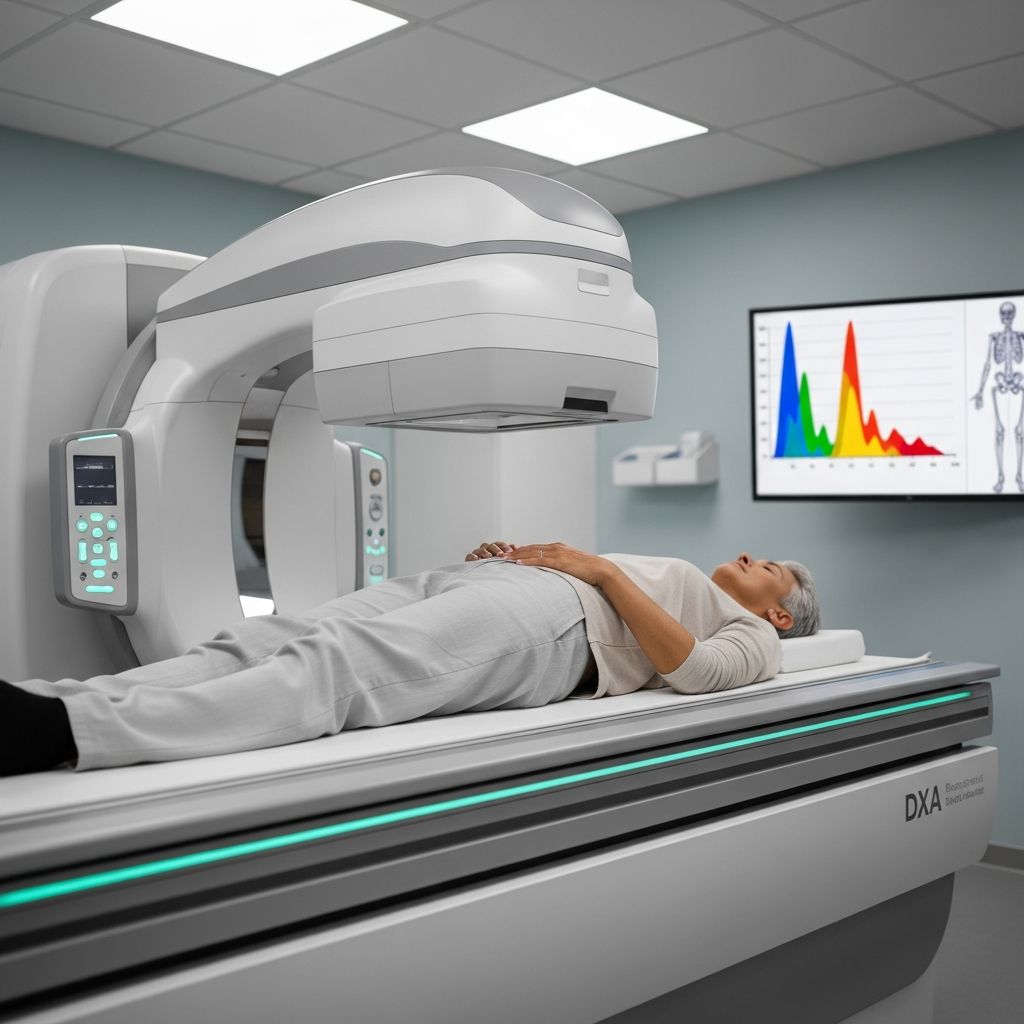
During the procedure, you’ll lie flat on your back on a padded scanning table in a comfortable position. Your legs may be positioned straight, or you might rest them on a padded platform for comfort. The scanning machine has an arm that passes over your hips and spine while another scanner passes beneath you. These dual imaging systems work simultaneously to capture comprehensive bone density data.
Your technician will ask you to remain very still during the scan to ensure clear, accurate images. You may be asked to hold your breath momentarily to prevent any motion that could blur the images. The scanning machine uses two types of low-level radiation to translate your bone density into detailed pictures and graphs displayed on a computer monitor. Your bones will appear white in the images, while soft tissues like fat and muscles show up as dark shadows in the background.
Duration
A typical bone density scan takes approximately 30 minutes, though your individual test might be slightly shorter or longer depending on how many bones need to be scanned. The technicians usually focus on scanning your hips and spine, as these are the areas most critical for assessing fracture risk and bone health.
Understanding Your DXA Scan Results
What the Numbers Mean
Your DXA scan results will be expressed using a scoring system called the “T score,” which measures how your bone density compares to a healthy, average person in their 20s or 30s. Results are presented as negative numbers, with the score closer to zero indicating stronger bones. Here’s how to interpret your T score:
| T Score Range | Bone Health Status | Interpretation |
|---|---|---|
| -1.0 or higher | Normal Bone Density | Your bones are as dense as a healthy young adult |
| -1.0 to -2.5 | Osteopenia | Low bone mass; increased fracture risk |
| -2.5 or lower | Osteoporosis | Significantly weakened bones; high fracture risk |
Result Discussion with Your Provider
Your healthcare provider will discuss your results with you and explain what they mean for your individual bone health. If your scan reveals lower-than-usual bone density, your provider will suggest appropriate treatments and lifestyle modifications to help keep your bones strong. These interventions may include vitamin D and calcium supplementation, weight-bearing exercise programs, medication to slow bone loss, and dietary changes to support bone health.
It’s important to note that results and readings from DXA scans can occasionally vary slightly between different manufacturers’ scanning machines. However, this variation is typically not something you need to worry about. Your healthcare provider will monitor changes in your bone density over time and will recommend repeated or alternative tests if needed to track your progress accurately.
DXA Scans vs. Whole-Body Bone Scans
DXA scans and whole-body bone scans are similar tests that both involve scanning your bones, but they serve different purposes in diagnosing various bone conditions. DXA scans are specialized X-rays designed specifically to measure bone density and screen for osteoporosis and other conditions that weaken bones.
Whole-body bone scans, by contrast, use radioactive tracers and specialized cameras to check whether cancer has spread (metastasized) to your bones or to determine the stage of existing cancer. They can also detect infections, lesions, and other abnormalities in bone tissue. Your healthcare provider will determine which type of scan is most appropriate based on your specific health concerns and symptoms.
Important Considerations About DXA Scans
Accuracy Factors
DXA scans are highly accurate for most people, but certain conditions can affect result reliability. The test is less accurate if you have a history of spinal surgery, spinal deformity, fractures, or arthritis in your spine. Your healthcare provider will take these factors into account when interpreting your results and may recommend additional tests to confirm a diagnosis if needed.
Complementary Testing
While DXA is the most common and reliable method for measuring bone density, your provider may order additional tests to confirm a diagnosis or determine if bone loss treatment is working effectively. These complementary tests may include calcium blood tests, vitamin D level testing, and hormone level assessments. Together, these tests provide a comprehensive picture of your bone health and nutritional status.
When Should Everyone Get Bone Density Screening?
Everyone should have their bone density checked as they age. The specific timing and frequency depend on your individual risk factors, age, and family history. Anyone with a family history of osteoporosis will need bone density screenings more frequently than those without genetic predisposition. Your healthcare provider will help you determine an appropriate screening schedule and work with you to maintain optimal bone health throughout your life.
Frequently Asked Questions About DXA Scans
Q: Is a DXA scan painful?
A: No, DXA scans are completely painless. There are no needles, injections, or uncomfortable sensations during the procedure. You simply lie on a padded table while the scanning equipment passes over your body.
Q: How much radiation am I exposed to during a DXA scan?
A: DXA scans use very low doses of X-rays, making them an extremely safe imaging procedure. The radiation exposure is minimal and significantly lower than many other medical imaging tests.
Q: How long does it take to get my DXA scan results?
A: Your healthcare provider will typically receive the results within a few days after your scan. Your provider will discuss these results with you and explain what they mean for your bone health and any necessary follow-up care.
Q: Do I need to do anything special to prepare for my DXA scan?
A: Preparation is minimal. You can eat and drink normally, and you don’t need to fast. Wear comfortable clothing that’s easy to change out of if necessary, and inform your scheduler about any recent imaging tests or metal implants you have.
Q: Can I have a DXA scan if I have metal implants?
A: Most metal implants don’t interfere with DXA scans, but you should inform your healthcare provider about any metal in your body so they can ensure accurate imaging and appropriate positioning during your test.
Q: How often should I get repeated DXA scans?
A: The frequency of repeat scans depends on your individual bone health status, age, and risk factors. Your healthcare provider will recommend an appropriate schedule, which typically ranges from every 1-2 years for those being treated for bone loss to every 5 years for those with normal bone density.
Taking Action for Your Bone Health
Whether you’re called it a DXA scan, DEXA scan, or bone density test, this quick and painless procedure is an important tool for maintaining bone health throughout your life. By catching conditions that affect bone density early, you and your healthcare provider can implement preventive strategies and treatments to reduce your fracture risk and maintain strong, healthy bones. If you’re concerned about your bone health or meet the criteria for screening based on age or risk factors, talk to your healthcare provider about scheduling a DXA scan today.
References
- DXA Scan (Bone Density Test) — Cleveland Clinic. 2024. https://my.clevelandclinic.org/health/diagnostics/10683-dexa-dxa-scan-bone-density-test
- Bone Density Scan: MedlinePlus Medical Test — National Library of Medicine. 2024. https://medlineplus.gov/lab-tests/bone-density-scan/
- How DEXA Bone Scans Can Aid in Managing Osteoporosis — Advanced Radiology. 2024. https://atradiology.cc/how-dexa-bone-scans-can-aid-in-managing-osteoporosis/
- DXA Bone Density Screening for Osteoporosis — National Council on Aging. 2024. https://www.ncoa.org/article/dxa-bone-density-screening-for-osteoporosis-ed-doyles-story/
- Osteoporosis: Symptoms, Causes and Treatment — Cleveland Clinic. 2024. https://my.clevelandclinic.org/health/diseases/4443-osteoporosis
- DXA and Clinical Challenges of Fracture Risk Assessment in Primary Care — Cleveland Clinic Journal of Medicine. 2024. https://www.ccjm.org/content/88/11/615
Similar Articles








Read full bio of medha deb