Dyshidrotic Eczema: What You Need To Know
Understand dyshidrotic eczema: symptoms, causes, triggers, treatments, and prevention strategies for this itchy blistering skin condition.
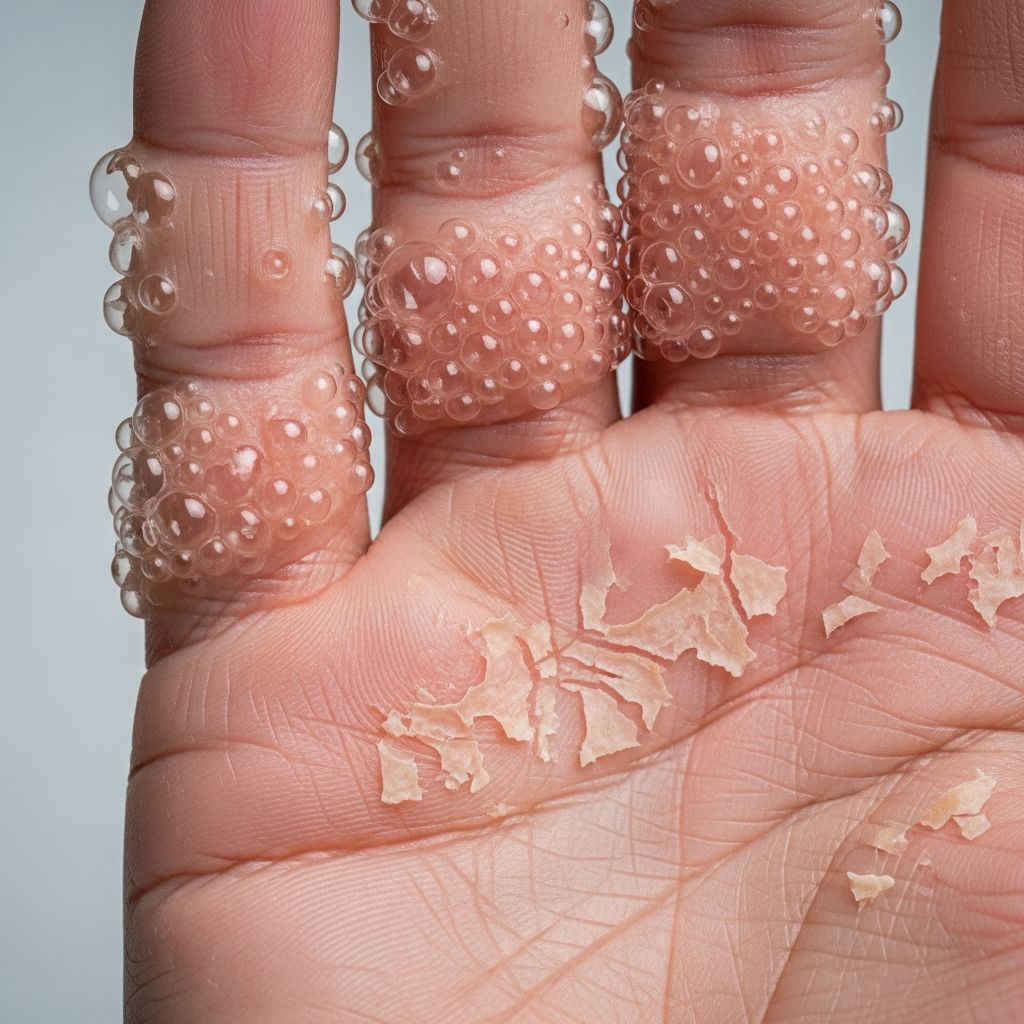
Dyshidrotic eczema, also known as pompholyx or dyshidrosis, is a type of eczema characterized by small, intensely itchy blisters on the hands and feet. These blisters typically appear on the palms, sides of fingers, and soles, often triggered by stress, sweat, or allergens, and can recur chronically.
What Is Dyshidrotic Eczema?
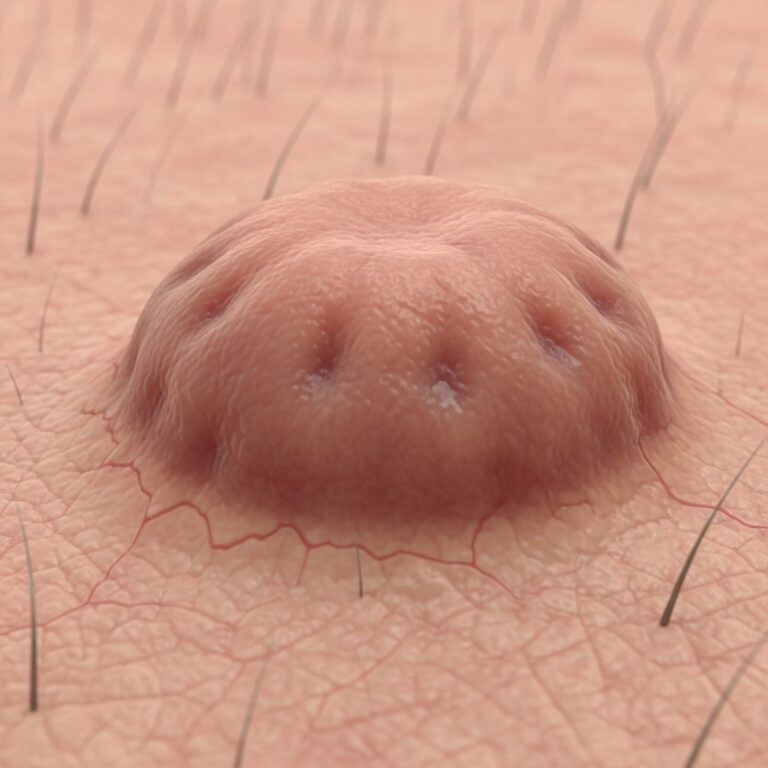
Dyshidrotic eczema is a chronic, recurrent skin condition that primarily affects the palms, fingers, and soles of the feet. Despite its name suggesting a link to sweat glands (“dyshidrotic” meaning “bad sweating”), it is not caused by blocked sweat ducts but rather involves an inflammatory response leading to vesicular eruptions. It impacts about 20% of people with hand dermatitis and is more common in warm weather or humid conditions. The condition creates deep-seated, fluid-filled blisters that resemble tapioca pudding, lasting 2-3 weeks per flare before peeling and cracking.
Though not contagious, dyshidrotic eczema can significantly disrupt daily life due to pain, itching, and potential for secondary infections. It often coexists with atopic dermatitis or contact allergies. Early recognition and management are key to preventing severe flares.
Symptoms of Dyshidrotic Eczema
Symptoms usually start suddenly with intense itching or burning sensations on the affected areas, followed by the formation of small, firm vesicles. Key symptoms include:
- Small, deep blisters (1-2 mm) on palms, sides of fingers, toes, or soles, sometimes merging into larger bullae in severe cases.
- Intense itching, burning, or pain, often worsening at night.
- Red, inflamed skin around blisters, leading to scaling and dryness.
- Peeling and cracking skin after blisters burst, causing painful fissures.
- Nail changes like ridging, pitting, or separation if chronic.
In people with skin of color, post-inflammatory hyperpigmentation may occur after healing. Flares last 2-3 weeks but can recur frequently, especially in summer. Severe cases may involve oozing, crusting, or secondary bacterial infection indicated by pus, swelling, or fever.
What Causes Dyshidrotic Eczema?
The exact cause remains unknown, but dyshidrotic eczema arises from a combination of genetic predisposition, immune dysregulation, and environmental triggers rather than sweat gland dysfunction. It is not caused by “sweaty hands” as once thought, though hyperhidrosis can exacerbate it.
Common triggers include:
- Stress: Emotional or physical stress often precedes flares, earning it the nickname “stress eczema”.
- Allergens and irritants: Nickel, cobalt, fragrances, or preservatives in soaps and lotions.
- Metals: Hypersensitivity to nickel (e.g., jewelry) or cobalt.
- Sweat and heat: Hot, humid weather or excessive sweating.
- Other factors: Smoking, certain medications (aspirin, birth control), IVIG infusions, or fungal infections like tinea.
People with atopic eczema, hay fever, or family history of allergies are at higher risk.
Risk Factors for Dyshidrotic Eczema
Certain factors increase susceptibility:
- Age 20-40, more common in women.
- History of atopic dermatitis, allergic rhinitis, or asthma.
- Occupations involving frequent hand wetting/drying (e.g., healthcare, food service) or metal exposure.
- Hyperhidrosis or living in hot climates.
It is distinct from other eczemas but can mimic contact dermatitis or scabies, requiring differential diagnosis.
How Is Dyshidrotic Eczema Diagnosed?
Diagnosis is primarily clinical, based on history and characteristic appearance—no biopsy is usually needed. Dermatologists assess:
- Recurrent vesicles on palms/soles without systemic symptoms.
- Patch testing for allergens like nickel.
- Skin scrapings to rule out fungal infections or scabies.
- Sometimes Dyshidrotic Eczema Area and Severity Index (DASI) score for severity.
Related Stories



Bacterial cultures if infection suspected. Early diagnosis prevents complications.
Dyshidrotic Eczema Treatment
Treatment focuses on relieving symptoms, drying blisters, reducing inflammation, and preventing flares. Mild cases respond to home care; severe ones need medical intervention.
Home Remedies and Self-Care
For mild flares:
- Cool compresses or soaks with Burow’s solution (aluminum acetate) or potassium permanganate 15-20 min, 2-4x/day to dry blisters.
- Moisturizers: Thick, fragrance-free creams (petrolatum-based) applied to damp skin.
- OTC hydrocortisone (1%) for itch/inflammation.
- Antihistamines like diphenhydramine for nighttime itch.
- Avoid triggers: Wear cotton gloves, use hypoallergenic products, manage stress via meditation.
Medical Treatments
For moderate-severe cases:
| Treatment Type | Description | Use Case |
|---|---|---|
| Topical Corticosteroids | High-potency like clobetasol for 1-2 weeks | First-line for inflammation |
| Calcineurin Inhibitors | Tacrolimus ointment or pimecrolimus cream | Steroid-sparing for chronic use |
| Oral Steroids | Prednisone short course for severe flares | Widespread involvement |
| Phototherapy | UVB or PUVA light therapy | Recurrent severe cases |
| Other | Antibiotics for infection; Botox for hyperhidrosis; antifungals if needed | Complications or triggers |
Immunosuppressants like methotrexate for refractory cases. Always consult a dermatologist.
Preventing Dyshidrotic Eczema Flares
Prevention emphasizes trigger avoidance and skin barrier protection:
- Moisturize 2-3x daily, especially after handwashing.
- Use gloves for wet work/detergents; cotton-lined rubber gloves.
- Avoid known allergens (patch test recommended).
- Manage stress with yoga, therapy.
- Control sweating: Antiperspirants or iontophoresis.
- Keep nails short to prevent scratching/infection.
Consistent skincare reduces recurrence by 50% in many patients.
Complications of Dyshidrotic Eczema
Untreated flares risk:
- Bacterial infection (staph/strep): Pus, crusting, cellulitis.
- Fungal superinfection.
- Painful fissures impairing function.
- Chronic changes: Nail dystrophy, hyperpigmentation.
- Psychosocial impact: Anxiety from visible symptoms.
Prompt treatment minimizes these.
When to See a Doctor for Dyshidrotic Eczema
Seek care if:
- Blisters cover large areas, ooze pus, or cause fever.
- First-time outbreak or no improvement in 2 weeks.
- Pain prevents daily activities.
- Frequent flares despite self-care.
Frequently Asked Questions (FAQs)
What does dyshidrotic eczema look like?
It appears as small, tapioca-like blisters on hands/feet, with red, scaly, peeling skin after.
Is dyshidrotic eczema contagious?
No, it is not contagious; it is an internal inflammatory condition.
How long does a dyshidrotic eczema flare last?
Typically 2-3 weeks, but chronic cases recur.
Can stress cause dyshidrotic eczema?
Stress is a common trigger, though not the sole cause.
Does dyshidrotic eczema go away?
It is chronic but manageable; flares resolve with treatment.
References
- Dyshidrotic Eczema: Symptoms, Causes, Treatment — National Eczema Association. 2023. https://nationaleczema.org/types-of-eczema/dyshidrotic-eczema/
- Dyshidrotic Eczema (Dyshidrosis): Causes, Pictures, and More — Healthline. 2023-10-15. https://www.healthline.com/health/dyshidrotic-eczema
- Dyshidrotic Eczema: A Common Cause of Palmar Dermatitis — PMC (NCBI). 2020-11-01. https://pmc.ncbi.nlm.nih.gov/articles/PMC7647841/
- Dyshidrotic eczema: What to know about summer finger bumps — Medical News Today. 2023. https://www.medicalnewstoday.com/articles/summer-finger-bumps
Similar Articles








Read full bio of medha deb