Dyshidrotic Eczema: Causes, Symptoms, and Treatment
Complete guide to dyshidrotic eczema: understanding triggers, recognizing symptoms, and managing flare-ups effectively.
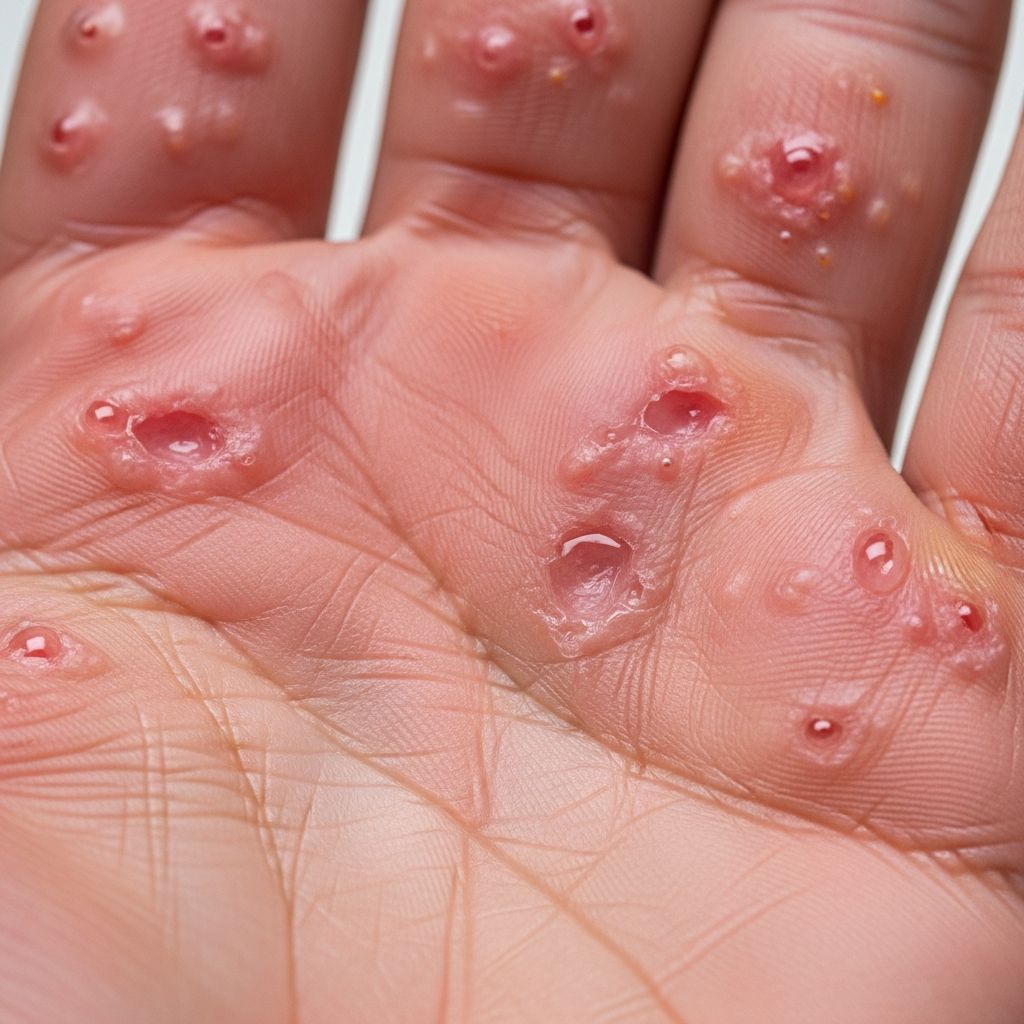
Understanding Dyshidrotic Eczema
Dyshidrotic eczema, also known as dyshidrosis or pompholyx, is a chronic skin condition characterized by the development of tiny, itchy blisters on the hands and feet. This condition affects individuals differently, and while it isn’t contagious, it can significantly impact quality of life when flare-ups occur. The blisters typically appear on the palms, fingers, soles of feet, and toes, causing considerable discomfort and itching. As these blisters heal, they can crack and peel, potentially leading to secondary complications if not properly managed.
Healthcare providers aren’t entirely certain what causes dyshidrotic eczema, though research has identified numerous triggers that can initiate flare-ups. Understanding these triggers and recognizing symptoms early can help individuals manage the condition more effectively and reduce the severity and frequency of episodes.
Symptoms of Dyshidrotic Eczema
The symptoms of dyshidrotic eczema typically develop suddenly and can vary significantly from person to person. The most characteristic feature is the appearance of painful, deep blisters called vesicles that form on the skin’s surface.
Primary Symptoms
The hallmark symptoms include:
- Intense itching and burning sensations that may occur before blisters appear
- Tiny, fluid-filled blisters on palms, fingers, feet, and toes
- Red, swollen skin surrounding affected areas
- Cracked and peeling skin as blisters heal
- Thickened or hardened skin patches in severe cases
- Changes in nail appearance, including pitting or discoloration
Duration and Progression
Dyshidrotic eczema symptoms typically flare up and last approximately three to four weeks before clearing up. However, the condition’s timeline varies considerably. Some individuals experience symptoms only once in their lifetime, while others face frequent recurring flare-ups when exposed to specific triggers. If left untreated or if flare-ups occur repeatedly, the condition may permanently change your skin, making it chronically dry, cracked, or thicker than normal. Additionally, repeated flare-ups can affect mental health, causing stress and anxiety related to symptom management and appearance concerns.
What Causes Dyshidrotic Eczema
The exact cause of dyshidrotic eczema remains unknown despite extensive research. However, experts have identified that this condition likely results from a combination of genetic predisposition and environmental triggers. Approximately 50 percent of people with dyshidrotic eczema also have atopic eczema or a family history of atopic eczema, suggesting a genetic component.
Common Triggers
Several well-documented factors can trigger dyshidrotic eczema flare-ups:
- Stress and emotional tension
- Contact with metals such as nickel, cobalt, and chromium salts
- Sweaty or moist hands and feet, particularly from environmental humidity or occupational exposure
- Warm, humid weather conditions
- Certain medications including aspirin, birth control pills, and intravenous immunoglobulin (IVIG) infusions
- Seasonal allergies and hay fever
- Contact with irritants in laundry detergents or personal care products
- Occupational factors, particularly in healthcare, food service, or sanitation work requiring frequent hand washing
- Smoking tobacco
- Skin infections such as athlete’s foot
Hypersensitivity Reactions
People with dyshidrotic eczema often develop hypersensitivity reactions to specific substances, including metal compounds, particular soap ingredients, moisturizer components, and other personal care products. Identifying and avoiding personal triggers is crucial for effective symptom management.
Who Gets Dyshidrotic Eczema
Dyshidrotic eczema affects people of various ages and backgrounds, though certain groups experience higher prevalence rates. This condition is twice as common in women as in men, suggesting a possible hormonal component. Additionally, individuals with a personal or family history of atopic dermatitis or other allergic conditions face increased risk of developing dyshidrotic eczema.
Occupations involving frequent hand washing, prolonged moisture exposure, or metal contact increase susceptibility. HIV infection and certain immune system conditions may also increase the likelihood of developing this condition.
Related Stories



Treatment Options for Dyshidrotic Eczema
While there is no permanent cure for dyshidrotic eczema, various effective treatment strategies can help manage symptoms and reduce the frequency and severity of flare-ups. Treatment plans should be individualized based on symptom severity, frequency, and personal response to interventions.
At-Home Management Strategies
For mild symptoms, healthcare providers often recommend initial conservative approaches:
- Apply cool, wet compresses to affected areas for 15 minutes, two to four times daily to help dry blisters and reduce itching
- Use medicated soaks specifically designed for eczema management
- Apply moisturizer or barrier repair cream to damp skin immediately after soaking or bathing to lock in hydration
- Keep fingernails and toenails short to prevent accidental skin damage from scratching
- Practice stress management techniques including meditation, yoga, and relaxation exercises
- Identify and avoid personal triggers by keeping a symptom diary
- Maintain excellent hygiene without over-washing, which can dry skin further
Topical Medications
For many cases, topical treatments provide significant relief. Healthcare providers frequently prescribe:
- Corticosteroid creams and ointments to reduce inflammation and promote blister healing
- Moisturizers and emollients to maintain skin hydration and prevent cracking
- Topical calcineurin inhibitors such as tacrolimus (Protopic) ointment or pimecrolimus (Elidel) cream, which help slow immune system response without steroid-related side effects
- Anti-itch medications in cream or pill form, including antihistamines like diphenhydramine (Benadryl) or loratadine (Alavert, Claritin)
Prescription Systemic Treatments
When symptoms are severe or frequent, oral medications may be necessary:
- Oral corticosteroids such as prednisone for acute flare-ups
- Systemic medications that suppress immune system activity
- Janus kinase (JAK) inhibitors, available as oral or injectable formulations
- Phosphodiesterase 4 (PDE4) inhibitors including crisaborole (Eucrisa) and roflumilast (Zoryve)
Biologic Treatments
Biologic medications work differently than traditional treatments by targeting specific immune system molecules rather than treating generalized inflammation. Several biologic medicines have received approval for treating dyshidrotic eczema:
- Dupilumab (Dupixent)
- Lebrikizumab (Ebglyss)
- Nemolizumab (Nemluvio)
- Tralokinumab (Adbry)
Specialized Procedures
For resistant cases, dermatologists may recommend:
- Light therapy or phototherapy using ultraviolet (UV) light, sometimes combined with sensitizing medications to enhance skin response
- Botulinum toxin (Botox) injections to reduce sweating in affected areas, thereby reducing a major trigger
- Potassium permanganate soaks if blisters leak fluid, helping to dry them and reduce infection risk
- Antifungal medications if concurrent fungal infections are present
- Antibiotics if secondary bacterial infections develop
Prevention and Long-Term Management
Effective long-term management requires a multifaceted approach combining trigger avoidance, proper skin care, and appropriate medical treatment:
- Maintain detailed records of potential triggers and symptom patterns
- Use protective gloves when performing wet work or handling chemicals
- Apply moisturizer immediately after bathing to seal in hydration
- Avoid harsh soaps and use fragrance-free, hypoallergenic products
- Limit exposure to nickel and other triggering metals by choosing appropriate jewelry and work equipment
- Manage stress through regular exercise, mindfulness, and professional counseling if needed
- Maintain regular appointments with dermatologists to monitor condition progression
Impact on Quality of Life
While dyshidrotic eczema isn’t life-threatening, it can significantly affect daily functioning and emotional well-being. The intense itching may interfere with sleep, work productivity, and social activities. The visible nature of hand and foot involvement can cause self-consciousness and anxiety. Recognizing these psychological impacts and seeking appropriate support is an important part of comprehensive treatment.
Frequently Asked Questions
Q: Is dyshidrotic eczema contagious?
A: No, dyshidrotic eczema is not contagious. It is a chronic skin condition that develops due to individual sensitivity and environmental triggers, not infectious agents.
Q: How long do dyshidrotic eczema flare-ups typically last?
A: Most flare-ups last approximately three to four weeks before clearing up. However, this timeline varies between individuals and flare-ups can recur at any time depending on exposure to triggers.
Q: Can dyshidrotic eczema be cured permanently?
A: There is no permanent cure for dyshidrotic eczema, but effective management strategies can minimize symptoms and reduce flare-up frequency. Many people can achieve long periods without symptoms through proper trigger identification and avoidance.
Q: What should I do if my blisters become infected?
A: If you notice signs of infection including increased redness, warmth, pus, or swelling, contact your healthcare provider immediately. Antibiotics may be necessary to treat bacterial infections.
Q: Are there any natural remedies for dyshidrotic eczema?
A: While some individuals find relief with natural approaches like oatmeal baths or coconut oil, these should complement rather than replace medical treatment. Always discuss any home remedies with your healthcare provider.
Q: Why is dyshidrotic eczema more common in women?
A: The exact reason is unclear, but hormonal factors may play a role since the condition affects women twice as often as men. Some women report flare-ups related to hormonal cycles.
Q: Can stress really trigger dyshidrotic eczema?
A: Yes, stress is a well-documented trigger. Stress management techniques including meditation, exercise, and relaxation practices can help reduce flare-up frequency and severity.
When to See a Healthcare Provider
Seek medical attention if you experience persistent itching and blistering on your hands or feet, if over-the-counter treatments don’t provide relief after two weeks, if blisters show signs of infection, if the condition significantly impacts your daily life or mental health, or if you develop new or worsening symptoms. A dermatologist can provide accurate diagnosis and personalized treatment recommendations.
Conclusion
Dyshidrotic eczema is a manageable chronic skin condition that requires individualized treatment approaches. Through proper identification of personal triggers, consistent implementation of preventive measures, and appropriate medical treatment, most people can effectively control symptoms and minimize the impact on their daily lives. Working closely with healthcare providers to develop a comprehensive management plan is essential for achieving the best outcomes and maintaining skin health long-term.
References
- Dyshidrotic Eczema (Dyshidrosis): Causes, Treatment, Location — Cleveland Clinic. 2024. https://my.clevelandclinic.org/health/diseases/17728-dyshidrotic-eczema
- Dyshidrotic Eczema: Symptoms, Causes, Treatment — National Eczema Association. 2024. https://nationaleczema.org/types-of-eczema/dyshidrotic-eczema/
- Dyshidrosis – Symptoms and Causes — Mayo Clinic. 2024. https://www.mayoclinic.org/diseases-conditions/dyshidrosis/symptoms-causes/syc-20352342
- Pompholyx (Dyshidrotic) Eczema — British Skin Foundation. 2024. https://eczema.org/information-and-advice/types-of-eczema/pompholyx-eczema-2/
- Dyshidrotic Eczema: Pictures, Symptoms, Causes and Treatment — WebMD. 2024. https://www.webmd.com/skin-problems-and-treatments/eczema/dyshidrotic-eczema
- Dyshidrotic Eczema (Dyshidrosis): Causes, Pictures, and More — Healthline. 2024. https://www.healthline.com/health/dyshidrotic-eczema
Similar Articles








Read full bio of medha deb