Dyshidrotic Eczema: Effective Management Strategies
Master dyshidrotic eczema with proven management strategies and treatment options.
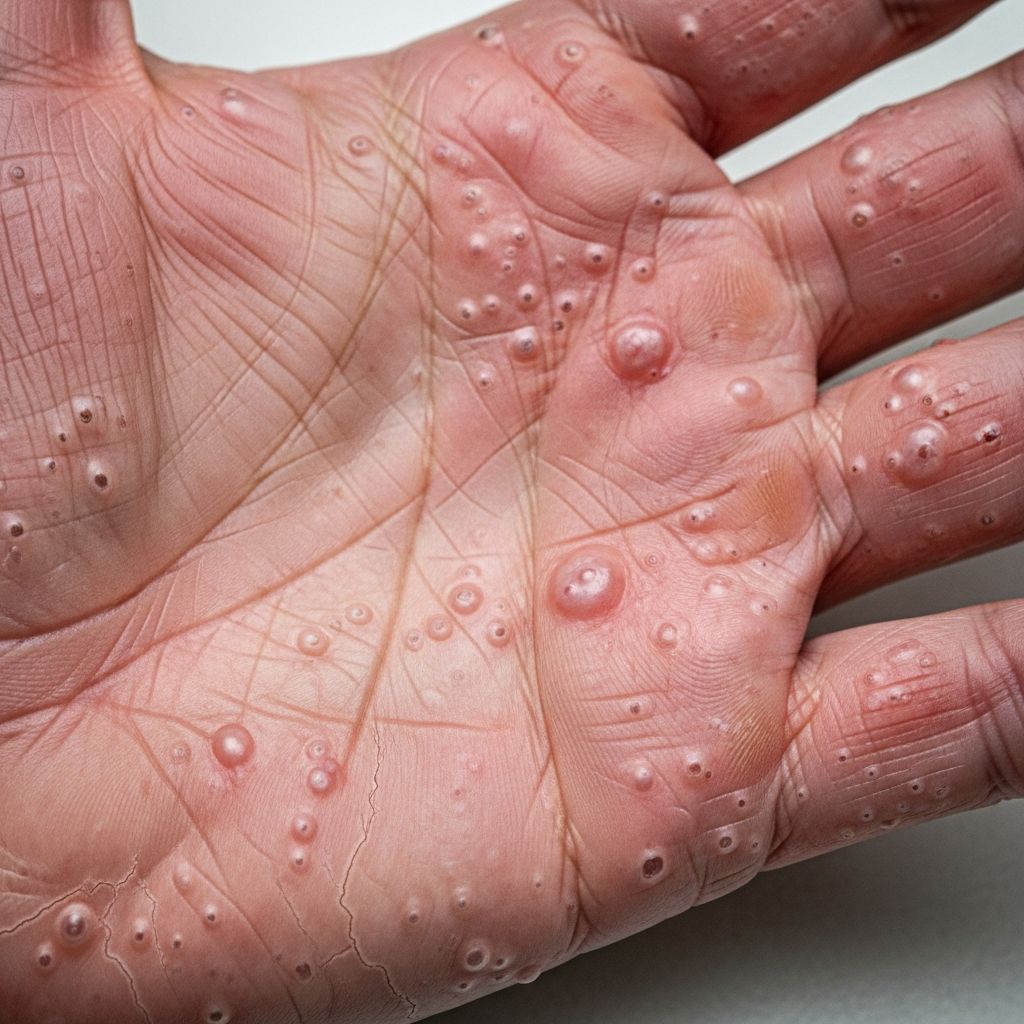
Dyshidrotic eczema, also known as pompholyx, is a specific type of eczema that predominantly affects the hands and feet. This condition is characterized by intensely itchy, fluid-filled blisters that can significantly impact daily functioning and quality of life. Unlike other forms of eczema that may affect various body parts, dyshidrotic eczema remains localized to these critical areas, making it particularly challenging for individuals who rely on their hands for work or other essential activities.
Understanding Dyshidrotic Eczema
What Is Dyshidrotic Eczema?
Dyshidrotic eczema is a chronic inflammatory skin condition that manifests through the formation of small, deep blisters called vesicles on the hands and feet. The condition gets its name from the characteristic appearance and location of these fluid-filled bumps. While the exact cause remains unclear, research suggests that a disrupted skin barrier plays a fundamental role in its development. Think of the skin barrier as a protective wall; when this barrier is compromised, moisture escapes and natural oils are stripped away, leaving the skin dry, cracked, and vulnerable to irritation.
How Common Is Dyshidrotic Eczema?
While dyshidrotic eczema accounts for a portion of all eczema cases, it remains less common than atopic dermatitis. However, it affects a significant number of individuals, particularly those with certain occupations or lifestyle factors that increase their vulnerability to this condition.
Recognizing Symptoms and Signs
Primary Symptoms
The symptoms of dyshidrotic eczema typically develop rapidly and are highly distinctive. Most commonly, individuals experience:
- Painful, itchy blisters (vesicles) on the palms, sides of fingers, soles of feet, or between the toes
- Intense itching and burning sensations that may precede blister formation
- Redness and inflammation surrounding affected areas
- Scaly skin on or around blisters as they heal
- Dry, peeling skin after blisters fade
- In severe cases, large blisters that can be particularly painful
Symptom Progression
Dyshidrotic eczema typically begins with the appearance of painful blisters, though some individuals report itching and burning sensations preceding the physical manifestation of blisters. The condition remains localized to the hands and feet, which helps distinguish it from other eczema types.
Identifying Risk Factors and Triggers
Environmental and Occupational Factors
Several environmental and occupational factors significantly increase the risk of developing dyshidrotic eczema:
- Frequently wet hands or feet with excessive moisture exposure
- Occupations requiring extensive hand washing, such as healthcare, food services, or sanitation work
- Sweaty palms or feet due to warm weather or physical activity
- Hot, humid weather conditions
- Seasonal allergies like hay fever
Personal and Medical Factors
Individual characteristics and medical conditions also contribute to dyshidrotic eczema development:
- Tobacco smoking
- High stress levels and emotional tension
- Certain medications, including aspirin, intravenous immunoglobulin, and birth control pills
- Existing skin infections, such as athlete’s foot
- Sensitivity to metals, particularly nickel and cobalt
Effective Treatment Options
First-Line Treatment Approaches
Most cases of dyshidrotic eczema respond well to initial treatment strategies. The primary approach combines topical corticosteroids with moisture management techniques:
- Short courses of topical corticosteroids to reduce inflammation
- Cool compresses applied several times daily to help dry out blisters and provide relief
- Soaking affected areas to support healing and manage symptoms
Related Stories



Topical Steroid Therapy
Topical corticosteroids work by reducing inflammation, which is the underlying cause of blisters and itching. Dermatologists typically recommend prescription-strength topical steroids for dyshidrotic eczema rather than over-the-counter options. This is because hands are frequently washed and used throughout the day, causing medication to be removed easily. Higher-strength prescriptions deliver a more potent anti-inflammatory signal to the skin, typically requiring application twice daily for optimal effectiveness.
Moisture Management and Cool Compresses
Applying cool compresses several times per day provides dual benefits: it helps dry out blisters while offering immediate relief from irritation and the urge to scratch. This cooling sensation can provide a much-needed break from itching, which is crucial since scratching can further inflame skin and potentially lead to bacterial infections.
Advanced Treatment Options
For severe cases or frequent flare-ups that don’t respond to initial treatments, dermatologists may prescribe:
- Phototherapy (light therapy using specific UV wavelengths to reduce inflammation and decrease itching)
- Topical calcineurin inhibitors (TCIs) for immune modulation
- Oral corticosteroids for short-term symptom control in severe cases
- JAK-inhibitors for immune system regulation
- Injectable medications like dupilumab (Dupixent) for moderate to severe dyshidrotic eczema
Managing Associated Infections
Sometimes dyshidrotic eczema presents with a fungal infection on the hands or feet. In these cases, dermatologists may prescribe antifungal medications alongside other treatments. Additionally, treatments for excessive sweating, such as topical antiperspirants or botulinum toxin injections, may be used to control sweaty hands and feet that trigger or worsen the condition.
Daily Management and Prevention Strategies
Establishing a Skincare Routine
A consistent skincare routine is fundamental to managing dyshidrotic eczema and preventing flare-ups. Essential steps include:
- Wash affected skin with mild cleansers and gently pat dry rather than rubbing
- Apply heavy creams containing ceramides or petrolatum immediately after washing to repair and seal the skin barrier
- Moisturize hands or feet immediately after contact with potential triggers
- Use layered glove methods when showering to prevent contact with irritating shampoos and products
- Wear protective gloves when washing dishes to avoid irritating soaps
- Remove jewelry before washing hands to prevent water and soap from lingering on skin
- Thoroughly dry hands and feet after bathing or swimming to reduce moisture accumulation
Identifying and Avoiding Personal Triggers
Knowing your specific triggers is crucial for long-term management. Patch testing with a dermatologist can help identify potential allergens or irritants in everyday products and materials. For example, if nickel is identified as a trigger, avoiding nickel-containing objects like zippers, metal tools, belt buckles, and costume jewelry becomes essential. Dietary modifications may also be recommended if you have hypersensitivity to metals like nickel or cobalt.
Moisture Control Strategies
Proper moisture management is critical since both excessive moisture and overly dry conditions can trigger flare-ups. Strategies include thoroughly drying hands and feet after any water contact and using potassium permanganate solutions to help dry out blisters and reduce inflammation.
Addressing Complications and Concerns
Preventing Bacterial Infections
One of the most serious complications of dyshidrotic eczema is bacterial skin infection, which can delay or prevent healing. Signs of bacterial infection include swelling, crusting, or pus-filled blisters. If you suspect an infection, consult a dermatologist promptly, as antibiotics may be necessary to prevent complications and promote healing.
Mental Health Considerations
Managing a chronic skin condition like dyshidrotic eczema can be emotionally challenging. Because this condition appears on highly visible areas like the hands, it can affect social interactions such as handshaking and may impact work tasks. This visibility can create stress and anxiety, which paradoxically can exacerbate symptoms since stress is a known trigger for dyshidrotic eczema flare-ups. Mental health professionals can provide valuable support in managing both the emotional effects and stress associated with the condition.
Creating Your Personalized Management Plan
Working With Healthcare Providers
Everyone experiences dyshidrotic eczema differently, making personalized treatment essential. A dermatologist can assess your specific situation, considering your lifestyle, profession, and symptom patterns to recommend the most appropriate treatment approach. Regular consultations help adjust your management plan as needed and ensure optimal control of your condition.
Long-Term Outlook
While there is no cure for dyshidrotic eczema, the condition can be effectively managed with appropriate strategies and treatments. Many individuals can experience long periods without flare-ups by maintaining their skin barrier and avoiding identified triggers. However, maintaining ongoing vigilance is important, as vulnerability to recurrence may persist even during symptom-free periods.
Frequently Asked Questions
Q: How quickly does dyshidrotic eczema respond to treatment?
A: Many cases improve quickly with a short course of topical corticosteroids combined with cool compresses or soaking. However, response time varies depending on severity and individual factors. Consult your dermatologist for personalized expectations.
Q: Can dyshidrotic eczema be cured permanently?
A: Unfortunately, there is no permanent cure. However, with proper management strategies and trigger avoidance, flare-ups can be prevented or minimized. Most individuals can maintain long symptom-free periods with consistent skincare and management.
Q: What should I do if my dyshidrotic eczema doesn’t improve with topical steroids?
A: If topical steroids alone don’t provide adequate relief, contact your dermatologist. Advanced options include phototherapy, oral medications, JAK-inhibitors, or injectable treatments like dupilumab.
Q: Is dyshidrotic eczema contagious?
A: No, dyshidrotic eczema is not contagious. It is a chronic inflammatory condition related to skin barrier dysfunction and individual susceptibility, not an infection caused by pathogens.
Q: Can stress really trigger dyshidrotic eczema?
A: Yes, stress is a recognized trigger for dyshidrotic eczema. Managing stress through relaxation techniques, exercise, or professional support can help reduce flare-ups and improve overall symptom control.
Q: What moisturizer ingredients should I look for?
A: Look for moisturizers containing emollients like ceramides and petrolatum. Choose cream formulations over lotions, as their thicker consistency provides better hydration and barrier repair. Products labeled “repairing” specifically target skin barrier restoration.
References
- Dyshidrotic Eczema: Symptoms, Causes, Treatment — National Eczema Association. https://nationaleczema.org/types-of-eczema/dyshidrotic-eczema/
- Dyshidrotic Eczema (Pompholyx): Causes, Symptoms, and Treatments — Zest Health. https://www.zesthealth.com/blog/dyshidrotic-eczema-pompholyx-causes-symptoms-and-effective-treatments
- Dyshidrotic Eczema – Health Library — Brigham and Women’s Hospital. https://healthlibrary.brighamandwomens.org/Library/DiseasesConditions/Adult/134,533
Similar Articles








Read full bio of medha deb