Dyshidrotic Eczema: Symptoms, Causes, Treatment & Prevention
Understand dyshidrotic eczema: symptoms, causes, treatments, and management strategies for this itchy blistering skin condition.
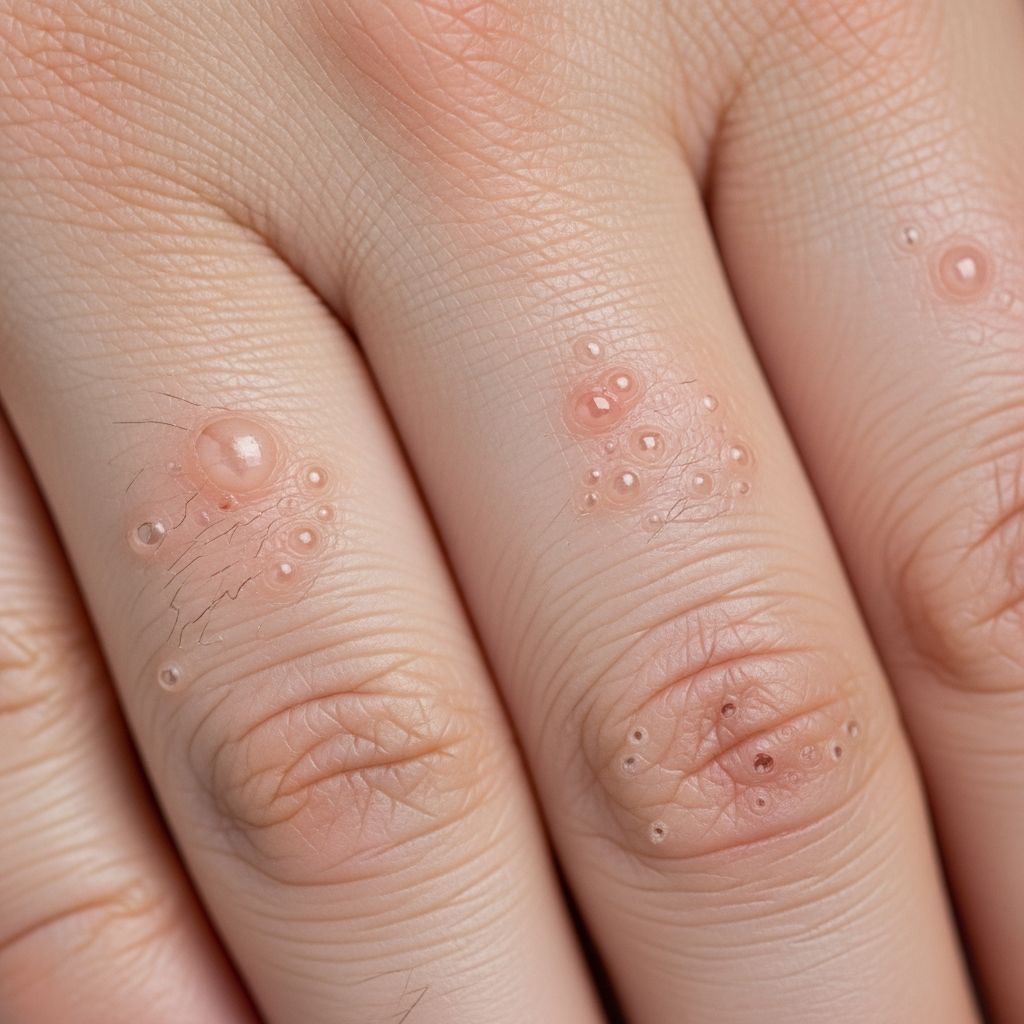
Dyshidrotic eczema, also known as dyshidrosis or pompholyx, is a chronic skin condition characterized by small, intensely itchy blisters on the palms, sides of fingers, and soles of feet. These blisters typically last 2-3 weeks per flare-up, healing with dry, peeling skin that may crack or become infected if scratched. Unlike other eczema types, it rarely affects areas beyond the hands and feet, and its exact cause remains unknown, though triggers like sweat, stress, and allergies play key roles.
What Is Dyshidrotic Eczema?
Dyshidrotic eczema is a recurrent form of eczema limited to the palms and soles, presenting as deep-seated vesicles that resemble tapioca pudding. It affects adults more commonly and can significantly impact daily activities due to pain, itching, and tenderness. The condition is not contagious and stems from a combination of genetic predisposition and environmental triggers, distinguishing it from infectious causes like fungal infections, which may coexist.
While often chronic, flares can be managed effectively with proper care. Severity varies; mild cases involve few vesicles, while severe ones cover entire palms or soles with intense erythema and pruritus. The Dyshidrotic Eczema Area and Severity Index (DASI) helps clinicians assess extent, but it’s not universally used.
Symptoms of Dyshidrotic Eczema
Symptoms often start suddenly with burning or itching before visible blisters appear. Key signs include:
- Tiny, fluid-filled blisters (vesicles) on palms, finger sides, toes, or soles
- Intense itching, burning, or pain
- Red, inflamed skin as blisters merge
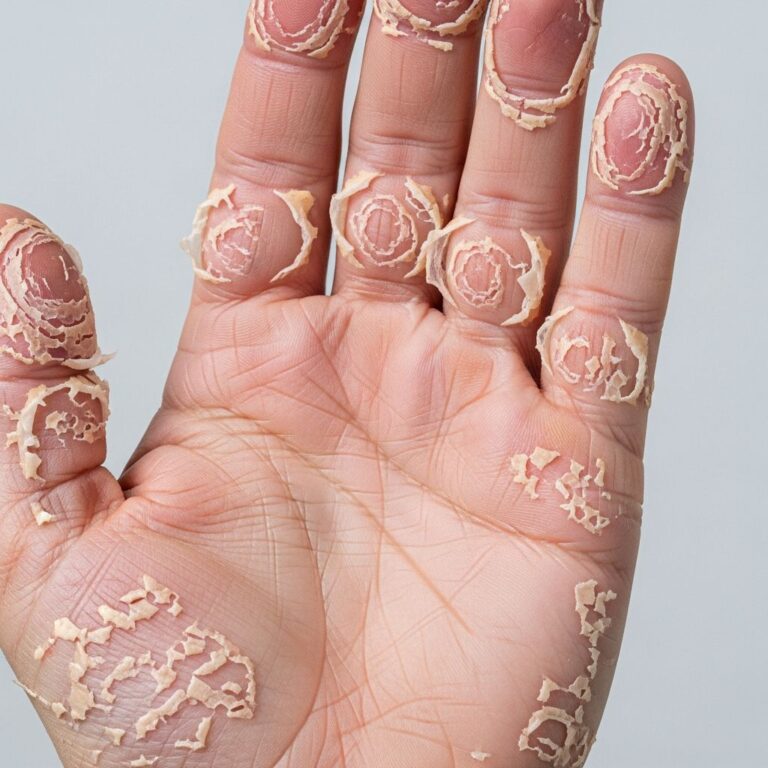
- Dry, scaly, peeling skin after blisters burst
- Cracks or fissures causing tenderness
- Larger bullae in severe cases
- Possible hyperpigmentation in skin of color post-healing
Blisters typically resolve in 2-3 weeks, but scratching risks bacterial infection, marked by pus, swelling, or crusting. Unlike atopic dermatitis, it spares larger body areas.
What Causes Dyshidrotic Eczema?
The precise etiology is unknown, but experts link it to sweat gland dysfunction or hypersensitivity rather than true dyshidrosis (excess sweating). Common triggers include:
- Sweat or hot, humid weather, exacerbating flares
- Stress, often called “stress bumps”
- Allergens like nickel or cobalt in metals, especially jewelry
- Irritants in soaps, detergents, or personal care products
- Medications such as birth control, aspirin, or IVIG
- Smoking tobacco
Genetic factors and atopic history increase risk, with no single cause identified. Fungal infections (tinea) may mimic or trigger it, requiring differentiation.
Risk Factors for Dyshidrotic Eczema
Certain individuals are more prone:
- Adults aged 20-40, especially women
- History of atopic dermatitis, hay fever, or asthma
- Exposure to metals (e.g., nickel-sensitive workers)
- Frequent hand/foot sweating (hyperhidrosis)
- Seasonal flares in summer due to heat
Those with allergies or irritant exposures face higher recurrence.
How Is Dyshidrotic Eczema Diagnosed?
Diagnosis is primarily clinical, based on history and characteristic blisters. Dermatologists may:
- Perform skin scrapings to rule out fungal infections or scabies
- Conduct patch testing for allergens like nickel
- Biopsy rarely, if atypical
No specific lab test exists; exclusion of infections is key.
Treatment for Dyshidrotic Eczema
Related Stories



Treatment targets inflammation, itching, and infection prevention, tailored to severity.
Home Remedies and Self-Care
For mild flares:
- Cool compresses or soaks (e.g., Burow’s solution, potassium permanganate) 2-4 times daily for 15 minutes to dry blisters
- Thick moisturizers or barrier creams on damp skin post-soak
- Over-the-counter hydrocortisone or anti-itch creams
- Short nails to avoid scratching
- Stress reduction via meditation or biofeedback
- Avoid triggers: gloves for irritants, hypoallergenic products
Medical Treatments
Severe or recurrent cases require prescription options:
| Treatment Type | Description | Use Case |
|---|---|---|
| Topical Corticosteroids | High-potency creams like clobetasol | Mild-moderate flares |
| Calcineurin Inhibitors | Tacrolimus ointment, pimecrolimus | Steroid-sparing for chronic use |
| Phototherapy | UVB light therapy | Frequent severe flares |
| Systemic Steroids | Oral prednisone short course | Extensive lesions |
| Antibiotics/Antifungals | For secondary infections | Infected blisters |
| Botulinum Toxin | Injections for hyperhidrosis | Sweat-triggered cases |
Immunosuppressants like methotrexate for refractory disease. Consult a dermatologist promptly.
Prevention Tips for Dyshidrotic Eczema
Minimize flares by:
- Moisturizing daily with fragrance-free emollients
- Wearing cotton gloves for wet work, protective gloves otherwise
- Avoiding known allergens (patch test recommended)
- Managing stress and sweating (antiperspirants)
- Using gentle, soap-free cleansers
- Protecting skin from extremes in temperature/humidity
Consistent skincare prevents recurrence.
Complications of Dyshidrotic Eczema
Untreated flares risk:
- Bacterial infections delaying healing
- Painful fissures impairing function
- Hyperpigmentation or scarring from scratching
- Chronicity with frequent flares
Early intervention reduces these.
When to See a Doctor for Dyshidrotic Eczema
Seek care if:
- Blisters cover large areas or persist >3 weeks
- Signs of infection (pus, fever, swelling)
- Pain interferes with daily tasks
- Flares recur despite home care
Prompt treatment prevents worsening.
Frequently Asked Questions (FAQs)
What does dyshidrotic eczema look like?
Small, deep blisters like tapioca pearls on hands/feet, with red, scaly, peeling skin post-healing.
How long does dyshidrotic eczema last?
Flares last 2-3 weeks; skin peels as it heals, but chronic cases recur.
Is dyshidrotic eczema contagious?
No, it’s not infectious; caused by internal triggers.
Can stress cause dyshidrotic eczema?
Stress is a common trigger, but not the sole cause.
Does dyshidrotic eczema go away?
No cure, but manageable with avoidance and treatment; flares resolve but may return.
References
- Dyshidrotic Eczema: Symptoms, Causes, Treatment — National Eczema Association. Accessed 2026. https://nationaleczema.org/types-of-eczema/dyshidrotic-eczema/
- Dyshidrotic Eczema (Dyshidrosis): Causes, Pictures, and More — Healthline. Accessed 2026. https://www.healthline.com/health/dyshidrotic-eczema
- Dyshidrotic Eczema: A Common Cause of Palmar Dermatitis — PMC (NCBI). 2020-11-01. https://pmc.ncbi.nlm.nih.gov/articles/PMC7647841/
- Dyshidrotic eczema: What to know about summer finger bumps — Medical News Today. Accessed 2026. https://www.medicalnewstoday.com/articles/summer-finger-bumps
Similar Articles








Read full bio of medha deb