Dyskinesia In Parkinson’s Disease: 4 Types And How To Manage
Explore the causes, symptoms, and management strategies for dyskinesia, a common complication of long-term Parkinson's treatment.
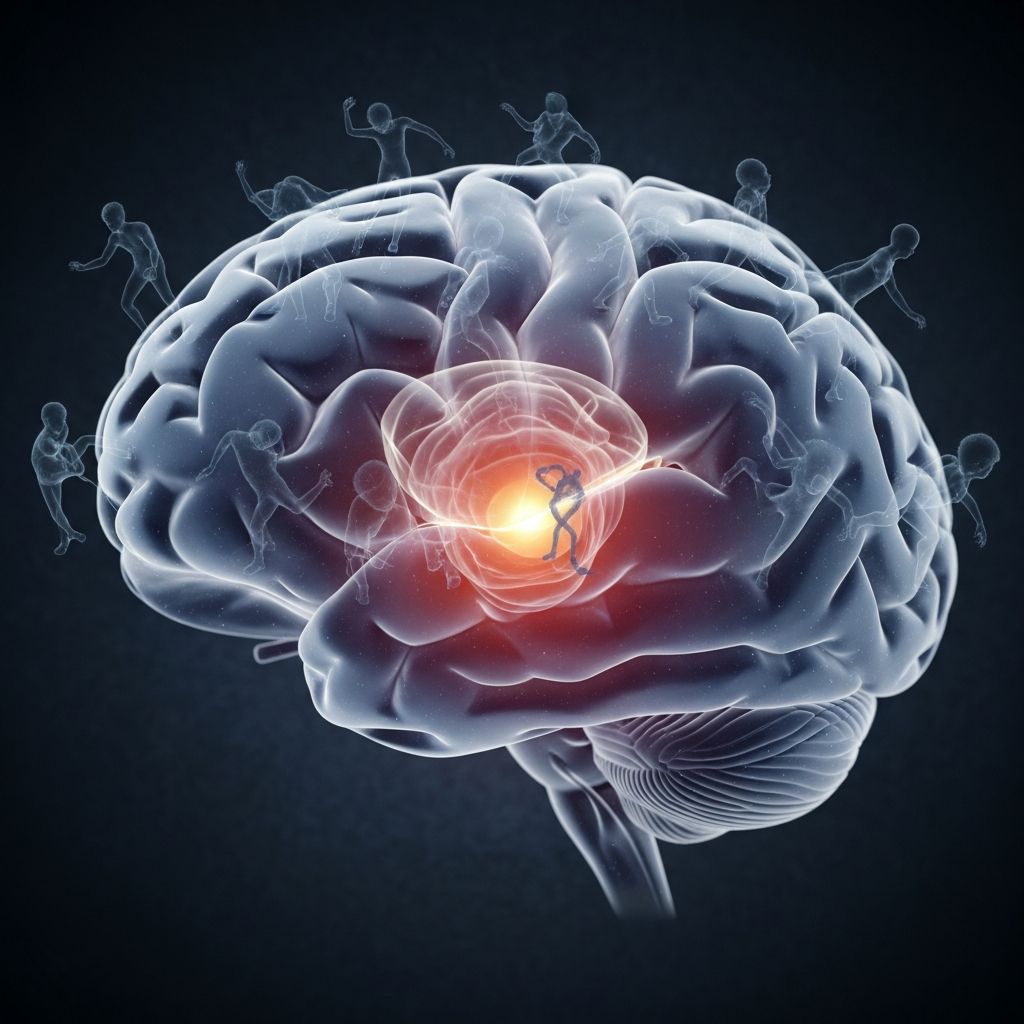
Dyskinesia refers to involuntary, uncontrolled movements that frequently emerge as a complication in individuals managing Parkinson’s disease through long-term levodopa therapy. These movements can significantly impair daily functioning and quality of life, yet understanding their origins and management options empowers better care strategies.
The Neurological Roots of Dyskinesia
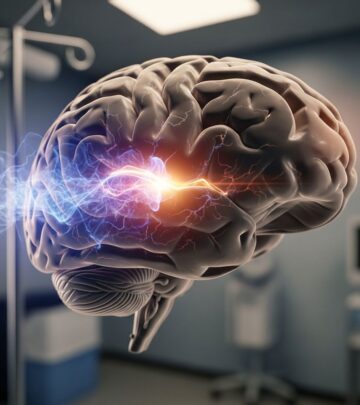
Parkinson’s disease arises from the progressive degeneration of dopamine-producing neurons in the substantia nigra, disrupting smooth motor control. Levodopa, a precursor to dopamine, restores some balance but introduces challenges over time. Intermittent dosing creates pulsatile dopamine stimulation, unlike the steady release in a healthy brain, triggering maladaptive changes in striatal pathways.
Key mechanisms include heightened sensitivity of dopamine receptors and imbalances involving glutamate and serotonin. Glutamatergic projections from the cortex to the striatum interact closely with dopaminergic inputs, amplifying abnormal signaling when dopamine fluctuates. Proteins like Fos and Jun-D form complexes that alter gene expression, promoting dyskinesia.
Risk Factors Influencing Dyskinesia Onset
Several elements heighten susceptibility to dyskinesia:
- Younger Age at Diagnosis: Patients developing Parkinson’s earlier in life face elevated risks, possibly due to longer exposure to therapy.
- Disease Severity: Greater nigral damage correlates with quicker onset, as seen in post-encephalitis or MPTP models where dyskinesia appears rapidly.
- Levodopa Dosage and Duration: Higher cumulative doses and prolonged use are primary triggers.
- Asymmetric Symptoms: Initial manifestations often occur on the more affected side, particularly legs.
These factors underscore the importance of early monitoring and tailored dosing.
Recognizing the Signs: Types of Dyskinesia
Dyskinesia manifests diversely, often starting subtly before intensifying. Common presentations include choreiform (dance-like) motions, such as swaying, twisting, or head bobbing, affecting limbs, trunk, or face.
| Type | Description | Timing Relative to Levodopa | Common Features |
|---|---|---|---|
| Peak-Dose | Most prevalent; occurs at height of medication effect | Peak plasma levels | Chorea in head, limbs, trunk; may include dystonia later |
| Diphasic | Linked to rising/falling levodopa levels | Beginning or end of dose | Ballistic movements in legs, walking gait issues |
| Off-State | During poor symptom control | Low levodopa | Painful dystonias |
| On-State | Persistent despite good PD control | Throughout “on” periods | Mixed chorea, myoclonus |
Dystonic forms involve sustained contractions, often more disabling and painful than chorea. Rare variants include akathisia (restlessness) or blepharospasm.
Distinguishing Dyskinesia from Parkinson’s Core Symptoms
Dyskinesia can mimic tremor but features fluid, flowing motions rather than rhythmic shaking. Bradykinesia (slowness) and rigidity stem directly from dopamine loss, while dyskinesia ties to therapy-induced hypersensitivity.
- Tremor: Rhythmic, rest-dominant.
- Dyskinesia: Jerky, flowing, action-related.
- Rigidity: Stiffness unresponsive to voluntary effort.
Accurate differentiation aids precise management.
Strategies for Managing and Mitigating Dyskinesia
Prevention prioritizes continuous dopamine delivery over pulsatile. Options include:
- Dosing Adjustments: Fractionate levodopa into smaller, more frequent doses to smooth peaks.
- Alternative Medications: Add dopamine agonists, MAO-B/COMT inhibitors, or amantadine to lessen levodopa reliance.
- Infusion Therapies: Continuous subcutaneous apomorphine or intrajejunal levodopa gel for steady levels.
- Deep Brain Stimulation (DBS): Targets subthalamic nucleus to modulate circuits, reducing dyskinesia by 50-70% in select cases.
Related Stories



Amantadine’s NMDA antagonism directly counters glutamatergic excess. Lifestyle tweaks like protein timing and exercise support overall control.
Impact on Daily Life and Psychological Well-Being
Beyond physical disruption—interfering with eating, writing, or walking—dyskinesia evokes embarrassment, anxiety, and depression. Caregivers report heightened burden. Multidisciplinary approaches, including physical/occupational therapy, foster adaptation and resilience.
Emerging Research and Future Directions
Ongoing studies probe non-dopaminergic targets like adenosine A2A receptors and gene therapies to restore physiological dopamine patterns. Clinical trials emphasize early intervention to forestall LID.
Frequently Asked Questions (FAQs)
What triggers dyskinesia most commonly?
Long-term levodopa use causes pulsatile dopamine stimulation, leading to receptor hypersensitivity.
Can dyskinesia be prevented?
Using lowest effective levodopa doses, incorporating adjunct therapies early, and monitoring progression help minimize risk.
Is dyskinesia reversible?
While challenging, adjustments and advanced therapies often reduce severity; complete reversal is rare once established.
Does everyone on levodopa develop dyskinesia?
No, but risks rise with younger onset, higher doses, and advanced disease.
How is dyskinesia diagnosed?
Clinically, via observation during “on” periods; scales like UPDRS quantify severity.
Consult movement disorder specialists for personalized plans. Regular assessments optimize outcomes.
References
- Levodopa‐induced dyskinesia in Parkinson’s disease — National Center for Biotechnology Information (PMC). 2008-12-01. https://pmc.ncbi.nlm.nih.gov/articles/PMC2600052/
- Uncontrolled movements in Parkinson’s disease — Antidote.me. Recent (post-2024 update inferred). https://www.antidote.me/blog/uncontrolled-movements-in-parkinsons-why-they-happen-what-can-help
- Dyskinesia | Parkinson’s Disease — Michael J. Fox Foundation. Recent. https://www.michaeljfox.org/news/dyskinesia
- Parkinson’s disease – Symptoms and causes — Mayo Clinic. 2023-07-12. https://www.mayoclinic.org/diseases-conditions/parkinsons-disease/symptoms-causes/syc-20376055
- Dyskinesia | American Parkinson Disease Association — APDA. Recent. https://www.apdaparkinson.org/living-with-parkinsons-disease/treatment-medication/dyskinesia/
- What Is Dyskinesia in Parkinson’s Disease? — WebMD. Recent. https://www.webmd.com/parkinsons-disease/all-about-dyskinesia
Similar Articles








Read full bio of Sneha Tete