Dysmenorrhea: Understanding Menstrual Cramps and Treatment Options
Comprehensive guide to understanding dysmenorrhea, its causes, symptoms, diagnosis, and effective treatment strategies for painful periods.
Understanding Dysmenorrhea: Painful Periods and Menstrual Cramps
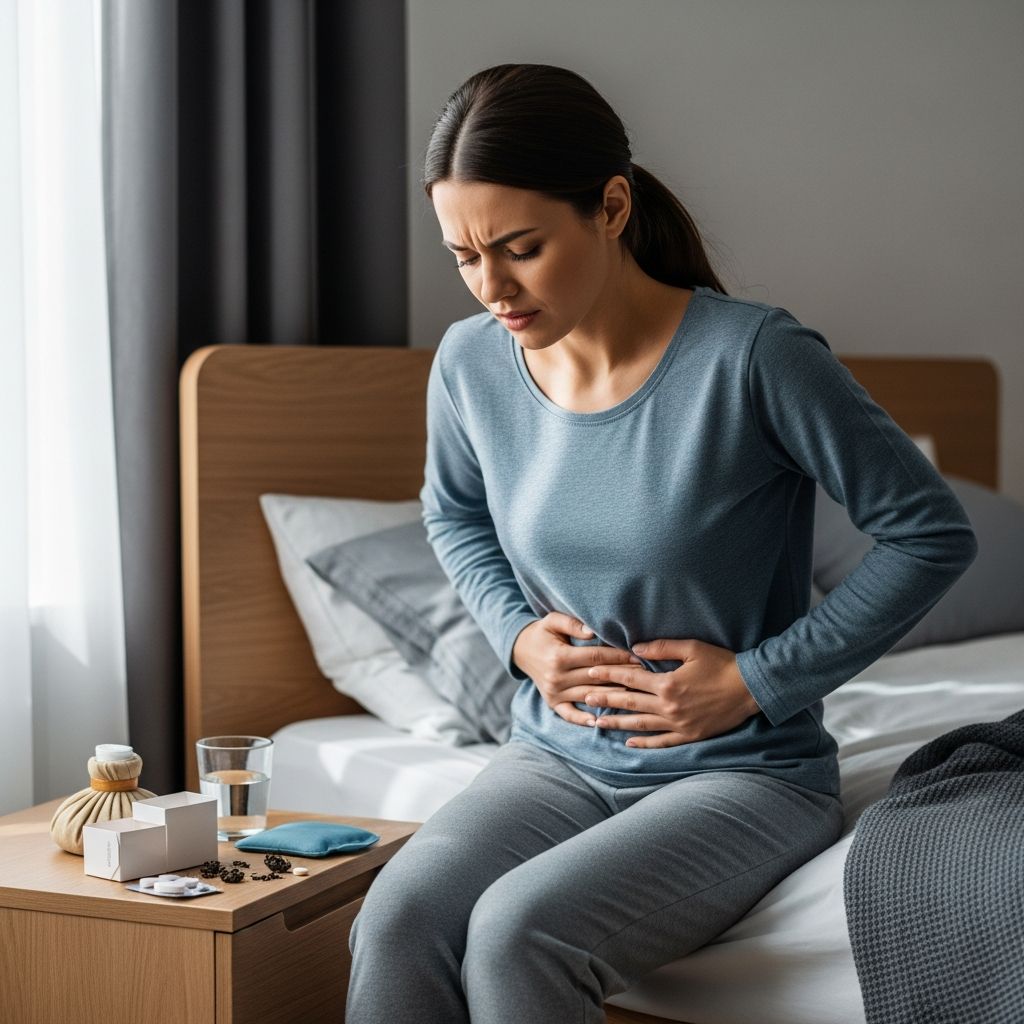
Dysmenorrhea is the medical term for painful periods or menstrual cramps, a condition that affects millions of people worldwide. Cramping occurs when your uterus contracts to shed its lining during your menstrual cycle. While mild to moderate menstrual discomfort is considered a normal part of menstruation, some individuals experience such severe pain that it significantly interferes with their daily life and prevents them from engaging in activities they enjoy.
In addition to cramping, dysmenorrhea may present with various accompanying symptoms, including nausea, fatigue, diarrhea, and other uncomfortable sensations. Most commonly, menstrual cramps occur the day before your period begins or on the first day of bleeding. For the majority of people, these symptoms subside within two or three days. However, when pain becomes debilitating, it’s important to recognize that effective treatments are available to help manage this condition.
Types of Dysmenorrhea: Primary vs. Secondary
Healthcare providers classify dysmenorrhea into two distinct categories based on whether an underlying medical condition is present. Understanding the difference between these types is crucial for proper diagnosis and treatment planning.
Primary Dysmenorrhea
Primary dysmenorrhea represents the more common type of menstrual pain. This type occurs when you experience recurring menstrual cramps with every menstrual cycle, but these cramps are not caused by another underlying medical condition. Pain typically begins one or two days before your period starts or when bleeding actually commences.
The discomfort associated with primary dysmenorrhea can range from mild to severe and is often felt in the lower abdomen, back, or thighs. The pain generally subsides within two or three days as your body completes the shedding of the uterine lining. Primary dysmenorrhea is often linked to prostaglandin levels, which are hormone-like substances that trigger uterine contractions.
Secondary Dysmenorrhea
Secondary dysmenorrhea occurs when your painful periods result from an underlying condition or infection in your reproductive organs. This type is less common than primary dysmenorrhea but requires medical investigation to identify the root cause. Pain from secondary dysmenorrhea typically begins earlier in your menstrual cycle and persists longer than typical menstrual cramps.
For example, you might experience cramping several days before your period begins, and the pain may continue until bleeding completely stops. Conditions that can cause secondary dysmenorrhea include endometriosis, uterine fibroids, pelvic inflammatory disease, and other reproductive health issues. Identifying and treating the underlying condition is essential for managing secondary dysmenorrhea effectively.
Recognizing When to Seek Medical Help
While minor aches and pains during menstruation are normal, certain symptoms warrant professional medical evaluation. If you experience severe or unusual menstrual cramps, or if cramping lasts longer than three days, it’s important to contact a healthcare provider. Both primary and secondary menstrual cramps are treatable, so obtaining a proper diagnosis is the first step toward relief.
Related Stories



Additionally, keep track of any changes in your menstrual patterns, the severity of pain, and other accompanying symptoms. If you notice symptoms like unusually heavy bleeding, severe headaches, or other concerning changes, inform your healthcare provider during your appointment.
Diagnosis of Dysmenorrhea
Your healthcare provider will follow a systematic approach to diagnose dysmenorrhea and determine whether your pain is primary or secondary in nature. The diagnostic process typically includes the following steps:
Medical History and Symptom Description
First, your healthcare provider will ask you to describe your symptoms in detail and discuss your menstrual cycles. Be prepared to answer questions about when you started menstruating, how long your symptoms typically last, whether you are sexually active, and if other people in your biological family experience problems with their periods. This family history can provide important clues about inherited predispositions to menstrual disorders.
Physical Examination
Your provider will perform a pelvic examination by inserting gloved fingers into your vagina to assess your reproductive organs. During this examination, your provider will also insert a speculum into your vagina, which allows them to get a better view of your vagina and cervix. Your provider may take a small sample of vaginal fluid for testing to rule out infections or other abnormalities. The primary goal of this examination is to determine whether a medical condition is causing your painful periods.
Additional Diagnostic Tests
If your healthcare provider suspects secondary dysmenorrhea (dysmenorrhea caused by another health condition), you may need additional diagnostic tests. Imaging and other advanced diagnostic tests allow your provider to get a detailed look at your uterus and other reproductive organs. Your provider may recommend ultrasound imaging, MRI scans, or other specialized tests to visualize your reproductive anatomy and identify any abnormalities or conditions that might be causing your pain.
If testing reveals that you have a medical condition causing painful menstruation, your healthcare provider will discuss appropriate treatment options with you based on the specific diagnosis.
Treatment Options for Dysmenorrhea
Multiple treatment approaches are available for managing dysmenorrhea, ranging from over-the-counter medications to prescription treatments and lifestyle modifications. The right treatment option for you will depend on the severity of your symptoms, the underlying cause, and your personal preferences.
Medication-Based Treatments
Nonsteroidal anti-inflammatory drugs (NSAIDs) are often the first-line treatment for dysmenorrhea. These medications work by reducing the amount of prostaglandins in your body, thereby decreasing the intensity of uterine contractions and associated pain. Common over-the-counter NSAIDs include ibuprofen and naproxen, which you can purchase at your local drug or grocery store without a prescription.
For optimal effectiveness, it’s best to take NSAIDs as soon as cramping begins, rather than waiting for the pain to become severe. If you cannot take NSAIDs due to allergies, sensitivities, or other medical reasons, you can take another pain reliever such as acetaminophen. In some cases, prescription-strength pain relievers may be necessary for more severe pain.
If testing shows that you have secondary dysmenorrhea, your provider may recommend oral contraceptives or other medications to address the underlying condition. In some cases, surgical intervention may be necessary to treat structural problems causing your pain.
Non-Medication Treatments
Several non-pharmaceutical approaches can help relieve menstrual pain and complement medication use:
- Heat therapy: Applying heat to your lower abdomen or back using heating pads or warm compresses can help relax uterine muscles and reduce cramping
- Exercise: Gentle physical activity, stretching, or yoga may help alleviate menstrual pain and improve overall well-being
- Relaxation techniques: Practicing meditation, deep breathing exercises, or progressive muscle relaxation can help manage pain perception
- Adequate rest: Getting sufficient sleep and allowing your body adequate recovery time supports pain management
- Hydration: Drinking plenty of water may help reduce cramping and related symptoms
- Dietary modifications: Consuming balanced meals and avoiding excessive caffeine or sugar may help manage symptoms
Natural and Alternative Remedies
Many people seek natural approaches to managing menstrual pain. While research on alternative or complementary methods continues, studies have produced inconclusive results for many natural treatments. Some natural methods that people try for relieving period pain include specific supplements, herbal remedies, and other holistic approaches. However, it’s important to understand that scientific support for many of these alternative therapies remains limited, often due to issues in study design or the lack of rigorous clinical trials.
Common natural treatments people explore include fish oil, magnesium supplements, vitamin E, acupuncture, aromatherapy, and various herbal remedies such as ginger, turmeric, and black cohosh. While some women report finding relief through these methods, individual responses vary considerably. Before starting any natural remedy, consult with your healthcare provider to ensure there are no interactions with conventional medications and that the treatment is appropriate for your specific situation.
Tracking Your Symptoms
Maintaining a detailed record of your menstrual cycle and associated symptoms can provide valuable information for your healthcare provider. Keep track of:
- The dates when your periods begin and end
- The days when pain is most severe
- The intensity of cramping (mild, moderate, or severe)
- Other accompanying symptoms such as headaches, nausea, or heavy bleeding
- Which treatments or interventions provide relief
- How symptoms affect your daily activities and quality of life
This comprehensive record helps your provider understand your specific pattern of dysmenorrhea and develop a more targeted treatment plan tailored to your needs.
Frequently Asked Questions About Dysmenorrhea
Q: Is it normal to have menstrual cramps?
A: Mild to moderate menstrual cramping is normal and commonly experienced by many people. However, severe cramps that interfere with daily activities are not something you need to tolerate. Effective treatments are available to help manage painful periods.
Q: How long should menstrual cramps last?
A: Typically, menstrual cramps subside within two or three days. If you experience cramping that persists for more than three days or worsens over time, contact your healthcare provider for evaluation.
Q: Can dysmenorrhea be cured?
A: Primary dysmenorrhea cannot be cured, but symptoms can be effectively managed through medication and lifestyle changes. Secondary dysmenorrhea may be improved or resolved by treating the underlying medical condition causing the pain.
Q: Are NSAIDs safe to use regularly during my period?
A: Over-the-counter NSAIDs like ibuprofen and naproxen are generally safe for short-term use during your period as directed on the packaging. However, if you need to use pain relievers frequently or have concerns about regular use, discuss this with your healthcare provider.
Q: Can lifestyle changes reduce menstrual pain?
A: Yes, lifestyle modifications such as regular exercise, stress management, adequate sleep, proper hydration, and heat application can complement medical treatment and help reduce the severity of menstrual pain.
Q: When should I see a healthcare provider about my menstrual cramps?
A: Contact your healthcare provider if you experience severe cramps, cramps lasting longer than three days, a significant change in your typical menstrual pain pattern, or if your symptoms interfere with your daily life and activities.
Getting Support for Menstrual Health
If you are experiencing dysmenorrhea, remember that you don’t have to suffer silently. Healthcare professionals are available to help you develop an effective treatment plan. Your ob/gyn or primary care provider can assess your symptoms, identify any underlying conditions, and recommend appropriate treatments. Whether you need medication, lifestyle modifications, or a combination of approaches, medical professionals can support you throughout your menstrual health journey.
At healthcare facilities like Cleveland Clinic, our experts are equipped to help you manage menstrual pain and maintain overall reproductive health throughout different stages of your life. Don’t hesitate to reach out to discuss your symptoms and explore treatment options that work best for you.
References
- Dysmenorrhea: Menstrual Cramps, Causes & Treatments — Cleveland Clinic. 2024. https://my.clevelandclinic.org/health/diseases/4148-dysmenorrhea
- Dysmenorrhea—myths and facts — Cleveland Clinic Journal of Medicine. 1983. https://www.ccjm.org/content/50/3/367
- A philosophical perspective review of the dismissal of menstrual pain — National Center for Biotechnology Information, U.S. National Library of Medicine. 2024. https://pmc.ncbi.nlm.nih.gov/articles/PMC11113068/
- Natural treatments for dysmenorrhea — EBSCO Research Starters. 2024. https://www.ebsco.com/research-starters/complementary-and-alternative-medicine/natural-treatments-dysmenorrhea
- Prostaglandins: What It Is, Function & Side Effects — Cleveland Clinic. 2024. https://my.clevelandclinic.org/health/articles/24411-prostaglandins
Similar Articles








Read full bio of Sneha Tete