Dysmorphophobia: Understanding Body Dysmorphic Disorder
Comprehensive guide to dysmorphophobia (BDD): symptoms, causes, diagnosis, and evidence-based treatments.
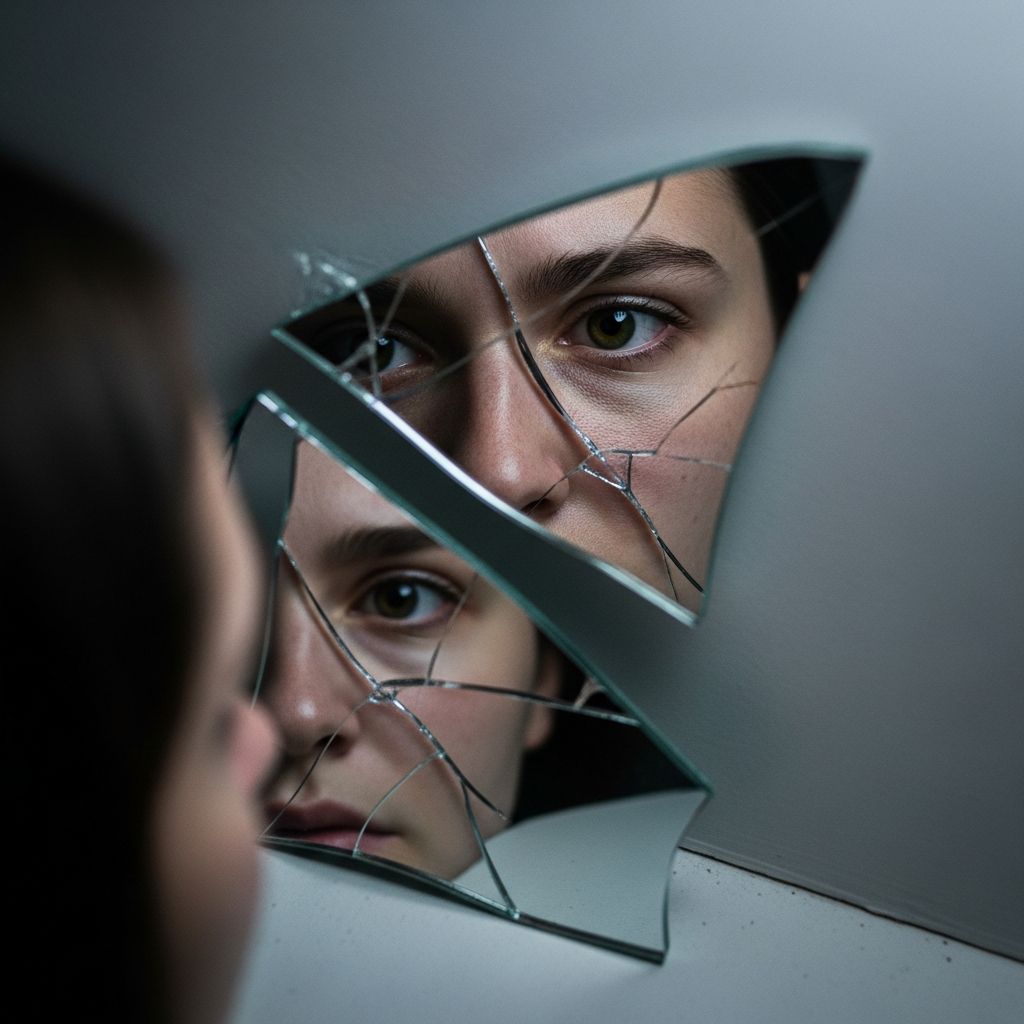
Dysmorphophobia, also known as body dysmorphic disorder (BDD), is a mental health condition characterized by an intense, persistent preoccupation with perceived defects or flaws in physical appearance that are either minor or not observable to others. Individuals with this condition experience significant distress and functional impairment, often spending hours each day ruminating about their appearance and engaging in repetitive behaviors to address their concerns. Despite the subjective nature of their perceived flaws, people with dysmorphophobia experience genuine psychological suffering that can severely impact their quality of life, relationships, and work performance.
Definition and Key Characteristics
Dysmorphophobia represents a distinct form of mental illness that goes beyond normal appearance concerns common to adolescents and adults. The condition involves constant, intrusive thoughts about perceived physical defects, often accompanied by shame, anxiety, and depression. Unlike fleeting self-consciousness about appearance, dysmorphophobia involves:
- Preoccupation with imagined or slight defects in appearance that consume significant time each day
- Repetitive behaviors performed in response to appearance concerns
- Marked distress or functional impairment in social, occupational, or other important areas
- Symptoms that cannot be better explained by concerns with body fat or weight
The perceived flaws in dysmorphophobia can focus on any body part, though common areas include the face, skin, hair, nose, or other facial features. The intensity of preoccupation is disproportionate to any actual observable defect, and individuals often have poor insight into the reality of their appearance concerns.
Onset and Prevalence
Dysmorphophobia typically begins during the teenage years, when concern over physical appearance is developmentally normative. However, in individuals with BDD, these concerns become pathologically excessive and intrusive. The condition affects both males and females, though research suggests females may experience higher rates of diagnosis. Dysmorphophobia occurs across different cultures and socioeconomic backgrounds, though cultural factors may influence which body parts become the focus of concern.
The condition is relatively common and debilitating, yet remains significantly underdiagnosed even within psychiatric settings. Many individuals with dysmorphophobia do not seek mental health treatment, instead pursuing dermatological or cosmetic solutions, which often fail to alleviate the underlying psychological distress.
Symptoms and Clinical Presentation
Individuals with dysmorphophobia exhibit a range of symptoms that reflect both cognitive preoccupation and behavioral response patterns:
Obsessive Preoccupation
- Spending excessive time thinking about perceived defects in appearance
- Repetitive mirror checking or, conversely, mirror avoidance
- Constant comparison of their appearance to that of others
- Seeking reassurance about their appearance from others
- Researching cosmetic procedures or dermatological treatments
Compulsive Behaviors
- Excessive grooming behaviors, such as repeated skin picking, hair plucking, or shaving the same area of skin multiple times
- Constant dieting and overexercising in attempts to improve appearance
- Applying makeup or camouflaging perceived defects for extended periods
- Repeatedly checking appearance in mirrors, reflective surfaces, or photographs
- Seeking frequent dermatological or cosmetic procedures
Avoidance Behaviors
- Avoiding social situations where they feel their defect will be noticed
- Withdrawing from previously enjoyed activities
- Refusing to be photographed or appearing on video
- Avoiding eye contact or facing others directly
- In severe cases, complete social isolation and inability to leave home
Emotional and Functional Impact
Related Stories



- Depression and anxiety that may lead to suicidal ideation
- Significant impairment in academic or occupational functioning
- Relationship difficulties and social isolation
- Diminished quality of life and overall well-being
Causes and Risk Factors
The etiology of dysmorphophobia involves multiple contributing factors. Biological factors include potential abnormalities in brain chemistry, particularly involving serotonin regulation, which explains why selective serotonin reuptake inhibitors (SSRIs) are effective in treatment. Genetic predisposition appears to play a role, as dysmorphophobia often runs in families.
Psychological factors contributing to dysmorphophobia include perfectionism, low self-esteem, social anxiety, and a tendency toward rumination and negative self-evaluation. Environmental factors such as teasing or bullying about appearance during childhood, exposure to unrealistic beauty standards through media, and cultural emphasis on physical appearance may all contribute to the development or exacerbation of the condition.
The condition frequently co-occurs with other mental health disorders, including obsessive-compulsive disorder (OCD), social anxiety disorder, major depressive disorder, and eating disorders. This comorbidity suggests shared underlying neurobiological and psychological mechanisms.
Diagnosis
Diagnosis of dysmorphophobia requires assessment by a qualified mental health professional. The diagnostic process typically involves:
- Detailed clinical interview exploring the nature and duration of appearance preoccupations
- Assessment of the time spent on appearance concerns (typically at least one hour per day)
- Evaluation of repetitive behaviors and their impact on daily functioning
- Examination of whether the perceived defect is observable to others or appears minimal
- Assessment of associated distress and functional impairment
- Screening for co-occurring mental health conditions
- Ruling out concerns better explained by other conditions, such as eating disorders or OCD focused solely on contamination
The World Health Organization’s International Classification of Diseases 11 (ICD-11) recognizes body dysmorphic disorder as a distinct mental health condition, improving diagnostic clarity across international settings.
Impact on Quality of Life
Dysmorphophobia significantly affects multiple domains of functioning. Social relationships suffer as individuals withdraw from friendships and avoid social situations. Academic and occupational performance declines due to difficulties concentrating and excessive time spent on appearance-related concerns. The condition often leads to repeated cosmetic surgery procedures, as individuals pursue increasingly invasive interventions in hopes of alleviating their psychological distress, only to find that the anxiety returns once the procedure is complete.
The psychological burden of dysmorphophobia includes chronic anxiety, depression, and in severe cases, suicidal ideation. Without treatment, the condition typically persists and may worsen over time, representing a significant public health concern.
Evidence-Based Treatment Approaches
Research has identified effective, evidence-based treatments for dysmorphophobia that address both the biological and psychological aspects of the condition.
Cognitive Behavioral Therapy (CBT)
Cognitive behavioral therapy is the first-line psychosocial treatment for dysmorphophobia, with consistent research demonstrating its effectiveness in reducing symptom severity and associated concerns like depression. CBT for BDD is specifically tailored to address the unique features of this condition and typically includes the following components:
- Psychoeducation about the disorder and how thoughts, emotions, and behaviors maintain the condition
- Identification and challenging of automatic negative thoughts about appearance
- Development of more balanced and realistic perspectives on appearance
- Learning techniques to interrupt compulsive behaviors such as mirror checking and reassurance seeking
- Exposure and response prevention (ERP), which involves gradually facing situations that trigger appearance anxiety while resisting the urge to perform rituals
- Development of alternative coping strategies for managing distress
- Behavioral experiments to test fears about others’ reactions to appearance
Exposure and response prevention is a particularly important component of CBT for dysmorphophobia. This technique helps individuals gradually tolerate the distress of exposing their perceived defect to others and develop the ability to resist rituals related to appearance concerns. Over time, repeated exposure leads to habituation, reducing the anxiety and distress associated with appearance thoughts.
Studies comparing CBT to other psychological interventions have found CBT to be significantly superior in reducing symptom severity and improving quality of life and insight. CBT can be delivered individually or in group settings, and for adolescents, typically involves family members or carers in the treatment process.
Medication: Selective Serotonin Reuptake Inhibitors (SSRIs)
Selective serotonin reuptake inhibitors are considered the most effective medication treatment for dysmorphophobia, based on randomized controlled trials demonstrating their efficacy. SSRIs appear to be more effective for BDD than other classes of antidepressants and help control negative thoughts and repetitive behaviors by adjusting brain chemistry related to serotonin regulation.
Commonly prescribed SSRIs for dysmorphophobia include fluoxetine, sertraline, and paroxetine. Research has shown that fluoxetine is significantly more effective than placebo in improving BDD symptoms. The mechanism of action involves increasing available serotonin in the brain, which helps reduce the intensity and frequency of obsessive thoughts and compulsive behaviors.
Medication typically works best when combined with psychotherapy, as this combination approach addresses both biological and psychological aspects of the condition. Treatment response may take several weeks to become apparent, and dosages may need adjustment based on individual response and tolerability.
Combined Treatment
The most comprehensive approach to treating dysmorphophobia involves combining CBT with medication, particularly when symptoms are moderate to severe. This integrative approach provides synergistic benefits, as medication helps reduce the intensity of obsessive thoughts and anxiety, making it easier for individuals to engage in the cognitive and behavioral work of therapy.
For individuals with mild symptoms, CBT alone may be sufficient. For those with moderate symptoms, either CBT or an SSRI can be offered. For severe symptoms or when initial treatments have not been effective, combined CBT and SSRI treatment is recommended. If there is no improvement after 12 weeks of combined treatment, alternative SSRIs or other antidepressants such as clomipramine may be prescribed.
Specialized Treatment Services
For individuals who do not respond to standard treatments or have particularly complex presentations, specialized mental health clinics focusing on body dysmorphic disorder and related conditions may provide more intensive assessment and tailored interventions. These services can offer extended therapy protocols, additional medication trials, and comprehensive evaluation of co-occurring conditions.
Coping Strategies and Self-Management
While professional treatment is essential, individuals with dysmorphophobia can employ several self-management strategies:
- Practicing mindfulness and acceptance techniques to observe appearance thoughts without acting on them
- Engaging in valued activities and relationships rather than focusing on appearance concerns
- Limiting time spent on appearance-related behaviors such as mirror checking or reassurance seeking
- Developing relaxation techniques such as deep breathing or progressive muscle relaxation
- Seeking support from trusted friends, family members, or support groups
- Avoiding excessive exposure to appearance-focused media and social media platforms
- Maintaining regular physical activity and healthy lifestyle habits for overall well-being
Cosmetic Surgery Considerations
A significant clinical concern in dysmorphophobia involves individuals seeking cosmetic surgery to “correct” their perceived flaws. Medical professionals and ethicists debate the appropriateness of performing cosmetic surgery in individuals with BDD, as such procedures rarely alleviate the underlying psychological distress and may reinforce the condition. Research suggests that cosmetic surgery often provides only temporary satisfaction, after which individuals may resume searching for other ways to “fix” perceived flaws or develop concerns about different body parts.
This pattern highlights the importance of distinguishing between cosmetic surgery for genuine appearance improvement and surgery sought as a symptom of dysmorphophobia. Responsible surgical practice involves screening for BDD and recommending psychological treatment before pursuing surgical interventions in individuals with suspected body dysmorphic disorder.
Frequently Asked Questions
Q: How is dysmorphophobia different from normal appearance concerns?
A: Dysmorphophobia involves excessive preoccupation with minor or imagined appearance flaws that causes significant distress and functional impairment, consuming hours daily. Normal appearance concerns are less time-consuming, cause minimal distress, and do not substantially interfere with daily activities or relationships.
Q: Can dysmorphophobia be cured?
A: While there is no “cure,” evidence-based treatments including CBT and medication are highly effective at reducing symptoms and helping individuals reclaim their lives from BDD. Many people experience significant improvement with appropriate treatment and can manage their symptoms effectively.
Q: Is dysmorphophobia the same as anorexia or other eating disorders?
A: No. While dysmorphophobia and eating disorders may co-occur and share some features, they are distinct conditions. BDD involves preoccupation with appearance flaws beyond body weight or shape, whereas eating disorders focus specifically on body weight and eating behaviors.
Q: How long does treatment for dysmorphophobia typically take?
A: Treatment duration varies based on symptom severity and individual response. Improvements may be seen within several weeks of starting medication and therapy, though more substantial gains typically occur over several months of consistent treatment engagement.
Q: What should I do if I suspect I have dysmorphophobia?
A: Consult a mental health professional such as a psychologist, psychiatrist, or counselor who has experience treating body dysmorphic disorder. Early intervention improves outcomes and prevents the condition from worsening.
Q: Does dysmorphophobia run in families?
A: There appears to be a genetic component to dysmorphophobia, meaning it may run in families. However, environmental factors and life experiences also play important roles in the development of the condition.
References
- Understanding and treating body dysmorphic disorder — National Center for Biotechnology Information (NCBI), U.S. National Library of Medicine. 2019-01-15. https://www.ncbi.nlm.nih.gov/pmc/articles/PMC6343413/
- Body dysmorphic disorder – Diagnosis and treatment — Mayo Clinic. 2024. https://www.mayoclinic.org/diseases-conditions/body-dysmorphic-disorder/diagnosis-treatment/drc-20353944
- Body dysmorphic disorder (BDD) — NHS (National Health Service). 2024. https://www.nhs.uk/mental-health/conditions/body-dysmorphia/
- Body dysmorphic disorder (BDD) — Better Health Channel (Victoria State Government). 2024. https://www.betterhealth.vic.gov.au/health/conditionsandtreatments/body-dysmorphic-disorder-bdd
- Body Dysmorphia in Adults: Symptoms, Treatments & Coping Strategies — A Mission For Michael (AMFM) Treatment. 2024. https://amfmtreatment.com/blog/body-dysmorphia-in-adults-symptoms-treatments-coping-strategies/
- Body dysmorphic disorder – Symptoms and causes — Mayo Clinic. 2024. https://www.mayoclinic.org/diseases-conditions/body-dysmorphic-disorder/symptoms-causes/syc-20353938
Similar Articles








Read full bio of medha deb