Dyspareunia: Understanding Painful Intercourse
Comprehensive guide to understanding, managing, and treating painful intercourse effectively.
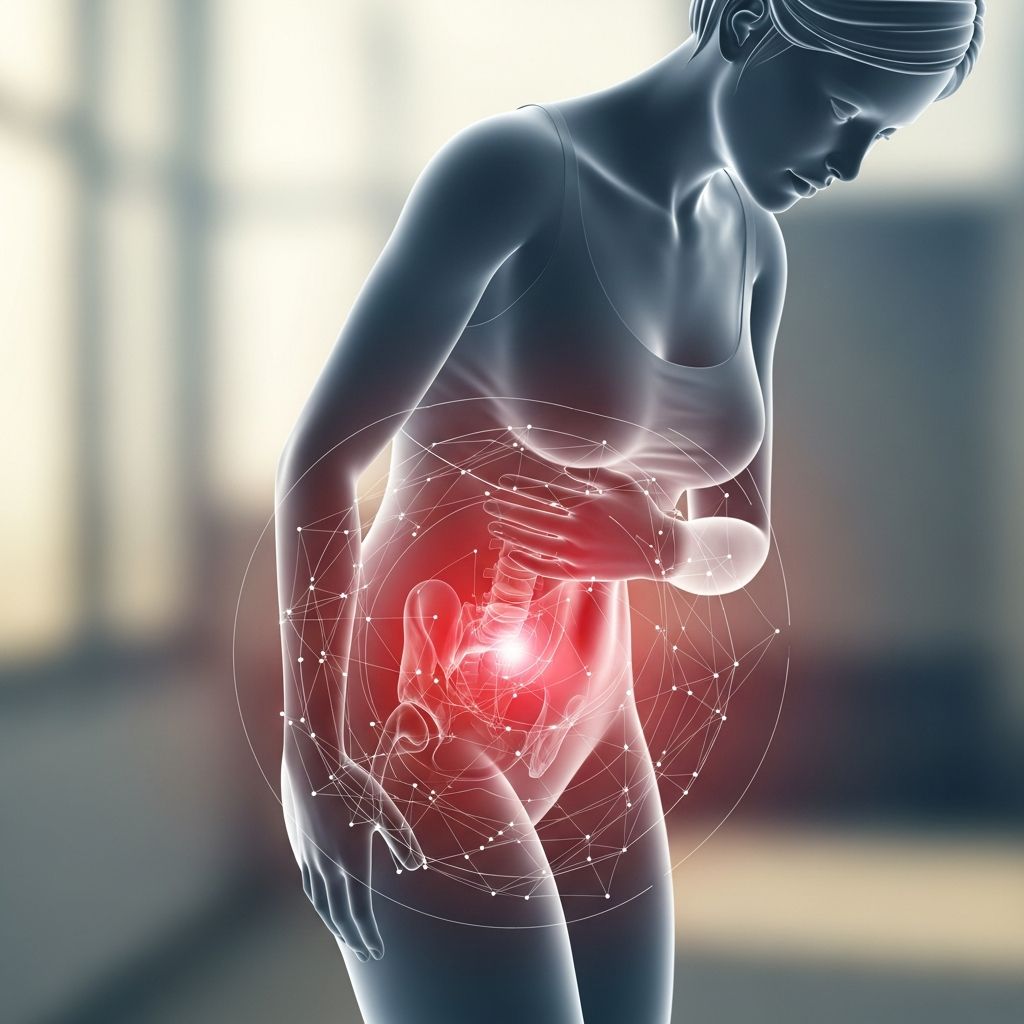
What Is Dyspareunia?
Dyspareunia is the medical term for pain during sexual intercourse. This condition affects both women and men, though it is significantly more prevalent in women. The pain associated with dyspareunia can occur before, during, or after intercourse and may range from mild discomfort to severe pain that prevents sexual activity altogether. Understanding dyspareunia is essential because it is a treatable condition, and seeking appropriate medical care can help restore comfort and intimacy in your life.
The term dyspareunia derives from Greek origins and literally means “difficult or bad mating.” However, modern medical understanding recognizes this condition as a complex issue that may have physical, psychological, or relational components. Pain during intercourse should never be considered normal, and individuals experiencing this symptom are encouraged to consult with a healthcare provider for proper evaluation and treatment.
Prevalence and Impact
Dyspareunia is far more common than many people realize. Research indicates that a significant percentage of women experience some form of coital pain during their lifetime. Among postmenopausal women specifically, up to 45% report experiencing painful intercourse, making it one of the most prevalent sexual health concerns in this demographic. A Cleveland Clinic study found that of 549 respondents, 44% reported experiencing dyspareunia during intercourse, and 27% experienced pain after intercourse.
The prevalence of dyspareunia extends beyond postmenopausal women to include younger women as well. In one study of 500 women aged 18 to 60 attending a gynecologic clinic, 200 women (40%) identified pain with intercourse as a major symptom, even though they had sought routine care rather than treatment for sexual dysfunction.
Beyond the physical discomfort, dyspareunia can have significant psychological and relational consequences. Recurring painful intercourse often leads to sexual frustration, dissatisfaction, loss of self-esteem, feelings of resentment from partners, and diminished intimacy in relationships. Research has shown that women with dyspareunia experience significantly higher rates of depression and anxiety compared to those without the condition, highlighting the interconnected nature of sexual health and mental wellbeing.
Symptoms of Dyspareunia
The symptoms of dyspareunia vary widely among individuals, both in type and severity. Understanding these symptoms can help you communicate more effectively with your healthcare provider. Common symptoms include:
- Sharp pain and burning sensation during penetration or throughout intercourse
- Deep pain during thrusting or with deeper penetration
- Throbbing or aching sensations after intercourse
- Vaginal burning or irritation
- Cramping before, during, or after sexual activity
- Muscle spasms or tightness in the pelvic region
- Spotting or light bleeding after intercourse
- General pelvic discomfort or pressure
Some women experience episodic dyspareunia, meaning the pain occurs intermittently, while others experience consistent pain with every sexual encounter. The location and character of pain can also vary—some women report pain primarily at the vaginal entrance during penetration, while others experience deep internal pain with deeper thrusting. This variability underscores the importance of detailed communication with healthcare providers during assessment.
Causes and Risk Factors
Dyspareunia can result from various physical, hormonal, psychological, or relational factors. Identifying the underlying cause is crucial for developing an effective treatment plan. Physical causes may include hormonal changes, infections, surgical complications, or anatomical variations. Hormonal factors are particularly significant, especially in postmenopausal women where decreased estrogen levels lead to vaginal atrophy, reduced lubrication, and tissue thinning.
Related Stories



Psychological factors such as anxiety, depression, past trauma, or stress can also contribute to dyspareunia. Additionally, relationship dynamics, communication difficulties with partners, and unresolved conflicts can manifest as sexual pain. In many cases, dyspareunia results from a combination of physical and psychological factors rather than a single cause.
For postmenopausal women, hormonal changes are frequently the primary culprit. Decreased estrogen production leads to vaginal atrophy—a condition characterized by thinning, drying, and inflammation of vaginal tissues. This natural consequence of menopause can make intercourse uncomfortable or painful if left untreated.
Classification Types
Healthcare providers classify dyspareunia into two primary categories to better understand each patient’s specific situation:
Primary Dyspareunia: This refers to painful intercourse that has been present throughout a woman’s sexual history. In primary dyspareunia, the individual has experienced pain with attempted or completed intercourse from the beginning of their sexual activity, even though vaginal containment of the penis has been achieved.
Secondary Dyspareunia: This classification applies when a woman previously experienced comfortable, pain-free intercourse but subsequently developed pain. Secondary dyspareunia typically indicates that something has changed—whether hormonal, physical, psychological, or relational—that has triggered the onset of coital pain.
Duration and Progression
For many women, dyspareunia can become a chronic and progressive condition, particularly when left untreated. One of the most important things to understand about dyspareunia is that it typically does not resolve on its own. Even when women reach full postmenopause and hormone levels stabilize, vaginal atrophy unfortunately does not reverse naturally, meaning painful intercourse symptoms may persist indefinitely if not actively treated.
Research demonstrates that dyspareunia symptoms tend to be chronic and progressive, particularly during the menopausal transition years. The longer the condition remains untreated, the more established the pattern becomes and the more difficult it may be to address. Additionally, untreated dyspareunia can lead to secondary psychological issues such as anticipatory anxiety about sexual activity, which can further perpetuate the pain cycle.
It is crucial to understand that dyspareunia is not a condition that women should simply “live with” or hope will spontaneously improve. Seeking treatment early is significantly more effective than waiting for symptoms to resolve independently.
Assessment and Diagnosis
Proper assessment of dyspareunia requires a comprehensive approach that considers physical, psychological, and relational dimensions. When evaluating dyspareunia, healthcare providers aim to identify the underlying cause or causes contributing to the pain.
The assessment process typically includes:
- A detailed medical history including menstrual and menopause status
- Current and past medications that may affect sexual function
- Comprehensive sexual history and patterns of pain
- Relationship assessment and communication patterns with partners
- Physical examination including pelvic assessment
- Discussion of psychological factors such as anxiety, depression, or trauma history
- Evaluation of lifestyle factors and overall health status
According to the DSM-5, genitopelvic pain/penetration disorder—a related diagnostic category—is characterized by fear or anxiety, marked tightening of abdominal and pelvic muscles, or actual pain with vaginal penetration that is recurrent or persistent for at least 6 months. Pain may occur with initial penetration, with deeper thrusting, or both.
Healthcare providers recognize that dyspareunia assessment involves unique challenges requiring sensitivity, positive attitudes toward sexual pleasure and function, and awareness of the role these factors play in mental health and relationship quality. This comprehensive assessment enables providers to develop individualized treatment strategies.
Treatment Options
Multiple evidence-based treatment options are available for dyspareunia, ranging from conservative approaches to more advanced interventions. Treatment selection depends on the underlying cause, symptom severity, and individual preferences.
Conservative Treatments
Vaginal Moisturizers: Hormone-free vaginal moisturizers represent a front-line treatment option for many women. These over-the-counter products help maintain vaginal hydration and can significantly reduce discomfort during intercourse. Regular use creates a more comfortable vaginal environment and may be sufficient for mild cases of dyspareunia.
Vaginal Lubricants: Water-based or silicone-based lubricants can be applied immediately before intercourse to reduce friction and enhance comfort. While lubricants provide temporary relief, they are most effective when combined with other treatment approaches for long-term management.
Vaginal Dilators: For dyspareunia related to pelvic floor tension or vaginismus, vaginal dilators may be helpful. These graduated cylinders allow gradual desensitization and can help restore comfortable vaginal accommodation with partner guidance and professional support.
Hormonal Treatments
Topical Hormone Therapy: Prescription-strength topical treatments including creams, gels, vaginal tablets, and hormonal rings deliver estrogen directly to vaginal tissues. These localized applications effectively address vaginal atrophy and tissue thinning without systemic absorption. Topical hormone therapy is particularly effective for postmenopausal women experiencing dyspareunia related to decreased estrogen.
Systemic Hormone Replacement Therapy (HRT): For women experiencing multiple menopausal symptoms beyond dyspareunia, systemic HRT may be prescribed. This approach addresses hormonal deficiency throughout the body and may improve sexual comfort as part of overall symptom management.
Selective Estrogen Receptor Modulators (SERMs): These medications act like estrogen in the body but are administered systemically. SERMs offer an alternative for women who cannot or prefer not to use traditional hormone therapy.
Advanced Therapies
Vaginal Laser Therapy: Energy-based therapies including vaginal laser and radiofrequency treatments represent newer approaches to dyspareunia management. These treatments stimulate collagen remodeling and may improve vaginal tissue quality and function. While promising, these approaches are still being evaluated, and their long-term efficacy and safety profile continue to be studied.
Psychological and Relational Interventions
For dyspareunia with significant psychological or relational components, sex therapy or couples counseling may be beneficial. These approaches address anxiety, communication difficulties, relationship conflicts, or trauma history that may contribute to sexual pain. Cognitive-behavioral therapy and mindfulness-based approaches can also help manage the psychological aspects of dyspareunia.
When to Seek Medical Help
If you are experiencing pain during intercourse, you should not hesitate to consult a healthcare provider. Many women suffer in silence, believing their symptoms will eventually resolve or feeling embarrassed to discuss sexual concerns. However, dyspareunia is a medical condition deserving professional attention, and healthcare providers are trained to address sexual health issues with compassion and expertise.
Seeking help early is particularly important because untreated dyspareunia tends to worsen over time. Additionally, early intervention often means simpler, more conservative treatment approaches will be effective. The longer dyspareunia persists, the more complicated it may become, potentially incorporating psychological factors and relationship strain that make treatment more complex.
A qualified healthcare provider can conduct a thorough assessment, identify the underlying cause of your pain, and develop a personalized treatment plan. They can provide reassurance that dyspareunia is a treatable condition and outline various therapeutic approaches suitable for your specific situation.
Frequently Asked Questions
Q: Is painful intercourse always caused by menopause?
A: No. While menopause is a common cause of dyspareunia in older women due to decreased estrogen and vaginal atrophy, younger women can also experience painful intercourse. Causes may include infections, anatomical variations, psychological factors, medications, or relationship issues. A healthcare provider can help identify your specific cause.
Q: Can dyspareunia be cured?
A: Many cases of dyspareunia can be effectively treated with appropriate therapy, though “cure” depends on the underlying cause. Hormone-related dyspareunia often responds well to hormone therapy or moisturizers. Psychologically-based dyspareunia may improve with therapy and counseling. Consistency with treatment is important for achieving improvement.
Q: Will dyspareunia go away on its own?
A: Dyspareunia typically does not resolve spontaneously, particularly when caused by hormonal changes or vaginal atrophy. Without treatment, symptoms often persist or worsen over time. Seeking professional help is the most effective way to address dyspareunia rather than waiting for spontaneous resolution.
Q: Can dyspareunia affect my relationship?
A: Yes. Untreated dyspareunia can create significant relationship strain through diminished intimacy, sexual frustration, communication difficulties, and emotional distance from partners. Addressing dyspareunia through proper treatment can help restore physical intimacy and relationship satisfaction.
Q: Are there lifestyle changes that can help dyspareunia?
A: Yes. Regular use of vaginal moisturizers, adequate foreplay, open communication with partners about pain and preferences, stress management, and pelvic floor exercises can all be helpful. Additionally, treating any underlying conditions like infections or managing medications that contribute to vaginal dryness can improve symptoms.
Q: Is dyspareunia only a physical problem?
A: No. Dyspareunia often involves interrelated physical, psychological, and relational components. While hormonal or physical issues may be the primary cause, anxiety, depression, past trauma, or relationship difficulties can also contribute. Comprehensive assessment helps identify all contributing factors for effective treatment.
References
- Painful Intercourse After Menopause: Dyspareunia Meaning — Hello Bonafide. 2025. https://hellobonafide.com/blogs/news/painful-intercourse-after-menopause
- Dyspareunia and Vaginismus — GLOWM (Global Library of Women’s Medicine). 2025. https://www.glowm.com/section-view/heading/Dyspareunia%20and%20Vaginismus/item/429
- Sexual Dysfunction in Women: Can We Talk About It? — Cleveland Clinic Journal of Medicine, Vol. 84, No. 5. 2017. https://www.ccjm.org/content/84/5/367
- Vaginal Dryness: Causes, Symptoms & Treatment — Cleveland Clinic. 2025. https://my.clevelandclinic.org/health/symptoms/21027-vaginal-dryness
- Vaginal Dilators: Purpose, Types & How To Use — Cleveland Clinic. 2025. https://my.clevelandclinic.org/health/treatments/24971-vaginal-dilators
- Sexual Dysfunction: Disorders, Causes, Types & Treatment — Cleveland Clinic. 2025. https://my.clevelandclinic.org/health/diseases/9121-sexual-dysfunction
- What is Dyspareunia? A Guide to Painful Sex — Female Health and Fertility. 2025. https://femalehealthandfertility.com/what-is-dyspareunia-a-guide-to-painful-sex/
Similar Articles








Read full bio of medha deb