Dysphagia: Difficulty Swallowing Causes & Treatment
Understanding dysphagia: causes, symptoms, diagnosis, and effective treatment options.
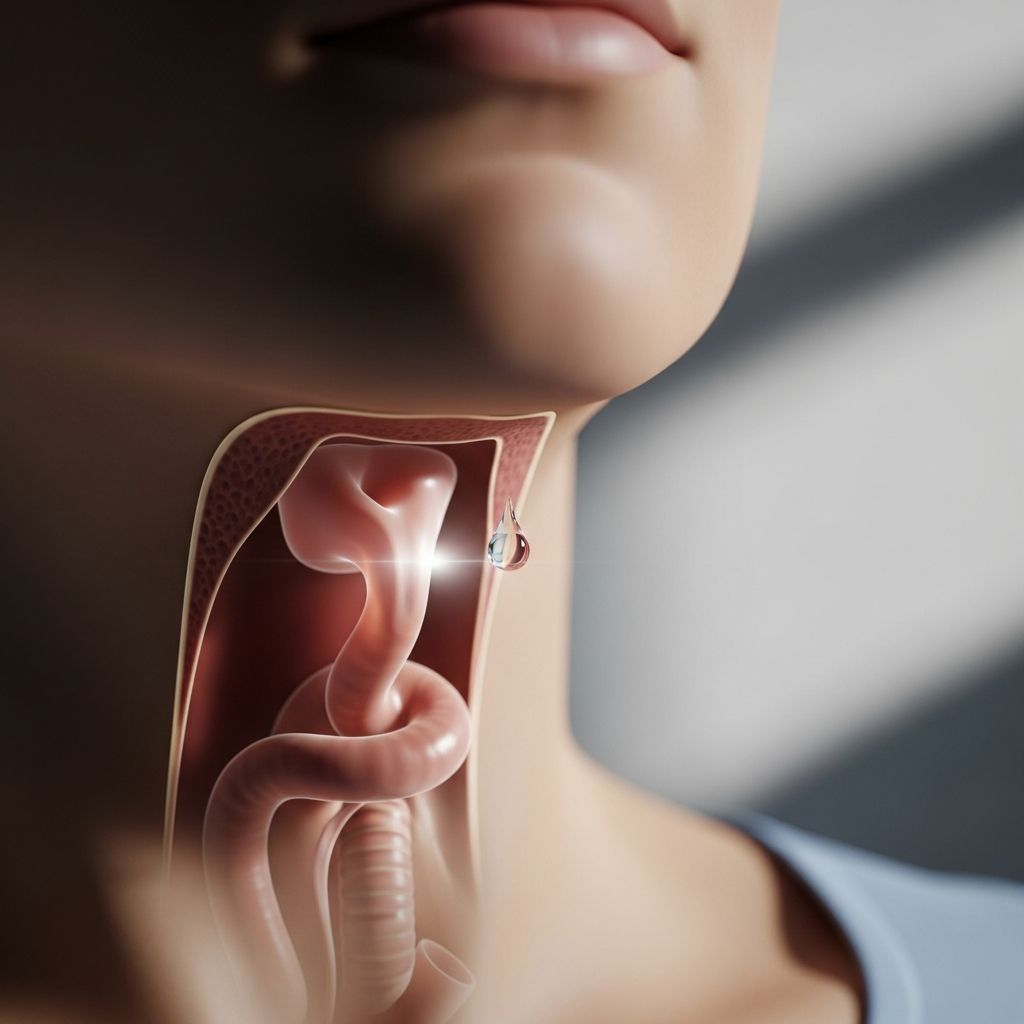
Understanding Dysphagia: Difficulty Swallowing
Dysphagia is the medical term for difficulty swallowing. This condition occurs when there is an issue with how your muscles and nerves work together to move food or drink from your mouth to your stomach. When you swallow, many muscles and nerves coordinate to create a complex process that happens automatically. However, when something disrupts this coordination, swallowing may feel uncomfortable, slow, or unsafe.
People experiencing dysphagia may cough or choke when trying to swallow water, food, or even their own saliva. While occasional difficulty swallowing might seem like a minor inconvenience, dysphagia can be a sign of something serious and requires proper medical attention. It is particularly common following a stroke and can pose significant health risks if left untreated.
What Happens During Normal Swallowing
Understanding normal swallowing helps clarify why dysphagia occurs. The swallowing process involves several coordinated stages that move food and liquid safely from your mouth to your stomach. When you initiate a swallow, your tongue pushes food to the back of your mouth, triggering a reflex that closes your airway to prevent food from entering your lungs.
Your pharynx (throat) then contracts to move the food downward, while your esophagus—a muscular tube connecting your throat to your stomach—uses wavelike contractions called peristalsis to propel the food further down. Any disruption in this complex coordination can result in difficulty swallowing or aspiration, where food or liquid enters your airway instead of going to your stomach.
Causes of Dysphagia
Dysphagia can develop for many different reasons. Understanding the underlying cause is essential for determining the appropriate treatment plan. The causes generally fall into several categories:
Neurological and Brain Disorders
Conditions affecting your nervous system can significantly impair swallowing function. These include:
– Stroke (one of the most common causes)- Parkinson’s disease- Amyotrophic lateral sclerosis (ALS)- Myasthenia gravis- Multiple sclerosis- Alzheimer’s disease and other forms of dementia- Traumatic brain injury
Muscle Disorders
Conditions that prevent the muscles in your head and neck from functioning properly can cause dysphagia. These muscle-related disorders include muscular dystrophy and other myopathies that weaken the swallowing muscles.
Physical Blockages and Narrowing
Structural problems in your throat or esophagus can make swallowing difficult or impossible. Common causes include:
– Esophageal strictures (scar tissue narrowing)- Tumors or cancer- Achalasia (a condition where esophageal muscles fail to relax properly)- Zenker’s diverticulum (a pouch in the throat)- Webs or rings in the esophagus
Infections and Inflammatory Conditions
Infections like strep throat (bacterial tonsillitis) can cause pain and inflammation leading to dysphagia. Additionally, eosinophilic esophagitis, an allergic inflammatory condition, causes characteristic symptoms including difficulty swallowing and chest pain.
Post-Surgical and Treatment-Related Causes
Dysphagia can occur after surgery to your head and neck or following other medical treatments. Radiation therapy for head and neck cancer, while effective at destroying tumors, can also damage tissue involved in swallowing, leading to long-term dysphagia.
Related Stories



Symptoms of Dysphagia
Symptoms of dysphagia vary depending on the severity and underlying cause. Common symptoms include:
– Food sticking in your throat or chest- Difficulty initiating a swallow- Coughing or choking when eating or drinking- Feeling that something is stuck in your throat- Pain while swallowing- Regurgitation of food or liquids- Heartburn or a sour taste in your mouth- Unintentional weight loss due to difficulty eating- Drooling or difficulty managing saliva
The pattern and severity of symptoms can provide important diagnostic clues. For example, progressive difficulty swallowing solid foods that eventually includes liquids suggests an obstruction, while abrupt onset of intermittent dysphagia to both solids and liquids may indicate a motility disorder.
Diagnostic Methods for Dysphagia
Proper diagnosis is essential for developing an effective treatment plan. At your first medical visit, your healthcare provider will ask about your medical history and symptoms, including whether you have trouble swallowing solids, liquids, or both, and what happens when you try to swallow.
Typical diagnostic tests include:
– Videofluoroscopic swallow study (VFSS): Uses X-ray imaging with barium contrast to visualize swallowing function- Fiberoptic endoscopic evaluation of swallowing (FEES): Uses a small camera to examine your throat and assess swallowing- Upper endoscopy: A minimally invasive procedure that allows direct visualization of your esophagus and stomach- Esophageal manometry: Measures muscle contractions in your esophagus- Barium X-ray studies: Helps identify structural abnormalities- High-resolution esophageal pressure topography (HEPT): Provides detailed pressure mapping of esophageal function
Treatment Options for Dysphagia
Treatment for dysphagia depends on what’s causing it and how severe it is. Your personalized treatment plan may include one or more of the following approaches:
Speech-Language Pathology and Swallowing Therapy
A speech-language pathologist (SLP) can assess your ability to swallow and provide specialized treatment. Many people find rehabilitation helpful, as an SLP can teach you exercises to strengthen your swallowing muscles and recommend safe swallowing techniques. These may include changing your head position or minimizing head movements while swallowing, and learning how to clear food from your throat if you start to choke.
Dietary Modifications
While there’s no special dysphagia diet, your provider might suggest avoiding foods that are hard, crunchy, sticky, hot, or spicy. You may also benefit from eating smaller meals more often. Additionally, you can mix dry foods with sauce or liquid to soften them and blend watery liquids with thickeners to make them easier to swallow.
Medications
Some medications can help manage dysphagia. For example, botulinum toxin (Botox®) injections can reduce muscle spasms in your esophagus that make it hard to swallow. Medication may also relieve associated symptoms like GERD (chronic acid reflux), which can contribute to swallowing difficulties.
Tube Feeding (Enteral Nutrition)
If you’re not getting enough nutrients through eating or drinking, healthcare providers may recommend tube feeding. In this procedure, nutrient-rich liquid is delivered through a tube placed in your nose or mouth directly to your intestines or stomach, ensuring adequate nutrition while your swallowing improves.
Surgical and Minimally Invasive Procedures
If you have esophageal narrowing or blockages, such as scar tissue or tumors, surgery may be recommended. Healthcare providers may use small balloons or stents (mesh tubes) to widen your esophagus and hold it open. If your esophagus muscles are too tight, providers may cut or clip them to help you swallow better. Whenever possible, minimally invasive techniques are used to reduce recovery time and pain.
Cleveland Clinic specializes in a leading-edge endoscopic procedure called peroral endoscopic myotomy (POEM) to treat achalasia. During POEM, the provider guides an endoscope and surgical tools down your throat to cut the tight muscle between your esophagus and stomach. Since no external incision is needed, POEM is a scarless, minimally invasive procedure that allows for faster recovery.
Risks and Complications of Untreated Dysphagia
Without proper treatment, dysphagia can lead to serious health issues and potentially be fatal. Major risks include:
Aspiration and Aspiration Pneumonia
One of the most serious complications is aspiration, where food or liquid gets into your airway or lungs instead of going to your stomach. This can lead to lung infections or pneumonia, which can be life-threatening, particularly in elderly patients or those with weakened immune systems.
Malnutrition and Dehydration
Difficulty eating and drinking can prevent you from getting adequate nutrition and fluids, leading to weight loss, weakness, and dehydration. These conditions can further compromise your overall health and immune function.
Other Complications
Untreated dysphagia can result in additional complications such as social isolation (avoiding eating in public), reduced quality of life, and increased stress related to mealtimes.
When to Seek Medical Help
If you’re regularly struggling to swallow, it’s important to visit your healthcare provider. This is especially critical if you are a stroke survivor or considered high risk for a swallowing disorder, as your provider will check for swallowing problems. If an issue is identified, a speech-language pathologist can provide resources to help you eat or drink safely while getting the nourishment you need.
The Role of Specialists in Dysphagia Care
Managing dysphagia often requires a multidisciplinary team approach. Your care team might include:
– Otolaryngologists (ENT specialists)- Gastroenterologists- Neurologists- Speech-language pathologists- Nutritionists- Physiatrists (physical medicine and rehabilitation specialists)
This coordinated team approach ensures comprehensive assessment and personalized treatment planning for your specific condition.
Frequently Asked Questions About Dysphagia
Q: What is the difference between oropharyngeal and esophageal dysphagia?
A: Oropharyngeal dysphagia refers to difficulty initiating a swallow, typically involving problems in the mouth and throat region. Esophageal dysphagia involves the sensation of food stuck in the neck or chest and relates to problems in the esophagus itself.
Q: Is dysphagia always permanent?
A: No. The permanence of dysphagia depends on its underlying cause. Some cases improve with therapy and treatment, while others may require long-term management strategies.
Q: Can dysphagia be prevented?
A: While you cannot prevent all causes of dysphagia, you can reduce certain risk factors. Managing conditions like stroke risk, GERD, and maintaining good overall health may help prevent some cases.
Q: How long does swallowing therapy take?
A: The duration of therapy varies depending on the severity of your condition and your response to treatment. Some patients see improvement in weeks, while others may require months of ongoing therapy.
Q: What should I do if I start choking?
A: Your speech-language pathologist can teach you specific techniques to clear food from your throat. Always seek immediate medical attention if you cannot breathe or clear your airway.
References
- Swallowing Disorder Treatment — Cleveland Clinic. 2024. https://my.clevelandclinic.org/services/swallowing-disorders-treatment
- Dysphagia (Difficulty Swallowing): What It Is, Causes & Treatment — Cleveland Clinic. 2024. https://my.clevelandclinic.org/health/symptoms/21195-dysphagia-difficulty-swallowing
- Swallowing and Reflux Center — Cleveland Clinic Abu Dhabi. 2024. https://www.clevelandclinicabudhabi.ae/en/institutes-and-specialties/digestive-disease/swallowing-and-reflux-center
- A man with progressive dysphagia — Cleveland Clinic Journal of Medicine, Vol. 84, No. 6. 2017. https://www.ccjm.org/content/84/6/443
Similar Articles








Read full bio of medha deb