Dysthymia: Understanding Persistent Depression
Learn about dysthymia, a chronic mood disorder affecting millions worldwide.

Understanding Dysthymia: A Chronic Mood Disorder
Dysthymia, now officially termed Persistent Depressive Disorder (PDD) in the Diagnostic and Statistical Manual of Mental Disorders Fifth Edition (DSM-5), represents a significant mental health condition affecting millions of individuals worldwide. Unlike major depressive disorder, which can develop suddenly and be relatively brief, dysthymia is characterized by a chronic, long-lasting pattern of depressive symptoms that persist for at least two years in adults and one year in children and adolescents. This persistent nature of the condition makes it a serious concern for healthcare providers and those affected by it.
The lifetime prevalence of dysthymia is estimated at approximately 2.5%, with women being disproportionately affected compared to men. This chronic condition is far more common than many people realize, and it often goes undiagnosed or undertreated because individuals and even healthcare providers may not immediately recognize it as a clinical disorder requiring intervention.
What Is Dysthymia?
Dysthymia is a psychiatric condition marked by depressive symptoms similar to those of major depressive disorder, but which persist for significantly longer periods. The key distinguishing feature is its chronicity—individuals experience depressive symptoms on most days for months or years, creating a persistent backdrop of low mood that colors their entire existence.
Mental health professionals describe dysthymia as a low-level drone of depression that becomes part of an individual’s baseline functioning. Many people with dysthymia have experienced the condition for years before receiving a diagnosis, and those around them often describe them simply as “just a moody person” without recognizing the underlying clinical condition.
Core Symptoms of Dysthymia
The essential symptoms of dysthymia involve feeling depressed for the majority of days and parts of the day for at least two years. However, dysthymia encompasses more than just persistent sadness. Common symptoms include:
- Persistent depressed mood lasting most of the day, on most days
- Low energy and chronic fatigue
- Sleep disturbances (either insomnia or excessive sleeping)
- Changes in appetite or weight
- Low self-esteem and feelings of inadequacy
- Difficulty concentrating or making decisions
- Feelings of hopelessness about the future
- Reduced interest in activities and hobbies
These symptoms create a pervasive sense of heaviness and disconnection from life that distinguishes dysthymia from other mood conditions. The persistence of these symptoms over years can significantly impact quality of life, relationships, and work performance.
Dysthymia Versus Major Depressive Disorder
While dysthymia and major depressive disorder share many symptoms, they differ in important ways. Major depressive disorder involves more severe symptoms but for shorter periods—as little as two weeks of symptoms can constitute a major depressive episode. In contrast, dysthymia is characterized by less severe but far more persistent symptoms lasting at least two years.
Another key difference is age of onset. Dysthymia often presents itself at an earlier age than major depressive disorder, sometimes beginning in childhood or adolescence. Additionally, dysthymia can coexist with major depressive episodes in a pattern called “double depression,” where individuals with chronic dysthymia experience periodic episodes of more severe depression superimposed on their baseline dysthymic symptoms.
Diagnosis and Recognition
Accurate diagnosis of dysthymia requires careful assessment by qualified healthcare professionals. Diagnostic criteria include a 2-year history of depressive symptoms that are not better explained by another health condition and that cause significant distress or functional impairment. The diagnostic process typically involves:
- Detailed clinical interviews assessing symptom duration and severity
- Medical evaluation to rule out other conditions causing depressive symptoms
- Assessment of functional impairment in work, social, and personal domains
- Evaluation for comorbid psychiatric conditions
- Review of family history and past mental health treatment
One challenge in diagnosing dysthymia is that many individuals have experienced symptoms for so long that they consider their depressed mood “normal” and may not volunteer this information unless specifically asked. This is why comprehensive screening by healthcare providers is essential, particularly in primary care settings where many individuals with dysthymia seek treatment for physical complaints related to their depression.
Impact on Work and Functioning
Despite historical views that dysthymia represents a milder form of depression with minimal functional impact, research demonstrates that dysthymia significantly impairs work performance and productivity. Studies of employed primary care patients with dysthymia show that on-the-job productivity loss for those with dysthymia was substantially greater than for controls—approximately 6.3% versus 2.8% respectively.
Individuals with dysthymia experience particular challenges with time management, mental and interpersonal job demands, and meeting output requirements. On average, patients with dysthymia reported being limited one-fourth of the time with regard to their ability to manage these key job components. This productivity loss translates to significant financial impact both for individuals and employers, with estimated annual output lost substantially exceeding that of nondepressed controls.
Beyond work, dysthymia affects numerous life domains. Research indicates that compared with controls, fewer individuals with dysthymia are married or employed, and they experience greater difficulty maintaining social relationships and managing household responsibilities. Approximately half of diagnosed adults with dysthymia report severe disability, with the remainder experiencing moderate or mild impacts on their ability to work, socialize, and manage daily responsibilities.
Prevalence and Risk Factors
Research extending into adolescent and childhood populations reveals that chronic depressive symptoms occur across the lifespan. The National Comorbidity Survey Adolescent Supplement demonstrated that dysthymia in youth is linked to academic struggles, increased peer conflict, and elevated risk for later psychological and behavioral disorders.
Several factors are associated with increased risk of dysthymia. Environmental factors, including early life trauma, chronic stress, and social isolation, significantly influence dysthymia development. Family environmental factors and non-shared environmental factors appear to play more substantial roles than genetic or neurobiological factors, though research in this area remains limited.
Comorbidity with other psychiatric conditions is common. Many individuals with dysthymia also experience anxiety disorders, substance use disorders, or other mental health conditions that complicate treatment and worsen outcomes. Approximately 50-75% of individuals with dysthymia experience recurrent episodes of major depressive disorder during their lifetime.
Biological Understanding of Dysthymia
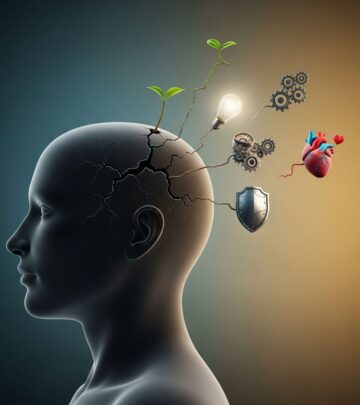
Recent research has begun to elucidate the biological mechanisms underlying dysthymia. Studies comparing individuals with dysthymia to healthy individuals reveal important neurological differences. People with dysthymia show reduced neurological anticipation for all types of events—positive, neutral, and negative—compared to healthy individuals. This neurological dulling appears to reflect an emotional protective mechanism that individuals with dysthymia have developed to shield themselves from intensely negative feelings.
In terms of expectations about the future, healthy individuals typically expect fewer negative adjectives to apply to them, whereas people with dysthymia expect fewer positive adjectives. This difference in future-oriented thinking contributes to the persistent hopelessness characteristic of the condition.
Emerging research explores the role of the hypothalamic-pituitary-adrenal (HPA) axis—brain structures activated in response to stress—in dysthymia. This research examines variations in corticotropin-releasing hormone (CRH) and arginine vasopressin (AVP), as well as down-regulation of adrenal functioning. Additionally, scientists are investigating forebrain serotonergic mechanisms. While these models are still provisional and require further investigation, they suggest that dysthymia involves measurable biological differences beyond mood symptoms.
Treatment Options
Dysthymia is now recognized as a chronic, common, morbid, and treatable condition. Professional organizations have updated treatment guidelines to emphasize the importance of addressing functional impairment, not just symptom counts. Evidence-based treatment approaches include:
- Psychotherapy, including cognitive-behavioral therapy (CBT) and interpersonal therapy (IPT)
- Pharmacological interventions with antidepressant medications
- Combined psychotherapy and medication approaches
- Lifestyle modifications including exercise, sleep hygiene, and social engagement
- Long-term monitoring and ongoing support to prevent relapse
The chronic nature of dysthymia necessitates long-term management strategies. Research highlighting relapse risks demonstrates the importance of sustained treatment and monitoring. Early intervention is particularly crucial given that dysthymia often begins in adolescence or childhood and can persist for years to decades without adequate treatment.
Impact on Quality of Life
The Sheehan Disability Scale, applied to dysthymia for the first time in robust research studies, quantified the substantial functional impairment associated with the condition. Approximately half of diagnosed adults reported severe disability, with the remainder experiencing moderate or mild impacts on their ability to work, socialize, or manage responsibilities.
This functional impairment extends across multiple life domains. Individuals with dysthymia often struggle with maintaining employment, building and maintaining relationships, managing household tasks, and engaging in leisure activities. The persistent nature of the condition means that these challenges compound over years, potentially leading to significant life disruption.
Recognition and Treatment Gaps
Despite increased understanding of dysthymia, significant treatment gaps remain. Physicians have historically regarded individuals with dysthymia as having relatively normal levels of functioning, potentially underestimating the condition’s severity and impact. This misperception has contributed to undertreatment of dysthymia in clinical practice.
Research indicates that individuals with dysthymia are frequently undertreated compared to those with major depressive disorder, despite the substantial functional consequences and chronic nature of the condition. Increased awareness among healthcare providers and the general public about dysthymia’s serious impacts is essential for improving recognition and treatment.
Frequently Asked Questions
Q: How long does dysthymia last?
A: Dysthymia is defined by symptoms lasting at least two years in adults and at least one year in children and adolescents. Without treatment, dysthymia can persist for many years or even decades, sometimes continuing throughout an individual’s lifetime.
Q: Is dysthymia the same as depression?
A: Dysthymia is a form of depression, but it differs from major depressive disorder in duration and severity. While major depression involves more severe symptoms for shorter periods, dysthymia involves milder but persistent symptoms lasting years or longer.
Q: Can dysthymia be cured?
A: While dysthymia cannot be “cured” in the traditional sense, it is highly treatable. With appropriate psychotherapy, medication, and lifestyle modifications, individuals with dysthymia can experience significant symptom reduction and improved functioning.
Q: What causes dysthymia?
A: Dysthymia results from a combination of factors including early life trauma, chronic stress, social isolation, family environmental factors, and potentially neurobiological differences. The specific cause varies between individuals.
Q: How common is dysthymia?
A: Dysthymia affects approximately 2.5% of the population over their lifetime, with women being disproportionately affected. It is more common than many people realize and frequently goes undiagnosed.
Q: What should I do if I think I have dysthymia?
A: If you suspect you have dysthymia, consult with a healthcare provider or mental health professional who can conduct a comprehensive assessment. Early diagnosis and treatment can significantly improve outcomes and quality of life.
Moving Forward
Dysthymia represents a significant public health concern that deserves greater recognition and attention. The persistence of dysthymia with its serious impact on work functioning, relationships, and quality of life calls for development of new interventions and increased awareness among healthcare providers and the public. As research continues to illuminate the biological and environmental factors underlying dysthymia, opportunities for more targeted and effective treatments will likely emerge. In the meantime, individuals experiencing persistent depressive symptoms should seek professional evaluation and evidence-based treatment to address this treatable condition and improve their quality of life.
References
- Dysthymia (Persistent Depressive Disorder) — National Institute of Mental Health (NIMH), U.S. Department of Health and Human Services. 2024. https://www.nimh.nih.gov/health/statistics/persistent-depressive-disorder-dysthymia
- The Work Impact of Dysthymia in a Primary Care Population — Goetzel, R. Z., et al., Journal of Occupational and Environmental Medicine, 2013. National Center for Biotechnology Information (NCBI). https://www.ncbi.nlm.nih.gov/pmc/articles/PMC4269288/
- Diagnostic and Statistical Manual of Mental Disorders, Fifth Edition (DSM-5) — American Psychiatric Association. 2013. https://www.psychiatry.org/psychiatrists/practice/dsm
- Chronic Depression in Adolescents: Findings from the National Comorbidity Survey — Kessler, R. C., et al., National Center for Biotechnology Information (NCBI), U.S. National Library of Medicine. 2012. https://www.ncbi.nlm.nih.gov/pmc/articles/PMC3205495/
- Understanding Depression and Dysthymia: A Clinical Perspective — Canadian Campus Mental Health Council. 2021. https://campusmentalhealth.ca/depression-dysthymia/
Similar Articles







Read full bio of medha deb