Dystonia: Understanding Causes, Symptoms, and Treatment
Learn about dystonia: a treatable brain condition causing involuntary muscle movements.
What Is Dystonia?
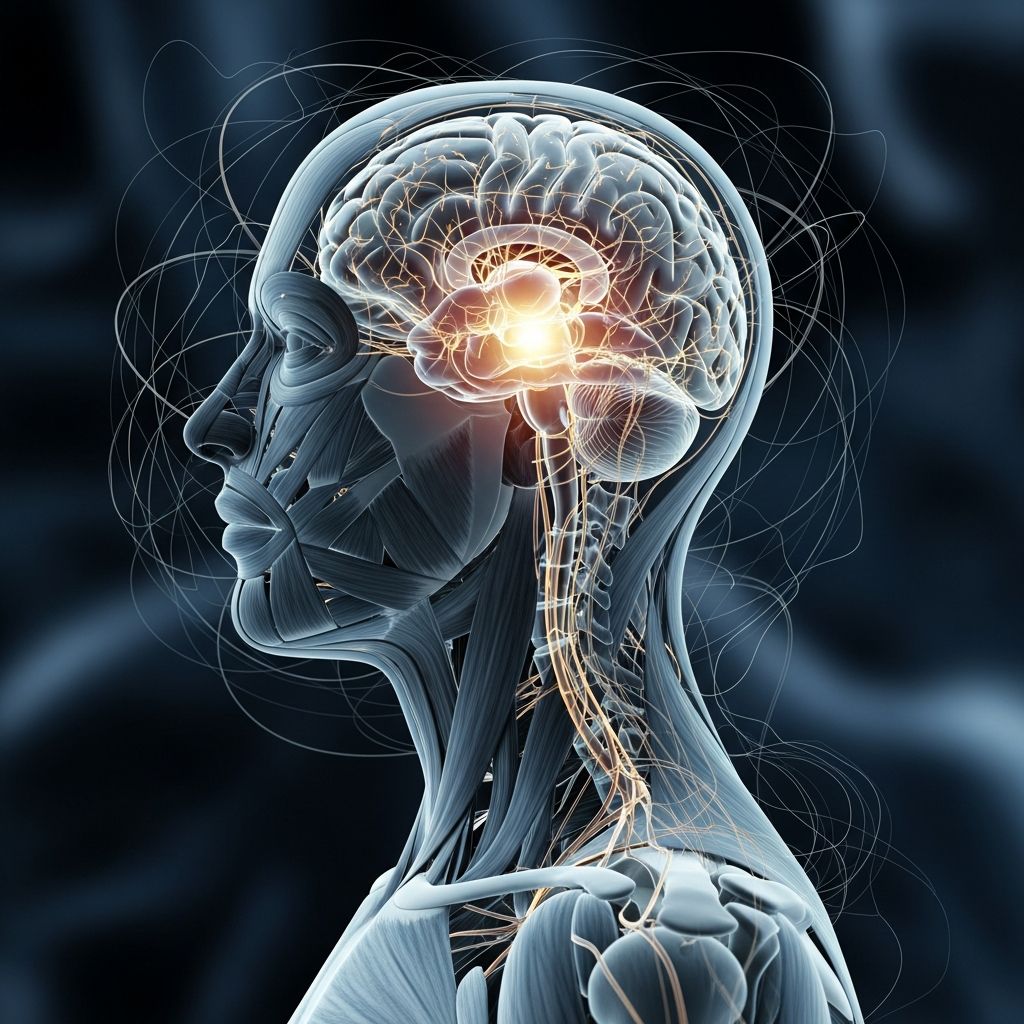
Dystonia is a neurological condition that affects your brain and nervous system, causing your muscles to contract involuntarily and uncontrollably. These contractions cause your muscles to tense up or squeeze when you don’t want them to, which can cause parts of your body to twist, turn, or tremor. Unlike some conditions that develop gradually, dystonia symptoms can appear suddenly or develop over time.
The condition affects motor control pathways in the brain, disrupting the normal signals that coordinate muscle movement. When these signals become disrupted, your muscles receive conflicting messages, resulting in sustained, involuntary contractions. While dystonia isn’t currently curable, it is often highly treatable, especially when specific underlying causes are identified. In some cases, dystonia may resolve entirely when it occurs alongside short-term or reversible conditions.
How Common Is Dystonia?
Dystonia is considered a relatively uncommon movement disorder, though prevalence varies by type. Cervical dystonia, which affects the neck and head, is the most common adult-onset form of the condition. The disorder can affect people of any age, gender, or ethnic background, though some types show specific patterns of occurrence. Early-onset dystonia typically begins in childhood or adolescence, while adult-onset forms often emerge later in life.
Types of Dystonia
Dystonia is classified into several distinct types based on the affected body parts, age of onset, and underlying cause. Understanding these classifications helps guide diagnosis and treatment planning.
Focal Dystonia
Focal dystonia affects a single body part or muscle group. Common examples include blepharospasm, characterized by involuntary eyelid contractions, and cervical dystonia, which involves the neck muscles. Laryngeal dystonia affects the vocal cords and can impact voice production. Hand dystonia frequently occurs in musicians and writers, known as musician’s dystonia or writer’s cramp.
Segmental Dystonia
Segmental dystonia involves two or more adjacent body parts. For instance, dystonia affecting both the neck and shoulders, or the face and jaw, falls into this category. This type typically develops later than focal dystonia and may eventually spread to other regions.
Generalized Dystonia
Generalized dystonia affects multiple non-adjacent body parts throughout the body. This is the most severe form and often begins in childhood or early adolescence, progressing over several years. Early-onset childhood dystonia frequently has a genetic component.
Hemidystonia
Hemidystonia affects one side of the body and often results from structural brain abnormalities or injury. This type frequently has an identifiable secondary cause.
Causes and Risk Factors
Dystonia can develop for various reasons, and understanding these causes is essential for appropriate treatment planning. The condition may be primary, with no identifiable external cause, or secondary to other medical conditions or injuries.
Primary Dystonia
Related Stories



Primary dystonia often has genetic origins, with several genes identified as contributing factors. Family history significantly increases risk, as dystonia can run in families. Genetic mutations affecting neurotransmitter function and motor control pathways play crucial roles in disease development.
Secondary Dystonia
Secondary dystonia results from identifiable causes including:
Neurological injuries or conditions such as stroke, traumatic brain injury, or hypoxic events can trigger dystonia. Certain medications, particularly antipsychotics and antiemetics, may induce dystonic reactions. Infections affecting the central nervous system, metabolic disorders, toxin exposure, and other systemic conditions can also cause dystonia. In these cases, treating the underlying condition may resolve or significantly improve dystonic symptoms.
Basal Ganglia Dysfunction
Research increasingly shows that basal ganglia dysfunction is central to dystonia pathophysiology. The basal ganglia regulate motor control and coordination through complex neural networks. Disruptions in these networks lead to aberrant sensorimotor integration and abnormal muscle co-contraction. Additionally, abnormalities in the cerebellum and sensorimotor cortex contribute to dystonic symptoms, suggesting dystonia is fundamentally a disorder of neural networks affecting motor control.
Symptoms and Signs
Dystonia symptoms vary widely depending on which muscles are affected and the severity of the condition. Recognizing these signs is important for early diagnosis and intervention.
Common Dystonic Symptoms
Involuntary muscle contractions cause visible twisting or abnormal posturing of affected body parts. Affected muscles may become stiff and rigid, making movement difficult or painful. Tremors often accompany dystonic movements, creating rhythmic shaking. Pain and discomfort frequently occur in affected muscles and surrounding tissues. Muscle fatigue develops quickly, even with minimal activity. Many people experience decreased ability to perform fine motor tasks.
Focal Dystonia Presentations
Blepharospasm causes repetitive, involuntary eye blinking or eyelid closure that can impair vision. Cervical dystonia produces abnormal neck postures and involuntary head movements. Laryngeal dystonia affects voice quality, creating a strained, breathy, or intermittent voice. Hand dystonia interferes with writing, typing, or playing musical instruments.
Psychosocial Impact
Beyond physical symptoms, dystonia significantly affects quality of life. Self-consciousness about visible symptoms can lead to social withdrawal. Loss of voice capability impacts self-expression and professional function. Stress and anxiety often accompany the condition, potentially exacerbating symptoms. Depression frequently develops in response to chronic symptoms and functional limitations.
Diagnosis
Diagnosing dystonia requires careful clinical evaluation and, often, specialized testing to rule out other conditions. Because dystonia symptoms resemble other neurological disorders, accurate diagnosis is crucial for appropriate treatment.
Clinical Examination
Neurologists perform detailed physical examinations observing muscle tone, posture, and involuntary movements. They assess how symptoms change with different activities or positions. A comprehensive neurological history identifies symptom onset, progression patterns, and family history of movement disorders.
Diagnostic Testing
Imaging studies such as MRI and CT scans help identify structural brain abnormalities or secondary causes. Blood tests may reveal metabolic or genetic factors. Genetic testing is particularly valuable when dystonia runs in families or develops in childhood. Electromyography (EMG) measures muscle electrical activity patterns characteristic of dystonia.
Specialist Consultation
Movement disorder specialists or neurologists with dystonia expertise provide definitive diagnoses. These specialists understand the subtle distinctions between various dystonia types and can identify secondary causes that general neurologists might miss.
Treatment Options
While dystonia currently has no cure, numerous evidence-based treatments effectively manage symptoms and improve quality of life. Treatment approaches are personalized based on dystonia type, severity, and individual patient factors.
Botulinum Toxin Injections
Botulinum toxin, commonly known as Botox, represents the gold standard treatment for focal dystonia. This chemodenervation therapy works by blocking nerve signals to affected muscles, temporarily relaxing them and reducing involuntary contractions. Effects typically begin within 48 hours and reach maximum benefit within one to two weeks. Results typically last three to four months, requiring repeat injections for sustained symptom control. This treatment proves particularly effective for cervical dystonia, blepharospasm, and laryngeal dystonia.
Deep Brain Stimulation
Deep brain stimulation (DBS) involves surgically implanting electrodes in specific brain regions that regulate motor control. These electrodes deliver electrical impulses that normalize abnormal neural activity patterns. DBS is typically reserved for generalized dystonia or cases where other treatments prove inadequate. This procedure requires careful patient selection and expertise in movement disorder neurosurgery.
Medications
Oral medications targeting neurotransmitter systems may provide symptom relief. Anticholinergic medications reduce muscle contractions in some patients. Muscle relaxants, dopamine agonists, and other neurologically active drugs may be prescribed depending on individual circumstances. Medication effectiveness varies considerably between patients, requiring careful titration and monitoring.
Physical and Occupational Therapy
Specialized physical therapy helps maintain muscle flexibility and strength while preventing contractures. Occupational therapists develop adaptive strategies for daily activities. Speech therapy addresses voice and swallowing difficulties in laryngeal dystonia. These therapies complement pharmaceutical and procedural treatments, optimizing overall function.
Psychological Support
Counseling and psychiatric care help patients manage stress, anxiety, and depression associated with chronic dystonia. Coping strategies developed with mental health professionals improve emotional resilience. Support groups connect patients with others experiencing similar challenges, reducing isolation and providing practical advice.
Comprehensive Team Approach
Leading medical centers now assemble multidisciplinary teams including neurologists, movement disorder specialists, laryngologists, speech pathologists, physical therapists, and mental health professionals. This collaborative approach ensures comprehensive symptom management and addresses dystonia’s multifaceted impact on patients’ lives. Personalized treatment plans integrate medical, therapeutic, and psychological interventions tailored to each patient’s specific needs.
Living with Dystonia
Dystonia presents ongoing challenges requiring adaptation and resilience. Many patients develop effective coping strategies and successfully manage their condition through consistent treatment and lifestyle modifications. Maintaining regular contact with healthcare providers ensures optimal symptom control. Learning about sensory tricks—specific movements or touches that temporarily alleviate symptoms—empowers patients to manage their condition independently. Engaging in support communities provides emotional validation and practical advice from others with similar experiences.
Prognosis and Outcomes
Dystonia outcomes vary significantly depending on type, severity, and underlying cause. Secondary dystonia may resolve when the underlying condition is treated successfully. Primary dystonia typically requires ongoing symptom management but often allows productive, fulfilling lives with appropriate treatment. Early diagnosis and intervention generally produce better long-term outcomes. Many patients experience substantial symptom improvement with modern treatment approaches, enabling return to meaningful activities and improved quality of life.
Frequently Asked Questions
Q: Is dystonia curable?
A: While dystonia is not currently curable, it is often highly treatable. Secondary dystonia may resolve when the underlying cause is addressed. Modern treatments significantly reduce symptoms and improve quality of life for most patients.
Q: Can dystonia spread to other body parts?
A: In some cases, dystonia may spread from initially affected areas to adjacent or distant body parts. This progression occurs more commonly in early-onset generalized dystonia. Regular monitoring helps track symptom changes and adjust treatment accordingly.
Q: How long do botulinum toxin effects last?
A: Botulinum toxin effects typically last three to four months. Most patients require repeat injections at regular intervals to maintain symptom control. Some patients may develop resistance requiring alternative treatments.
Q: Is dystonia hereditary?
A: Many forms of primary dystonia have genetic components and can run in families. If you have a family history of dystonia, genetic counseling may be beneficial. Not everyone carrying dystonia genes will develop the condition.
Q: Can stress make dystonia worse?
A: Yes, emotional stress often exacerbates dystonic symptoms. Stress management techniques, psychological support, and relaxation strategies can help minimize this effect. Some patients report their symptoms improve with stress reduction.
Q: What should I do if I suspect I have dystonia?
A: Consult with a neurologist or movement disorder specialist who can perform appropriate diagnostic evaluations. Early diagnosis enables prompt treatment initiation, potentially preventing complications and improving long-term outcomes.
References
- Dystonia: What It Is, Causes, Symptoms, Treatment & Types — Cleveland Clinic. 2024. https://my.clevelandclinic.org/health/diseases/6006-dystonia
- Cervical Dystonia: What It Is, Causes, Symptoms & Treatment — Cleveland Clinic. 2024. https://my.clevelandclinic.org/health/diseases/25228-cervical-dystonia
- Use of chemodenervation in dystonic conditions — Cleveland Clinic Journal of Medicine, Vol. 79, Supplement 2, July 2012. https://www.ccjm.org/content/79/7_suppl_2/S25
- Dystonia Symptoms Explained: A New Theory on Neural Disruption — Dystonia Recovery Program. Updated 2024. https://dystoniarecoveryprogram.com/dystonia-symptoms-explained/
- Voice Center Helps Nurse with Dystonia Speak Again — Cleveland Clinic. 2024. https://my.clevelandclinic.org/patient-stories/455-voice-center-helps-nurse-with-dystonia-speak-again
- Get Dystonia Treatment — Cleveland Clinic. 2024. https://my.clevelandclinic.org/services/dystonia-treatment
Similar Articles








Read full bio of Sneha Tete