Dystonia Symptoms: What You Need to Know
Understanding dystonia symptoms, types, and how they impact daily life and treatment options.
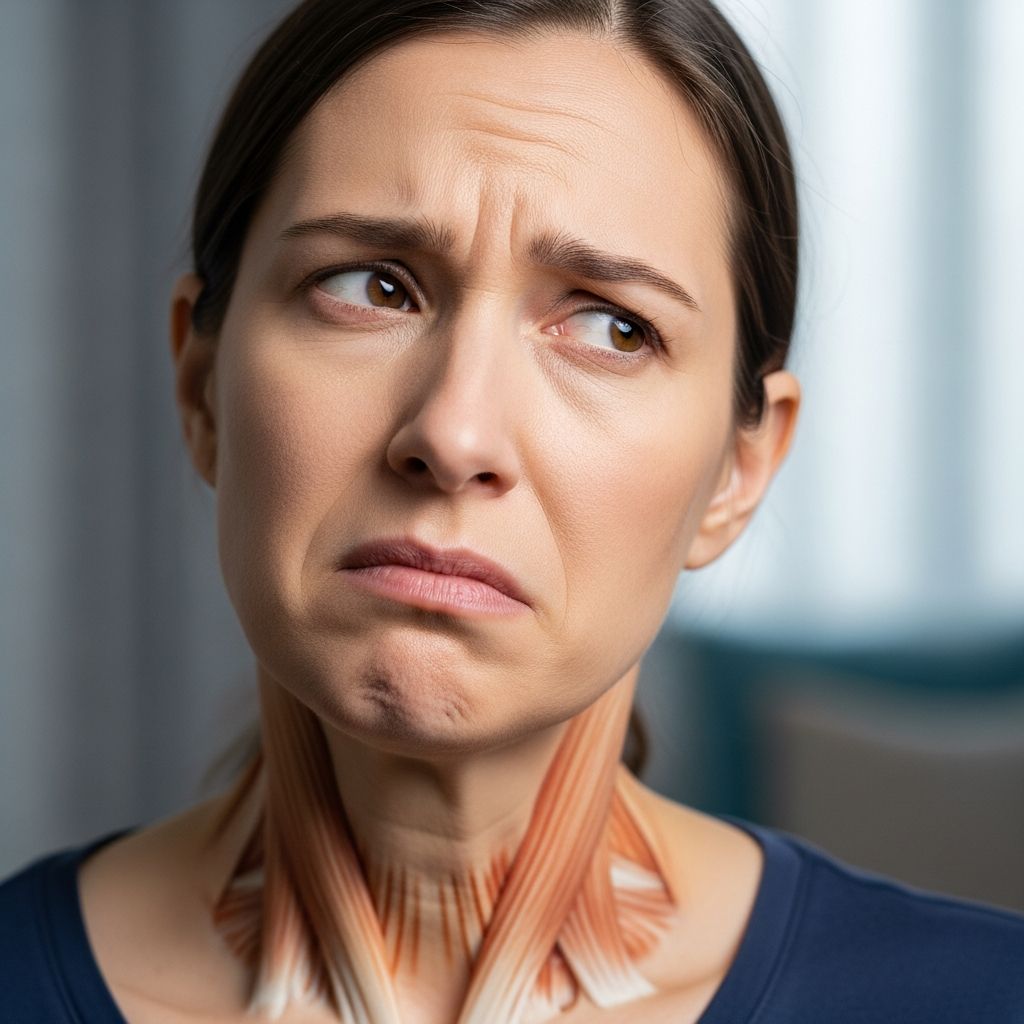
Understanding Dystonia Symptoms
Dystonia is a neurological disorder characterized by involuntary muscle contractions that cause abnormal postures and repetitive movements. The symptoms of dystonia vary significantly from person to person, depending on which region of the body is affected and the severity of the condition. Understanding these symptoms is crucial for early diagnosis and effective management of this complex movement disorder.
Primary Symptoms of Dystonia
The hallmark signs of dystonia involve excessive, involuntary muscle contractions that affect how the body moves and functions. Common dystonia symptoms include:
- Involuntary muscle contractions: Sustained or intermittent contractions that result in twisting, repetitive movements, and abnormal postures
- Involuntary twisting movements: Uncontrolled writhing or twisting that may be precipitated by specific voluntary movements such as walking or writing
- Tremors: Shaky movements that may be dystonic in nature, with nonuniform amplitude and frequency that can disappear during sleep
- Abnormal postures: Unusual or twisted body positions that may include overextension or over-flexion of the hand, inversion of the foot, lateral flexion of the head, or arching and twisting of the back
- Pain and discomfort: Continuous muscle contractions often cause pain that typically worsens as the day progresses, leading to fatigue and reduced mobility
- Functional impairments: Interference with daily tasks like writing, typing, or walking, making it challenging to maintain independence
Specific Types and Their Symptoms
Cervical Dystonia (Spasmodic Torticollis)
Cervical dystonia affects the muscles in the neck and is one of the most common focal dystonias. This type presents with distinctive symptoms that can significantly impact neck and head movement:
- Spasmodic torticollis (tightness or pulling in the side of the neck)
- Twisting of the chin toward the shoulder
- Tipping the head forward, backward, or sideways
- Shifting the head forward or backward on the shoulders
- Tremor in the hands
Symptoms of cervical dystonia can be triggered by certain postures or positions and often worsen with stress or excitement. Interestingly, some people find that touching the cheek or the back of the head may help relieve symptoms temporarily. If left untreated, cervical dystonia can lead to serious complications including cervical spine arthritis, compression of nerve roots, and narrowing of the spinal cord in the neck, with some people experiencing severe pain.
Blepharospasm
Blepharospasm is a dystonic condition affecting the eyelids and surrounding facial muscles. Symptoms include:
- Involuntary eyelid twitching
- Involuntary blinking (rapid, uncontrollable blinking of the eyelids)
- Other facial movements in some cases
Initially, blepharospasm may occur only occasionally, but some people develop a severe, long-term twitch that can significantly impact vision and quality of life. Medical attention should be sought if symptoms last longer than a few weeks, if the eyes close completely, or if other facial muscles also twitch.
Meige Syndrome
Meige syndrome involves involuntary movements of the jaw or lower face. This condition combines symptoms of blepharospasm with oromandibular dystonia, affecting facial and oral movements simultaneously.
Spasmodic Dysphonia
This type of dystonia affects the voice, causing a voice tremor or voice breaks. It can significantly impact communication and speech clarity.
Related Stories



Dopa-Responsive Dystonia
Dopa-responsive dystonia typically begins in childhood and gets its name from its responsiveness to levodopa, a medication that increases dopamine production in the brain. Starting from around age 6, symptoms may include:
- Feet that turn inward or upward
- Muscle contractions, tremors, and uncontrolled movement in the legs
- Symptoms progressing to the arms and then the whole body by adolescence
- Unusual limb position
- Lack of coordination when walking or running
Complications of dopa-responsive dystonia can include sleep problems, depression, and parkinsonism, which involves a range of movement problems. However, symptoms typically stabilize around age 30.
Task-Specific Dystonias
Task-specific dystonias include writer’s cramp, musician’s cramp, typist’s cramp, and golfer’s cramp. These conditions cause painful cramps during specific activities and may result in functional impairment in professional or recreational pursuits.
Generalized Dystonia
In some cases, dystonia affects the whole body. Generalized dystonia symptoms include:
- Turned or twisted foot, often as the first sign
- Difficulty coordinating or controlling body movements
- Twisting in the trunk or limbs
- Muscle spasms which may or may not be painful
- Unusual gait
- Rapid, rhythmic, or jerky movements
- Some parts of the body remaining in an unusual position
Paroxysmal Dystonia
Paroxysmal dystonia causes sudden episodes of symptoms that can last from a few minutes to several hours. Symptoms include tremor, pain, and twisting of the body, limbs, or face. While it can resemble a seizure, the person does not lose awareness or sensation during these episodes. Common triggers include stress, fatigue, consuming coffee or alcohol, and sudden movements.
Factors That Worsen Symptoms
Dystonia is a dynamic disorder that changes in severity based on activity, posture, and emotional state. Several factors can exacerbate symptoms:
- Fatigue: Symptoms typically worsen when fatigued
- Stress and anxiety: Emotional stress significantly worsens dystonic movements
- Prolonged activity: Extended periods of the activity triggering dystonia worsen symptoms
- Lack of sleep: Sleep deprivation can intensify dystonic symptoms
- Emotional states: Anxiety and emotional distress exacerbate involuntary movements
When Symptoms Improve
Interestingly, dystonic movements tend to be suppressed with relaxation, hypnosis, and sleep. Symptoms may improve with rest and relaxation, and dystonia often comes to an end during sleep.
Non-Motor Symptoms
Beyond the involuntary movements and abnormal postures, individuals with dystonia commonly experience additional non-motor symptoms that can significantly impact quality of life:
- Anxiety: Elevated anxiety levels are common in people with dystonia
- Depression: Mental health challenges frequently accompany the physical symptoms
- Persistent pain: Chronic pain often extends beyond the muscles involved in dystonic contractions
- Sleep disturbances: Sleep problems can occur even when dystonia symptoms are reduced or absent during sleep, and may persist even with well-controlled treatment
Studies have shown that non-motor symptoms associated with dystonia can be as disabling as the involuntary movements and postures themselves. Treating these non-motor symptoms can have a dramatic positive impact on overall quality of life and functional improvement.
Speech and Swallowing Difficulties
Dystonia can affect the muscles responsible for speech and swallowing, resulting in slurred speech or difficulty in eating and drinking. These complications can further impact nutritional intake and social interaction.
Muscle Hypertrophy and Pain
In some cases, dystonia may cause hypertrophy (enlargement) and pain in affected muscles, such as the sternocleidomastoid muscle in spasmodic torticollis. This muscle enlargement can be both visible and contribute to ongoing discomfort.
Early Recognition and Diagnosis Challenges
In its early stages, dystonia may be dismissed as an annoying mannerism or attributed to psychological causes. The correct diagnosis is often made only after unremitted postural abnormality becomes apparent and psychological characteristics don’t match other conditions. Early recognition is important for timely intervention and management.
Frequently Asked Questions About Dystonia Symptoms
Q: Can dystonia symptoms change over time?
A: Yes, dystonia is a dynamic disorder that can change in severity. Some types may worsen over time, while others may stabilize or even experience temporary remission. The progression varies depending on the specific type of dystonia.
Q: What should I do if symptoms last longer than a few weeks?
A: You should seek medical advice from a neurologist or movement disorder specialist if symptoms persist. Early diagnosis and treatment can help manage symptoms more effectively and prevent complications.
Q: Can stress really make dystonia symptoms worse?
A: Yes, stress and emotional states significantly exacerbate dystonic movements. Relaxation, stress reduction techniques, and adequate sleep can help minimize symptom severity.
Q: Are there ways to temporarily relieve dystonia symptoms?
A: Yes, some individuals find relief through relaxation, rest, sleep, and specific physical maneuvers. For example, some people with cervical dystonia find that touching their cheek or the back of their head provides temporary relief.
Q: Do all dystonia symptoms disappear during sleep?
A: Typically, dystonic movements come to an end during sleep. However, sleep disturbances themselves can occur even when dystonia symptoms are absent or well-controlled during rest.
Q: How do doctors diagnose dystonia based on symptoms?
A: Neurologists evaluate the specific pattern of involuntary movements, which body parts are affected, when symptoms occur, and what triggers them. Electromyography (EMG) studies may show co-contraction of opposing muscles, helping confirm the diagnosis.
Q: Can dystonia affect multiple body parts at once?
A: Yes, while some dystonias are focal (affecting one body part), others are generalized and can affect the whole body. Some start in one area and may progress to other body parts over time.
Q: Is pain always present with dystonia?
A: While many people with dystonia experience pain, it is not universal. Some muscle spasms may or may not be painful, and pain severity varies among individuals and types of dystonia.
References
- Dystonia Symptoms — Northwestern Medicine. Accessed January 13, 2026. https://www.nm.org/conditions-and-care-areas/neurosciences/movement-disorders/dystonia/symptoms
- Dystonia: Symptoms, types, causes, and how to treat it — Medical News Today. Accessed January 13, 2026. https://www.medicalnewstoday.com/articles/171354
- Understanding Dystonia Symptoms and Options for Treatment — Neuro Health Services. Accessed January 13, 2026. https://www.neurohealthservices.com/neurohealth-blog/understanding-dystonia-symptoms-and-options-for-treatment/
- Burden of Dystonia Is More Than a Movement Disorder — Dystonia Foundation. 2020. https://dystonia-foundation.org/wp-content/uploads/2020/03/More-Than-ovement-Disorder-Fact-Sheet.pdf
- Dystonia — StatPearls, National Center for Biotechnology Information (NCBI). Accessed January 13, 2026. https://www.ncbi.nlm.nih.gov/books/NBK448144/
Similar Articles








Read full bio of Sneha Tete