Dystonia Symptoms: Signs, Types, And When To See A Doctor
Recognizing the signs of dystonia: From muscle spasms to abnormal postures and non-motor effects.

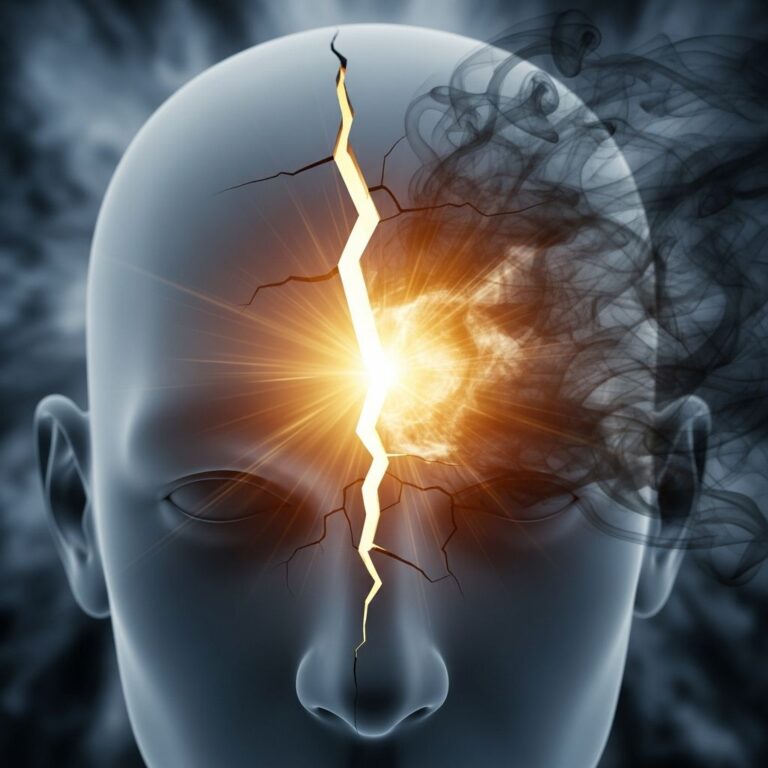
Dystonia is a neurological movement disorder characterized by involuntary muscle contractions that cause twisting, repetitive movements, and abnormal postures. Symptoms vary by body part affected and can range from mild to severe, often worsening with stress, fatigue, or prolonged activity.
These symptoms disrupt daily life, leading to pain, functional impairments, and emotional challenges. Early recognition is crucial for management.
What Is Dystonia?
Dystonia involves sustained or intermittent muscle contractions producing abnormal postures or repetitive motions. It affects any body part, from limbs to face and trunk, and is dynamic, changing with activity or posture. Unlike tremors, dystonic movements often improve with rest or sleep and worsen under stress.
The disorder stems from basal ganglia dysfunction in the brain, though exact causes vary—genetic, acquired, or idiopathic. It impacts quality of life profoundly, with motor and non-motor symptoms.
Common Symptoms of Dystonia
Core symptoms include involuntary muscle contractions, twisting or shaking movements, and sustained abnormal postures. These can be painful and lead to tremors or jerky actions.
- Involuntary muscle contractions: Sudden, forceful tightening causing twisting or pulling.
- Twisting and repetitive movements: Writhing motions, especially during tasks like writing.
- Abnormal postures: Fixed positions, such as head tilt or foot inversion.
- Tremors: Shaking, often task-specific.
- Pain and discomfort: Up to 76% of cervical dystonia patients report neck, shoulder, or headache pain from sustained contractions.
Symptoms often start subtly, like foot cramps or handwriting decline, progressing if untreated. They exacerbate with fatigue, stress, or emotion, improving with relaxation.
Symptoms by Type of Dystonia
Dystonia is classified by body region (focal, segmental, generalized) or onset (task-specific, paroxysmal). Each type presents unique symptoms.
Cervical Dystonia (Spasmodic Torticollis)
Affects neck muscles, causing head turning (torticollis), tilting, or forward/backward shifting. Common symptoms: chin-to-shoulder twist, tremors, severe pain.
- Head pulling to one side or forward/backward.
- Hand tremors in some cases.
- Triggers: stress, specific postures; relieved by touch (sensory trick).
Complications include cervical arthritis, nerve compression.
Blepharospasm
Involves eyelid muscles, leading to excessive blinking or forceful closure. Progresses from intermittent twitching to persistent spasms.
- Eyelid twitching or rapid blinking.
- Facial grimacing in advanced cases.
- Worsens with fatigue; seek care if lasting weeks or involving other muscles.
Spasmodic Dysphonia
Affects vocal cords, causing voice breaks, tremor, or strained speech. Patients describe a “strangled” voice during talking.
Limb Dystonia
Arm or leg involvement: writer’s cramp (hand spasms during writing), foot dystonia (inversion, dragging leg).
- Task-specific cramps in musicians, typists, golfers.
- Early signs: foot cramps, gait instability.
Dopa-Responsive Dystonia
Genetic, childhood-onset. Feet turn inward/upward, progressing to limbs/trunk; responds to levodopa.
- Leg tremors, poor coordination by age 6.
- Stabilizes by 30s; complications: parkinsonism, depression.
Generalized and Other Forms
Multiple body parts: trunk twisting, Meige syndrome (face/jaw spasms). Paroxysmal: episodic attacks resembling seizures, triggered by caffeine/alcohol.
Related Stories



Non-Motor Symptoms of Dystonia
Beyond movements, dystonia burdens with psychological and sensory issues. Anxiety, depression affect many, plus sleep problems and altered senses.
- Pain: Pervasive in cervical types, from muscle strain or headaches.
- Anxiety/Depression: Higher rates than general population, linked to symptom burden.
- Sensory changes: Altered processing of sight, hearing, touch; contributes to non-motor load.
- Sleep disturbances: Common, worsening daytime symptoms.
- Cognitive/Emotional: Frustration from functional limits like speech/swallowing issues.
These “stack like bricks,” amplifying physical symptoms.
When Symptoms Worsen
Dystonia fluctuates: worsens with stress, fatigue, prolonged tasks; improves with rest, sleep, sensory tricks.
| Trigger | Effect on Symptoms |
|---|---|
| Stress/Emotion | Increased spasms, pain |
| Fatigue | Worsening postures, tremors |
| Prolonged Activity | Task-specific cramps |
| Relaxation/Sleep | Suppression |
Diagnosis Challenges
Often misdiagnosed as mannerisms or psychogenic early on. Clinical exam reveals action-induced dystonia; no single test—relies on history, observation.
Rule out mimics like Parkinson’s via imaging/genetics.
Frequently Asked Questions (FAQs)
What are the first signs of dystonia?
Early symptoms: foot cramps, dragging leg, handwriting worsening, or intermittent blinking.
Is dystonia painful?
Yes, for many—muscle contractions cause discomfort, especially in neck/limbs; up to 76% in cervical cases.
Does stress make dystonia worse?
Strongly yes; symptoms intensify with stress/fatigue, ease with relaxation.
Can dystonia affect speech?
Yes, spasmodic dysphonia causes voice tremors/breaks.
Is there a cure for dystonia symptoms?
No cure, but treatments like Botox, meds, therapy manage symptoms effectively.
When to See a Doctor
Seek neurologist if persistent twitching, abnormal postures, or task-induced spasms last weeks. Urgent if interfering with vision, walking, speech.
Early intervention prevents progression, improves outcomes.
References
- Dystonia Symptoms — Northwestern Medicine. Accessed 2026. https://www.nm.org/conditions-and-care-areas/neurosciences/movement-disorders/dystonia/symptoms
- Dystonia: Symptoms, types, causes, and how to treat it — Medical News Today. 2023-10-12. https://www.medicalnewstoday.com/articles/171354
- Understanding Dystonia Symptoms and Options for Treatment — Neurohealth Services. Accessed 2026. https://www.neurohealthservices.com/neurohealth-blog/understanding-dystonia-symptoms-and-options-for-treatment/
- Non-Motor Aspects of Dystonia — Dystonia Foundation. 2018. https://dystonia-foundation.org/wp-content/uploads/2018/12/Non-Motor-Aspects-of-Dystonia-DDSpring2018.pdf
- Dystonia – StatPearls — NCBI Bookshelf, NIH. 2023-07-17. https://www.ncbi.nlm.nih.gov/books/NBK448144/
Similar Articles








Read full bio of Sneha Tete