E. coli Causes: How It Spreads and Prevention Tips
Understand the primary sources of E. coli infections, from contaminated food and water to person-to-person spread, and essential prevention strategies.
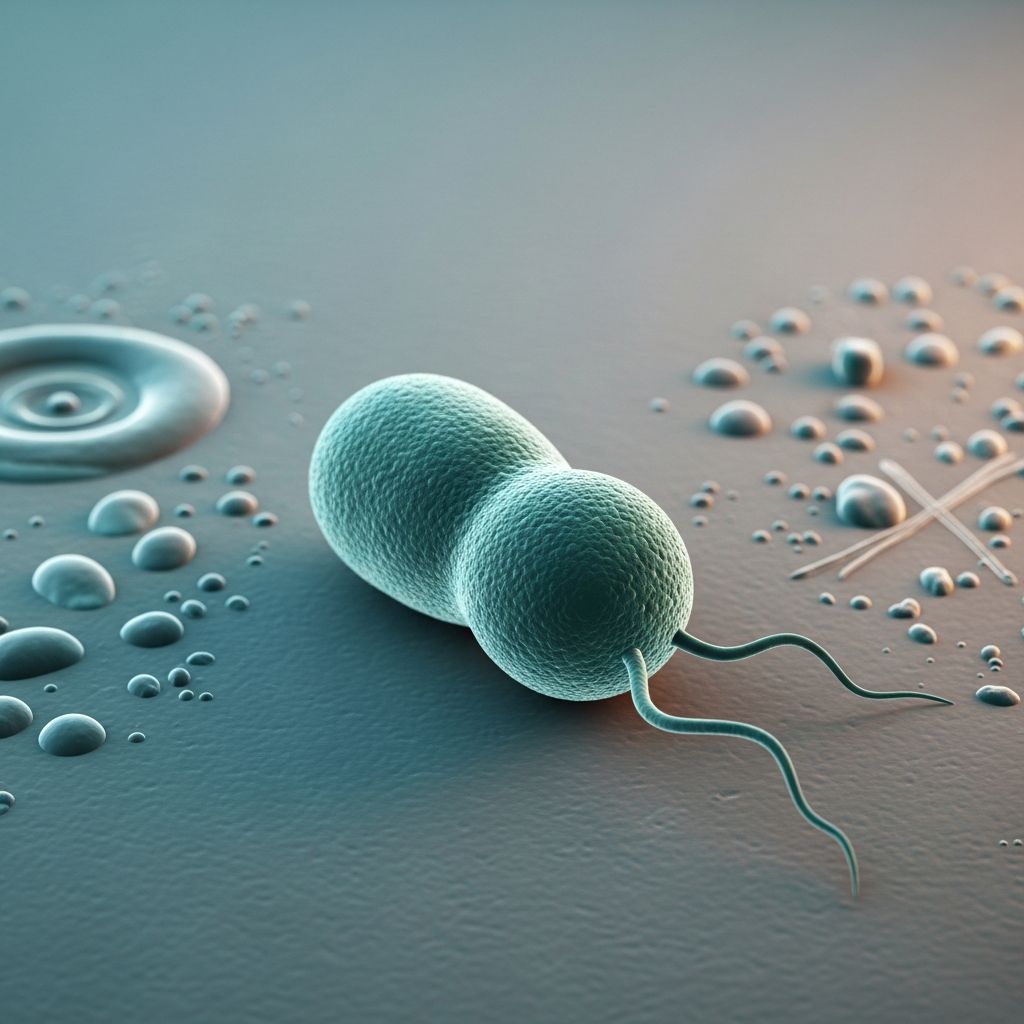
Escherichia coli (E. coli) bacteria are commonly found in the intestines of people and animals, where most strains are harmless. However, certain pathogenic strains like Shiga toxin-producing E. coli (STEC), particularly O157:H7, can cause severe foodborne illness characterized by bloody diarrhea, stomach cramps, and potentially life-threatening complications such as hemolytic uremic syndrome (HUS).
Infections occur when these bacteria are ingested in sufficient quantities, often from contaminated food or water. Unlike many pathogens, small amounts of E. coli can cause illness, making proper food handling critical. In the U.S., STEC causes about 265,000 infections annually, with most linked to fecal-oral transmission.
What Is E. coli?
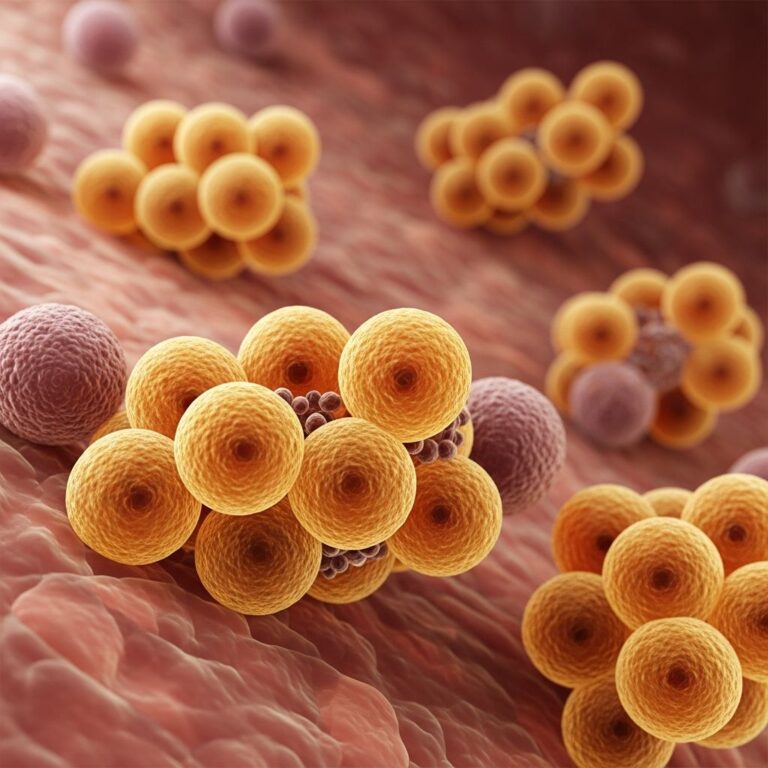
E. coli belongs to a diverse group of bacteria naturally residing in the gut flora of humans and warm-blooded animals. While over 700 serotypes exist, only a subset produces toxins that lead to disease. Pathogenic types include enterotoxigenic E. coli (ETEC), which causes traveler’s diarrhea; enteropathogenic E. coli (EPEC), affecting infants; and enterohemorrhagic E. coli (EHEC/STEC), responsible for bloody diarrhea and HUS.
Extraintestinal infections, such as urinary tract infections (UTIs), arise when commensal E. coli translocates outside the gut, often in hospital settings or via catheter use. E. coli is the leading cause of gram-negative bacteremia and a major nosocomial pathogen.
Symptoms of an E. coli Infection
Symptoms typically appear 1-10 days after exposure, starting with severe abdominal cramps and watery diarrhea that may turn bloody within a day. Vomiting occurs in about half of cases, but fever is usually low-grade or absent, distinguishing it from other infections.
In severe cases, especially with STEC O157:H7, patients develop HUS, involving kidney failure, reduced urine output, and bruising due to low platelets. Young children and older adults are at highest risk. ETEC infections cause profuse watery diarrhea without blood, often in travelers.
- Common symptoms: Stomach cramps, diarrhea (possibly bloody), nausea, vomiting.
- Severe signs: Pale skin, bloody stool lasting over 2 days, dehydration, decreased urination.
- Duration: Most recover in 5-7 days, but HUS can require hospitalization.
Causes of E. coli Infection
The primary transmission route is fecal-oral, via contaminated food, water, or direct contact. Ground beef is a top culprit because processing mixes meat from multiple animals, spreading intestinal bacteria.
Contaminated Food
Undercooked ground beef tops the list, as E. coli from cattle intestines contaminates meat during slaughter. Other risks include:
- Unpasteurized dairy: Raw milk and soft cheeses from contaminated udders or equipment.
- Fresh produce: Leafy greens like spinach, lettuce, and sprouts irrigated with contaminated water or fertilized with manure.
- Other items: Unpasteurized apple cider, raw vegetables.
Outbreaks often trace to sprouts, which are eaten raw and grown in warm, moist conditions ideal for bacterial growth.
Related Stories



Contaminated Water
Surface water polluted by animal or human waste can carry E. coli. Public systems treat water with chlorine or UV, but private wells and recreational waters pose higher risks. Swallowing lake or pool water contaminated by feces has caused outbreaks.
Person-to-Person Contact
Infections spread in households, daycare, or nursing homes when infected individuals fail to wash hands after bathroom use. Asymptomatic carriers can transmit for weeks.
Animals and Environment
Contact with cattle, sheep, or goats at farms or petting zoos introduces E. coli via feces. Soil, untreated water, and undercooked meats also harbor the bacteria.
High-Risk Groups for E. coli Infection
| Group | Risk Factors | Why Vulnerable |
|---|---|---|
| Young children (<5 years) | HUS development | Immature kidneys, higher toxin sensitivity. |
| Older adults (>65) | Dehydration, complications | Weakened immunity, chronic conditions. |
| Pregnant people | Severe dehydration | Physiological changes increase severity. |
| Immunocompromised | Bacteremia, extraintestinal spread | Reduced ability to fight infection. |
Seasonal peaks occur June-September, possibly due to more outdoor activities and produce consumption.
Diagnosis and Treatment
Doctors diagnose via stool culture or PCR for Shiga toxins. Avoid antibiotics, as they may worsen HUS by increasing toxin release. Treatment is supportive: hydration via oral rehydration or IV fluids. Hospitalization is needed for severe cases.
Antidiarrheal meds like loperamide are contraindicated, as they prolong bacterial exposure.
Prevention of E. coli Infection
Key strategies focus on hygiene and safe food practices:
- Cook thoroughly: Ground beef to 160°F (71°C); use a thermometer.
- Avoid raw milk: Choose pasteurized dairy.
- Wash produce: Rinse under running water; scrub firm items.
- Hand hygiene: Wash with soap for 20 seconds after bathroom, animals, or food prep.
- Water safety: Drink treated water; avoid swallowing recreational water.
- Petting zoos: Supervise children; sanitize hands.
For travelers, avoid high-risk foods in areas with poor sanitation to prevent ETEC.
When to See a Doctor for E. coli
Seek immediate care for bloody diarrhea, severe cramps, dehydration (dry mouth, dizziness), or symptoms lasting over 3 days. High-risk individuals should contact providers early.
Frequently Asked Questions (FAQs)
What causes most E. coli outbreaks?
Contaminated ground beef and fresh produce like leafy greens are primary sources, due to fecal contamination during processing or irrigation.
Can you get E. coli from well water?
Yes, untreated private wells are prone to contamination from animal waste; test and disinfect regularly.
Does cooking kill E. coli?
Yes, heating to 160°F kills the bacteria, but cross-contamination from utensils or surfaces must be prevented.
Is E. coli contagious?
Yes, via person-to-person spread, especially in childcare settings; isolate and practice hygiene.
How long is E. coli contagious?
Until diarrhea resolves, typically 1-2 weeks; wash hands diligently.
References
- E. coli (Escherichia coli) Infection – Symptoms and causes — Mayo Clinic. 2023-10-15. https://www.mayoclinic.org/diseases-conditions/e-coli/symptoms-causes/syc-20372058
- Escherichia coli Infection — StatPearls, NCBI Bookshelf, National Center for Biotechnology Information (NIH). 2023-07-17. https://www.ncbi.nlm.nih.gov/books/NBK564298/
- E. coli: Infection, Causes, Symptoms & Treatment — Cleveland Clinic. 2023-11-01. https://my.clevelandclinic.org/health/diseases/16638-e-coli-infection
- Vigilance is required to avoid E. coli — UCLA Health. 2024-06-12. https://www.uclahealth.org/news/article/vigilance-is-required-to-avoid-e-coli
- About Escherichia coli (E. coli) Infection — Centers for Disease Control and Prevention (CDC). 2024-09-05. https://www.cdc.gov/ecoli/about/index.html
Similar Articles








Read full bio of Sneha Tete