E. coli Causes: Essential Guide To Infection Risks & Prevention
Understand the primary sources of E. coli infections, from contaminated food and water to hygiene practices, and learn how to protect yourself effectively.
By Health Expert Team | Reviewed by Medical Professionals
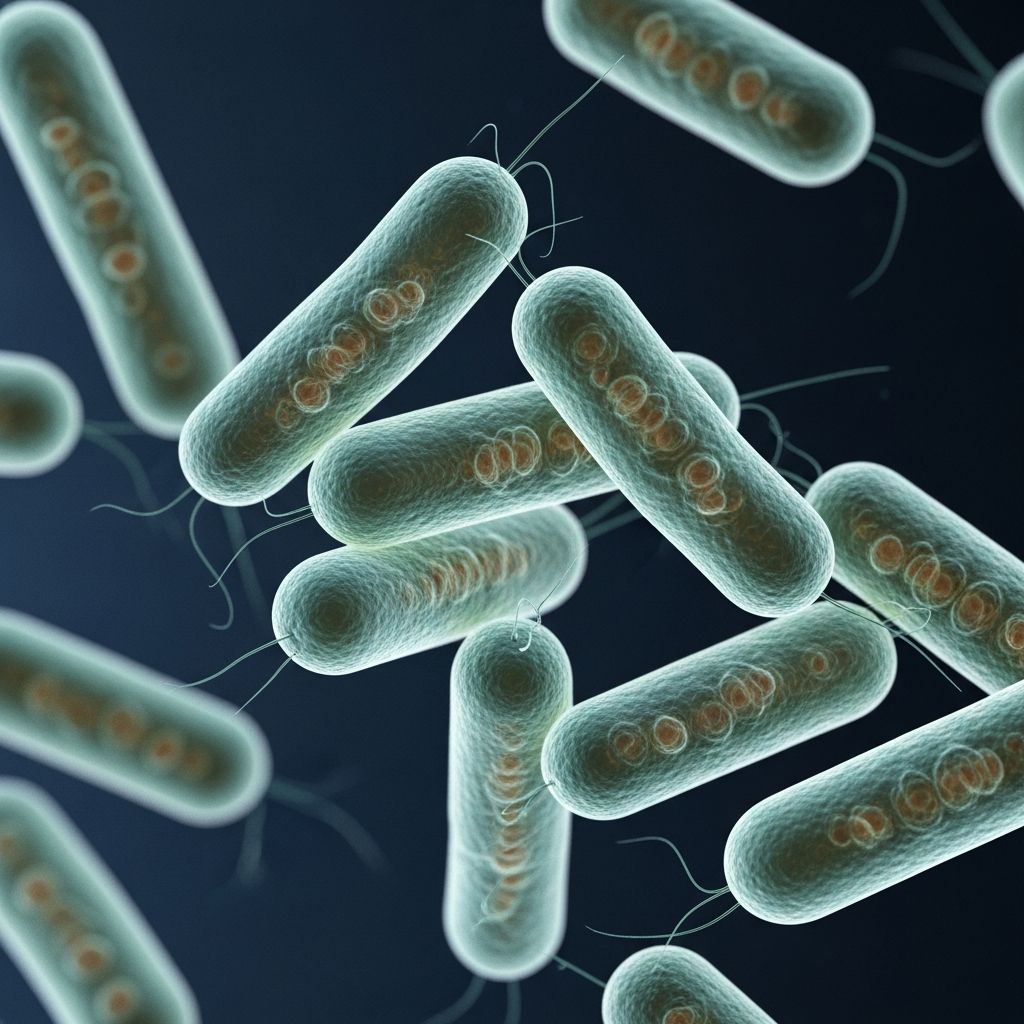
Escherichia coli, commonly known as E. coli, is a group of bacteria naturally found in the intestines of humans and warm-blooded animals. While most strains are harmless and even beneficial for digestion, certain pathogenic strains can cause serious infections ranging from mild diarrhea to life-threatening conditions like hemolytic uremic syndrome (HUS).
E. coli infections primarily occur through ingestion of contaminated food or water, but can also spread person-to-person or via animal contact. Understanding these causes is crucial for prevention, as outbreaks have been linked to everyday foods like ground beef and leafy greens.
What Is E. coli?
E. coli belongs to the Enterobacteriaceae family and thrives in the gut environment. Over 700 serotypes exist, but only a subset—such as Shiga toxin-producing E. coli (STEC), including the notorious O157:H7—cause illness in humans.
Pathogenic E. coli produce toxins that damage the intestinal lining, leading to symptoms like severe abdominal cramps, watery or bloody diarrhea, vomiting, and fever. In vulnerable groups like children under 5, the elderly, and those with weakened immune systems, complications can escalate to kidney failure.
Unlike many bacteria, E. coli requires only a small inoculum (as few as 10 organisms) to cause infection, making contamination highly risky even in trace amounts.
Types of E. coli That Cause Infection
Several pathotypes of E. coli are responsible for human disease, each with distinct mechanisms:
- Enterohemorrhagic E. coli (EHEC/STEC): Produces Shiga toxins, causing bloody diarrhea and HUS. O157:H7 is the most common, linked to undercooked beef and produce.
- Enterotoxigenic E. coli (ETEC): Causes watery “traveler’s diarrhea” via heat-labile (LT) and heat-stable (ST) toxins. Prevalent in areas with poor sanitation; requires ~100 million organisms for infection in healthy adults.
- Enteropathogenic E. coli (EPEC): Affects infants, causing watery diarrhea through intimate adherence to intestinal cells via intimin adhesin.
- Extraintestinal pathogenic E. coli (ExPEC): Translocates from gut to sites like urinary tract, causing UTIs, bacteremia, and pneumonia. Common in hospitals.
These types differ in transmission and severity; STEC is most associated with foodborne outbreaks in developed nations.
Symptoms of an E. coli Infection
Symptoms typically appear 1-10 days after exposure, lasting 5-7 days in healthy individuals. Common signs include:
- Severe abdominal cramps
- Watery diarrhea progressing to bloody stools (especially STEC)
- Nausea and vomiting
- Low-grade fever (under 101°F/38.3°C)
- Fatigue
Seek immediate medical care if bloody diarrhea persists >2 days, high fever develops, or dehydration signs appear (dry mouth, dizziness). HUS symptoms—pale skin, bruising, decreased urination—require emergency treatment.
Common Causes of E. coli Infection
The primary transmission route is fecal-oral, where bacteria from animal or human feces contaminate food, water, or surfaces.
Related Stories



Contaminated Food
Food is the leading cause, especially:
- Ground beef and undercooked meat: Bacteria from cattle intestines contaminate meat during slaughter; grinding mixes it thoroughly. Even rare burgers can sicken due to low infectious dose.
- Unpasteurized dairy and juices: Raw milk, cider, and soft cheeses harbor E. coli from udders or equipment.
- Raw produce: Leafy greens (spinach, lettuce), sprouts, and fruits irrigated with contaminated water or fertilized with manure.
Cross-contamination during preparation—using the same cutting board for raw meat and veggies—amplifies risk.
Contaminated Water
Surface water polluted by animal/human waste causes outbreaks. Risks include:
- Untreated well water in rural areas
- Swimming in contaminated lakes, pools, or puddles
- Municipal supplies (rare, due to treatment)
- Irrigation water for crops
Person-to-Person Contact
Spread via unwashed hands after diaper changes or bathroom use, common in daycare settings. Vomitus or feces from infected individuals transmit bacteria.
Animal Contact
Farm animals (cows, sheep, goats) carry STEC in intestines. Petting zoos and handling raw pet food pose risks; always wash hands.
Poor Hygiene
Not washing hands after toilet use, handling raw meat, or before eating spreads bacteria to food/surfaces.
Risk Factors for E. coli Infection
Certain factors heighten susceptibility:
| Risk Factor | Description |
|---|---|
| Age | Children <5 and elderly at highest risk for HUS |
| Weakened immunity | HIV, cancer patients, organ transplant recipients |
| Travel | ETEC in developing countries causes traveler’s diarrhea |
| Season | Peak June-September in U.S., possibly due to picnics/grilling |
| Food habits | Eating undercooked burgers, raw milk, unwashed produce |
Prevention Tips for E. coli
Prevent infection with these evidence-based strategies:
- Cook ground beef to 160°F (71°C); use thermometer
- Wash produce under running water; scrub firm fruits
- Choose pasteurized milk/juices; avoid raw sprouts
- Practice handwashing with soap for 20 seconds, especially after animals/bathroom, before eating
- Disinfect surfaces/utensils after raw meat contact
- Avoid swallowing water while swimming
- Ensure private wells are tested/treated
Public health recalls during outbreaks—check CDC alerts.
When to See a Doctor for E. coli
Most cases resolve without antibiotics (which may worsen HUS), but consult a doctor if:
- Diarrhea lasts >3 days or is bloody
- Fever >102°F (39°C)
- Signs of dehydration
- bloody stool or HUS symptoms
Hydrate with oral rehydration solutions; hospitalization for IV fluids if severe.
Frequently Asked Questions (FAQs)
What foods most commonly cause E. coli outbreaks?
Ground beef, raw milk, leafy greens like spinach/lettuce, and unpasteurized apple cider are top culprits due to contamination during processing or growth.
Can you get E. coli from well water?
Yes, untreated private wells are high-risk if near livestock; test annually and use disinfection.
Is E. coli contagious from person to person?
Yes, via fecal-oral route; isolate infected individuals and emphasize hand hygiene in households/daycares.
How long does E. coli last?
Symptoms peak in 1-3 days, resolve in 5-10 days for most; monitor for complications.
Does cooking kill E. coli?
Yes, internal temperature of 160°F kills it; avoid cross-contamination.
References
- E. coli infection – symptoms and treatment — Healthdirect (Australian Government). 2023. https://www.healthdirect.gov.au/e-coli-infection
- E. coli – Symptoms and causes — Mayo Clinic. 2023-10-15. https://www.mayoclinic.org/diseases-conditions/e-coli/symptoms-causes/syc-20372058
- E. coli — World Health Organization (WHO). 2019-12-09. https://www.who.int/news-room/fact-sheets/detail/e-coli
- Escherichia coli Infection — StatPearls, NCBI Bookshelf, National Library of Medicine. 2023-07-17. https://www.ncbi.nlm.nih.gov/books/NBK564298/
- E. coli Infections — MedlinePlus, National Library of Medicine. 2023. https://medlineplus.gov/ecoliinfections.html
- E. coli Infection — Cleveland Clinic. 2023-09-07. https://my.clevelandclinic.org/health/diseases/16638-e-coli-infection
- About Escherichia coli Infection — Centers for Disease Control and Prevention (CDC). 2023. https://www.cdc.gov/ecoli/about/index.html
Similar Articles








Read full bio of Sneha Tete