E. coli Infection: Causes, Symptoms, and Prevention
Learn about E. coli infection, its symptoms, causes, and how to prevent this common bacterial illness.
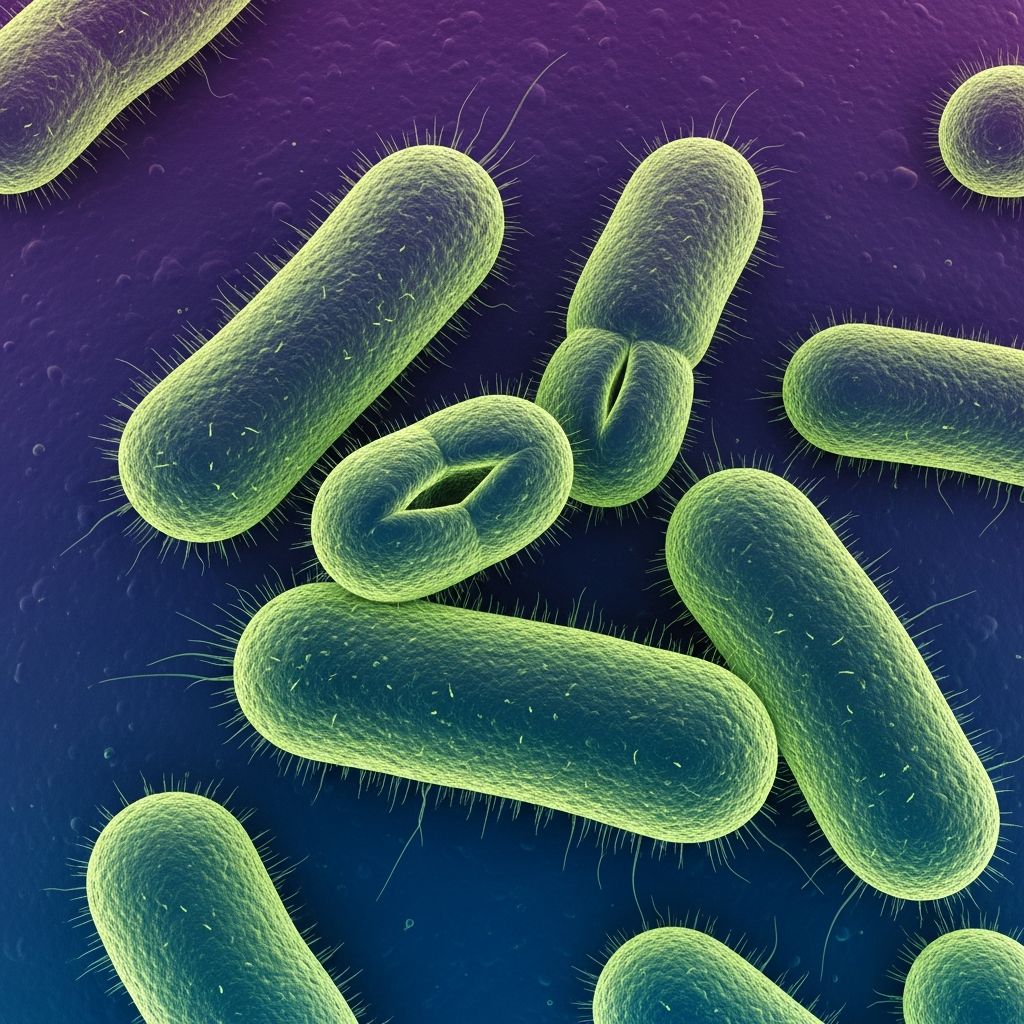
What Is E. coli?
Escherichia coli (E. coli) is a type of bacteria commonly found in the intestines of healthy humans and animals. Most strains of E. coli are harmless and play a beneficial role in digestion. However, certain strains can cause serious illness, including food poisoning and urinary tract infections (UTIs).
Types of E. coli Infections
There are several types of E. coli infections, each affecting different parts of the body:
- Foodborne E. coli: Causes gastrointestinal symptoms such as diarrhea, stomach cramps, and vomiting.
- Urinary Tract Infections (UTIs): E. coli is responsible for over 90% of bladder infections, leading to symptoms like painful urination and frequent urination.
- Other Infections: Some strains can cause more severe conditions, including kidney failure and sepsis.
Symptoms of E. coli Infection
The symptoms of E. coli infection vary depending on the type and severity of the infection. Common symptoms include:
- Diarrhea (ranging from mild to severe and bloody)
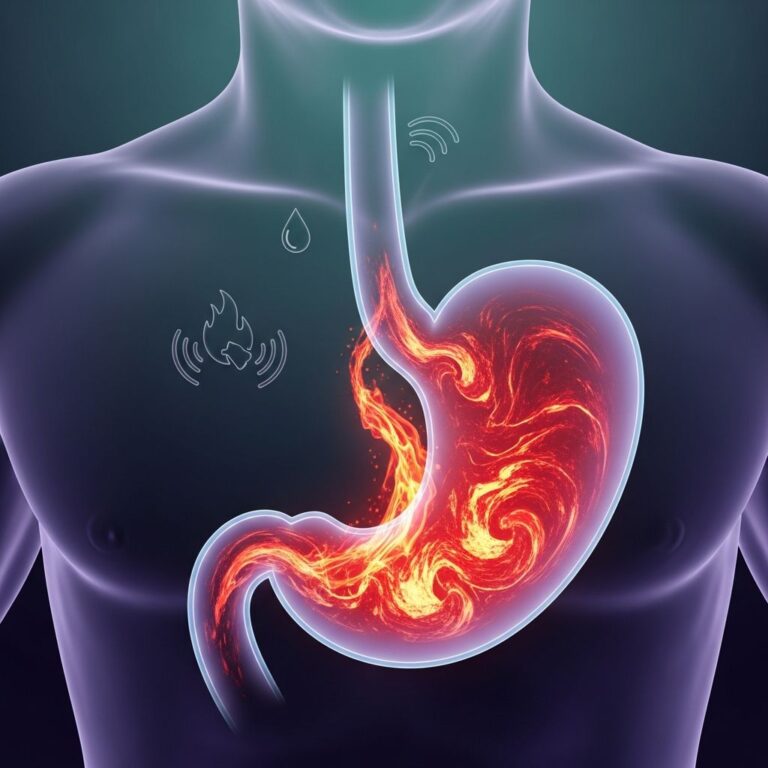
- Stomach cramps and pain
- Nausea and vomiting
- Fever (in some cases)
- Painful urination (in UTIs)
- Frequent urination (in UTIs)
- Cloudy or strong-smelling urine (in UTIs)
Causes of E. coli Infection
E. coli infections are typically caused by ingesting contaminated food or water, or through person-to-person contact. The most common sources of exposure include:
- Contaminated Food: Undercooked ground beef, unpasteurized milk, and fresh produce can harbor harmful E. coli strains.
- Contaminated Water: Drinking or swimming in water contaminated with E. coli can lead to infection.
- Person-to-Person Contact: Poor hand hygiene, especially after using the bathroom or changing diapers, can spread E. coli.
- Animal Contact: Visiting petting zoos or animal barns can increase the risk of exposure.
High-Risk Groups
While anyone can get an E. coli infection, certain groups are at higher risk for severe complications:
- Young children
- Older adults
- Pregnant women
- People with weakened immune systems
- Individuals with underlying digestive problems
Complications of E. coli Infection
Most people recover from E. coli infection without complications. However, severe cases can lead to:
- Hemolytic Uremic Syndrome (HUS): A life-threatening condition that can cause kidney failure, especially in young children.
- Dehydration: Severe diarrhea and vomiting can lead to dehydration, which may require hospitalization.
- Chronic Kidney Disease: In rare cases, E. coli infection can lead to long-term kidney problems.
Diagnosis of E. coli Infection
Diagnosing E. coli infection typically involves:
- Stool Test: A sample of stool is analyzed for the presence of E. coli bacteria.
- Urine Test: For UTIs, a urine sample is tested for bacteria.
- Blood Test: In severe cases, blood tests may be used to check for complications like HUS.
Related Stories



Treatment of E. coli Infection
Most E. coli infections resolve on their own with supportive care. Treatment options include:
- Hydration: Drinking plenty of fluids to prevent dehydration.
- Rest: Getting adequate rest to help the body recover.
- Medications: Antibiotics are generally not recommended for foodborne E. coli infections, as they can increase the risk of complications. For UTIs, antibiotics are typically prescribed.
- Hospitalization: Severe cases may require hospitalization for intravenous fluids and monitoring.
Prevention of E. coli Infection
Preventing E. coli infection involves good hygiene and food safety practices:
- Hand Washing: Wash hands thoroughly with soap and water before and after preparing food, using the bathroom, and changing diapers.
- Food Safety: Cook meat to the appropriate temperature, avoid unpasteurized milk and juices, and wash fruits and vegetables thoroughly.
- Cross-Contamination: Use separate cutting boards and utensils for raw meat and fresh produce.
- Safe Water: Drink only safe, treated water, especially when traveling.
- Animal Contact: Wash hands after contact with animals, especially in petting zoos or animal barns.
When to Seek Medical Attention
Seek medical attention if you experience:
- Severe or bloody diarrhea
- High fever
- Signs of dehydration (such as dry mouth, dizziness, or decreased urination)
- Painful urination or frequent urination (for UTIs)
- Symptoms that persist for more than a few days
Frequently Asked Questions (FAQs)
Q: Can E. coli infection be prevented?
A: Yes, E. coli infection can be prevented with good hygiene, proper food handling, and safe water practices.
Q: How long does E. coli infection last?
A: Most E. coli infections resolve within a week, but severe cases may last longer and require medical attention.
Q: Is E. coli infection contagious?
A: Yes, E. coli infection can be spread through person-to-person contact, especially if proper hand hygiene is not followed.
Q: Can E. coli cause urinary tract infections?
A: Yes, E. coli is the most common cause of urinary tract infections, especially in women.
Q: What should I do if I suspect E. coli infection?
A: If you suspect E. coli infection, seek medical attention, especially if you have severe symptoms or are in a high-risk group.
References
- Escherichia coli (E. coli) Infection — Mayo Clinic. 2022-10-01. https://www.mayoclinic.org/diseases-conditions/e-coli/symptoms-causes/syc-20372058
- Food Safety 101: Preventing Spread of E. coli — Cleveland Clinic News Service. 2024-12-10. https://newsroom.clevelandclinic.org/2024/12/10/food-safety-101-preventing-spread-of-e-coli
- Acute Cystitis: Causes, Symptoms & Treatment — Cleveland Clinic. https://my.clevelandclinic.org/health/diseases/24450-acute-cystitis
Similar Articles








Read full bio of medha deb