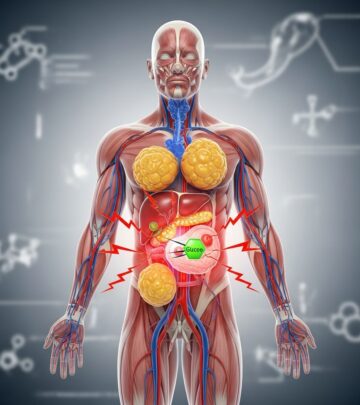
E. coli Infection: Symptoms, Causes, Treatment
Understand E. coli infections: symptoms like bloody diarrhea, causes from contaminated food, prevention tips, and when to seek urgent care.
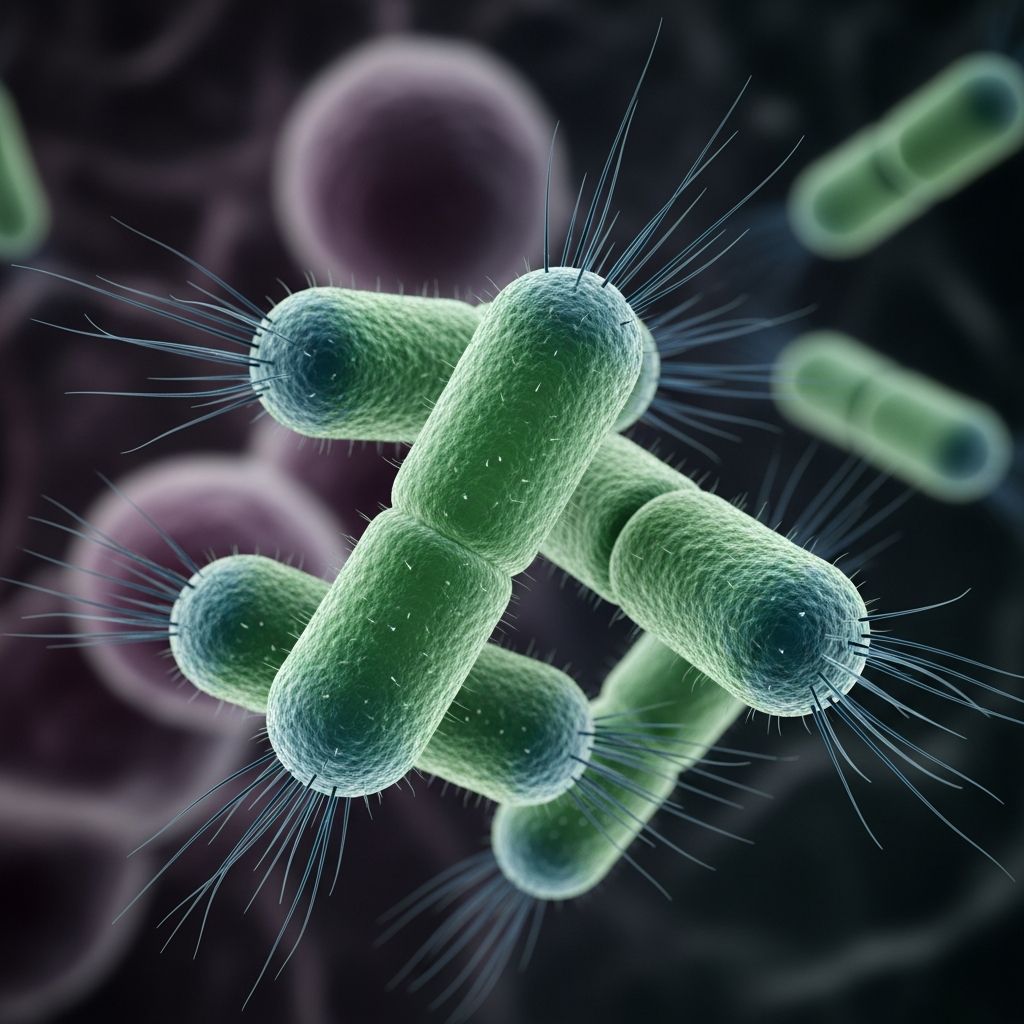
Escherichia coli (E. coli) is a bacterium commonly found in the intestines of humans and warm-blooded animals. While most strains are harmless and aid digestion, certain pathogenic types like Shiga toxin-producing E. coli (STEC), particularly O157:H7, can cause severe foodborne illness characterized by bloody diarrhea, abdominal cramps, and potentially life-threatening complications such as hemolytic uremic syndrome (HUS).
What Is E. coli?
E. coli bacteria naturally reside in the gut microbiome, helping with food digestion, vitamin production, and protection against harmful pathogens. However, strains outside the intestines or specific virulent types can lead to infections ranging from mild diarrhea to serious conditions like urinary tract infections (UTIs), pneumonia, bacteremia, and meningitis.
Pathogenic E. coli variants include enteropathogenic E. coli (EPEC), enterotoxigenic E. coli (ETEC, common in traveler’s diarrhea), enteroinvasive E. coli (EIEC), enteraggregative E. coli (EAEC), diffusely adherent E. coli (DAEC), and Shiga toxin-producing E. coli (STEC/EHEC). STEC is responsible for most severe outbreaks in the U.S., with approximately 265,000 infections annually.
Symptoms of an E. coli Infection
Symptoms typically emerge 1 to 10 days after exposure, averaging 3-4 days for STEC O157:H7. Initial signs include sudden severe abdominal cramping followed by watery diarrhea that progresses to bloody stools within a day due to Shiga toxin damaging the intestinal lining.
- Abdominal pain or cramps: Often intense and sudden onset.
- Diarrhea: Starts watery, becomes bloody; may last 5-7 days.
- Nausea and vomiting: Common but vomiting usually mild.
- Fever: Low-grade, typically under 101°F (38.3°C).
- Fatigue: From dehydration due to fluid and electrolyte loss.
Most healthy adults recover within 5-10 days without treatment, but vulnerable groups—infants, young children under 5, elderly over 65, and immunocompromised individuals—face higher risks.
Causes and Risk Factors
E. coli spreads primarily through the fecal-oral route via contaminated food, water, or person-to-person contact. Key transmission modes include:
- Contaminated food: Undercooked ground beef (e.g., hamburgers), raw milk, unpasteurized apple cider/juice, soft cheeses from raw milk, raw vegetables (leafy greens, sprouts, spinach), and contaminated fruits.
- Contaminated water: Untreated or poorly treated municipal water, recreational water, or well water.
- Person-to-person: Especially in childcare, nursing homes; asymptomatic carriers can spread it for up to a week.
- Animal contact: Farms, petting zoos where direct contact with cattle feces occurs.
Outbreaks peak June-September in the U.S., linked to seasonal produce and grilling habits. E. coli O157:H7 thrives in ground meat due to bacterial mixing during processing.
| Risk Factor | Examples | High-Risk Groups |
|---|---|---|
| Foodborne | Undercooked beef, raw sprouts, unpasteurized dairy | Children, elderly |
| Waterborne | Swimming pools, untreated water | Travelers to developing areas |
| Person-to-Person | Daycares, households | Immunocompromised |
E. coli O157:H7
This STEC strain is notorious for producing Shiga toxins (Stx1 and Stx2), causing the majority of HUS cases. It contaminates ground beef during slaughter if animal hides are fecal-soiled, or produce via irrigation water/manure. Outbreaks have involved salami, yogurt, and cider.
In the U.S., it causes severe bloody diarrhea in 70,000 cases yearly, with 2,100 HUS hospitalizations and 20-30 deaths.
Complications: Hemolytic Uremic Syndrome (HUS)
HUS develops in 5-10% of STEC cases, typically 5-10 days post-diarrhea onset. It involves:
- Acute kidney failure: From toxin-damaged blood vessels.
- Hemolytic anemia: Red blood cell destruction.
- Thrombocytopenia: Low platelets causing bruising/bleeding.
Symptoms include decreased urination, swelling, pallor, seizures, and coma. Fatality rate is 3-5%, higher in children; survivors may have long-term kidney damage.
Diagnosis
Diagnosis relies on stool culture or PCR for Shiga toxins/serotypes. Blood tests check for HUS (elevated creatinine, low platelets). Early detection is crucial as antibiotics may worsen HUS by increasing toxin release.
Treatment
No specific cure exists; focus is supportive:
- Hydration: Oral rehydration or IV fluids to prevent dehydration.
- Electrolyte monitoring: Hospitalization for severe cases.
- Antibiotics: Avoided in STEC due to HUS risk; used cautiously for other E. coli types.
- Dialysis: For HUS kidney failure.
Most recover fully in 6-8 days, but HUS requires intensive care.
Prevention
Prevent infection through hygiene and safe food practices:
- Cook ground meat to 160°F (71°C); use thermometer.
- Avoid raw/undercooked beef, unpasteurized products.
- Wash produce under running water, especially leafy greens/sprouts.
- Wash hands 20 seconds with soap after bathroom/animal contact, before eating.
- Use separate cutting boards for meat/produce; clean utensils thoroughly.
- Pasteurize milk/juice; drink treated water when traveling.
For travelers: Eat cooked foods, peel fruits, drink bottled/boiled water.
When to See a Doctor
Seek immediate care if:
- Diarrhea lasts >2 days in adults, >1 day in children.
- Bloody stools, fever >102°F, severe cramps, vomiting preventing fluids.
- Signs of dehydration: Dry mouth, dizziness, reduced urine.
- HUS symptoms: Bruising, pallor, swelling, lethargy.
Frequently Asked Questions (FAQs)
Is E. coli contagious?
Yes, via fecal-oral route; handwashing prevents spread, especially in households/daycares.
How long does E. coli last?
Symptoms resolve in 5-10 days for most; HUS prolongs recovery.
Can antibiotics treat E. coli?
No for STEC—may increase HUS risk; hydration is key.
What foods cause E. coli most often?
Undercooked ground beef, raw milk, contaminated produce like sprouts.
Who is at highest risk for complications?
Young children, elderly, immunocompromised.
References
- E. coli infection: Symptoms, causes, and treatment — Medical News Today. 2023-10-12. https://www.medicalnewstoday.com/articles/68511
- E. coli — World Health Organization. 2023-11-03. https://www.who.int/news-room/fact-sheets/detail/e-coli
- E. coli – Symptoms and causes — Mayo Clinic. 2024-05-15. https://www.mayoclinic.org/diseases-conditions/e-coli/symptoms-causes/syc-20372058
- Escherichia coli Infection — NCBI Bookshelf / StatPearls. 2023-07-17. https://www.ncbi.nlm.nih.gov/books/NBK564298/
- About Escherichia coli Infection — Centers for Disease Control and Prevention. 2024-01-10. https://www.cdc.gov/ecoli/about/index.html
Similar Articles








Read full bio of medha deb