E. Coli Symptoms: 5 Common Signs To Watch
Recognize E. coli infection signs, from diarrhea to severe complications like HUS, and learn prevention strategies.
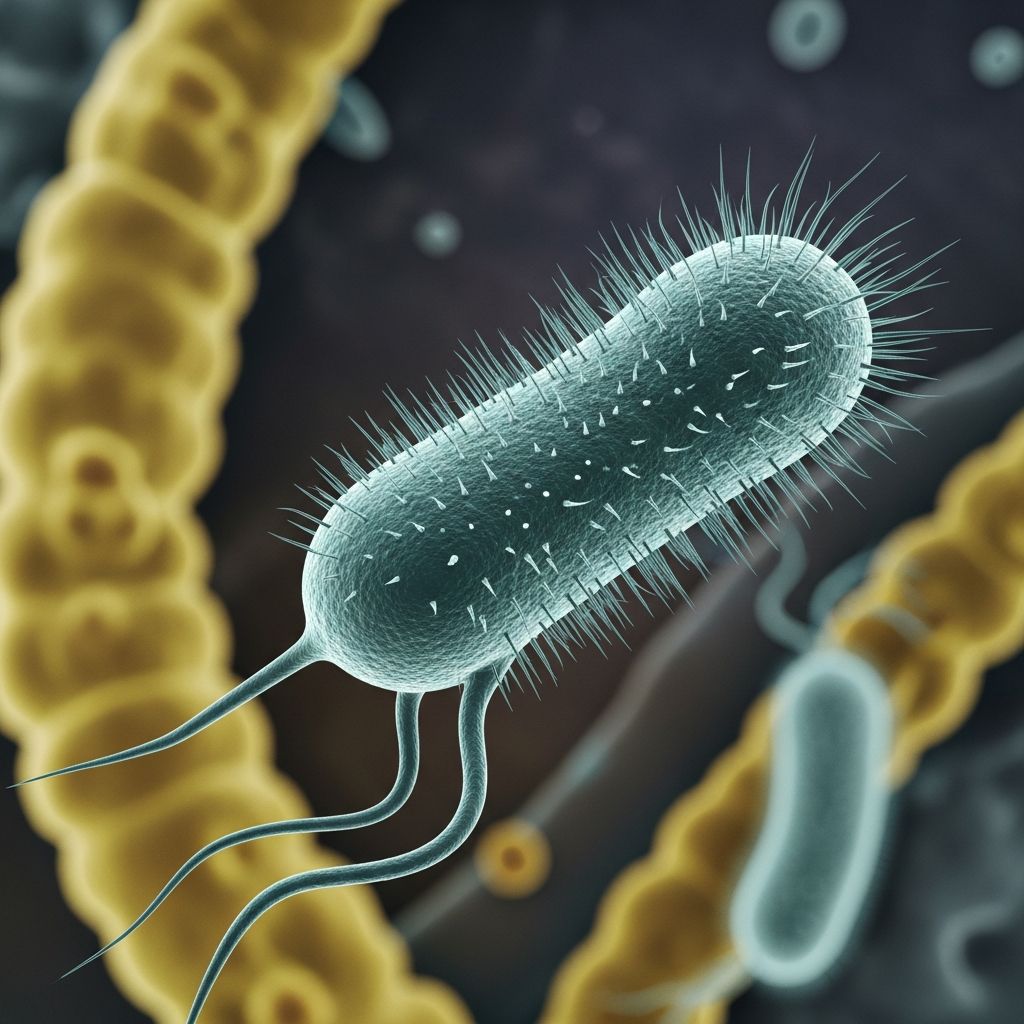
Escherichia coli (E. coli) bacteria are common in the intestines of people and animals, but certain strains can cause serious infections. While most are harmless, pathogenic types like O157:H7 lead to severe gastrointestinal illness, bloody diarrhea, and potentially life-threatening complications such as hemolytic uremic syndrome (HUS). Symptoms typically appear 1-10 days after exposure, often from contaminated food or water.
What Is an E. Coli Infection?
E. coli infections occur when harmful strains of the bacteria enter the body, usually through the mouth via contaminated sources. These bacteria produce toxins that damage the intestinal lining, causing inflammation and symptoms like diarrhea. Shiga toxin-producing E. coli (STEC), particularly O157:H7, is responsible for the most severe cases, affecting thousands annually in the U.S.
Most infections are self-limiting in healthy adults, resolving in about a week without treatment. However, vulnerable groups—including young children, older adults, pregnant people, and those with weakened immune systems—face higher risks of complications.
E. Coli Symptoms
Symptoms of E. coli infection, especially from STEC strains, usually start 3-4 days after exposure but can begin as early as 1 day or up to 10 days later. Initial signs mimic common stomach bugs but can escalate quickly.
- Diarrhea: Often watery at first, progressing to severe and bloody in STEC cases.
- Stomach cramps: Intense abdominal pain or tenderness.
- Nausea and vomiting: Common but not always present.
- Low-grade fever: Typically under 101°F (38.3°C).
- Fatigue: General weakness due to dehydration.
In non-STEC strains like enterotoxigenic E. coli (ETEC), symptoms may be milder, resembling traveler’s diarrhea with urgent, watery stools starting hours after exposure.
Types of E. Coli Infections
E. coli strains vary in how they cause illness. Understanding types helps identify risks and appropriate care.
| Type | Description | Common Symptoms | Risk Level |
|---|---|---|---|
| STEC/EHEC (e.g., O157:H7) | Shiga toxin producers; cause hemorrhagic colitis. | Bloody diarrhea, severe cramps. | High; 5-10% develop HUS. |
| ETEC | Traveler’s diarrhea cause. | Watery diarrhea, no blood. | Low; self-resolves. |
| Enteropathogenic (EPEC) | Affects infants mainly. | Watery diarrhea, vomiting. | Moderate in young children. |
| Extraintestinal (e.g., UTI) | Spreads beyond gut. | Painful urination, fever. | Variable; treatable with antibiotics. |
STEC remains the most concerning due to toxin potency, even from small doses.
Causes and Risk Factors of E. Coli
E. coli spreads primarily through fecal-oral route, often from contaminated food or water. Unlike many bacteria, small amounts suffice for infection.
- Contaminated food: Undercooked ground beef, raw vegetables, unpasteurized milk/juice, raw milk cheeses.
- Water: Swallowing lake/river water, unchlorinated pools.
- Person-to-person: Poor hand hygiene, especially in daycare or with ill individuals.
- Seasonal peak: June-September in the U.S.
High-risk groups include children under 5, adults over 65, pregnant women, and immunocompromised individuals. Recent outbreaks link to leafy greens and beef products.
E. Coli Complications
Related Stories



While most recover fully, 5-10% of STEC cases progress to hemolytic uremic syndrome (HUS), a triad of anemia, low platelets, and kidney failure. HUS signs include:
- Decreased urination.
- Pale skin, swelling.
- Unexplained bruising/bleeding.
- Extreme fatigue, seizures.
HUS is most common in children under 5 and elderly over 60. Other complications: dehydration, sepsis, pneumonia, or chronic issues like irritable bowel syndrome. Hospitalization is often required for IV fluids and monitoring.
When to See a Doctor for E. Coli Symptoms
Seek medical care if diarrhea lasts over 3 days, is bloody, or accompanies high fever (>102°F), severe pain, or dehydration signs (dry mouth, dizziness, little urine). Call immediately for HUS indicators or if affecting high-risk individuals.
Diagnosis involves stool testing for toxins or bacteria. Avoid anti-diarrheals or antibiotics, as they may worsen HUS risk.
Treatment for E. Coli Infection
No specific cure exists; treatment is supportive. Focus on:
- Hydration: Oral rehydration solutions; IV fluids if severe.
- Rest: Avoid dairy, caffeine, alcohol.
- Monitoring: Hospital for complications.
Antibiotics are contraindicated for STEC due to increased HUS risk. Symptoms resolve in 5-7 days for most.
Prevention of E. Coli
Prevent infection with hygiene and safe food practices.
- Cook ground beef to 160°F (71°C).
- Wash produce under running water.
- Avoid unpasteurized products.
- Practice handwashing, especially after bathroom/animal contact.
- Disinfect surfaces.
Public health measures like CDC surveillance reduce outbreaks.
Frequently Asked Questions (FAQs)
What are the first signs of E. coli?
Watery diarrhea, stomach cramps, and nausea typically start 3-4 days post-exposure.
Is bloody diarrhea always E. coli?
No, but it’s a hallmark of STEC; see a doctor for evaluation.
How long does E. coli last?
5-7 days usually, but complications extend recovery.
Can E. coli cause kidney failure?
Yes, via HUS in 5-10% of STEC cases, especially kids.
Does cooking kill E. coli?
Yes, heat to 160°F for ground meats destroys it.
References
- E. coli – Symptoms and causes — Mayo Clinic. 2023-10-15. https://www.mayoclinic.org/diseases-conditions/e-coli/symptoms-causes/syc-20372058
- E. Coli Infections: Diarrhea — Rady Children’s Health. 2024-01-10. https://www.rchsd.org/health-article/e-coli-infections-diarrhea/
- E. coli: Infection, Causes, Symptoms & Treatment — Cleveland Clinic. 2024-05-20. https://my.clevelandclinic.org/health/diseases/16638-e-coli-infection
- Escherichia coli Infection — NCBI Bookshelf (StatPearls). 2023-11-03. https://www.ncbi.nlm.nih.gov/books/NBK564298/
- About Escherichia coli Infection — CDC. 2024-09-01. https://www.cdc.gov/ecoli/about/index.html
Similar Articles








Read full bio of Sneha Tete