E. Coli VTEC O157: Causes, Symptoms and Treatment
Understanding VTEC O157 infection: symptoms, complications, and evidence-based treatment approaches.

Understanding E. Coli VTEC O157
E. coli VTEC O157, also known as Verotoxin-producing E. coli or Shiga toxin-producing E. coli (STEC), is a potentially dangerous bacterial infection that can cause a wide range of health effects in infected individuals. This particular strain of E. coli produces a powerful toxin that can lead to severe gastrointestinal symptoms and, in some cases, life-threatening complications. Understanding this infection is crucial for recognizing symptoms early and seeking appropriate medical care.
How VTEC O157 Infection Occurs
VTEC O157 infection commonly results from consumption of contaminated food, particularly undercooked beef products, unpasteurized dairy products, and contaminated vegetables. The infection can also spread from person to person, especially in settings with poor hygiene practices. Traveller’s diarrhoea caused by certain E. coli strains represents another common source of infection, particularly in individuals visiting areas with different sanitation standards.
The bacteria typically enter the body through the digestive tract and attach to the intestinal lining, where they begin producing the Shiga toxin. This toxin is responsible for the severe symptoms that can develop in infected individuals.
Incubation Period and Initial Symptoms
After exposure to VTEC O157, symptoms can develop anywhere between 1 and 14 days, though most commonly they appear within 3 to 5 days of infection. This incubation period is important to note, as individuals may unknowingly transmit the infection to others during this asymptomatic phase. Once symptoms begin, the progression and severity can vary significantly from person to person.
E. Coli O157 Symptoms
VTEC O157 can cause a spectrum of symptoms ranging from no symptoms at all to severe, life-threatening illness. The severity depends on various factors, including the individual’s age, immune system strength, and overall health status.
Infection of the Gut (Gastroenteritis)
Many people infected with VTEC O157 experience typical gastroenteritis symptoms. These include:
- Diarrhoea, which may or may not contain blood
- Nausea and vomiting
- Abdominal cramps and pain
- High temperature (fever), though this is less common than with other forms of gastroenteritis
In many cases, these symptoms are mild to moderate and resolve within a week, similar to other cases of gastroenteritis. However, the infection may progress to more severe manifestations requiring hospital treatment. Some infected individuals may experience severe bloody diarrhoea (haemorrhagic diarrhoea) as the infection progresses.
Haemorrhagic Colitis
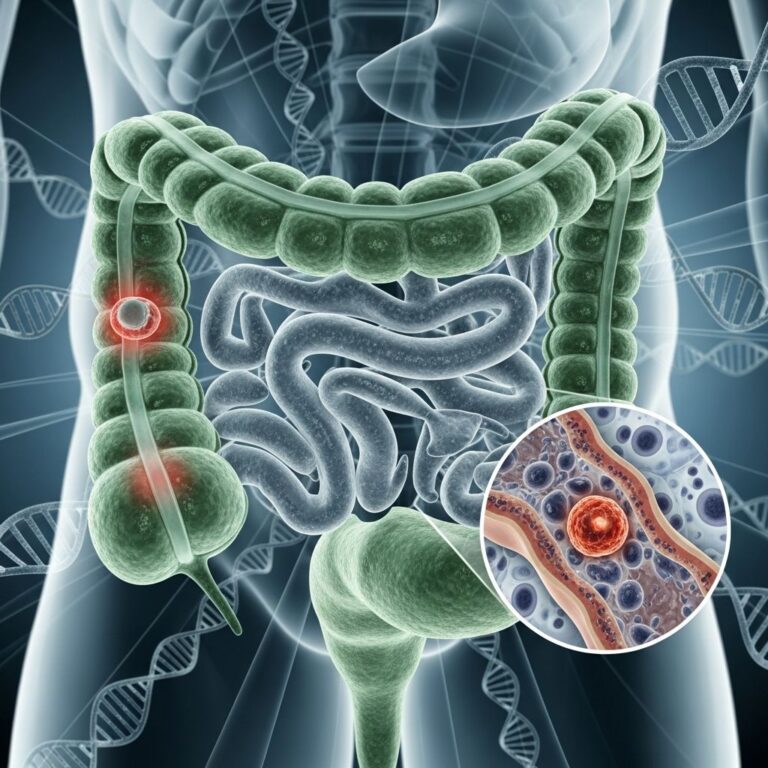
A significant number of people infected with VTEC O157 develop haemorrhagic colitis, a condition characterized by severe inflammation and bleeding of the large bowel (colon). This complication produces very bloody diarrhoea and can cause severe abdominal pain. Notably, fever is often absent with haemorrhagic colitis, which can make diagnosis more challenging.
Symptoms of haemorrhagic colitis can be severe for several days before gradually improving. In most cases, symptoms clear completely within two weeks. However, this condition can be particularly severe and occasionally fatal in vulnerable populations, including young children and elderly individuals who may have weakened immune systems or other underlying health conditions.
Related Stories



Haemolytic Uraemic Syndrome (HUS)
Between 1 and 2 in 10 people infected with VTEC O157 develop haemolytic uraemic syndrome (HUS), a potentially life-threatening complication triggered by the toxin produced by the bacteria. HUS typically develops about 7 to 10 days after diarrhoea begins and is most common in young children and elderly individuals.
HUS affects multiple organ systems and causes:
- Kidney failure, which can range from mild to severe
- Haemolytic anaemia, a type of anaemia caused by damage to red blood cells
- Thrombocytopenia, a dangerous reduction in platelets that can lead to spontaneous bleeding
The condition is serious, with approximately 1 in 10 children who develop HUS dying from the complication. Survivors may experience long-term kidney problems or other chronic health issues. The development of HUS represents a medical emergency requiring immediate hospitalization and intensive medical management.
E. Coli O157 Treatment
Currently, there is no cure for VTEC O157 infection. However, most cases resolve through supportive care as the immune system clears the bacteria. The approach to treatment depends on the severity of the infection and whether complications have developed.
Staying Hydrated
The cornerstone of treatment for VTEC O157 infection is maintaining proper hydration. Fluid loss through diarrhoea and vomiting can lead to dangerous dehydration, particularly in young children and elderly individuals. Patients are encouraged to drink plenty of fluids, and in severe cases where individuals cannot maintain adequate fluid intake orally, intravenous (IV) fluids administered through a drip may be necessary.
The type and amount of fluids consumed should be discussed with a healthcare provider, as special rehydration solutions may be recommended to replace lost electrolytes along with water.
Medicines and Antibiotics
Antibiotic medicines are notably not recommended for treating VTEC O157 infection. In fact, research has shown that administering antibiotics to patients with this infection may increase the risk of developing the serious complication of HUS. This counterintuitive finding has changed medical practice significantly, and antibiotics are now avoided in VTEC O157 cases.
Paracetamol can be safely used to help manage pain and reduce fever. However, anti-diarrheal medications should be avoided, as they slow the digestive system and may keep the bacteria in the bowel longer, potentially increasing toxin exposure and the risk of complications.
Hospital Care for Severe Cases
Patients who develop HUS or thrombotic thrombocytopenic purpura (TTP, a related condition) require specialist hospital care. Hospital treatment aims to control the effects of these serious conditions while the body’s immune system eliminates the toxin and bacteria. Hospital care may include:
- IV fluid replacement and monitoring
- Blood transfusions to address severe anaemia
- Kidney dialysis if kidney function is severely impaired
- Close monitoring of blood clotting and platelet counts
- Management of electrolyte balance
What is the Outlook (Prognosis)?
The prognosis for VTEC O157 infection varies widely depending on the individual and whether complications develop. Many infected people experience a nasty gut infection but recover completely within two weeks. However, those who develop HUS or TTP face a more prolonged and serious illness with potential long-term consequences.
While most people recover from uncomplicated VTEC O157 infection, some deaths have occurred from this infection in recent years, typically resulting from HUS or TTP complications. For example, a significant outbreak in Scotland in 1997 resulted in 20 deaths, highlighting the serious potential of this infection.
Recovery times vary, with uncomplicated cases typically resolving within two weeks, while complicated cases involving HUS or TTP may require extended hospitalization and convalescence lasting weeks or months.
Key Risk Factors and Vulnerable Populations
Certain populations face higher risks of severe complications from VTEC O157 infection:
- Young children, whose immune systems are still developing
- Elderly individuals with weakened immune responses
- People with compromised immune systems due to illness or medications
- Those with underlying kidney or gastrointestinal disorders
Close monitoring is particularly important in these populations, and healthcare providers should maintain a lower threshold for hospitalizing vulnerable patients.
Frequently Asked Questions
Q: How long does it take to show symptoms of VTEC O157 infection?
A: Symptoms can appear anywhere from 1 to 14 days after infection, but most commonly develop within 3 to 5 days. During the incubation period before symptoms appear, infected individuals may unknowingly transmit the bacteria to others.
Q: Why are antibiotics not used to treat VTEC O157?
A: Research has shown that antibiotics may actually increase the risk of developing hemolytic uraemic syndrome (HUS), a serious complication of VTEC O157 infection. Antibiotics do not appear to help treat the infection and may cause bacteria to release more toxin into the system.
Q: What should I do if I think I have VTEC O157 infection?
A: Contact your healthcare provider if you experience severe or bloody diarrhoea, particularly if it’s accompanied by severe abdominal pain, high fever, or if symptoms persist for more than a few days. Seek immediate medical attention if you develop signs of HUS, including decreased urination, pale appearance, or unusual bruising.
Q: Can VTEC O157 be prevented?
A: Prevention involves proper food handling practices, including cooking meat thoroughly, consuming pasteurized dairy products, thoroughly washing vegetables, and practicing good hand hygiene. Proper sanitation and avoiding cross-contamination in food preparation are essential preventive measures.
Q: What is hemolytic uraemic syndrome (HUS)?
A: HUS is a serious complication of VTEC O157 infection that affects the kidneys, red blood cells, and platelets. It causes kidney failure, destruction of red blood cells (haemolytic anaemia), and a dangerous reduction in platelets that can lead to bleeding. HUS develops about 7 to 10 days after diarrhoea begins and requires hospitalization.
Q: Who is most at risk for severe VTEC O157 infection?
A: Young children, elderly individuals, and people with weakened immune systems face higher risks of severe complications. These populations should receive prompt medical evaluation if they develop symptoms of VTEC O157 infection.
Q: How long does recovery take?
A: Uncomplicated gastroenteritis or haemorrhagic colitis typically resolves within two weeks. However, if HUS develops, recovery may take considerably longer, potentially requiring weeks or months of hospitalization and rehabilitation.
References
- E. Coli VTEC O157: Causes, Symptoms and Treatment — Patient.info. 2024. https://patient.info/infections/e-coli-vtec-o157
- Escherichia coli O157:H7 (E. coli O157) — Minnesota Department of Health. 2024. https://www.health.state.mn.us/diseases/ecoli/basics.html
- E. coli — Diagnosis and Treatment — Mayo Clinic. 2024. https://www.mayoclinic.org/diseases-conditions/e-coli/diagnosis-treatment/drc-20372064
- Shiga Toxin Producing Escherichia coli — Massachusetts Department of Public Health. 2024. https://www.mass.gov/info-details/shiga-toxin-producing-escherichia-coli
- E. coli (Diarrhea Causing) — Wisconsin Department of Health Services. 2024. https://www.dhs.wisconsin.gov/foodborne/ecoli.htm
- Treatment of E. coli Infection — Centers for Disease Control and Prevention. 2024. https://www.cdc.gov/ecoli/treatment/index.html
Similar Articles








Read full bio of medha deb