Eagle Syndrome: Causes, Symptoms, and Treatment
Complete guide to Eagle syndrome: understanding symptoms and exploring treatment options.
What Is Eagle Syndrome?
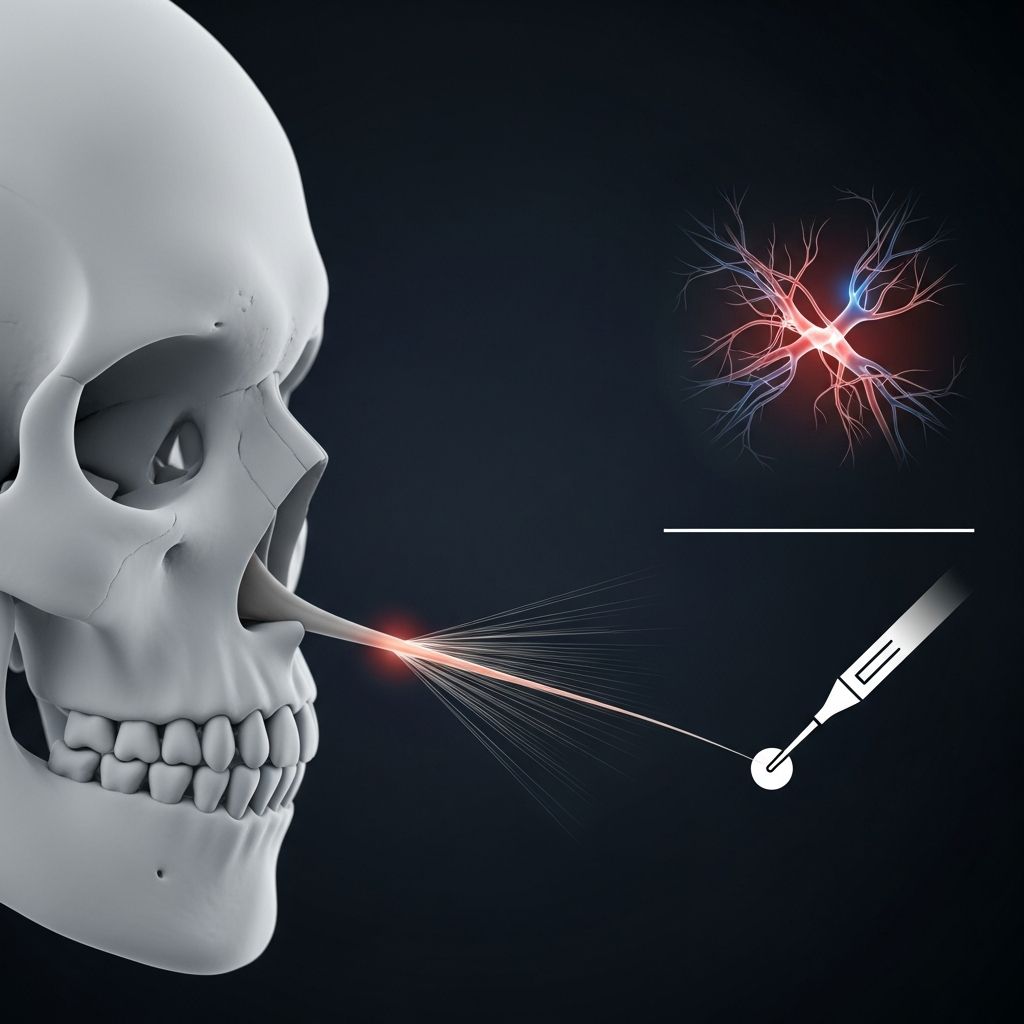
Eagle syndrome, also known as stylohyoid syndrome or styloid syndrome, is a rare condition that occurs when the styloid process becomes abnormally elongated or when the stylohyoid ligament calcifies. The styloid process is a small, pointed bone structure located at the base of the skull, just beneath the ear. While an elongated styloid process is found incidentally in approximately 4% of the general population, only about 4% of these individuals develop symptoms that can be attributed to the elongation. This means that Eagle syndrome is relatively uncommon, affecting less than 0.16% of the population with noticeable symptoms.
The condition creates various symptoms by compressing nearby nerves, blood vessels, and tissues in the head and neck region. Understanding the characteristics and manifestations of Eagle syndrome is essential for proper diagnosis and treatment, as it is often misdiagnosed or overlooked by healthcare providers.
Understanding the Styloid Process
The styloid process is a cone-shaped bony projection that extends from the temporal bone at the skull base. Normally, this structure measures between 2.5 to 3.0 centimeters in length. When the styloid process exceeds 3.0 centimeters, it is considered elongated and may potentially cause symptoms. The styloid process serves as an attachment point for several muscles and ligaments, including the stylohyoid ligament, which connects the styloid process to the hyoid bone in the neck.
When the styloid process becomes elongated or the stylohyoid ligament calcifies, these structures can irritate or compress nearby anatomical structures, leading to the diverse symptoms associated with Eagle syndrome. The exact mechanism by which symptoms develop can vary from patient to patient, depending on which structures are compressed or irritated.
Causes of Eagle Syndrome
Eagle syndrome develops through several possible mechanisms:
Elongated Styloid Process: The most common cause is an abnormal lengthening of the styloid process beyond its normal size range. This elongation may be congenital (present from birth) or develop over time.
Calcified Stylohyoid Ligament: The stylohyoid ligament, which normally remains soft and flexible, can undergo ossification or calcification. This hardening transforms the ligament into a rigid structure that can compress nearby tissues.
Reactive Hyperplasia: In some cases, trauma to the neck or throat region can trigger reactive hyperplasia, leading to overgrowth of the styloid process or ossification of the stylohyoid ligament complex.
Vascular Compression: The elongated styloid process can compress the internal carotid artery or internal jugular vein, potentially leading to serious complications such as transient ischemic attacks or restricted blood flow.
Nerve Compression: Compression of the sympathetic nerves running along the carotid artery can result in various neurological symptoms.
Symptoms of Eagle Syndrome
Eagle syndrome presents with a wide variety of symptoms that can be grouped into three main categories: vaso-occlusive, neuropathic, and pharyngeal symptoms.
Vaso-Occlusive Symptoms
These symptoms result from compression of blood vessels, particularly the internal jugular vein or carotid artery:
- Headaches
- Dizziness
- Confusion
- Lightheadedness
- Changes in vision
Neuropathic Symptoms
These symptoms arise from compression of cranial nerves:
- Headaches
- Neck pain
- Facial pain
- Ear pain
Pharyngeal Symptoms
These symptoms occur when the elongated styloid process or calcified stylohyoid ligament contacts pharyngeal muscles:
- Foreign body sensation in the throat
- Painful movement of the tongue
- Dysphagia (difficulty swallowing)
- Pain when turning the head to one side
Related Stories



Patients typically present with dull and throbbing pain that worsens with swallowing and can be reproduced by pressing on the tonsillar fossa area inside the throat. Additional symptoms may include ear pain, headache, tinnitus (ringing in the ears), facial pain, and discomfort while chewing. The pain often has a chronic, persistent quality that affects patients’ quality of life.
Diagnostic Challenges
Due to the wide variety of symptoms and the rarity of Eagle syndrome, patients often consult multiple medical specialists before receiving a correct diagnosis. Common specialists that patients are referred to include primary care physicians, dentists, neurologists, otolaryngologists, pain management specialists, and psychiatrists. This lengthy diagnostic journey often leads to misdiagnosis, as many conditions must be excluded before confirming Eagle syndrome.
Differential Diagnoses
Several other conditions present similarly to Eagle syndrome and must be ruled out:
- Dental malocclusion
- Temporomandibular joint (TMJ) syndrome
- Glossopharyngeal neuralgia
- Trigeminal neuralgia
- Chronic tonsillitis or pharyngitis
- Thyrohyoid syndrome
- Cluster headaches
- Temporal arteritis
The frequent misdiagnosis and multiple specialist consultations can lead to anxiety and depression in patients, sometimes creating a vicious cycle of psychological distress. In severe cases, the prolonged suffering without proper diagnosis may contribute to suicidal ideation. Recognizing the importance of diagnosing this uncommon disease is crucial for preventing such outcomes and delivering appropriate treatment.
Diagnosis of Eagle Syndrome
The diagnosis of Eagle syndrome involves both clinical evaluation and radiographic imaging. During the clinical examination, physicians assess the patient’s symptoms, medical history, and perform physical examination, including palpation of the tonsillar fossa and neck structures. The definitive diagnosis is confirmed through imaging studies such as computed tomography (CT) scans or cone-beam computed tomography (CBCT), which can visualize the elongated styloid process and calcified stylohyoid ligament.
Imaging studies demonstrate the characteristic features of Eagle syndrome: an elongated styloid process exceeding 3.0 centimeters in length and/or calcification of the stylohyoid ligament. These radiographic findings, combined with clinical symptoms, establish the diagnosis and help determine the severity of the condition.
Treatment Options
Once Eagle syndrome is correctly diagnosed, patients can proceed with appropriate treatment. Treatment decisions depend on the severity of symptoms and the patient’s medical history.
Conservative Medical Management
For patients with mild to moderate symptoms, conservative treatment is often the first approach. Medical management may include:
- Nonsteroidal anti-inflammatory drugs (NSAIDs) for pain relief
- Corticosteroids to reduce inflammation
- Muscle relaxants to alleviate tension and spasm
- Pain medications for symptom control
These medications can help manage symptoms and improve quality of life for some patients. However, if symptoms persist or worsen despite conservative treatment, surgical intervention may be necessary.
Surgical Treatment
The definitive treatment for refractory pain caused by Eagle syndrome is surgical intervention, specifically styloidectomy, which involves removal or shortening of the elongated styloid process. Two main surgical approaches are used: transcervical and transoral styloidectomy.
Transcervical Approach: This approach involves making an incision in the neck to access the styloid process. Approximately 57% of procedures use this method. The transcervical approach provides good visualization of the surgical field and allows for careful handling of nearby vascular and neural structures.
Transoral Approach: This approach involves accessing the styloid process through the mouth, without external incisions. About 43% of procedures use this method. The transoral approach offers the advantage of avoiding external scarring.
Research demonstrates that both transcervical and transoral styloidectomy are effective treatments for Eagle syndrome with minimal adverse effects. In a study of 21 patients who underwent surgical resection, most commonly experienced neck pain (81%), throat pain (62%), and ear pain (48%) before surgery. The procedures resulted in significant symptom improvement in the majority of patients.
Surgical Outcomes and Complications
Adverse events following styloidectomy are uncommon and typically resolve within three months. The most frequently reported side effects include first bite syndrome (experienced by 24% of patients) and numbness in the throat or neck area (reported by 19% of patients). First bite syndrome is a temporary condition characterized by pain when eating the first bite of food after surgery, which usually resolves spontaneously.
Patients with classic symptoms of neck or jaw pain benefit most from surgery. The procedure can provide significant relief from the chronic pain that has often plagued patients for years before diagnosis.
The Importance of Specialized Care
Because Eagle syndrome affects critical anatomical structures including cranial nerves and major blood vessels such as the internal jugular vein and carotid artery, surgical management requires specialized expertise. Surgeons experienced in head and neck surgical oncology and familiar with the intricate anatomy of this region are best equipped to perform styloidectomy safely and effectively. Such expertise ensures proper handling of these delicate structures and minimizes complications.
Living with Eagle Syndrome
Patients diagnosed with Eagle syndrome often have endured years of chronic pain before receiving an accurate diagnosis. This delayed diagnosis can significantly impact quality of life, psychological well-being, and social functioning. Understanding the condition and available treatment options provides hope and a pathway toward symptom relief. With proper diagnosis and appropriate treatment—whether conservative or surgical—most patients experience substantial improvement in their symptoms and return to normal daily functioning.
Frequently Asked Questions
Q: How common is Eagle syndrome?
A: Eagle syndrome is relatively rare. While an elongated styloid process occurs in about 4% of the general population, only approximately 0.16% of people develop symptoms associated with the condition.
Q: How long does it typically take to diagnose Eagle syndrome?
A: Diagnosis is often delayed because symptoms are diverse and resemble other conditions. Patients may see multiple specialists over several years before receiving a correct diagnosis. Early awareness of the condition among healthcare providers can help shorten this timeline.
Q: Can Eagle syndrome be treated without surgery?
A: Yes, conservative medical management with NSAIDs, corticosteroids, muscle relaxants, and pain medications can help manage symptoms in some patients. However, for those with severe or refractory symptoms that do not respond to conservative treatment, surgical intervention is typically necessary.
Q: What is the recovery time after styloidectomy surgery?
A: While specific recovery timelines vary, adverse events following styloidectomy typically resolve within three months. Most patients experience gradual improvement in symptoms during the recovery period.
Q: Are there any serious complications associated with Eagle syndrome?
A: In severe cases, compression of the internal carotid artery can potentially lead to transient ischemic attacks. However, such serious complications are relatively uncommon. Proper diagnosis and treatment help prevent these complications from developing.
References
- Eagle’s Syndrome: What is It and How is It Treated? — Ostrow School of Dentistry, University of Southern California. https://ostrowonline.usc.edu/eagles-syndrome/
- Eagle Syndrome Treatment | Styloidectomy Surgery for Symptoms — Eagle Syndrome Information. https://eaglesyndrome.com
- Surgical management of patients with Eagle syndrome — PubMed Central, National Center for Biotechnology Information. 2018. https://pubmed.ncbi.nlm.nih.gov/29764674/
- Rare Presentation of Eagle’s Syndrome as Bell’s Palsy — American Academy of Neurology, Neurology Journal. 2014. https://www.neurology.org/doi/10.1212/WNL.82.10_supplement.P7.023
Similar Articles








Read full bio of Sneha Tete