Ear Bleeding: Causes, Symptoms & Treatment
Understanding ear bleeding: causes, when to seek help, and effective treatment options.
Understanding Ear Bleeding (Otorrhagia)
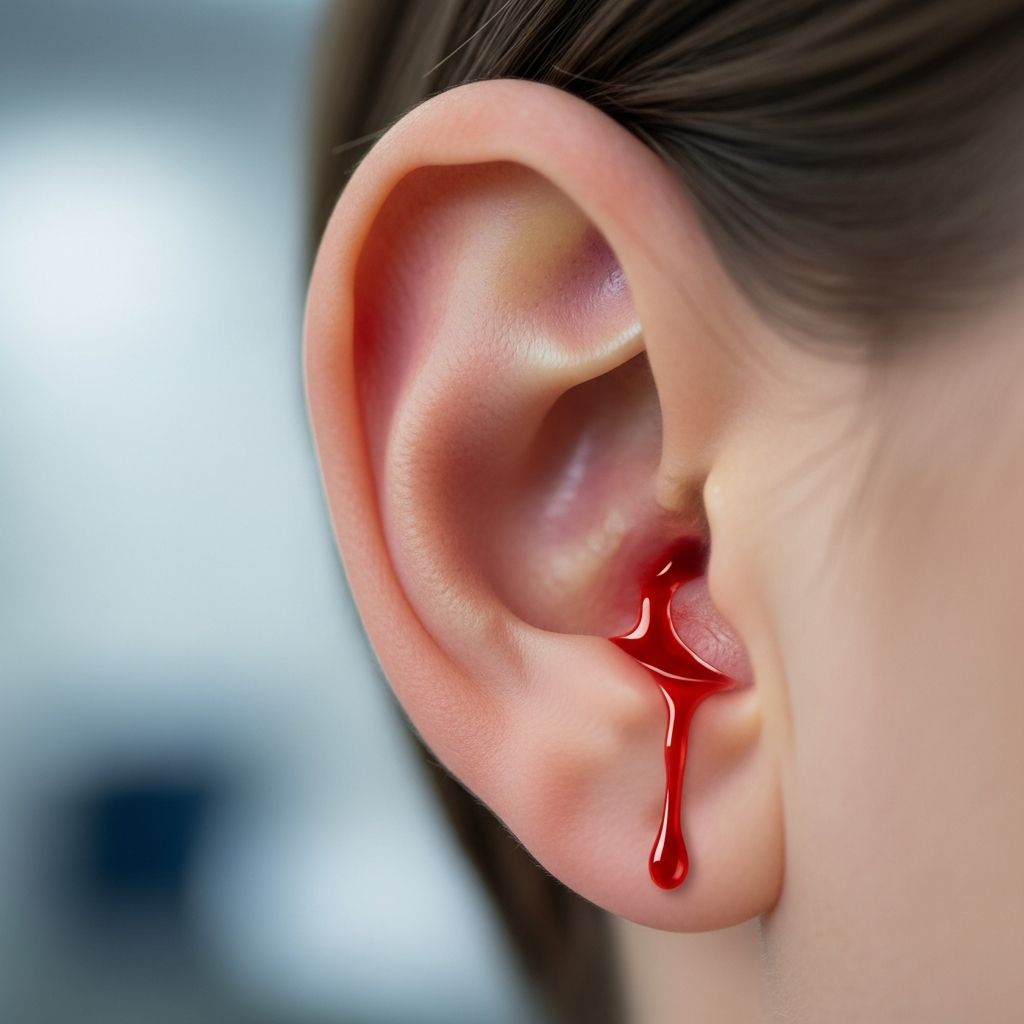
Ear bleeding, medically known as otorrhagia, refers to blood discharge from the ear canal. This condition is always a symptom of an underlying problem rather than a disease itself. Blood may appear as a small amount of discharge or more significant bleeding, and it requires proper medical evaluation to determine the root cause. The presence of blood in or from the ear should never be ignored, as it can indicate various conditions ranging from minor injuries to serious medical emergencies.
Understanding what causes ear bleeding and recognizing when professional medical care is needed can help prevent complications and ensure appropriate treatment. This guide provides comprehensive information about the causes, symptoms, and treatment options for ear bleeding.
Common Causes of Ear Bleeding
Ear bleeding can result from numerous different conditions affecting various parts of the ear structure. The causes range from minor, self-limiting injuries to serious conditions requiring urgent medical intervention.
Ear Canal Injuries
Superficial wounds and injuries to the ear canal are among the most common causes of ear bleeding. These injuries typically occur from:
– Aggressive ear cleaning or use of cotton swabs- Insertion of foreign objects into the ear canal- Ear piercing complications- Trauma from accidental impact or scratching
Most minor cuts and abrasions in the ear canal heal independently within a short period without requiring medical intervention.
Ruptured or Perforated Eardrum
A ruptured eardrum, also called a perforated tympanic membrane, occurs when the thin tissue separating the ear canal from the middle ear tears or punctures. This perforation can cause bleeding into the ear canal. Common causes of eardrum rupture include:
– Sudden pressure changes during air travel or diving- Head trauma or ear injuries- Insertion of sharp objects into the ear- Loud explosions or sudden loud noises- Middle ear infections creating pressure buildup
Most eardrum tears heal naturally within a few weeks. If your symptoms do not improve or the tear is severe, your doctor may apply a patch over the hole or recommend surgical repair using a tiny piece of your own skin to close the perforation.
Ear Infections
Various types of ear infections can lead to bleeding from the ear. These infections cause inflammation and can damage delicate ear structures:
Otitis Media (Middle Ear Infection)
Middle ear infections create fluid buildup and pressure behind the eardrum. This pressure can rupture the eardrum and cause bleeding. Symptoms of otitis media include ear pain, fever, hearing loss, and fluid drainage.
Myringitis
Myringitis is inflammation of the eardrum itself, often caused by viral or bacterial infection. This condition can result in blood or pus discharge from the ear.
Acute External Otitis (Swimmer’s Ear)
Infections of the outer ear canal, commonly called swimmer’s ear, can occasionally lead to bleeding if the infection causes significant inflammation or tissue damage.
Pressure-Related Injuries
Barotrauma occurs when rapid pressure changes affect the middle ear, such as during airplane travel or scuba diving. When pressure cannot equalize properly through the Eustachian tube, blood can accumulate in the middle ear. If severe, this may result in bleeding into the ear canal or require intervention such as pressure equalization (PE) tubes or tympanostomy tubes.
Related Stories



Head Trauma
Significant head injuries can cause bleeding from the ear, which may indicate serious complications including:
– Skull fractures- Inner ear damage- Temporal bone fractures- Potentially life-threatening brain injuries
Bleeding from the ear following head trauma requires immediate emergency medical evaluation.
Other Causes
Additional conditions that may cause ear bleeding include ear tumors, ear canal polyps, bleeding disorders, or complications following ear surgery where blood naturally collects during healing.
Symptoms Associated with Ear Bleeding
While blood discharge from the ear is the primary symptom, ear bleeding frequently occurs alongside other symptoms depending on the underlying cause:
– Ear pain ranging from mild to severe- Sudden hearing loss or decreased hearing- Feeling of fullness or pressure in the affected ear- Tinnitus or ringing in the ear- Dizziness or vertigo- Nausea or vomiting- Fever- Stuffy or blocked sensation in the nose and ear- Discharge that may be bloody, clear, or contain pus
When to Seek Medical Attention
Certain symptoms warrant immediate medical evaluation. Contact your doctor or seek emergency care if you experience:
– Severe ear pain- Dizziness, drowsiness, or disorientation- Vomiting- Nosebleed accompanying ear bleeding- Inability to follow movement with your eyes- Significant hearing loss- Head trauma preceding the ear bleeding- Altered state of consciousness or confusion- Bleeding that continues or worsens despite home care- Signs suggesting infection spreading (increasing pain, fever, discharge)
For less severe cases, contact your healthcare provider if bleeding does not stop within a few days or if you develop concerning symptoms.
Medical Diagnosis and Evaluation
Your healthcare provider will conduct a thorough evaluation to determine the cause of your ear bleeding. The diagnostic process typically includes:
Patient History
Your doctor will ask about the onset of bleeding, recent trauma, ear infections, pressure changes, or recent ear procedures.
Physical Examination
A visual inspection of the external ear and canal will be performed to identify visible injuries or infection.
Otoscopy
This procedure involves inserting a specialized viewing instrument (otoscope) into the ear canal to examine the eardrum and canal structures more closely. This allows your doctor to identify inflammation, perforation, infection, or other abnormalities.
Additional Testing
Depending on initial findings, your doctor may recommend:
– Imaging studies such as CT or MRI scans if head trauma is suspected- Hearing tests (audiometry) to assess hearing loss- Culture of ear drainage if infection is present- Tympanometry to evaluate middle ear function
Treatment Options for Ear Bleeding
Because ear bleeding is a symptom rather than a disease, treatment focuses on identifying and addressing the underlying cause. Once the cause is treated, the bleeding typically stops.
Watchful Waiting
For minor ear canal wounds or slight eardrum injuries, bleeding often resolves naturally within a short period. Your doctor may recommend simply monitoring the situation while keeping the ear clean and dry. Most minor lacerations heal without intervention.
Medication
Depending on the diagnosis, your doctor may prescribe:
– Anti-inflammatory medications: Reduce inflammation from infections or injury- Antibiotics or antivirals: Treat bacterial or viral infections causing bleeding- Pain relievers: Manage ear pain and discomfort- Decongestants: Open blocked Eustachian tubes and reduce pressure buildup- Antiemetics: Control nausea and vomiting if present
Surgical Intervention
Severe cases may require surgical treatment, including:
– Draining pooled blood from the outer ear through a small incision- Eardrum patching for persistent perforations- Tympanostomy tube placement to equalize pressure and drain fluid- Ossiculoplasty or other middle ear surgery for structural damage- Surgical repair for severe perforations or complex trauma
Home Care and First Aid for Ear Bleeding
If your ear is bleeding, follow these immediate steps:
Initial Response
– Stay calm: Avoid panic, as stress can exacerbate bleeding- Stop cleaning: Immediately discontinue any ear cleaning or manipulation- Apply gentle pressure: Use a clean cloth or sterile gauze to apply light pressure to the bleeding area for several minutes- Avoid irritants: Do not insert anything into the ear canal, including earphones, earbuds, or cleaning implements
Additional Care Measures
– Clean the area: Gently wipe away blood from around the ear with a clean cloth or tissue- Apply cold therapy: Wrap an ice pack in cloth and apply to the outside of the ear for 15-20 minutes to reduce swelling and help stop bleeding- Elevate your head: Keep your head elevated to reduce blood flow to the area- Keep the ear dry: Avoid water entering the ear during bathing or swimming- Apply antibiotic ointment: For minor cuts or abrasions, apply a small amount of topical antibiotic ointment to prevent infection- Rest and hydrate: Get adequate rest and drink plenty of fluids to support healing
Special Considerations for Infants and Young Children
If your baby has ear bleeding:
– Avoid inserting anything into the ear canal- Monitor closely for signs of discomfort, pain, or unusual behavior- Refrain from attempting earwax removal- Consult a pediatrician or healthcare provider for proper evaluation- Have your child’s ear examined to determine the cause and recommend appropriate treatment
Potential Complications of Untreated Ear Bleeding
If the underlying cause of ear bleeding is not properly treated, several serious complications can develop:
Infection-Related Complications
Untreated ear infections can lead to bone suppuration, causing damage to the skull and jaw bones. Infections can spread to surrounding structures and tissues, potentially resulting in serious systemic infection.
Trauma-Related Complications
Head injuries causing ear bleeding can result in:
– Complete hearing loss or profound hearing impairment- Skull fractures and their associated complications- Leakage of inner ear fluid- Neurological damage and cognitive impairment- Balance problems and vestibular dysfunction- Loss of consciousness or persistent altered mental status
Hearing and Balance Disorders
Untreated eardrum perforations or middle ear damage can cause permanent hearing loss and balance disorders affecting quality of life and safety.
Prevention of Ear Bleeding
While not all causes of ear bleeding can be prevented, certain precautions can reduce your risk:
– Avoid inserting objects into the ear canal, including cotton swabs used aggressively- Protect your ears during activities with pressure changes (air travel, diving)- Use proper ear protection during loud noise exposure- Treat ear infections promptly with medical care- Avoid aggressive ear cleaning- Use caution during water activities to prevent water from forcing into the ear canal- Wear appropriate protective equipment during activities with head injury risk- Seek immediate care for head trauma
Frequently Asked Questions
Q: Is ear bleeding always a sign of a serious condition?
A: Not necessarily. While ear bleeding should always be evaluated by a healthcare provider, causes can range from minor ear canal injuries that heal naturally to serious conditions requiring urgent treatment. Any ear bleeding warrants medical assessment to determine the cause.
Q: Can ear bleeding stop on its own?
A: Yes, minor ear bleeding from superficial wounds or small eardrum perforations often stops naturally within a short period. However, you should still monitor the situation and seek medical care if bleeding continues, worsens, or is accompanied by concerning symptoms.
Q: How long does it take for an eardrum to heal after rupture?
A: Most eardrum perforations heal naturally within 2-3 weeks. However, larger tears or perforations from severe trauma may take longer or require surgical repair.
Q: What should I do if I suspect my child has ear bleeding?
A: Do not attempt to investigate or clean the ear yourself. Contact your child’s pediatrician immediately for evaluation. Keep your child calm and avoid inserting anything into the affected ear until it has been examined by a healthcare professional.
Q: Can ear infections cause permanent hearing loss?
A: Most ear infections resolve without permanent damage. However, untreated infections or those causing significant eardrum perforation or middle ear damage can potentially result in permanent hearing loss. Prompt treatment minimizes this risk.
Q: When should ear bleeding be considered a medical emergency?
A: Seek immediate emergency care if ear bleeding follows head trauma, occurs with severe pain, dizziness, vomiting, altered consciousness, or if you experience neurological symptoms. These signs may indicate serious injury requiring urgent evaluation.
References
- Ear Infection (Otitis Media): Symptoms, Causes & Treatment — Cleveland Clinic. 2023-06-06. https://my.clevelandclinic.org/health/diseases/8613-ear-infection-otitis-media
- Ruptured Eardrum: Symptoms, Causes & Treatment — Cleveland Clinic. https://my.clevelandclinic.org/health/diseases/15581-ruptured-eardrum-acutely-perforated-tympanic-membrane
- Ear Injuries & Trauma — Cleveland Clinic. https://my.clevelandclinic.org/health/diseases/17574-ear-injuries-and-trauma
- Why Is My Ear Bleeding? — WebMD. https://www.webmd.com/cold-and-flu/ear-infection/ear-bleeding-causes
- Bleeding from the Ears: Understanding the Potential Risks — Traumatic Brain Injury (TBI). https://tbi.com/bleeding-from-the-ears-understanding-the-potential-risks-2/
Similar Articles








Read full bio of medha deb