Ear Candling Risks: Myths, Dangers, And Safer Ear Care
Discover why ear candling fails to clean ears and poses serious health dangers, backed by medical experts and studies.
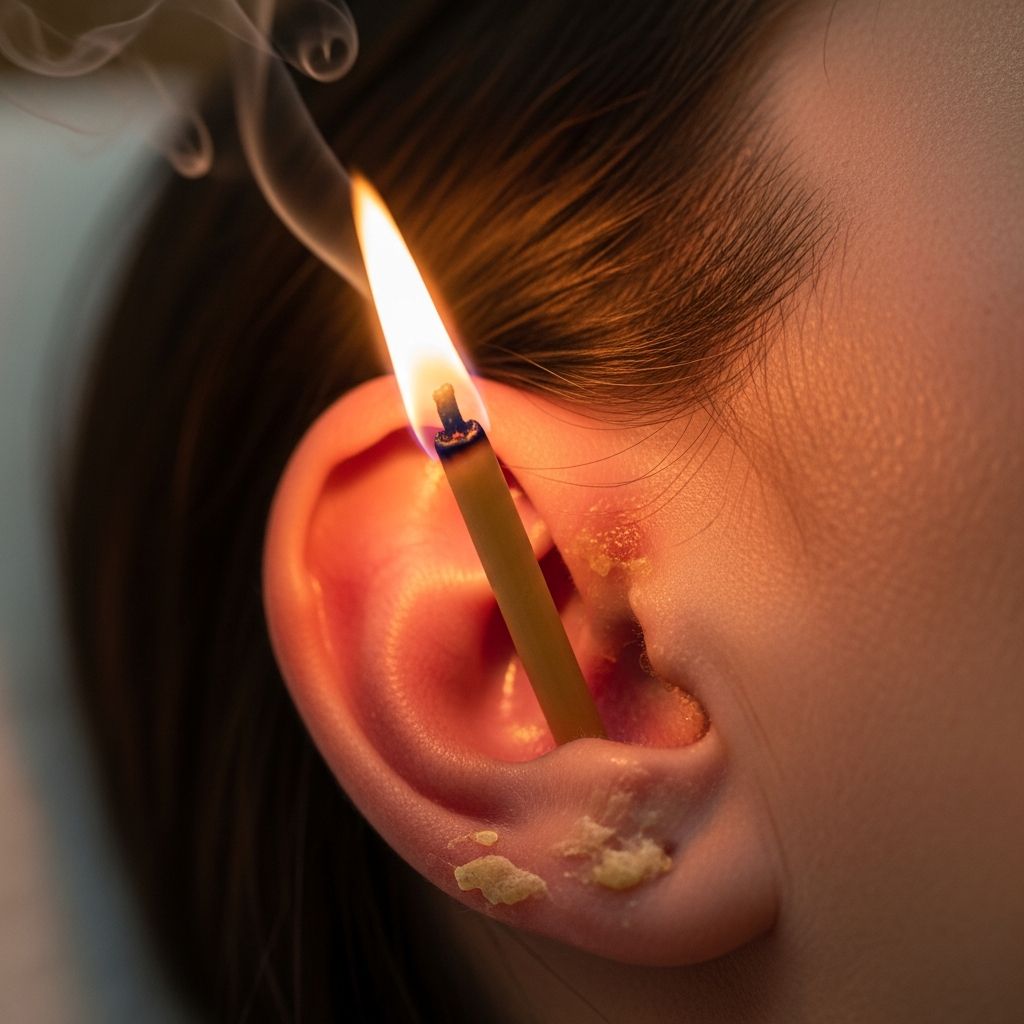
Ear candling involves inserting a hollow candle into the ear canal and lighting the opposite end, with proponents claiming it creates suction to extract wax, toxins, and impurities. However, extensive medical research and warnings from authorities like the FDA reveal this practice offers no benefits and carries substantial risks.
What Exactly Is Ear Candling?
Ear candles are typically long, cone-shaped devices made from fabric soaked in wax, often paraffin or beeswax, measuring about 10 inches in length. The narrower end is placed into the ear while the wider end is ignited. Advocates assert the rising heat generates a vacuum that pulls out earwax and other debris, supposedly improving hearing, relieving sinus pressure, and detoxifying the body. This method traces back to ancient practices but lacks any modern validation.
During the procedure, a person lies on their side with the candle inserted snugly into the ear canal, sometimes protected by a collar to catch drips. The candle burns for 10-20 minutes until it forms a visible residue at the bottom, which users interpret as extracted ear matter. In reality, scientific analysis shows this residue is solely from the candle itself.
The Science Behind Why It Doesn’t Work
Multiple studies confirm ear candling produces no suction or negative pressure in the ear canal. A key investigation using tympanometric measurements in an ear model found zero vacuum effect from burning candles. Instead of removing cerumen (earwax), the process can deposit candle wax deeper into the canal.
Clinical trials involving human subjects showed no earwax removal after candling eight ears. Otolaryngologists surveyed reported consistent failure to manage cerumen, with some cases worsening blockages. The FDA’s Division of Ophthalmic, Neurological and Ear, Nose and Throat Devices states there is no valid scientific evidence supporting medical benefits.
Any perceived soot or debris post-candling results from the candle’s combustion products, not ear contents. This misinterpretation fuels the myth, but physics and biology debunk it: the ear canal is not a sealed vacuum chamber, and flame heat dissipates without creating meaningful pull.
Documented Health Risks and Injuries
Ear candling poses immediate and severe hazards, even when instructions are followed precisely. The FDA has issued consumer alerts detailing injuries from burns to the face, scalp, ear canal, eardrum, and middle ear caused by hot wax or flame proximity.
- Burns: External skin burns from dripping molten wax or ash, affecting face, neck, and ears.
- Eardrum Perforation: Puncture from candle tips or hardened wax buildup.
- Wax Impaction: Candle debris pushes natural earwax deeper, blocking canals and impairing hearing.
- Infections: Introduction of bacteria leads to otitis externa (swimmer’s ear) or secondary complications.
- Hearing Loss: Temporary or prolonged due to blockages, trauma, or inflammation.
A survey of 122 otolaryngologists identified 21 serious injuries: 13 burns, 7 canal blockages, and 1 eardrum puncture, with 6 cases of temporary hearing loss. Case reports include a teenager suffering eardrum debris embedding after self-candling for allergies, requiring surgical extraction.
Additional dangers include bleeding, dizziness, vertigo, and rare house fires from unattended flames. Children and elderly individuals face amplified risks due to smaller canals and reduced mobility control.
Related Stories



Common Claims vs. Medical Reality
| Claimed Benefit | Scientific Reality |
|---|---|
| Removes earwax and toxins | No suction created; deposits wax instead |
| Improves hearing | Worsens blockages; no evidence of enhancement |
| Treats sinus issues, colds | No impact on sinuses; risks infection spread |
| Detoxifies body, clears mind | Pseudoscience; no biological mechanism |
| Relieves headaches, vertigo | Can induce dizziness; delays real treatment |
Health bodies like Health Canada and the American Academy of Otolaryngology unanimously reject these assertions, labeling candling ineffective for cerumen management.
Who Is Most Vulnerable?
Certain groups should avoid ear candling entirely. Children have narrower canals prone to blockages and move unpredictably, increasing burn chances. Older adults risk exacerbated balance issues from vertigo side effects. Those with ear infections, perforated drums, or implants face compounded dangers.
Pregnant individuals or anyone with facial hair may experience uneven burning. Even healthy adults encounter unpredictable wax drips, as manufacturer protections fail under real conditions.
Legal Status and Regulatory Actions
In the US and Canada, selling ear candles for medical purposes is illegal. The FDA prohibits imports and has seized products from manufacturers and “coning” practitioners. Warnings target retailers promoting unproven health claims. Similar bans exist in several countries recognizing the public health threat.
Safe and Effective Alternatives for Earwax Management
Earwax is self-regulating; most people never need intervention. Symptoms of impaction—pain, fullness, tinnitus, discharge—warrant professional evaluation, not home remedies.
- Over-the-Counter Drops: Carbamide peroxide softens wax for natural expulsion.
- Irrigation: Warm water flushing via bulb syringe after softening.
- Professional Microsuction: ENT specialists use gentle vacuum extraction.
- Curette Removal: Precise scraping under magnification for stubborn buildup.
Avoid cotton swabs, which compact wax. Consult audiologists or otolaryngologists for persistent issues. Preventive measures: stay hydrated, use olive oil drops weekly if prone to dryness.
Frequently Asked Questions (FAQs)
Is ear candling ever safe?
No, major health organizations deem it unsafe regardless of technique or practitioner.
Can ear candling help with tinnitus or hearing loss?
It cannot; blockages it causes may intensify these symptoms. Seek medical diagnosis.
What if I see wax in the candle afterward?
That’s candle residue only, confirmed by lab analysis in studies.
How do I safely remove earwax at home?
Use softening drops and irrigation; never insert objects. See a doctor if symptoms persist.
Why do some people swear by ear candling?
Placebo effect or misattribution; no objective improvements occur.
Key Takeaways for Ear Health
Ear candling exemplifies alternative therapy pitfalls: appealing promises without evidence. Prioritize science-backed methods to protect delicate ear structures. Regular check-ups with hearing professionals ensure optimal auditory health without unnecessary risks.
References
- The Dangers of Ear Candling — North Alabama ENT Associates. 2023. https://nalent.com/the-dangers-of-ear-candling/
- The Dangers of Ear Candling — Pinnacle ENT Associates. 2023. https://pentadocs.com/the-dangers-of-ear-candling/
- Ear Candles: Are They Safe To Use? — Advanced Hearing. 2023. https://advancedhearingdocs.com/ear-candles-are-they-safe-to-use/
- Ear Candling Is Both Ineffective and Unsafe — Cleveland Clinic. 2023-02-23. https://health.clevelandclinic.org/ear-candling
- Ear candling: Safety and side effects — Medical News Today. 2023. https://www.medicalnewstoday.com/articles/323685
- Ear candling — Public Health Sudbury & Districts. 2023. https://www.phsd.ca/professionals/owners-operators/personal-services-salons-tattoos-piercings-etc/ear-candling/
- Ear candles–efficacy and safety — PubMed (Laryngoscope study). 1996-10. https://pubmed.ncbi.nlm.nih.gov/8849790/
Similar Articles








Read full bio of Sneha Tete