Should You Try These Tools to Clean Your Ears?
Discover safe and effective ear cleaning methods while avoiding harmful tools and practices.
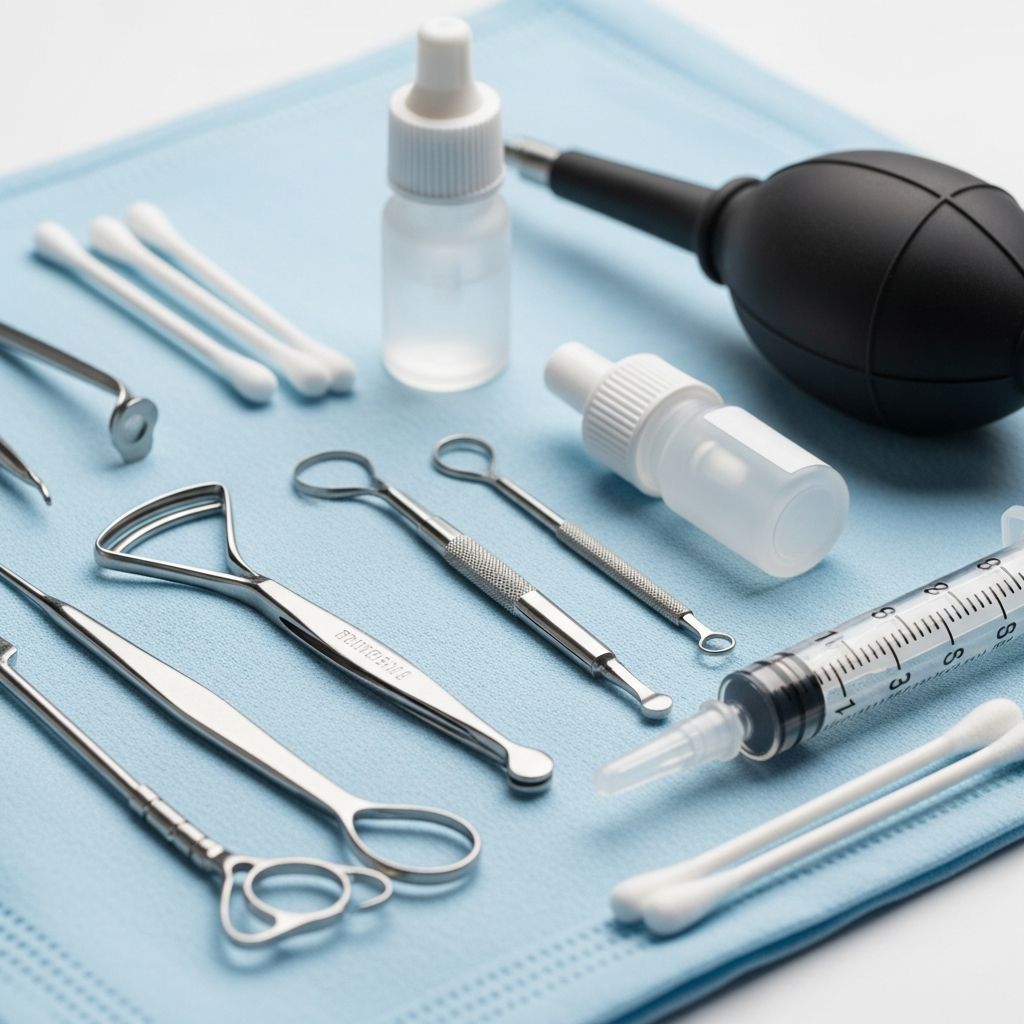
Earwax, medically known as cerumen, is a natural substance produced by glands in the ear canal. Despite its sometimes unpleasant reputation, earwax serves several important protective functions for your ears. It acts as a lubricant, traps dust and debris, prevents bacterial and fungal infections, and maintains the overall health of your ear canal. Most people do not need to actively clean their ears because they are self-cleaning organs. However, when earwax accumulates excessively, it can cause discomfort, hearing difficulties, and other complications. The challenge lies in knowing which cleaning methods and tools are safe and effective, and which ones can cause harm. This comprehensive guide explores various ear cleaning tools, their safety profiles, and evidence-based approaches to maintaining optimal ear health.
Understanding Earwax and Natural Ear Cleaning
The ear canal naturally migrates old earwax outward through normal movements like talking, chewing, and jaw exercises. This self-cleaning process means that for most people, no additional cleaning is necessary beyond gentle wiping of the outer ear with a soft cloth after bathing. The ear canal produces just the right amount of earwax to maintain protection without causing blockage. Problems typically arise when people attempt to clean the ear canal themselves using various tools, inadvertently pushing wax deeper into the canal or damaging delicate ear structures. Understanding this natural process is fundamental to appreciating why dermatologists, otolaryngologists, and other ear specialists consistently advise against most do-it-yourself ear cleaning methods.
Common Ear Cleaning Tools and Their Safety
Cotton Swabs and Q-Tips
Cotton swabs, particularly Q-tips, are among the most commonly used ear cleaning tools, despite widespread medical recommendations against them. A Harvard-trained physician warns that Q-tips cause more harm than help, as ears are naturally self-cleaning and inserting cotton swabs into the ear canal can push wax deeper, compact it, and potentially damage sensitive ear structures. The American Academy of Otolaryngology and other professional organizations consistently advise against using cotton swabs in the ear canal. Even when people believe they are removing wax, they are often impacting it further into the ear. Additionally, cotton swabs can cause small cuts or abrasions in the ear canal, which may lead to infections or discomfort. The risks significantly outweigh any perceived benefits.
Ear Candles
Ear candles, also known as ear coning, represent another popular home remedy that medical professionals strongly advise against. Despite claims that they can draw out earwax through a vacuum effect, scientific evidence does not support their effectiveness. More concerning are the safety risks associated with ear candles. They can cause burns to the ear canal and outer ear, create blockages rather than clear them, and potentially perforate the eardrum. Medical professionals universally recommend avoiding ear candles as a treatment option for earwax buildup or any ear-related concerns.
Hair Pins and Other Sharp Objects
Using hair pins, tweezers, paperclips, or other pointed metal objects to clean the ear canal is especially dangerous. These tools can easily puncture the delicate skin lining the ear canal, cause bleeding, and increase the risk of infections. They may also damage the eardrum if inserted too far, potentially causing permanent hearing loss. There is no safe way to use sharp objects for ear cleaning, and medical professionals strongly discourage this practice.
Oral or Electronic Jet Irrigators
Water flossers and oral jet irrigators designed for dental cleaning should never be used in the ear. The pressure from these devices can be too forceful for the delicate structures within the ear canal and may cause water to become trapped, leading to infections or damage to the eardrum. While professional irrigation performed by healthcare providers using appropriate pressure and technique is safe and effective, consumer-grade water pressure devices are not suitable for ear cleaning.
Safe and Effective Ear Cleaning Methods
Basic Home Care
The safest approach to ear cleaning at home involves minimal intervention. After showering or bathing, use a soft, damp cloth to gently wipe only the outer ear and the area around the ear canal opening. Avoid inserting anything into the ear canal itself. This simple practice removes visible debris without risking damage to internal ear structures. If you wear hearing aids, removing them for approximately eight hours daily (typically during sleep) can help reduce earwax buildup caused by the physical presence of the device in the ear canal.
Related Stories



Over-the-Counter Ear Drops
Over-the-counter ear drops containing cerumenolytic agents are among the most effective and safest methods for managing earwax buildup at home. These drops work by softening or dissolving earwax, making it easier for the ear’s natural cleaning process to function or for healthcare providers to remove it. Water-based cerumenolytics typically contain ingredients such as hydrogen peroxide, carbamide peroxide, acetic acid, docusate sodium, or sodium bicarbonate. Oil-based cerumenolytics commonly include peanut oil, olive oil, glycerin, or almond oil. According to clinical research, products containing sodium bicarbonate, olive oil, and water are all more effective than no treatment at clearing earwax. Most ear drops can be used up to five drops per dose, once or twice daily, for three to seven days. The drops should be placed in the affected ear while tilting your head, allowed to sit for several minutes, then the excess liquid drained by tilting your head in the opposite direction.
Professional Irrigation
Professional ear irrigation performed by a healthcare provider is a safe and highly effective method for removing stubborn earwax. The provider uses warm water or a mixture of warm water and hydrogen peroxide at body temperature, administering it through a syringe or specialized irrigation device. Wet irrigation is more effective than dry irrigation, and professional administration by a nurse or ear specialist is generally more effective than self-irrigation. The procedure typically takes only a few minutes and removes the wax safely without damaging ear structures. The key difference between professional irrigation and at-home water flosser use is that professionals understand the appropriate pressure, temperature, and technique required for safe ear cleaning.
Manual Removal by Specialists
Ear, nose, and throat (ENT) specialists and audiologists use specialized instruments to manually remove earwax safely. Using a tiny microscope for visualization and handheld instruments such as a speculum, curette, or alligator forceps, trained professionals can carefully extract earwax from the canal. This procedure is painless, takes only a few minutes, and is particularly suitable for cases where earwax buildup is severe or causes hearing loss. Endoscopic de-waxing techniques have been shown to be more effective than traditional microscopic approaches in clinical studies.
When to Seek Professional Help
You should consider seeing an ear specialist if earwax buildup causes hearing difficulties, ear pain, tinnitus, or a feeling of fullness in the ear. Additionally, if you have experienced ear surgery, have a perforated eardrum, or have chronic ear conditions, professional evaluation and care are recommended before attempting any home treatment. If earwax buildup is a frequent problem for you, your doctor may recommend preventive measures such as placing mineral oil in your ears for ten to twenty minutes once weekly to prevent excessive accumulation. Individuals who wear hearing aids should see their ear doctor approximately once or twice yearly to address any hearing aid-related wax buildup and ensure proper device function. If over-the-counter ear drops and home remedies fail to resolve symptoms after several days, professional assessment is warranted.
Comparison of Earwax Removal Methods
| Method | Safety Level | Effectiveness | Cost | Best For |
|---|---|---|---|---|
| Ear Drops (OTC) | Very Safe | Highly Effective | Low ($5-15) | Mild to moderate buildup |
| Professional Irrigation | Very Safe | Very Effective | Moderate ($50-150) | Stubborn or severe buildup |
| Manual Removal by ENT | Very Safe | Very Effective | Moderate ($50-200) | Complex cases, eardrum concerns |
| Cotton Swabs | Unsafe | Ineffective | Low ($1-3) | Not recommended |
| Ear Candles | Unsafe | Ineffective | Low ($3-10) | Not recommended |
Prevention Strategies for Earwax Buildup
The best approach to earwax management is prevention. Keep your ears dry by using earplugs or a swimming cap when bathing or swimming, as water can soften wax and contribute to buildup. Avoid inserting any objects into your ear canal, including cotton swabs, bobby pins, and other implements. If you wear hearing aids, ensure they fit properly and are removed regularly to allow the ear canal to dry. For individuals prone to earwax accumulation, your healthcare provider may recommend applying mineral oil to the ears periodically to keep wax at an optimal consistency. Additionally, avoid overcleaning your ears, as this can disrupt the normal ear environment and paradoxically lead to more buildup or irritation. Regular checkups with an audiologist or ENT specialist can help identify and address earwax issues before they cause problems.
Understanding Potential Complications
Excessive earwax buildup can lead to temporary conductive hearing loss, particularly in older adults or those with narrow ear canals. When wax completely blocks the ear canal, sound waves cannot travel to the inner ear, resulting in muffled hearing or difficulty understanding speech. Fortunately, once the blockage is removed through safe and effective methods, hearing typically returns to normal. In rare cases, earwax impaction can contribute to ear infections if the trapped wax creates a moist environment conducive to bacterial or fungal growth. Additionally, aggressive attempts at self-removal can cause perforations of the eardrum, leading to pain, infection, and potential permanent hearing damage. These complications underscore the importance of using safe removal methods and seeking professional help when needed.
Frequently Asked Questions
Q: Is it normal to have earwax?
A: Yes, earwax is completely normal and serves important protective functions. It lubricates the ear canal, traps debris, and prevents infections. Most people do not need to clean their ears actively.
Q: Can earwax cause hearing loss?
A: Yes, when earwax accumulates enough to completely block the ear canal, it can cause temporary conductive hearing loss. Once the blockage is removed through safe methods, hearing typically returns to normal.
Q: Are cotton swabs safe for ear cleaning?
A: No, cotton swabs are not recommended by medical professionals. They often push earwax deeper into the canal, can damage the ear canal lining, and may lead to impaction or infection.
Q: Are ear candles effective?
A: No, ear candles are ineffective and unsafe. Medical professionals do not recommend them because they do not remove earwax as claimed and can cause burns, blockages, or eardrum damage.
Q: What ingredients should I look for in ear drops?
A: Look for water-based drops containing hydrogen peroxide, carbamide peroxide, acetic acid, docusate sodium, or sodium bicarbonate, or oil-based drops with peanut oil, olive oil, glycerin, or almond oil.
Q: How often should I see an ear specialist?
A: If you have no ear problems, seeing an ear specialist once or twice yearly is reasonable. If you wear hearing aids or have frequent wax buildup, more frequent visits may be beneficial.
Q: Can I use a water flosser to clean my ears?
A: No, oral or electronic jet irrigators should never be used in the ear. The pressure can be too forceful and damage delicate ear structures. Only professional-grade irrigation systems used by healthcare providers are appropriate.
References
- The safety and effectiveness of different methods of earwax removal — National Center for Biotechnology Information (NCBI), PubMed. 2010. https://pubmed.ncbi.nlm.nih.gov/20546687/
- Cleaning Your Ears: When, Why, and How to Do It — WebMD. https://www.webmd.com/skin-problems-and-treatments/how-to-clean-your-ear
- Effective Ear Wax Removal: Pain-Free Tips to Manage Build-Up — Sleep and Sinus Centers. https://www.sleepandsinuscenters.com/blog/effective-ear-wax-removal-pain-free-tips-to-manage-build-up
- Harvard doctor warns: The tiny habit that could cost us our hearing — Times of India. https://timesofindia.indiatimes.com/life-style/health-fitness/health-news/harvard-doctor-warns-the-tiny-habit-that-could-cost-us-our-hearing/articleshow/125239008.cms
Similar Articles








Read full bio of medha deb