Understanding Ear Discharge: Causes and Management
Learn what causes ear drainage and how to treat it effectively
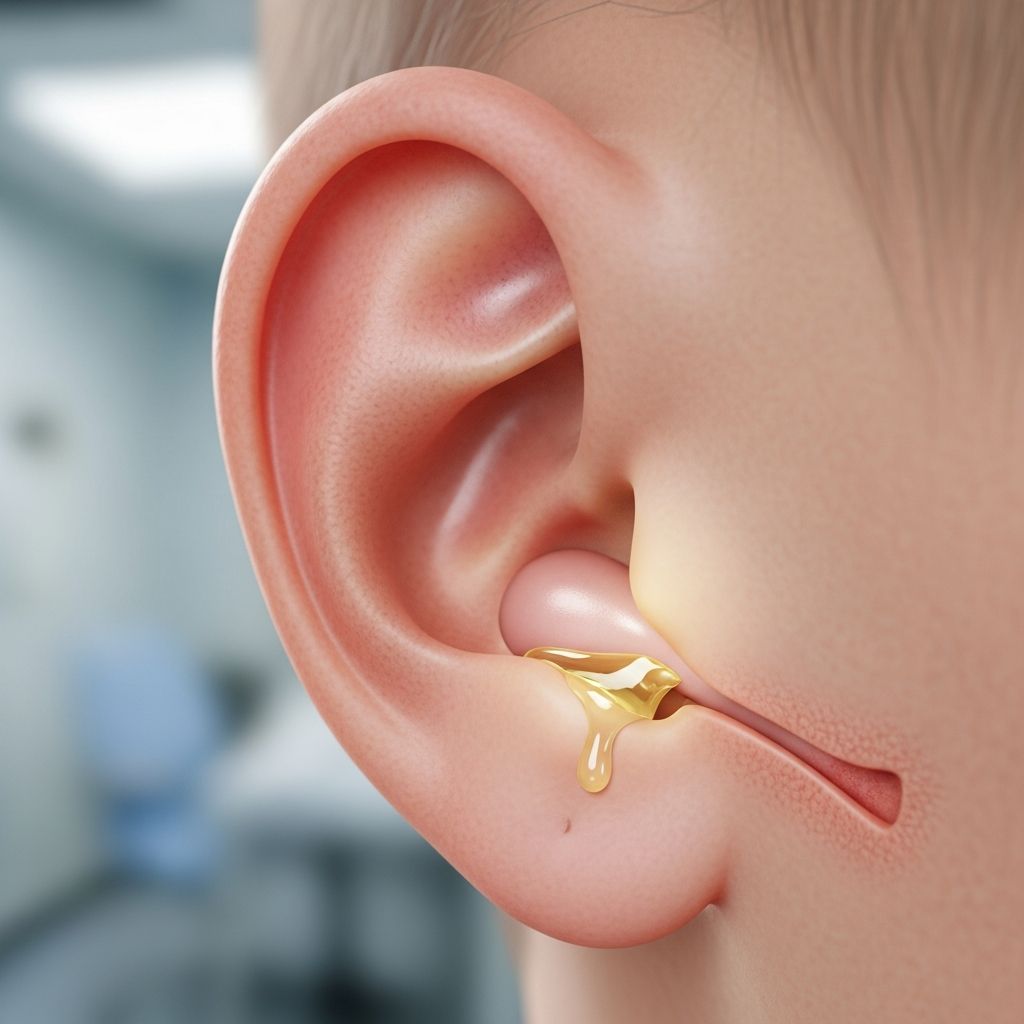
Experiencing fluid leaking from your ear can be concerning, but ear discharge is a relatively common occurrence that affects many people. The medical term for this condition is otorrhea, which describes any fluid emanating from the ear canal. While some ear drainage is completely normal—such as the natural earwax your body produces—other types of discharge may indicate an underlying health issue requiring attention. Understanding the various causes, recognizing accompanying symptoms, and knowing when to consult a healthcare professional can help you manage this condition effectively.
What is Normal vs. Abnormal Ear Discharge?
Your ears naturally produce earwax, a waxy substance that serves an important protective function. This natural secretion contains oils that prevent dust, bacteria, and other particles from entering the ear canal. However, when discharge appears thick, discolored, foul-smelling, or accompanied by pain or hearing loss, it typically signals a problem that warrants medical evaluation.
The characteristics of abnormal discharge can vary widely depending on its underlying cause. Some people experience clear or bloody fluid, while others notice yellowish, greenish, or even dark-colored drainage. The appearance, consistency, and odor of the discharge can provide important clues about what’s happening in your ear.
Primary Causes of Ear Drainage
Infections of the External Ear Canal
External ear infections, medically known as otitis externa, occur when bacteria or fungi colonize the outer ear canal. This condition is particularly common in individuals who spend considerable time in water, earning it the popular name “swimmer’s ear.” Prolonged moisture in the ear canal creates an ideal environment for microbial growth, leading to inflammation and fluid discharge. Activities like swimming, bathing, or even excessive ear cleaning with cotton swabs can introduce water or cause minor trauma that enables infection to develop.
Middle Ear Infections
Middle ear infections, or otitis media, represent one of the most frequent causes of ear discharge. This condition occurs when viruses or bacteria invade the space behind the eardrum, causing fluid accumulation. When the pressure from this buildup becomes excessive, the eardrum may rupture, allowing pus-like discharge to drain from the ear. Middle ear infections are particularly prevalent in children under five years of age, though they can affect people of any age.
Eardrum Perforation
A perforated or ruptured eardrum can result from infection, trauma, or sudden pressure changes. When the eardrum tears, it allows fluid from the middle ear to drain through the ear canal. The discharge may appear clear, whitish, or slightly bloody depending on the underlying cause. Interestingly, while a perforated eardrum sounds alarming, many ruptures heal naturally without intervention, though medical monitoring remains important.
Earwax Accumulation and Blockage
Excessive earwax buildup, a condition where cerumen accumulates abnormally in the ear canal, can lead to irritation and secondary infection. When earwax becomes impacted, it may trap moisture and bacteria, potentially resulting in discharge. Some individuals naturally produce more earwax than others, and certain activities or habits can exacerbate accumulation.
Foreign Objects and Trauma
Inserting objects into the ear—whether cotton swabs, hearing aids, or other items—can cause microscopic tears or introduce bacteria. Such trauma may trigger an inflammatory response or infection, resulting in discharge. Even well-intentioned ear cleaning efforts can damage the delicate ear canal lining.
Related Stories



Dermatological Conditions
Skin conditions affecting the ear area, including eczema and dermatitis, can produce flaky, weeping discharge. These conditions cause inflammation of the skin lining the ear canal, leading to moisture and mild drainage. Allergic reactions may similarly trigger increased ear secretions.
Recognizing Associated Symptoms
Ear discharge rarely occurs in isolation. Several accompanying symptoms often develop depending on the underlying cause:
- Ear pain or discomfort: Ranges from mild itching to severe pain, potentially worsening with movement or touch
- Hearing difficulties: Temporary hearing loss occurs when discharge or swelling blocks the ear canal
- Sensation of fullness: A feeling that the ear is blocked or pressurized
- Itching and irritation: Inflammation of the ear canal triggers persistent itching
- Fever and chills: Particularly common with bacterial infections, indicating systemic infection
- Dizziness or balance problems: May occur if infection affects the inner ear structures responsible for balance
- Odor: Discharge may have an unpleasant smell, particularly with fungal infections or significant bacterial overgrowth
Special Considerations for Children
Children experience ear discharge at higher rates than adults, with middle ear infections being the predominant cause. Young children may struggle to communicate their symptoms effectively, so parents should watch for behavioral signs such as ear tugging, increased crying, or sleep disturbances. Prompt treatment of ear infections in children is essential to prevent complications and hearing impairment during critical developmental years.
Fungal Infections and Uncommon Discharge Types
While bacterial infections are most common, fungal infections can also cause ear discharge. Fungal otitis externa typically produces dark-colored discharge, sometimes appearing black. These infections thrive in warm, humid environments and may develop after antibiotic use eliminates competing bacteria. Antifungal medications prove more effective than antibiotics for these infections.
Treatment Approaches
Antibiotic Therapy
When bacterial infection causes discharge, healthcare providers typically prescribe antibiotics. These medications may be administered orally for middle ear infections or applied topically as ear drops for external infections. Common antibiotics include ampicillin, cephalosporins, and mupirocin for surface-level infections. Completing the full course of antibiotics is crucial for eliminating infection and preventing recurrence.
Antifungal Medications
Fungal infections require specialized treatment with antifungal ear drops containing medications such as natamycin, clotrimazole, or ketoconazole. These formulations specifically target fungal organisms and prevent their reproduction. Antifungal treatment typically continues for a specified duration to ensure complete eradication.
Anti-Inflammatory and Pain Management
Over-the-counter pain relievers like ibuprofen or acetaminophen help manage discomfort associated with ear discharge. For more severe cases, stronger anti-inflammatory medications may be prescribed. Applying warm compresses to the affected ear can also provide symptomatic relief.
Professional Ear Cleaning
Healthcare providers may perform professional ear cleaning, irrigation, or microsuction to remove accumulated discharge, earwax, or fluid. This procedure improves medication effectiveness and accelerates healing by eliminating debris that may harbor bacteria or impede treatment.
Complementary Approaches
In some situations, natural oils such as tea tree oil or olive oil may be recommended to soften earwax or soothe irritation. However, these should be used only as complementary treatments alongside primary medical therapy, never as replacements for professional care.
When to Seek Professional Medical Care
While some cases of ear discharge resolve independently, certain situations require prompt medical evaluation:
| Symptom or Situation | Urgency Level | Action Recommended |
|---|---|---|
| Thick, colored, or foul-smelling discharge lasting more than a few days | High | Schedule appointment with healthcare provider |
| Discharge accompanied by severe pain or fever | Very High | Seek immediate medical attention |
| Hearing loss accompanying discharge | High | Contact ENT specialist or primary care physician |
| Bloody or suspected CSF discharge after head injury | Critical | Seek emergency medical care |
| Discharge following recent ear infection or injury | Moderate | Consult healthcare provider for assessment |
| Persistent dizziness with discharge | High | See healthcare provider for evaluation |
Prevention Strategies
Protect ears during water activities: Use properly fitting earplugs when swimming or showering to prevent water from entering the ear canal. Dry ears thoroughly after water exposure using a clean towel or a hair dryer on low heat held at a distance.
Avoid trauma to the ear: Refrain from inserting cotton swabs, hairpins, or other objects into the ear canal. These items can damage the sensitive skin lining and introduce bacteria.
Practice proper hearing aid hygiene: If you wear hearing aids, ensure they fit correctly and maintain proper cleaning protocols. Improper insertion or poor hygiene can lead to ear canal irritation and infection.
Manage earwax appropriately: Avoid aggressive earwax removal. If earwax accumulates excessively, consult a healthcare provider for professional cleaning rather than attempting removal yourself.
Address underlying skin conditions: Treat eczema, dermatitis, or other skin conditions affecting the ear area promptly to prevent secondary infections.
Understanding Rare but Serious Causes
While uncommon, several serious conditions can present with ear discharge. Necrotizing otitis externa is a severe, progressive infection that requires aggressive antibiotic treatment. Cholesteatoma, a noncancerous growth of skin material in the middle ear, can cause chronic drainage and hearing loss. Skull fractures with cerebrospinal fluid leakage represent a medical emergency. These conditions underscore the importance of seeking professional evaluation rather than assuming discharge is minor.
Frequently Asked Questions
Is ear discharge always a sign of infection?
No. While infections are common causes, discharge can also result from eardrum perforation, earwax impaction, skin conditions, or trauma. However, any unusual discharge warrants professional evaluation to determine the cause.
Can ear discharge clear up without medical treatment?
Some cases of minor ear discharge may resolve independently, particularly if caused by temporary inflammation or minor water exposure. However, persistent discharge or discharge accompanied by pain, fever, or hearing loss requires professional treatment.
How long does it take to recover from ear discharge?
Recovery time varies depending on the underlying cause. Acute infections may improve within days to weeks with appropriate treatment, while chronic conditions may require longer management.
What does the color of ear discharge indicate?
Color can provide diagnostic clues: clear discharge may indicate eardrum perforation or serous otitis media; yellow or green discharge typically suggests bacterial infection; dark or black discharge often indicates fungal infection. However, only professional examination can confirm the cause.
Can I continue swimming with ear discharge?
No. Water exposure should be avoided while experiencing discharge, as it can worsen infection and delay healing. Protect ears carefully during bathing and wait until fully healed before resuming swimming.
Conclusion
Ear discharge represents a symptom requiring investigation and appropriate management rather than a condition to ignore. While many cases result from treatable infections or temporary conditions, timely professional evaluation ensures accurate diagnosis and prevents complications. By understanding the various causes, recognizing associated symptoms, and knowing when to seek care, you can effectively manage this common condition and maintain ear health. If you experience discharge lasting more than a few days or accompanied by pain, hearing loss, or fever, contact a healthcare provider promptly for proper assessment and treatment.
References
- Ear Discharge: Causes, Symptoms, Treatment and Prevention — Dr. Saeedi. https://drsaeedi.com/blog/ear-discharge
- Ear Discharge: Causes, Symptoms & Treatment – Leightons — Leightons. https://www.leightons.co.uk/blogs/hearing-symptoms/understanding-ear-discharge-causes-symptoms-and-when-to-seek-help
- Ear Discharge: Causes, Treatments, and Prevention — Healthline. https://www.healthline.com/health/ear-discharge
- Ear Discharge – Ear, Nose, and Throat Disorders — MSD Manuals. https://www.msdmanuals.com/home/ear-nose-and-throat-disorders/symptoms-of-ear-disorders/ear-discharge
- Ear Infection (Middle Ear) – Symptoms & Causes — Mayo Clinic. https://www.mayoclinic.org/diseases-conditions/ear-infections/symptoms-causes/syc-20351616
- Ear Infection (Otitis Media): Symptoms, Causes & Treatment — Cleveland Clinic. https://my.clevelandclinic.org/health/diseases/8613-ear-infection-otitis-media
- Ear Discharge (Otorrhea) — Specsavers UK. https://www.specsavers.co.uk/ear-health/otorrhea
Similar Articles








Read full bio of Sneha Tete