Ear Drops: Types, Uses & Treatment Guide
Complete guide to ear drops: types, uses, application methods, and safety information.
Understanding Ear Drops: A Complete Guide
Ear drops are liquid medications designed specifically for use inside your ear canal. These topical treatments offer targeted relief for various ear conditions, including pain, inflammation, infection, and earwax buildup. Whether prescribed by a healthcare provider or purchased over-the-counter, ear drops represent an effective and direct method of delivering medication where it’s needed most. Understanding how to use them properly and safely is essential for achieving the best results and preventing complications.
What Are Ear Drops?
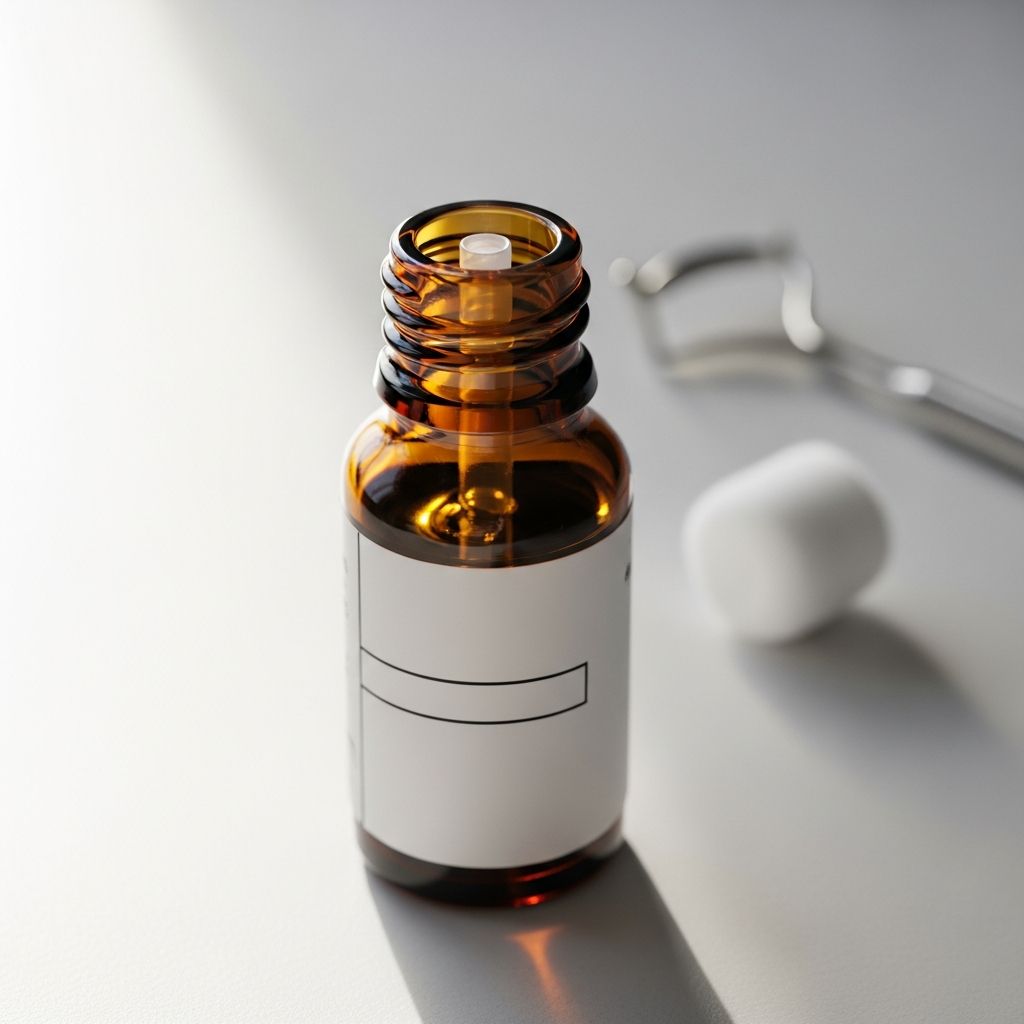
Ear drops are liquid pharmaceutical formulations that you instill directly into your ear canal. Unlike oral medications that must travel through your digestive system, ear drops work locally within the ear, allowing for faster relief and higher concentrations of active ingredients at the site of the problem. These medications come in small bottles with dropper applicators, making them easy to administer at home following your healthcare provider’s instructions.
Types of Ear Drops
Different ear conditions require different types of medications. Your healthcare provider will recommend the appropriate ear drops based on your specific diagnosis and symptoms.
Antibiotic Ear Drops
Antibiotic ear drops are used to treat bacterial ear infections. Common antibiotic ear drop solutions include ciprofloxacin and ofloxacin, which target harmful bacteria causing infection in the ear canal or middle ear. These drops are particularly effective for conditions like swimmer’s ear caused by bacterial pathogens. Your healthcare provider may recommend specific antibiotic drops based on the type of bacteria identified through examination or culture.
Antifungal Ear Drops
Fungal ear infections require antifungal medications. Antifungal ear drops such as fluconazole and clotrimazole can treat many types of fungal ear infections, commonly known as otomycosis. If you suspect a fungal infection, your provider may also recommend aluminum acetate or acetic acid ear drops to reduce inflammation in the ear canal alongside antifungal treatment.
Corticosteroid Ear Drops
Corticosteroid ear drops help reduce inflammation and itching associated with various ear conditions. Common corticosteroid ear drops include hydrocortisone and fluocinolone. These medications are particularly useful when inflammation is the primary concern, and they’re often combined with anti-infective medications for comprehensive treatment of infected and inflamed ears.
Combination Ear Drops
Many ear drops combine multiple active ingredients for enhanced therapeutic effect. For example, some formulations contain chloroxylenol, hydrocortisone, and pramoxine, combining an antimicrobial agent with an anti-inflammatory corticosteroid and a local anesthetic for pain relief. These combination products address multiple aspects of ear disease simultaneously.
Earwax Removal Drops
Over-the-counter ear drops designed for earwax removal typically contain isopropyl alcohol or glycerin. These products help dry out excess moisture and soften earwax buildup. For small amounts of wax, over-the-counter ear cleaners containing hydrogen peroxide or other peroxides work effectively. However, you should talk to your healthcare provider before using earwax removal drops, especially if you have a history of ear problems.
Related Stories



Common Uses for Ear Drops
Treatment of Swimmer’s Ear
Swimmer’s ear, clinically known as otitis externa, occurs when water trapped in the ear canal creates an environment for bacterial growth. To treat swimmer’s ear, your healthcare provider may recommend ear drops that contain antifungal or antibiotic medications combined with topical steroid ear drops to relieve inflammation and itching. Over-the-counter ear drops can also help dry out your ears more quickly after exposure to water. If your symptoms worsen after using over-the-counter swimmer’s ear drops, notify your healthcare provider immediately.
Infection Management
Whether bacterial or fungal, ear infections respond well to targeted antibiotic or antifungal ear drops. If you have an infection with accompanying itching, your provider will prescribe drops containing both anti-infective medications and corticosteroids for complete symptom management. It’s crucial to complete the full course of prescribed medication even if your condition appears to improve.
Inflammation and Itching Relief
If you experience itchy ears without infection, corticosteroid ear drops can effectively ease your symptoms. These prescription-only medications reduce inflammation and provide relief from persistent itching that over-the-counter products cannot address.
Earwax Blockage
Earwax buildup can cause hearing difficulties and discomfort. Specialized earwax removal drops can help soften and facilitate removal of excess wax. However, these products may not be effective if you have excessive earwax or a condition called impacted cerumen, where a firm wax plug completely blocks your ear canal.
How to Properly Apply Ear Drops
Correct application technique is essential for ear drop effectiveness and safety. Following these steps ensures maximum therapeutic benefit:
Preparation
Begin by washing your hands thoroughly with soap and water. Carefully clean your ear with a dry cotton swab, removing any visible debris from the outer ear only. Never insert objects into your ear canal. Next, gently warm the bottle by holding it in your hand for one to two minutes, as cold ear drops can cause dizziness and discomfort.
Positioning
Lie down on your side with the affected ear facing upward. This positioning allows the drops to flow directly into the ear canal by gravity. Maintain this position throughout the application process and for the time specified in your medication instructions.
Application
Avoid touching the dropper tip to your ear, fingertips, or any other surface to prevent contamination. For ear canal infections, gently pull the outer ear upward and backward to help the drops flow down into the ear canal. For middle ear infections, press the skin-covered cartilage in the front part of the ear four times in a pumping motion to allow the drops to pass through the hole or tube in the eardrum. Squeeze the bottle gently to instill the prescribed number of drops.
Dwell Time
Stay in the lying position for 30 to 60 seconds to allow the drops to soak into the ear, or for the duration specified by your healthcare provider. For certain medications like ofloxacin, maintain the position for approximately five minutes to ensure the drops remain in the ear.
Completion
If both ears require treatment, repeat these steps for the opposite ear. Wash your hands again after application. Some products come with an ear syringe for rinsing your ear canals with warm water after the medication has time to work.
Duration of Treatment
The duration of ear drop treatment varies depending on your specific condition and the type of medication prescribed. Ask your healthcare provider exactly how many days you’ll need to use the ear drops and follow the instructions on the packaging closely. Importantly, complete the full course of medication prescribed by your care team even if your condition appears to improve. Premature discontinuation can allow infections to resurface or persist.
Safety Considerations
Ruptured Eardrum Warning
Never use ear drops if you have a ruptured eardrum. If your eardrum has a hole in it, medication can penetrate into your middle or inner ear and cause serious complications. Inform your healthcare provider immediately if you suspect you have a ruptured eardrum before using any ear drops.
Keeping Ears Clean and Dry
A dry ear is unlikely to become infected, so dry your ears thoroughly after swimming or bathing. When undergoing ear drop treatment, keep your infected ear clean and dry. During bathing, try not to get the infected ear wet, and avoid swimming unless your healthcare provider has explicitly approved it.
When to Seek Medical Help
Some bacterial ear infections may resolve on their own. However, you should see a healthcare provider if your symptoms don’t improve within three days or if symptoms become severe. Additionally, tell your care team immediately if your symptoms do not start to improve or if they worsen while using ear drops.
Over-the-Counter vs. Prescription Ear Drops
Over-the-counter ear drops typically address moisture and earwax issues and include products with isopropyl alcohol or glycerin. These are suitable for preventive care and mild conditions. Prescription ear drops, however, contain active pharmaceutical ingredients targeting specific infections or conditions. Corticosteroid ear drops for itching are available only with a prescription. Your healthcare provider will determine which type of ear drop is appropriate for your condition.
Frequently Asked Questions
Q: Can I use someone else’s ear drops?
A: No. Never share ear drops with another person. Ear infections and conditions are often specific to each individual, and using someone else’s medication could worsen your condition or spread infection.
Q: What should I do if I miss a dose?
A: If you miss a dose, use it as soon as you remember unless it’s almost time for your next scheduled dose. Do not double up on doses. Follow your healthcare provider’s specific instructions regarding missed doses.
Q: Are there side effects from ear drops?
A: Most people tolerate ear drops well when used as directed. However, some individuals may experience temporary irritation, itching, or redness. If you experience unusual symptoms or allergic reactions, contact your healthcare provider immediately.
Q: How do I store ear drops?
A: Store ear drops at room temperature in a cool, dry place unless otherwise directed on the label. Keep the bottle tightly closed to prevent contamination. Check the expiration date before use.
Q: Can I use ear drops if I have tubes in my ears?
A: Ear tubes sometimes allow medications to pass through more easily. However, always consult your healthcare provider before using any ear drops if you have ear tubes, as specific types may be recommended or contraindicated.
Q: How quickly do ear drops work?
A: Many people notice symptom relief within 24 to 48 hours, though some may take longer. Continue using the drops for the full duration prescribed, even if you feel better.
References
- Hydrocortisone; Acetic Acid Ear Solution — Cleveland Clinic. 2025. https://my.clevelandclinic.org/health/drugs/18986-hydrocortisone-acetic-acid-ear-solution
- Fluocinolone Oil Ear Drops — Cleveland Clinic. 2025. https://my.clevelandclinic.org/health/drugs/19065-fluocinolone-oil-ear-drops
- Ofloxacin Ear Solution — Cleveland Clinic. 2025. https://my.clevelandclinic.org/health/drugs/19901-ofloxacin-ear-solution
- Chloroxylenol; Hydrocortisone; Pramoxine Ear Drops — Cleveland Clinic. 2025. https://my.clevelandclinic.org/health/drugs/20049-chloroxylenol-hydrocortisone-pramoxine-ear-drops
- Ear Drops: Types & Uses — Cleveland Clinic. 2025. https://my.clevelandclinic.org/health/treatments/24654-ear-drops
- Ciprofloxacin Ear Solution — Cleveland Clinic. 2025. https://my.clevelandclinic.org/health/drugs/18790-ciprofloxacin-ear-solution
- Fungal Ear Infection (Otomycosis): Symptoms & Treatment — Cleveland Clinic. 2025. https://my.clevelandclinic.org/health/diseases/25009-fungal-ear-infection
- Earwax Removal: How to Safely Remove It At Home — Cleveland Clinic. 2025. https://health.clevelandclinic.org/ear-wax-removal-101-the-best-and-safest-ways-to-clear-clogged-ears
Similar Articles








Read full bio of Sneha Tete