Ear Eczema: 4 Common Types, Symptoms, And Treatments
Discover effective strategies to identify, treat, and prevent ear eczema for lasting relief from itching and inflammation.
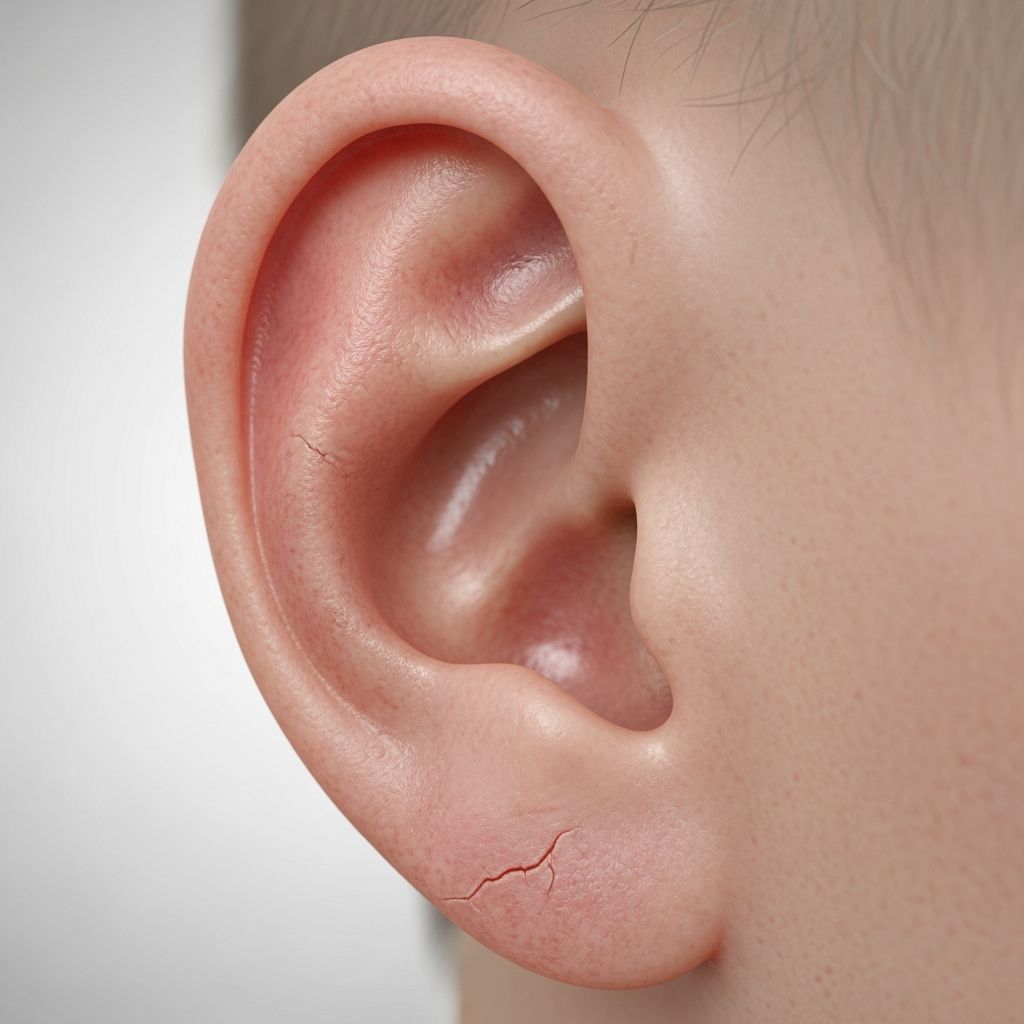
Ear eczema affects the skin around, behind, or inside the ears, leading to discomfort that impacts daily life. This condition manifests as inflamed, itchy patches that can crack or ooze if untreated. Understanding its forms, triggers, and management options empowers individuals to achieve better control.
Recognizing the Signs of Ear Eczema
The primary indicators include persistent itching, redness, and dryness on the earlobes, outer ear, or ear canal. Affected areas often become scaly or flaky, with swelling in moderate cases. Inside the ear, symptoms may involve tenderness and clear fluid leakage. Severe flare-ups lead to crusting, bleeding, or thickened skin from constant scratching.
- Itchiness: Intense urge to scratch, worsening at night.
- Redness and inflammation: Pink to deep red hues, depending on skin tone.
- Dryness and scaling: Peeling skin that feels rough.
- Swelling: Puffiness around the ear folds.
- Oozing or crusting: Yellowish discharge in advanced stages.
These signs mimic other issues like psoriasis or infections, making professional evaluation essential.
Common Forms of Ear Eczema
Ear eczema isn’t uniform; it branches into several subtypes, each with distinct characteristics.
| Type | Description | Key Features |
|---|---|---|
| Atopic Dermatitis | Genetic predisposition causing chronic inflammation. | Triggered by allergens; widespread family history of allergies. |
| Contact Dermatitis | Reaction to external irritants or allergens. | Affects outer ear from jewelry, headphones, or shampoos. |
| Seborrheic Dermatitis | Linked to yeast overgrowth in oily skin areas. | Greasy scales behind ears; responds to antifungals. |
| Asteatotic Eczema | Results from extreme dryness, often seasonal. | Cracked skin in low-humidity environments. |
Identifying the type guides targeted therapy, as atopic forms need immune modulation while seborrheic requires antifungal action.
What Triggers Ear Eczema Flare-Ups?
Multiple factors provoke outbreaks, ranging from environmental to lifestyle elements. Allergens like nickel in earrings or fragrances in hair products spark contact reactions. Harsh soaps, detergents, and cosmetics strip natural oils, exacerbating dryness.
Environmental shifts, such as cold winds or dry air, impair the skin barrier. Stress hormones intensify immune responses, while infections from bacteria or fungi thrive in moist, scratched areas. Hearing aids or earbuds cause pressure and trap moisture, fostering irritation. Food sensitivities and insect bites occasionally contribute, especially with systemic symptoms like swelling.
- Personal care products with irritants.
- Weather extremes (cold, dry conditions).
- Stress and hormonal changes.
- Prolonged ear wetness post-swimming.
- Devices pressing on ear skin.
Tracking personal triggers via a journal aids in avoidance.
Diagnosis Process for Ear Eczema
Healthcare providers, often dermatologists or ENT specialists, start with a visual exam and patient history. They assess rash location, duration, and aggravating factors. Patch testing identifies allergens by applying suspects to the skin for reaction monitoring.
For inner ear involvement, swabs detect infections. Biopsies are rare but confirm ambiguous cases. Differential diagnosis rules out psoriasis (sharper borders, silvery scales) or fungal infections. Early diagnosis prevents complications like hearing loss from canal blockage.
Related Stories



Everyday Strategies to Ease Symptoms
Moisturizing forms the cornerstone of care. Apply fragrance-free emollients like petroleum jelly multiple times daily to lock in hydration and shield the skin. Gentle cleansing with lukewarm water and mild, soap-free washes prevents further drying.
Avoid scratching by trimming nails and using cool compresses. Antihistamines like cetirizine curb itching orally. Protective hats shield ears from wind, and cotton swabs apply treatments precisely without deep insertion. Home additions include olive oil drops for soothing, though evidence is anecdotal.
Medical Interventions for Persistent Cases
Over-the-counter hydrocortisone (1%) offers initial relief for mild inflammation. Prescription topical corticosteroids (e.g., stronger hydrocortisone or betamethasone) reduce swelling effectively but require short-term use to avoid thinning.
Non-steroidal options like tacrolimus (Protopic) or pimecrolimus (Elidel) suit sensitive ear skin, suppressing immune overactivity. Seborrheic types benefit from antifungal-steroid combos like Daktacort. Infections demand antibiotic or antifungal drops. Severe, unresponsive cases may use oral steroids or biologics like dupilumab.
- Topical steroids: Quick inflammation control.
- Calcineurin inhibitors: Long-term, steroid-free management.
- Antifungals: Yeast-related flares.
- Antibiotics: Bacterial superinfections.
ENT procedures like aural toilet clear debris from canals.
Preventing Future Ear Eczema Episodes
Proactive measures minimize recurrences. Switch to hypoallergenic earrings and products labeled “fragrance-free.” Maintain ear dryness post-bathing or swimming with a hairdryer on cool setting. Ensure hearing aids fit loosely to reduce friction.
Humidifiers combat dry indoor air, and stress management via mindfulness supports skin health. Regular moisturizing creates a protective barrier. Diet tweaks avoiding known allergens help some. Consistent routines yield the best outcomes.
Potential Complications and When to Seek Help
Unchecked scratching invites infections, signaled by pus, fever, or heightened pain. Canal blockages from debris cause temporary deafness. Chronic cases thicken skin, complicating treatment.
Consult a doctor if symptoms persist beyond two weeks, spread, or include discharge/fever. Urgent care is needed for swelling obstructing hearing or systemic signs.
FAQs on Ear Eczema
Can ear eczema affect hearing?
Yes, buildup in the canal can muffle sounds temporarily until cleared.
Is ear eczema contagious?
No, it’s not infectious; only secondary infections spread.
How long do flare-ups last?
With treatment, 1-2 weeks; untreated, months.
Are natural remedies effective?
Some like aloe provide relief, but consult professionals for infections.
Can children get ear eczema?
Yes, often linked to atopic dermatitis; pediatric care is key.
References
- Guide About Ear Eczema — Indiana University School of Medicine. 2023. https://dermatrials.medicine.iu.edu/blogs/guide-about-ear-eczema
- Ear Eczema: Symptoms, Causes & Treatment — Cleveland Clinic. 2023-10-17. https://my.clevelandclinic.org/health/diseases/21842-ear-eczema
- Dermatitis of the Ear Canal (Chronic Otitis Externa) — Merck Manuals. 2024. https://www.merckmanuals.com/professional/ear-nose-and-throat-disorders/external-ear-disorders/dermatitis-of-the-ear-canal-chronic-otitis-externa
- Ear Eczema — National Eczema Society. 2023. https://eczema.org/information-and-advice/types-of-eczema/ear-eczema/
- Ear Eczema: Causes, Symptoms, and Treatments — GoodRx. 2024. https://www.goodrx.com/conditions/eczema/ear-eczema
- Causes, Symptoms, and Treatments for Ear Eczema — AudioNova. 2023. https://www.audionova.com/blog/hearing-health/ear-eczema/
- Ear Eczema: causes and treatments — Amplifon. 2023. https://www.amplifon.com/uk/audiology-magazine/ear-eczema
Similar Articles








Read full bio of Sneha Tete