Ear Infections In Adults: A Complete Guide To Symptoms & Care
Discover causes, symptoms, treatments, and prevention for ear infections in grown-ups – expert insights for quick relief and long-term ear health.
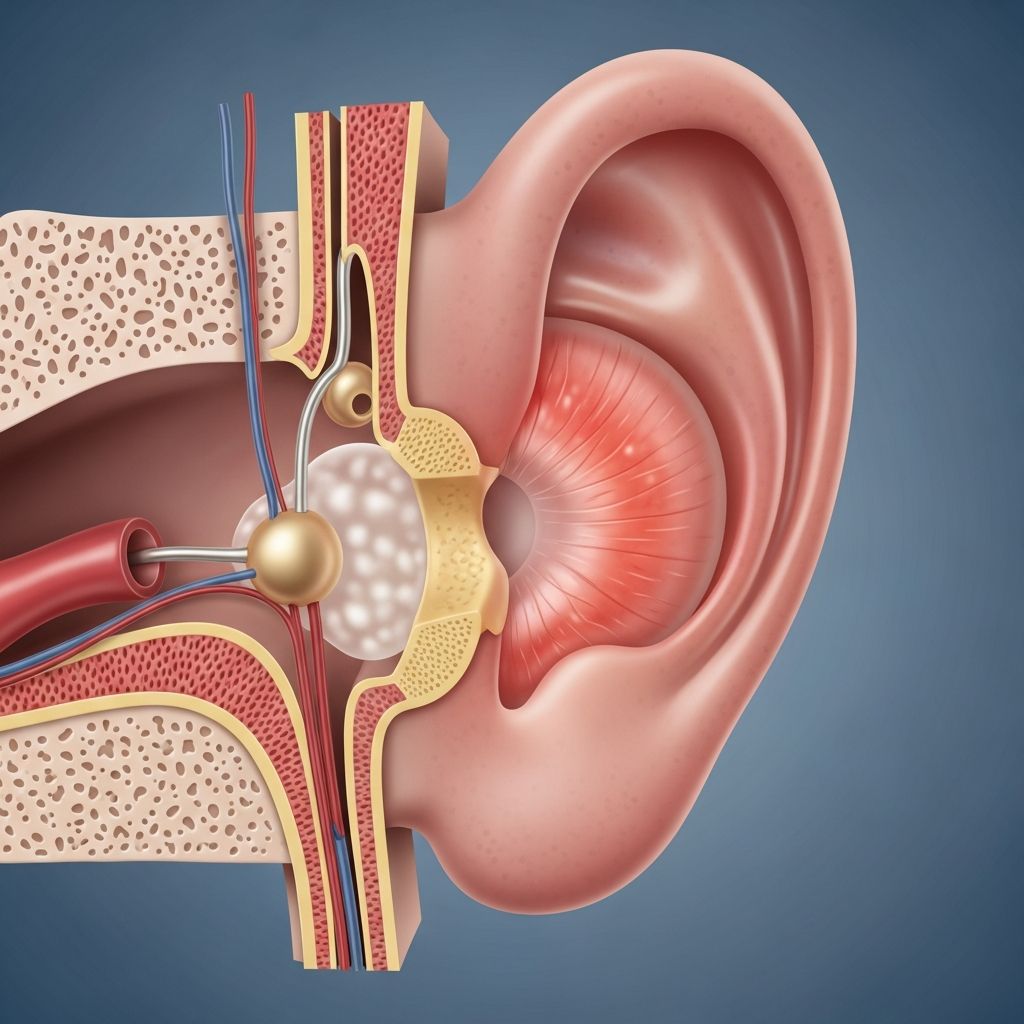
Ear infections strike adults less often than children, yet they can disrupt daily life with intense discomfort, temporary hearing impairment, and potential complications if ignored. Unlike pediatric cases, adult infections often stem from unique factors like chronic sinus issues or lifestyle habits. This guide explores the anatomy, triggers, warning signs, relief strategies, and proactive steps to safeguard ear wellness.
Understanding Ear Anatomy and Infection Sites
The human ear divides into three key regions: outer, middle, and inner. Each harbors distinct vulnerabilities to infection. The outer ear includes the canal and earlobe, prone to moisture-related bacterial growth. The middle ear, located behind the eardrum and connected via the Eustachian tube to the throat, fills with fluid during blockages, fostering bacterial or viral proliferation. The inner ear, housing balance and hearing mechanisms, rarely infects but leads to severe vestibular disturbances when it does.
Disruptions in Eustachian tube function – the drainage pathway – are central to many adult cases. Inflammation from nearby respiratory tracts swells this tube, trapping secretions and inviting pathogens. Adults with narrower or dysfunctional tubes, often a holdover from childhood, face heightened risks.
Primary Causes Behind Adult Ear Infections
While viruses and bacteria like Streptococcus pneumoniae and Haemophilus influenzae directly invade, underlying conditions pave the way. Common culprits include:
- Upper respiratory infections: Colds, flu, or strep throat inflame nasal passages, blocking Eustachian tubes and allowing fluid buildup.
- Allergies and sinusitis: Seasonal pollen or persistent congestion swells adenoids and tubes, creating infection-friendly environments.
- Lifestyle factors: Smoking or secondhand exposure irritates mucous membranes; acid reflux exacerbates throat inflammation.
- Anatomical predispositions: History of frequent childhood infections signals unresolved tube physiology issues.
- Outer ear specifics: Water trapped post-swimming (swimmer’s ear) or minor injuries introduce bacteria.
Viruses cause most middle ear cases, with bacteria secondary; inner ear infections typically viral. Note: infections themselves aren’t contagious, but precursor illnesses like colds spread easily.
Recognizing Symptoms Across Ear Types
Symptoms vary by infection location, intensity signaling urgency. Prompt identification prevents escalation.
| Infection Type | Common Symptoms | Severity Indicators |
|---|---|---|
| Outer Ear (Otitis Externa) | Itching, redness, canal swelling, discharge, jaw-radiating pain | Fever, spreading skin involvement |
| Middle Ear (Otitis Media) | Deep ache, pressure/fullness, muffled hearing, fluid drainage, tinnitus | High fever (>102°F), persistent pain >2-3 days, pus |
| Inner Ear (Labyrinthitis) | Vertigo, nausea, sudden hearing drop, dizziness | Balance loss preventing driving, vomiting |
Adults report ear pain as paramount, often worsening at night. Accompanying fever, fatigue, or appetite loss heightens concern. Subtle signs like mild fullness may precede acute flares, especially in recurrent sufferers.
Home-Based Relief Strategies
Many infections resolve spontaneously within days, but symptom control eases suffering. Safe, evidence-backed approaches include:
- Pain management: Ibuprofen or acetaminophen reduces inflammation and fever; follow dosing guidelines.
- Warm therapy: Compresses soothe ache by improving circulation; apply 15-20 minutes several times daily.
- Decongestion: Hydration, rest, saline nasal rinses, or OTC decongestants unblock tubes.
- Outer ear care: Keep dry; dilute hydrogen peroxide drops (sparingly) may loosen debris, but avoid overuse to prevent irritation.
- Lifestyle tweaks: Elevate head during sleep, sidestep irritants like smoke.
Steer clear of unproven remedies like excessive ear candling, which risks burns or perforation.
Professional Medical Interventions
Related Stories



Seek care if symptoms endure beyond 48-72 hours, worsen, or include high fever/discharge. Providers diagnose via otoscopy, assessing eardrum appearance and fluid presence.
Treatments tailor to type and cause:
- Antibiotics: Oral for bacterial middle ear; ear drops for outer. Complete full course.
- Steroids: Oral or drops curb severe swelling/pain.
- Procedures: Myringotomy drains fluid; tubes prevent recurrence in chronics. Mastoidectomy or tympanoplasty address complications.
- Inner ear: High-dose steroids for hearing preservation; vestibular rehab for balance.
ENT referral suits recurrent or complex cases, probing root issues like allergies.
Risk Amplifiers and Who’s Most Vulnerable
Not all adults face equal threats. Elevated groups include:
- Childhood infection veterans
- Smokers/exposed to tobacco
- Chronic allergy/sinus patients
- Those with reflux or immune dips
- Swimmers or humid-environment dwellers
Chronic Eustachian dysfunction, sans pain, still muffles hearing via serous otitis media.
Preventive Measures for Ear Health
Proactive habits slash incidence:
- Vaccinate against flu/pneumococcus.
- Manage allergies with meds/environmental controls.
- Quit smoking; evade secondhand.
- Dry ears post-water exposure; use preventive drops.
- Treat respiratory infections swiftly.
Annual ENT checkups benefit high-risk individuals.
When to Escalate to Urgent Care
Red flags demand immediate attention:
- Fever ≥102.2°F (39°C)
- Pus/bloody discharge
- Severe vertigo impairing mobility
- Symptoms >2-3 days or recurring
- Hearing loss
Delays risk mastoiditis, hearing damage, or meningitis – rare but grave.
Frequently Asked Questions (FAQs)
Can adults get swimmer’s ear?
Yes, outer ear infections from trapped moisture affect adults, especially swimmers. Dry thoroughly and use alcohol-vinegar mixes preventively.
Do ear infections cause permanent hearing loss?
Rarely, if chronic/untreated; tubes or surgery mitigate risks.
Are antibiotics always needed?
No, many viral cases self-resolve; reserved for bacterial confirmation.
How long do symptoms last?
Typically 3-7 days with care; monitor for persistence.
Is hydrogen peroxide safe for ears?
In moderation, yes for cleaning; excess irritates.
Long-Term Management for Recurrent Cases
Frequent infections warrant investigation: allergy testing, imaging, or tube assessment. Holistic approaches – diet, humidity control – complement meds. Tracking episodes aids pattern spotting.
In sum, adult ear infections, though unwelcome, respond well to timely action. Empower yourself with knowledge for swift recovery and resilience.
References
- Earaches in Adults: What You Need to Know — Houston Methodist. 2021-08. https://www.houstonmethodist.org/blog/articles/2021/aug/earaches-in-adults-what-you-need-to-know/
- Ear infection in Adults (Otitis Media) — Ohio State Wexner Medical Center. N/A. https://wexnermedical.osu.edu/ear-nose-throat/hearing-and-balance/ear-infection-otitis-media
- Ear Infection Basics — Centers for Disease Control and Prevention (CDC). N/A. https://www.cdc.gov/ear-infection/about/index.html
- Yes, Adults Get Ear Infections Too — Henry Ford Health. 2023-09. https://www.henryford.com/Blog/2023/09/adult-ear-infections
- Ear infection in adults: symptoms, treatment and pain relief | NHS — NHS (YouTube). N/A. https://www.youtube.com/watch?v=U8i9e8_ozWs
- Best ways to treat an ear infection at home — HealthPartners. N/A. https://www.healthpartners.com/blog/ear-infection-treatment/
Similar Articles








Read full bio of Sneha Tete