Ear Infections In Babies: 10 Signs, Causes, And Treatments
Understanding ear infections in infants: symptoms, causes, and effective treatment options.
Understanding Ear Infections in Babies and Toddlers
Ear infections are among the most common health conditions affecting babies and toddlers, particularly during their first few years of life. These infections can cause significant discomfort and concern for parents, as young children cannot verbalize their symptoms. Understanding the signs, causes, and treatment options can help you recognize when your child needs medical attention and provide appropriate care. Ear infections in the middle ear, known as acute otitis media (AOM), are the most prevalent type, affecting millions of children annually.
What Are the Types of Ear Infections?
There are several types of ear infections that can affect babies and toddlers, each with distinct characteristics and causes. Understanding these differences helps guide appropriate treatment decisions.
Acute Otitis Media (AOM)
Acute otitis media is the most common type of ear infection in children. This infection affects the middle ear, the space behind the eardrum where fluid normally drains through a small tube called the Eustachian tube. In AOM, parts of the middle ear become infected and swollen, and fluid becomes trapped behind the eardrum. This buildup of fluid creates pressure and pain. The condition typically develops following a cold or upper respiratory infection, when viruses or bacteria travel from the nose and throat to the middle ear.
Otitis Media with Effusion (OME)
Otitis media with effusion occurs when fluid remains trapped in the middle ear after an acute infection has resolved. Unlike acute otitis media, OME may not cause obvious pain or fever, and your child might show no symptoms at all. However, a pediatrician can diagnose this condition during examination. Some children with OME experience mild hearing difficulties, which can affect language development if persistent.
Outer Ear Infection
Outer ear infections, also called otitis externa or swimmer’s ear, occur in the ear canal rather than the middle ear. These infections are often caused by bacteria or fungi and may result from water exposure, excessive ear cleaning, or small scratches in the ear canal. This type of infection is less common in very young children than middle ear infections.
What Causes Ear Infections in Babies and Toddlers?
Several factors make babies and toddlers particularly susceptible to ear infections. Their Eustachian tubes are shorter, narrower, and more horizontal than in older children and adults, making it easier for fluid and bacteria to become trapped. Additionally, their immune systems are still developing, providing less protection against infections. Common causes include:
- Viruses from colds or upper respiratory infections
- Bacteria, including common respiratory pathogens
- Exposure to secondhand smoke
- Attendance at group daycare settings
- Bottle feeding in a horizontal position
- Family history of ear infections
Recognizing the Symptoms of Ear Infection
Since babies and toddlers cannot tell you their ears hurt, recognizing the signs of infection is crucial. Most ear infections develop rapidly, and symptoms may appear suddenly, particularly following a recent cold or illness.
Common Signs in Babies and Toddlers
Parents should watch for these warning signs that suggest an ear infection:
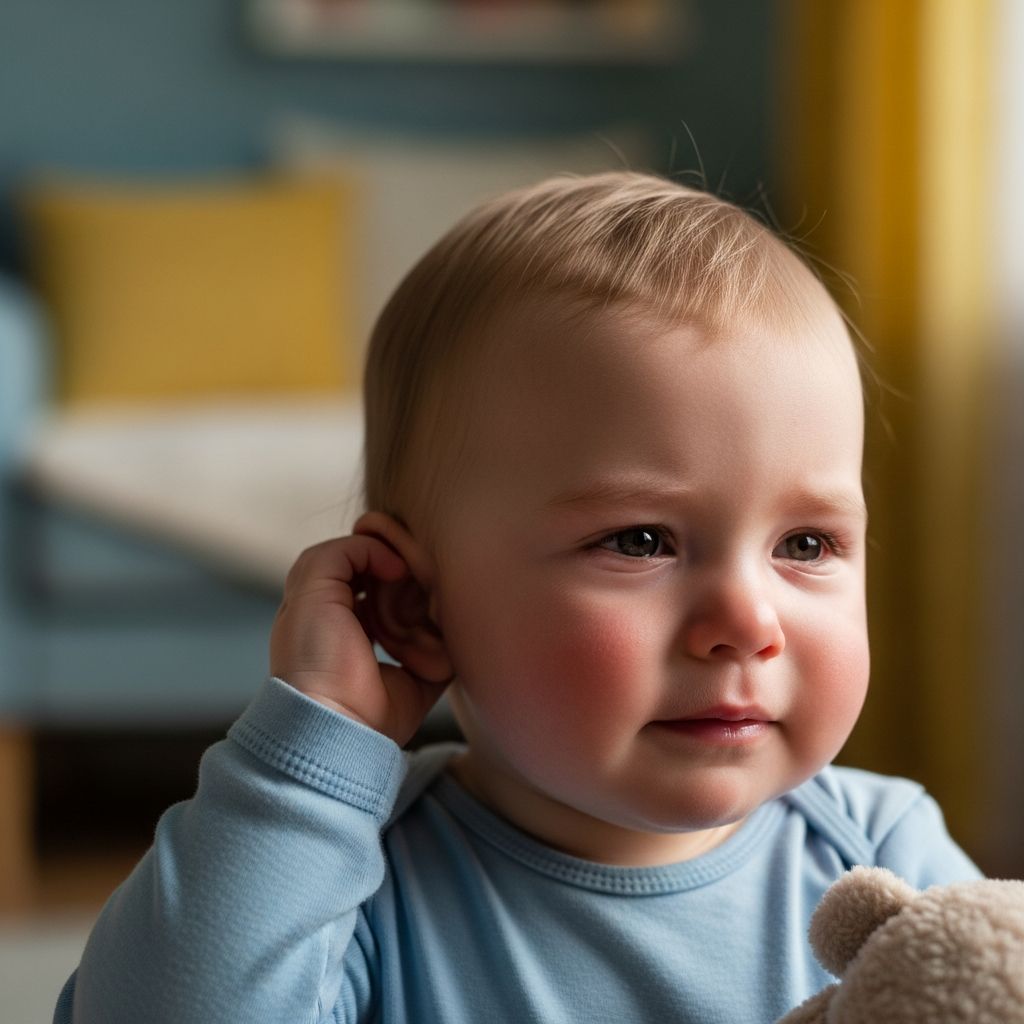
- Tugging, pulling, or rubbing at the ear(s)
- Excessive fussiness and crying
- Difficulty sleeping or frequent waking
- Fever, especially in infants and younger children
- Fluid drainage from the ear
- Loss of balance or clumsiness
- Difficulty hearing or not responding to quiet sounds
- Loss of appetite
- Vomiting or diarrhea
- Restlessness or irritability
It is important to note that not all children with ear infections will display fever, and some may show only one or two symptoms. Trust your instincts if your child seems unusually uncomfortable or ill, particularly after a respiratory illness.
Related Stories



When Should You See a Doctor?
Contact your child’s pediatrician if you suspect an ear infection, especially under these circumstances:
- Your child is younger than six months old with any fever or suspected infection
- Symptoms last more than two to three days
- Symptoms are severe or worsening
- Your child has fluid, pus, or blood draining from the ear
- Your child shows signs of hearing loss
- Your child remains sleepless or cranky after a cold or respiratory infection
- Multiple ear infections occur within a short time period
How Is an Ear Infection Diagnosed?
Your pediatrician will begin with a careful history, asking whether your child recently had a cold, sore throat, or respiratory symptoms. The doctor will also inquire about any symptoms you have observed. To confirm the diagnosis, your physician will use an otoscope, a specialized instrument that allows visualization of the eardrum. The otoscope has a light and magnifying lens that reveals whether the eardrum is red, bulging, or shows fluid levels behind it—all signs consistent with infection.
Your doctor may also perform tympanometry, a test that measures how the eardrum responds to sound and air pressure. This objective test helps confirm middle ear fluid or infection without discomfort to your child.
Treatment Options for Ear Infections
Treatment approaches vary depending on the type of infection, your child’s age, symptom severity, and how long symptoms have persisted.
Watchful Waiting
Many mild to moderate ear infections resolve without antibiotic treatment. The body’s immune system can often fight off the infection independently. Your doctor may recommend watchful waiting for two to three days, during which you monitor your child’s symptoms and provide comfort measures. If symptoms improve or resolve within this timeframe without antibiotics, the infection has cleared naturally. This approach reduces unnecessary antibiotic use and helps prevent antibiotic resistance.
Antibiotic Treatment
Antibiotics such as amoxicillin are prescribed when:
- Your child is under six months old
- Symptoms persist beyond 48 to 72 hours from onset
- Your child has high fever or appears severely ill
- Symptoms are worsening rather than improving
- Your child has recurrent infections
If antibiotics are prescribed, it is essential to complete the full course as directed, typically seven to ten days, even if your child feels better. Stopping antibiotics early can result in incomplete treatment and increase resistance development.
Pain and Fever Management
Regardless of whether antibiotics are used, pain relief is important for your child’s comfort:
- Over-the-counter pain relievers such as acetaminophen or ibuprofen help reduce pain and fever
- Follow your pediatrician’s dosing recommendations based on your child’s age and weight
- Avoid aspirin, which carries a risk of Reye’s syndrome in children with fever or flu-like symptoms
- Specialized eardrops with pain-relieving properties may provide additional comfort
Additional Comfort Measures
Beyond medication, several home remedies can help soothe your child during an ear infection:
- Apply a warm or cold compress to the affected ear (let your child indicate preference)
- Maintain proper sleep positioning, avoiding pressure on the infected ear
- Ensure adequate rest to support immune function
- Keep your child hydrated with extra fluids
- Engage your child in low-impact activities like coloring, puzzles, or movies to distract from discomfort
- Maintain a comfortable room temperature and humidity level
How Long Does Recovery Take?
Most children begin feeling better within a few days after starting treatment or after their immune system fights off the infection. Your child should show gradual improvement in pain, fever, and general irritability. However, if your child still seems sick after several days, contact your pediatrician, as a different antibiotic might be necessary.
Even after the infection clears, fluid may remain in the middle ear for several weeks. This residual fluid usually disappears on its own within three to six weeks without causing ongoing problems or infection. During this period, your child may have mild, temporary hearing difficulty that resolves as the fluid drains.
When Is Surgical Treatment Necessary?
If your child experiences recurrent ear infections despite antibiotic treatment, your pediatrician may recommend surgical intervention. When infections keep recurring and antibiotics are not providing adequate relief, many doctors recommend placement of ventilation tubes (tympanostomy tubes) in the eardrum. These small tubes allow air to flow into the middle ear and prevent fluid backup, significantly reducing infection frequency in susceptible children.
The most commonly used ventilation tubes remain in place for six to nine months and eventually fall out on their own. Your child will require follow-up visits with an otolaryngologist (ear, nose, and throat specialist) to monitor the tubes and ensure proper healing after they extrude.
Prevention Strategies
While you cannot prevent all ear infections, several strategies can reduce your child’s risk:
- Minimize secondhand smoke exposure, which increases infection risk
- Breastfeed when possible, as breast milk contains antibodies that protect against infection
- If bottle feeding, hold your baby upright rather than in a horizontal position to prevent fluid from flowing into the middle ear
- Limit pacifier use after six months of age
- Keep your child’s vaccinations current, including pneumococcal and influenza vaccines
- Practice good hand hygiene to reduce cold transmission
- Limit exposure to group settings during peak cold and flu season when possible
- Avoid inserting objects into your child’s ear canal
When to Seek Emergency Care
Seek immediate medical attention if your child develops:
- Redness, pain, or swelling of the bone behind the ear
- The ear is pushed forward from the head
- High fever that does not respond to medication
- Signs of severe illness or letharness
- Stiff neck or headache with fever
These symptoms may indicate a more serious infection such as mastoiditis or meningitis requiring emergency evaluation and hospitalization.
Frequently Asked Questions
Q: Are antibiotics always necessary for ear infections?
A: No. Many mild to moderate middle ear infections resolve without antibiotics as the body fights off the infection naturally. Antibiotics are typically reserved for severe cases, infections lasting beyond 48-72 hours, children under six months, or those at higher risk for complications.
Q: Can I treat an ear infection at home?
A: You can provide comfort measures at home, such as pain relief medication, warm compresses, and rest. However, your child should be evaluated by a doctor to confirm the diagnosis and determine if treatment is necessary, especially if under six months old.
Q: How can I prevent my child from getting ear infections?
A: Breastfeeding when possible, keeping vaccinations current, avoiding secondhand smoke, holding bottles upright during feeding, and practicing good hand hygiene all help reduce infection risk.
Q: Why do some children get more ear infections than others?
A: Factors include Eustachian tube anatomy, family history, immune system development, exposure to secondhand smoke, attendance at group daycare, and feeding practices. Some children are simply more susceptible due to these individual differences.
Q: What should I do if my child doesn’t improve with antibiotics?
A: Contact your pediatrician. Your child may need a different antibiotic, or the problem may not be an ear infection. Your doctor can reassess and adjust the treatment plan accordingly.
Q: Can ear infections cause permanent hearing loss?
A: Temporary hearing loss during an infection is common but usually resolves as the infection clears. Permanent hearing loss from typical ear infections is rare, but chronic or recurrent infections should be monitored to ensure normal development.
References
- Ear Infections in Children, Babies & Toddlers — National Institute on Deafness and Other Communication Disorders (NIDCD), National Institutes of Health. 2024. https://www.nidcd.nih.gov/health/ear-infections-children
- Ear Infections in Children: Causes, Signs and Treatment — Children’s Hospital Colorado. 2024. https://www.childrens.com/health-wellness/ear-infections-educational-resources
- Ear Infection – Otitis Media and Otitis Externa — healthdirect, Australian Government Department of Health. 2024. https://www.healthdirect.gov.au/ear-infection
- Ear Infection (Middle Ear) — Symptoms & Causes — Mayo Clinic. 2024. https://www.mayoclinic.org/diseases-conditions/ear-infections/symptoms-causes/syc-20351616
- Preventing and Treating Ear Infections — Centers for Disease Control and Prevention (CDC). 2024. https://www.cdc.gov/ear-infection/
- Ear Infections and Glue Ear — Kids Health Info, Royal Children’s Hospital. 2024. https://www.rch.org.au/kidsinfo/fact_sheets/Ear_infections_and_glue_ear/
- Ear Infections — National Health Service (NHS), UK Government. 2024. https://www.nhs.uk/conditions/ear-infections/
Similar Articles








Read full bio of medha deb